


Are dog shampoos regulated in the US? Partially, and not the way most buyers assume. Federal rules do apply to pet grooming products, but the single thing shoppers rely on most, a complete ingredient list printed on the bottle, is not federally mandated for a plain, non-medicated dog shampoo the way it is for the shampoo in your own shower. That is the gap. It is narrow, it is specific, and once you can see it, a wall of pet shampoo at any big-box store starts to read very differently.
Are Dog Shampoos Regulated? The Precise Answer
A non-medicated dog shampoo is a cosmetic-type product intended for animals. It cannot be misbranded. It cannot make false claims. It cannot be adulterated. Those obligations are real and enforceable. What does not attach to it is the obligation that governs human personal care: a mandatory ingredient declaration listing everything in the bottle, in descending order of concentration, in standardized nomenclature.
Human cosmetics carry that list because of the Fair Packaging and Labeling Act, a consumer-commodity statute enforced on the retail side by the FTC and implemented for cosmetics by the FDA. The phrase that does the work is "consumer commodity," which the law frames around goods consumed or used by individuals in the household. Products for grooming an animal have not been treated as falling inside that definition. The gap is not an oversight by a single agency. It is structural, sitting in the definition itself.
Definitions worth keeping straight
- Non-medicated grooming product
- A shampoo, conditioner or rinse that cleans, conditions or scents the coat and makes no claim to treat, cure or prevent a disease or infestation.
- Medicated or therapeutic claim
- Any statement that a product treats mange, resolves a fungal infection, cures hot spots or similar. Making the claim moves the product into animal drug territory under FDA jurisdiction.
- INCI
- International Nomenclature of Cosmetic Ingredients, the standardized naming system used on human cosmetic labels. Brands that disclose fully on pet products almost always borrow it.
- EPA registration number
- A number printed on pesticide product labels, including flea and tick shampoos that kill parasites, signaling federal registration under FIFRA.
Who Actually Holds Jurisdiction
FDA
The FDA Center for Veterinary Medicine oversees animal drugs. A shampoo that stays in the cleansing lane sits in a light-touch zone, subject to general prohibitions on misbranding and adulteration but not to premarket approval or mandatory ingredient disclosure. The moment a label promises to treat a condition, the same product is evaluated as a drug, and the regulatory weight lands hard.
EPA
Shampoos formulated to kill fleas and ticks are pesticides. They are registered with the EPA under FIFRA, carry an EPA registration number, and their labels are federally reviewed documents with required active ingredient statements, warnings and use directions. Ironically, the most tightly labeled product in the pet aisle is often the one people are most nervous about. That is what a real disclosure mandate looks like.
FTC and state authorities
The FTC polices deceptive advertising, so a false claim on a bottle or a product page is actionable regardless of category. State feed and animal product regulators, along with industry self-regulation such as the National Animal Supplement Council, add another layer. None of these impose cosmetic-style full ingredient disclosure on a non-medicated shampoo.
The MoCRA Detail Most People Miss
In 2022, Congress passed the Modernization of Cosmetics Regulation Act, the first major overhaul of US cosmetics oversight in decades. Facility registration, product listing, adverse event reporting, safety substantiation: a genuine modernization. It applied to cosmetics intended for humans. Products intended for animals were not brought in.
So the most recent, most significant tightening of cosmetics law in the United States moved right past the pet aisle. That single fact answers the question better than any general argument. Are dog shampoos regulated to the standard your own shampoo is? No. And the country had a recent chance to change that and did not.
Three Products, Three Rulebooks
| Requirement | Human shampoo | Non-medicated dog shampoo | Flea & tick dog shampoo |
|---|---|---|---|
| Full ingredient declaration required on pack | Yes | Not required | Label content set by EPA registration, actives declared |
| Federal premarket review | No | No | Yes, EPA registration |
| Registration number printed on label | No | No | Yes, "EPA Reg. No." |
| Primary federal framework | FDA cosmetics, FPLA labeling | General misbranding rules, FDA drug rules if a therapeutic claim appears | FIFRA, administered by EPA |
| Covered by MoCRA (2022) | Yes | No | Not applicable, pesticide framework |
| Standardized warnings and directions | Limited | Not standardized | Required and enforceable |
What Vague Label Language Can Conceal
Here is the important part, and the part where the argument has to stay honest. Nothing below is a claim that a hidden ingredient is dangerous. The objection is to the hiding.
"Shampoo base" is the most common. It is not an ingredient. It is a purchased pre-blend, usually water plus a surfactant system plus preservative plus thickener plus pH adjuster, and a brand that prints those two words has legally compressed roughly seventy percent of the formula into a phrase that discloses nothing. "Cleansing base" and "surfactant blend" do the same job. "Proprietary blend" is the confident version of the same move.
"Fragrance" is different, and this is where a lot of pet content goes wrong. A brand that prints fragrance on its label is telling you a scent system is present. That is disclosure, not concealment. The same is true of a disclosed colorant. The reasonable follow-up is to ask the company what the fragrance is and whether it was assessed for use on dogs, and a transparent brand will answer. Treating a disclosed fragrance as a scandal while giving a pass to a label that says "shampoo base" gets the incentives exactly backwards. It punishes the company that told you more.
What actually costs you information is the label that lists six botanicals in beautiful type and then quietly waves away the rest of the bottle. If your dog has reactive skin, the surfactant system and preservative are usually the part you most want to see, and those are precisely what a base term absorbs. Our guide on how to read a dog shampoo label walks through what those component families do, and the companion piece on ingredients worth questioning covers the follow-up questions once you have the full list in hand.
How to Audit a Dog Shampoo Label at Home
Twelve minutes with a bottle and a phone will tell you most of what you need.
- Read the claims first. If the bottle says it treats, cures or kills anything, you are holding a drug or pesticide product, not a cosmetic. Look for an EPA registration number and read the directions as written.
- Count the list. A real formula has roughly fifteen to thirty entries. If you see eight, the label is a summary, not a declaration.
- Search for base language. Scan for "base," "blend," "complex" and "proprietary." Each one is a container holding ingredients you cannot see.
- Check the ordering. A full declaration runs in descending concentration, so water or a cleansing agent should lead. A list opening with a hero botanical is a marketing sequence, not a technical one.
- Compare pack to product page. Some brands publish more online than they print. Some publish less. The mismatch itself is informative.
- Send one email. Ask for the complete ingredient declaration in INCI format. How fast and how completely a brand answers is the cleanest signal you will ever get about it.
- Photograph the label. Keep it. If your dog ever reacts to something, your veterinarian will want the actual list, not the brand name.
One caution on that last point. Redness, swelling, hair loss or persistent scratching is a veterinary matter, not a label-reading matter. Stop the product and call your vet.
What Voluntary Transparency Looks Like
Because disclosure is voluntary here, publishing a full list is a choice a brand makes against its own short-term interest. It invites scrutiny. It makes the formula easier to reverse-engineer. Companies do it anyway when they expect the list to survive being read.
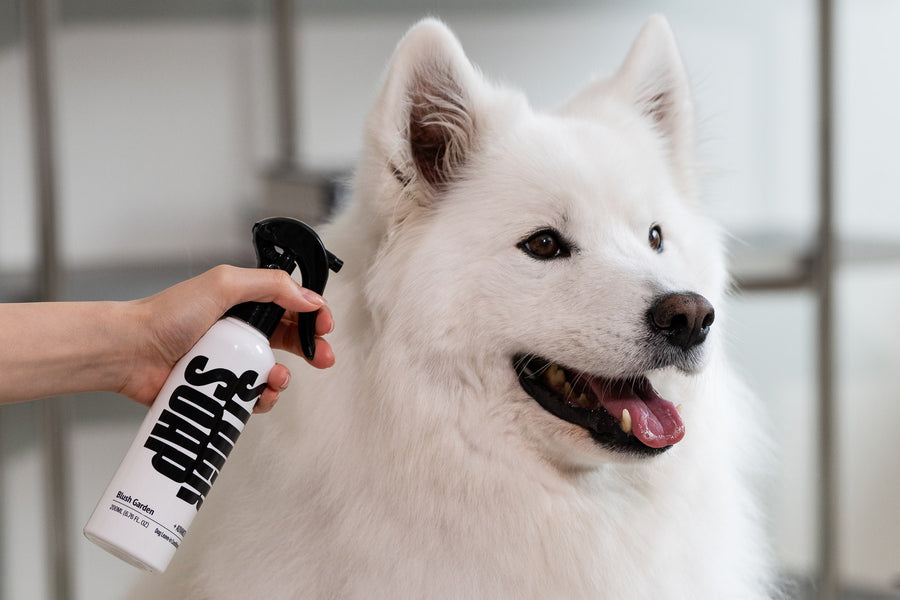
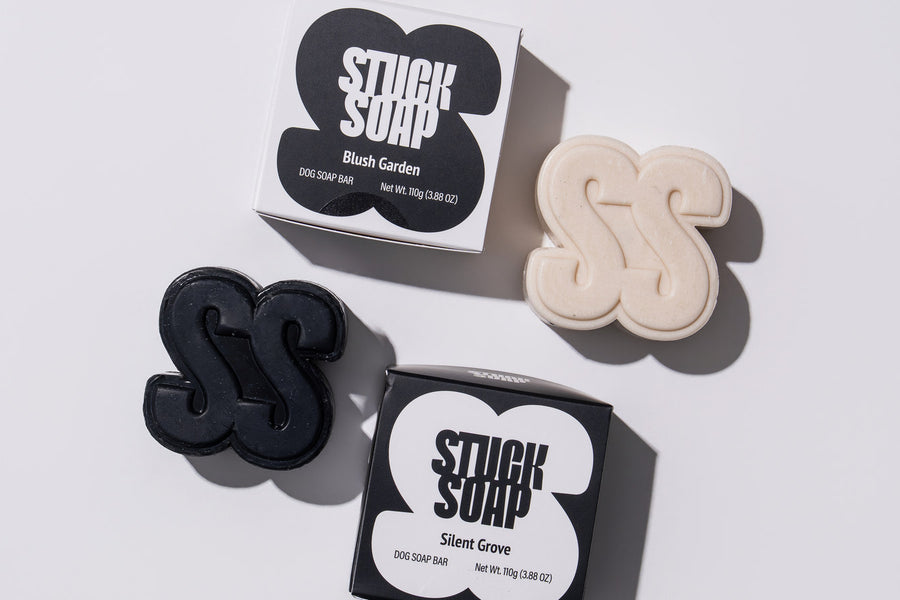
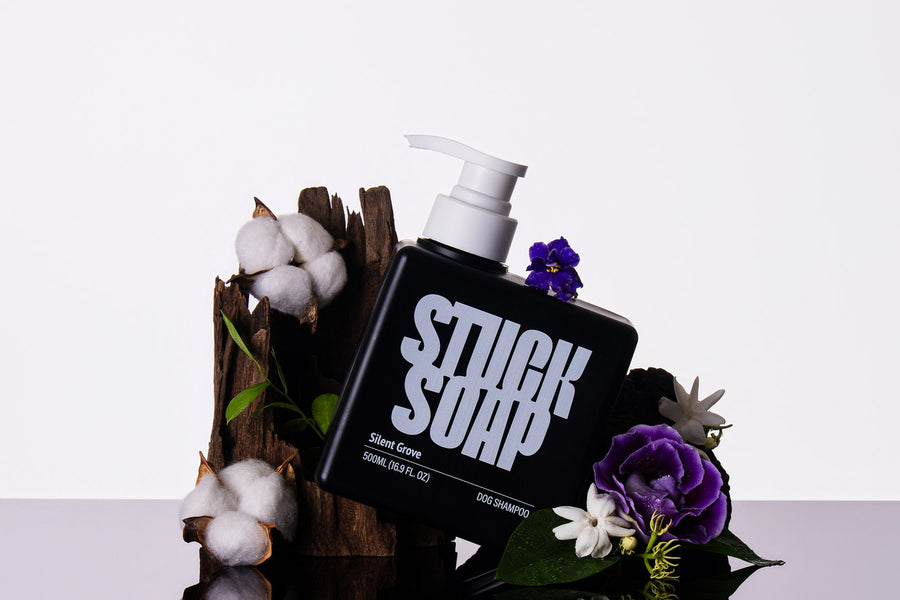
That is the standard we hold ourselves to at STUCK SOAP. Our liquid shampoo and shampoo bar publish complete ingredient lists, the formulas are vegan and pH-balanced for canine skin rather than human skin, and the two scents, Silent Grove and Blush Garden, are named on the label instead of disappearing into a base term. Green tea, camellia oil and centella asiatica are on the pack because they are in the bottle in meaningful amounts. These are cosmetic grooming products, not treatments, and we describe them that way on purpose.
Elsewhere in the journal, we go deeper on why canine skin pH differs from ours, on what "clean beauty" does and does not mean for dogs, and on centella asiatica for readers who want the ingredient-level detail.
Practical Takeaways
- Non-medicated pet shampoo is regulated for honesty, not for disclosure. Both matter, and only one is currently required.
- A medicated claim or a parasite-killing formula changes the rulebook entirely, toward FDA or EPA.
- MoCRA modernized human cosmetics in 2022 and left animal products outside the frame.
- Base terminology is the real information loss on a label. Disclosed fragrance is the opposite of that.
- The fastest quality test available to any shopper is a single email asking for the full INCI list.
- Anything symptomatic goes to a veterinarian, with the label photo in hand.
Frequently Asked Questions
Are dog shampoos regulated in the United States?
Yes, partially. Truthful labeling rules apply, and any shampoo making a medicated claim falls under FDA animal drug oversight or EPA pesticide rules. What is missing is a mandatory full ingredient declaration on plain, non-medicated grooming shampoo, which human cosmetics must carry.
Does the FDA approve dog shampoo?
No. FDA does not approve cosmetic-type grooming products for animals before they reach shelves. The agency's premarket approval authority covers animal drugs. A shampoo that claims to treat a skin condition is making a drug claim and is held to that higher standard.
Why do some dog shampoos list every ingredient and others do not?
Because disclosure is voluntary for non-medicated pet shampoo. Some brands publish a full INCI list because they want buyers to check their work. Others print a short marketing summary and a phrase like "cleansing base," which is legal but tells you almost nothing.
Is "fragrance" on a dog shampoo label a red flag?
Not by itself. A brand that prints fragrance is disclosing that a scent system exists, which is more than a silent label does. The useful follow-up is whether the company will name the fragrance source and confirm it was assessed for use on dogs.
Did MoCRA change pet shampoo labeling?
No. The Modernization of Cosmetics Regulation Act, passed in 2022, tightened oversight of cosmetics intended for humans through facility registration, product listing and safety substantiation. Products intended for animals were not brought into that framework, so the pet grooming disclosure gap remained open.
How can I tell if a shampoo is a pesticide product?
Look for an EPA registration number on the label, usually printed as "EPA Reg. No." followed by digits. Shampoos formulated to kill fleas or ticks are pesticides under federal law, and their labels carry required warnings and use directions you should follow exactly.
My dog reacted to a shampoo. What should I do?
Stop using the product and contact your veterinarian, especially if you see redness, swelling, hair loss or persistent scratching. Bring the bottle or a photo of the full label with you. Your vet is the only person who can evaluate and treat what is happening to your dog.
Sources
- US Food and Drug Administration, Animal & Veterinary
- US Environmental Protection Agency, Pesticides
- US Federal Trade Commission, Business Guidance
- American Veterinary Medical Association
This article is general consumer information about product labeling and is not veterinary advice. For any skin, coat or health concern, consult your veterinarian.
Read the Whole List Before You Buy
If you want a grooming shampoo that prints its entire formula and names its scent instead of hiding behind a base term, that is the standard we build to. Explore the liquid shampoo and the zero-waste bar at stucksoap.com, and if you are shopping for a young dog, start with our puppy shampoo safety guide first.