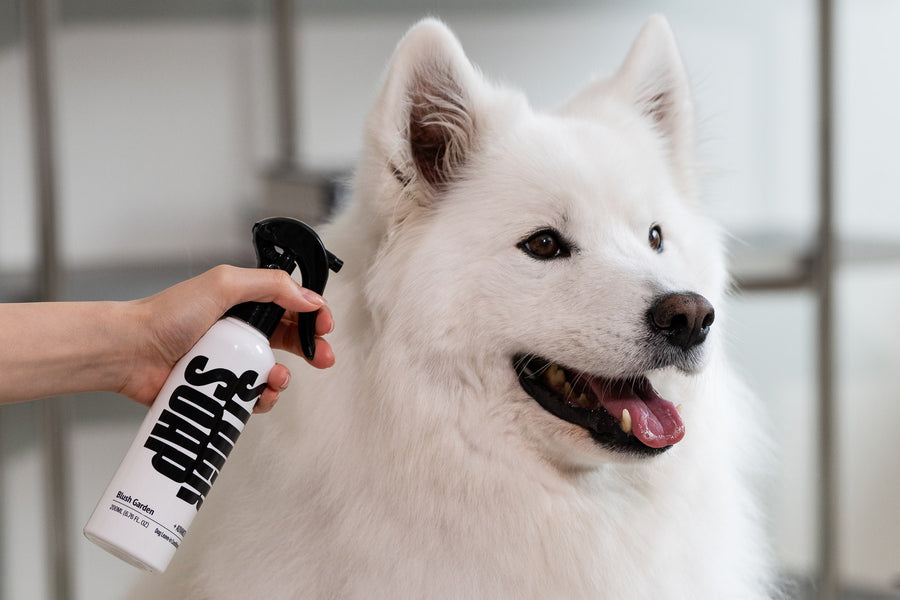



How to clean a senior dog without a bath comes down to one change: stop washing the whole dog and wash only the few places that actually get dirty. A bowl of warm water, three washcloths, a small amount of dog shampoo, and about ten quiet minutes will cover most of what a full bath used to do for an older dog who can no longer stand in a tub.
One piece of housekeeping first. Everything below is hygiene and comfort care, not treatment. If your dog has recently started leaking urine, has lost strength in the back end, or has skin that looks red, raw, or broken, that belongs to your veterinarian, and nothing on this page substitutes for that visit.
When a Full Bath Stops Being the Right Call
A bath asks more of a dog than most owners realize. Step over a tub wall onto slick wet tile, hold a standing position for ten or fifteen minutes, tolerate restraint while water hits the head and ears, then stay upright again for drying. For a four year old retriever that is an annoyance. For a thirteen year old with stiff hips it is a physical test with a real chance of a slip.
What breaks down first
Three things go before the coat does. Standing endurance goes first, which is why a dog can still walk the block but cannot hold a pose in a tub. Footing confidence goes second, and a dog who has slipped once on a wet surface does not forget it. Temperature regulation goes third, and it is the one people miss: older dogs carry less muscle, so a soaked dog in a drafty room gets cold fast and stays cold long after the towels come out.
If your obstacle is size rather than age, the mechanics and the answers are different, and we covered those in how to wash a big dog without a bathtub.
What belongs to your veterinarian, not your bath mat
Grooming manages hygiene and comfort. It does not treat anything, and it should never become the reason a real problem waits. Book the appointment for incontinence that is new or getting worse, a sudden change in how your dog rises or stands, skin that is red, raw, weeping, or carries an odor of its own, straining to urinate, blood anywhere, or a dog who has started soiling in their sleep. The AVMA's senior pet care guidance and the VCA overview of arthritis in dogs are sensible starting points for what aging actually changes and what deserves a workup.
How to Clean a Senior Dog Without a Bath: Work in Zones
The method rests on a fact most owners have never tested: most of your dog is already clean.
Most of the dog does not need washing
Run your hands over an old dog six weeks after their last bath. The back is dusty. The sides, shoulders, and ribs are fine. Nearly all the real dirt and nearly all the odor sit in a short list of places: under the tail, the belly and inner thighs, the feet, the folds around the mouth, and the ear openings. That is a small fraction of the dog carrying almost the entire problem. Washing the rest costs your dog fifteen minutes on their feet and buys close to nothing.
Odor obeys the same rule, since smell collects where moisture collects. The location of a smell usually names the zone nobody reached, which we laid out in the dog odor map.
What to set out before you start
- Two bowls of comfortably warm water, one for washing and one for rinsing cloths
- Three or four washcloths, ideally microfiber, plus two dry towels
- A shampoo bar or a very small amount of liquid dog shampoo
- Blunt nosed scissors, if you are comfortable trimming soiled fur
- A non slip mat or folded blanket under the dog, and treats already unwrapped
Put all of it within arm's reach before you touch the dog. Stand up mid clean to fetch something and your dog stands up too.
The Zone Map: What to Clean, With What, and How Often
Zones want different tools and different frequencies. Cleaning the rear daily makes sense. Cleaning the back daily does not, and only dries out the skin.
| Zone | Tool | Frequency | Watch for |
|---|---|---|---|
| Rear, under tail, sanitary area | Damp cloth with a little shampoo, then a plain water cloth, then dry | Wipe daily, full clean 2 to 3 times a week, plus after any accident | Matting, stuck debris, redness, raw or broken skin |
| Belly and inner thighs | Damp cloth, shampoo only if soiled | 2 to 3 times a week, daily if the dog leaks | Fur that never fully dries, pink or irritated skin |
| Feet and between toes | Damp cloth, dry between every toe | After walks, full clean weekly | Debris packed between pads, licking, mats |
| Face, muzzle, eye corners | Plain warm water, soft cloth, no shampoo | Daily | Crust build up, staining in folds, food in beard fur |
| Ear flap and outer opening | Damp cloth on the visible surface only | Weekly, or as your vet advises | Odor, discharge, head shaking, all vet questions |
| Back, sides, coat generally | Brushing, occasional damp cloth or waterless product | Brush every day or two, wash rarely | Dandruff, greasy patches, mats over the hips |
Reading the map
The closer a zone sits to a body opening, the more often it needs attention and the less product it needs each time. A full bath treats every square inch the same, which is why most senior routines end up backwards.
The risk of over cleaning
Shampooing one small patch of skin every day will dry it out, and dry skin flakes and itches. Use plain warm water for most daily cleans and save shampoo for two or three of them a week. Older skin is thinner and slower to recover. Be honest about quantity too, since a spot clean needs a fraction of a bath dose. Our dosage guidance by weight and coat is written for full baths, so scale it down hard.
The Ten Minute Spot Clean, Step by Step
Do this with the dog lying down. Do not ask a senior dog to stand for grooming unless a zone genuinely requires it, and then keep it under a minute.
- Work on the floor. Put a towel over a non slip mat and let your dog lie on their side on it.
- Brush the target zone dry first. Loose fur and debris come out far more easily before water touches them, and brushing a wet mat only tightens it.
- Dip a cloth in warm water and wring it until it is damp, not dripping. Dripping water runs where you did not intend.
- Add a little shampoo to the cloth. With a bar, rub the wet bar against the cloth two or three times, or lightly onto the wet fur for a stubborn spot.
- Work the cloth against the fur, toward the skin. The smell and the residue are at skin level, so part the fur and get down to it.
- Take a second cloth, plain warm water only, and go over the same area two or three times, rinsing the cloth between passes.
- Check the area with a dry hand. If it feels slick or tacky, rinse again. Leftover product attracts dirt, which we explained in how to tell when your dog is actually rinsed.
- Dry hard. Press a towel into the fur, hold, lift, repeat. Do not rub old skin back and forth.
- Move to the next zone with a fresh cloth. Never carry a cloth from the rear to the face.
- Finish with a slow body check while your dog is still relaxed, the same scan we describe in the bath time body scan. A calm, still dog is a better opportunity for it than a bath ever was.
The Sanitary Area: The Part Nobody Wants to Read
This section decides whether an incontinent or arthritic dog is comfortable, and most guides slide past it politely. Urine and stool on skin are the reason spot cleaning exists for senior dogs.
Urine soaked fur and the belly
A dog who leaks while lying down ends up with urine on the belly, the inner thighs, the fur behind the legs, and the bedding under all of it. A dog who squats lower than they used to, because standing fully hurts, gets the same result outdoors. The fix is time sensitive: clean it the same day, ideally within a few hours, and dry it fully. Warm water on a cloth handles most of it, with shampoo only where fur is genuinely soiled. Fur left damp against skin is the setup for both odor and irritation.
Do not treat this as a skin problem to manage at home. Red, inflamed, or broken skin in a urine exposed area needs a veterinarian, and so does any change in continence. Cleaning keeps a dog comfortable between visits. That is the whole of its job.
Fecal soiling and long feathering
Long fur around the rear catches material, and stool consistency often changes with age. If something has dried in place, do not pull it. Hold a warm damp cloth against it for thirty seconds, then wipe away in the direction the fur grows. Pulling dried material out of fur takes skin with it.
The sanitary trim
A short trim around the rear and under the tail is the highest leverage thing you can do for a slow moving dog. Less fur means less to soil, less to clean, and far less drying. Use blunt nosed scissors, keep the fur short rather than shaved to the skin, and stay away from anything you cannot clearly see. If that makes you nervous, most groomers will do a sanitary trim as a quick standalone appointment.
Face, Ears, and Feet: The Small Zones That Carry the Smell
These three take about three minutes combined and account for a surprising share of how a dog smells to someone sitting next to them.
Eyes and muzzle
Plain warm water, soft cloth, no shampoo near the eyes. Wipe from the inner corner outward, using a different part of the cloth for each eye. For dogs with beards or heavy lip folds, part the fur and wipe inside the fold, then dry it. A wet fold is worse than a dirty one.
Ears
Clean the flap and the visible part of the opening with a damp cloth. Nothing goes into the canal. Discharge, a strong smell, head shaking, or flinching when you touch the ear all mean stop cleaning and call your vet. The AKC's guide to caring for a senior dog is a useful reference for how routine care shifts with age.
Paws and pads
Feet get skipped constantly and they carry everything the dog walked through into the bed. Wipe the pads, separate each toe and wipe between them, then dry between them. For long coated dogs, keep the fur between the pads trimmed short. A dog with trouble standing benefits twice, since matted foot fur costs traction on smooth floors.
Cleaning an Older Dog Without a Bath: Your Options Side by Side
Zone cleaning is not the only tool, and pretending otherwise would be dishonest. Here is how the realistic options compare.
| Approach | Demand on the dog | What it actually does | Best used for |
|---|---|---|---|
| Full bath at home | High: standing, restraint, full body drying | Cleans everything, including what was already clean | Dogs still steady on their feet, or a rare full reset |
| Zone or spot cleaning | Low: the dog can lie down throughout | Cleans soiled areas to the skin, with a real rinse | The default routine for most senior dogs |
| Waterless or dry shampoo | Very low: no water, no drying | Lifts surface dirt, masks odor, leaves residue if not brushed out | Freshening the coat between cleans, travel, cold days |
| Grooming wipes | Very low | Surface wipe, convenient, limited on soiled fur | Feet after walks, quick face and rear touch ups |
| Mobile or senior friendly groomer | Moderate, handled by someone trained for it | Full clean, sanitary trim, nails, often at your door | Every 6 to 8 weeks alongside home zone cleaning |
Where waterless shampoo honestly fits
Waterless products have a real place here and a real limit. They work on surface dirt and light oil, need no rinse, and spare your dog the water entirely. They also leave residue in the coat if you do not brush them out, and they do little for fur with urine or stool on it. Treat them as a coat freshener between cleans, not as an answer for the sanitary area. We looked at what they can and cannot do in does waterless dog shampoo actually work.
When to hand it to a groomer
Bring in a professional for the sanitary trim, for nails, and for any full clean your dog still needs a few times a year. Mobile groomers are worth seeking out, since a van at the curb removes both the car ride and the wait in a busy salon. Ask directly whether they work with dogs who cannot stand for long.
Practical Takeaways
A realistic weekly rhythm
Daily: a quick wipe of the rear and any leak zone, a face wipe, feet after walks. Two or three times a week: a full zone clean of the rear and belly with shampoo and a proper rinse. Weekly: feet in detail, ear flaps, and a look for mats over the hips and behind the ears. Every six to eight weeks: a groomer, if that is available to you. That keeps a senior dog cleaner than a monthly bath ever did, at a fraction of the physical cost.
Why a bar suits this routine
Spot cleaning has an equipment problem nobody talks about. A pump bottle is built to dose a whole dog. Aim it at one small zone and you get too much product, which means a longer rinse, more water, and more runoff into fur you never meant to wet. On a dog lying on a towel on your floor, that runoff is the actual failure point.
A bar solves it mechanically. Rub the wet bar two or three times against a damp cloth, or lightly onto the small wet area itself, and you control how much product lands and exactly where. The lather stays local, the rinse is short because there is less to rinse, and you can clean one zone, dry it, and move on without ever wetting the rest of the dog. If you have never used one, we cover lather, storage, and lifespan in how to use a dog shampoo bar.
That is the practical reason we make one. The STUCK SOAP Shampoo Bar is a non medicated, pH balanced grooming bar formulated with green tea, camellia oil, and centella asiatica, and it suits this kind of small, controlled, one zone cleaning well. It is a cosmetic grooming product and nothing more. It does not treat skin conditions, and anything on your dog's skin that worries you is a question for your vet, not for a shampoo.
Frequently Asked Questions
How do I clean a senior dog without a bath?
Work one zone at a time. Dampen a cloth with warm water, add a small amount of dog shampoo, wipe the soiled area, then wipe again with a plain wet cloth and dry thoroughly with a towel. Most senior dogs only need the rear, belly, feet and face.
How often should I spot clean an incontinent dog?
Any area soiled with urine or stool should be cleaned the same day, ideally within a few hours. Beyond that, a light wipe of the rear and belly once daily and a fuller zone clean once or twice a week suits most senior dogs at home.
Is waterless shampoo enough for a senior dog?
It helps between cleanings but it is not a replacement for water on soiled fur. Waterless products lift surface dirt and mask odor, and residue stays in the coat if you do not brush it out. For urine or stool, use water and rinse the area.
Can I use a shampoo bar for spot cleaning?
Yes, and a bar is often easier than a bottle for this. You rub the wet bar onto a damp cloth or directly onto the small wet area, so you control exactly how much product lands where, with far less water and far less runoff across the dog.
My old dog smells even after I wipe him down. Why?
Odor usually sits where moisture sits: skin folds, the base of the tail, ear openings, between the toes, and long fur under the rear. If a wipe does not reach the skin, the smell stays. Dry the area completely, since damp fur reliably smells within a day.
When should I call the vet instead of cleaning?
Call your veterinarian for new or worsening incontinence, sudden trouble standing, red or broken skin, a sore that weeps or smells, straining to urinate, or blood. Cleaning manages hygiene and comfort only. It does not treat anything, and it can hide a problem worth seeing.
Should I trim the fur around my senior dog's rear?
A short sanitary trim around the rear and under the tail keeps urine and stool off long fur and makes daily cleaning much faster. Use blunt nosed scissors or ask a groomer to do it. Keep the trim modest, since fur still protects the skin underneath.
Sources
- American Veterinary Medical Association, Senior Pet Care (FAQ)
- VCA Animal Hospitals, Arthritis in Dogs
- American Kennel Club, 6 Ways to Care for Your Senior Dog
Keep an Old Dog Comfortable
A zone cleaning routine works better with a product you can dose precisely. Browse the STUCK SOAP Shampoo Bar and Liquid Shampoo, both vegan and pH balanced for dog skin, at stucksoap.com.