


If you've ever watched your dog paw at their ear, shake their head repeatedly, or noticed an unpleasant smell coming from their ear canal, you already know how uncomfortable ear problems can be for your pup. Dog ear cleaning is one of the most overlooked aspects of at-home grooming — yet it's one of the most important. According to veterinary research, ear infections (otitis externa) affect an estimated 10–20% of dogs, making them one of the top reasons for vet visits every year.
The good news? Most ear infections are preventable with regular cleaning and a bit of know-how. Whether your dog has floppy ears that trap moisture or upright ears that collect debris, learning how to clean your dog's ears safely at home can save your pet from pain — and save you from costly vet bills.
In this guide, we'll walk you through everything you need to know about dog ear cleaning: why it matters, how to do it step by step, which breeds need extra care, and the warning signs that mean it's time to see a vet.
Table of Contents
- Why Dog Ear Cleaning Matters More Than You Think
- Understanding Your Dog's Ear Anatomy
- How Often Should You Clean Your Dog's Ears?
- Step-by-Step: How to Clean Your Dog's Ears at Home
- Breeds Most Prone to Ear Infections
- Warning Signs of an Ear Infection
- How Regular Grooming Supports Ear Health
- Frequently Asked Questions
- Sources & References
Why Dog Ear Cleaning Matters More Than You Think
Your dog's ears are more than just adorable — they're a complex system that's surprisingly vulnerable to infection. Unlike human ear canals, which are mostly horizontal, a dog's ear canal has both a vertical and horizontal component, forming an L-shape. This unique structure means that debris, moisture, wax, and bacteria can get trapped deep inside the ear where they can't easily escape on their own.
When wax and debris build up over time, they create the perfect warm, dark, moist environment for bacteria and yeast to thrive. The result? Painful ear infections that can become chronic if left untreated. In fact, allergies are a contributing factor in up to 43% of ear infection cases, according to veterinary studies — meaning dogs with skin sensitivities are especially at risk.
Regular ear cleaning removes this buildup before it becomes a problem. Think of it like brushing your teeth: it's preventive care that takes just a few minutes but can prevent serious health issues down the road.
Understanding Your Dog's Ear Anatomy
To clean your dog's ears safely, it helps to understand what you're working with. A dog's outer ear (the pinna) funnels sound into the vertical ear canal, which then takes a sharp turn into the horizontal canal before reaching the eardrum (tympanic membrane).
This L-shaped canal is the reason cotton swabs are so dangerous — they can push debris deeper into the horizontal canal or even damage the eardrum. It's also why dogs with floppy ears are more prone to infections: the ear flap covers the opening, reducing airflow and trapping moisture inside.
Healthy dog ears are pink, clean, and odorless. The skin should be smooth with only a thin layer of light yellowish wax. If you see redness, swelling, dark discharge, or smell something yeasty or foul, that's a sign something is off.
How Often Should You Clean Your Dog's Ears?
There's no one-size-fits-all answer — the right cleaning frequency depends on your dog's breed, ear shape, activity level, and health history.
General guidelines: For dogs with healthy ears, cleaning every 2–4 weeks is usually sufficient. However, dogs with floppy ears (like Cocker Spaniels and Basset Hounds), dogs that swim frequently, and dogs with allergies may need weekly cleaning.
Important: Over-cleaning can actually cause problems. Excessive cleaning strips away the natural protective oils in the ear canal, leading to irritation and dryness that can make your dog more susceptible to infection. The Cornell University College of Veterinary Medicine recommends cleaning only when you notice visible dirt, debris, or a mild odor — not on a rigid daily schedule.
If your vet has prescribed cleaning as part of an ear infection treatment, you may need to clean daily or every other day for a period of time. Always follow your vet's specific instructions in those cases.
Step-by-Step: How to Clean Your Dog's Ears at Home
What you'll need: a vet-recommended ear cleaning solution, cotton balls or gauze pads, and treats for positive reinforcement. Never use cotton swabs (Q-tips), hydrogen peroxide, alcohol, or vinegar — these can damage the ear canal or cause irritation.
Step 1: Get comfortable. Choose a calm, quiet space. If your dog is anxious about ear handling, start by gently touching and massaging their ears over several days to build positive associations. Having treats on hand helps enormously.
Step 2: Inspect the ear. Before cleaning, lift the ear flap and look inside. A healthy ear is pink and relatively clean. If you notice heavy dark discharge, strong odor, redness, or swelling, skip the home cleaning and consult your vet — these could be signs of an active infection.
Step 3: Apply the cleaning solution. Hold the ear flap up to straighten the canal. Gently squeeze the cleaning solution into the ear canal until it's nearly full. Don't worry if it seems like a lot — you want the solution to reach deep into the L-shaped canal.
Step 4: Massage the base of the ear. With the solution inside, gently massage the base of your dog's ear (just below the ear opening) for about 20–30 seconds. You should hear a satisfying "squishing" sound as the solution loosens wax and debris. This is actually the most important step — the massage helps break up buildup deep in the horizontal canal.
Step 5: Let your dog shake. Step back and let your dog shake their head. This is their natural way of expelling the loosened debris and excess solution. Have a towel handy — it can get messy!
Step 6: Wipe clean. Using a cotton ball or gauze pad, gently wipe the visible parts of the inner ear flap and the opening of the ear canal. Never insert anything deep into the canal. Repeat on the other ear.
Step 7: Reward your dog. Always end with praise and a treat. Making ear cleaning a positive experience ensures your dog will be more cooperative next time.
Breeds Most Prone to Ear Infections
While any dog can develop an ear infection, certain breeds are genetically predisposed due to their ear structure, coat type, or skin characteristics.
Floppy-eared breeds top the list. Cocker Spaniels, Basset Hounds, Beagles, and Bloodhounds have long, heavy ear flaps that cover the ear canal, reducing airflow and creating a warm, moist environment where bacteria and yeast thrive. Cocker Spaniels in particular are among the most frequently affected breeds.
Water-loving breeds like Labrador Retrievers, Golden Retrievers, and Portuguese Water Dogs are also at higher risk. Swimming introduces moisture deep into the ear canal, and if it isn't dried properly afterward, it can trigger an infection — often called "swimmer's ear."
Dogs with narrow ear canals such as Shar-Peis and Bulldogs face unique challenges. Their tight canals trap debris more easily and are harder to clean effectively.
Allergy-prone breeds including French Bulldogs, West Highland White Terriers, and German Shepherds often develop ear infections as a secondary symptom of their allergies. When the skin inside the ear becomes inflamed from an allergic reaction, it creates an ideal environment for infection.
If you own any of these breeds, making ear cleaning a regular part of your grooming routine is especially important.
How Regular Grooming Supports Ear Health
Ear cleaning doesn't exist in a vacuum — it's part of a holistic grooming routine that supports your dog's overall skin and coat health. Regular bathing, for example, helps control the allergens, bacteria, and environmental irritants that can contribute to ear problems.
The key is using the right products. A pH-balanced, gentle dog shampoo helps maintain your dog's natural skin barrier — including the delicate skin inside and around the ears. Harsh, chemical-heavy shampoos can disrupt the skin's pH balance and actually make your dog more vulnerable to infections.
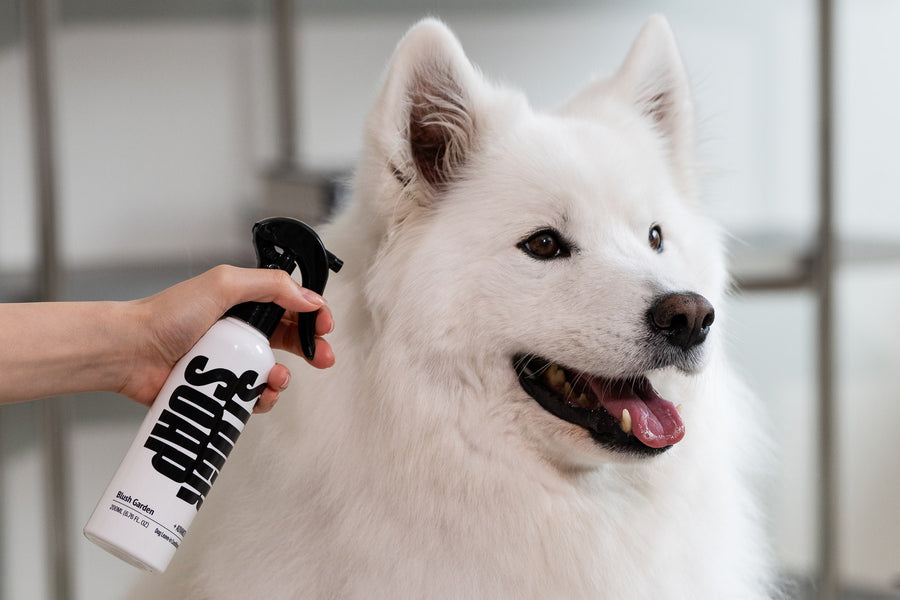
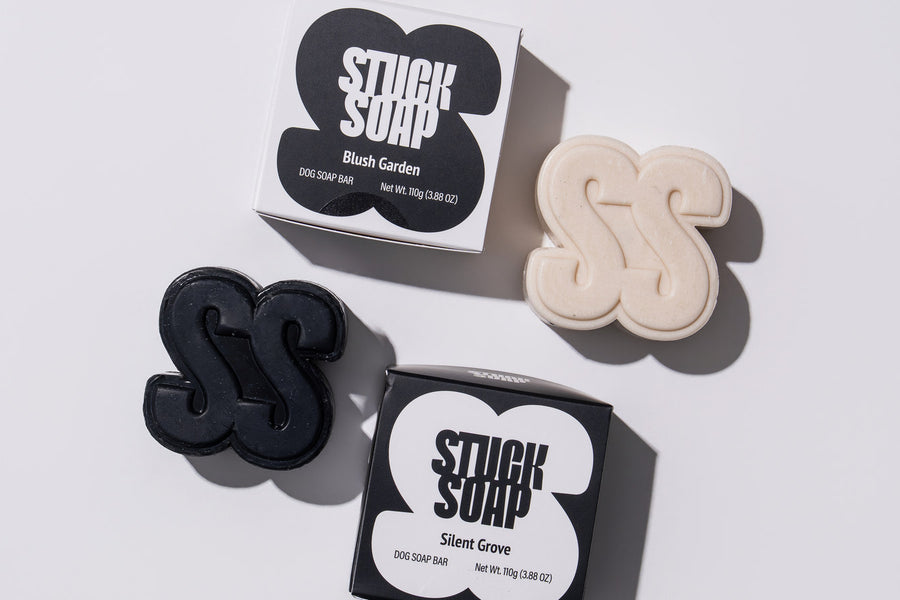
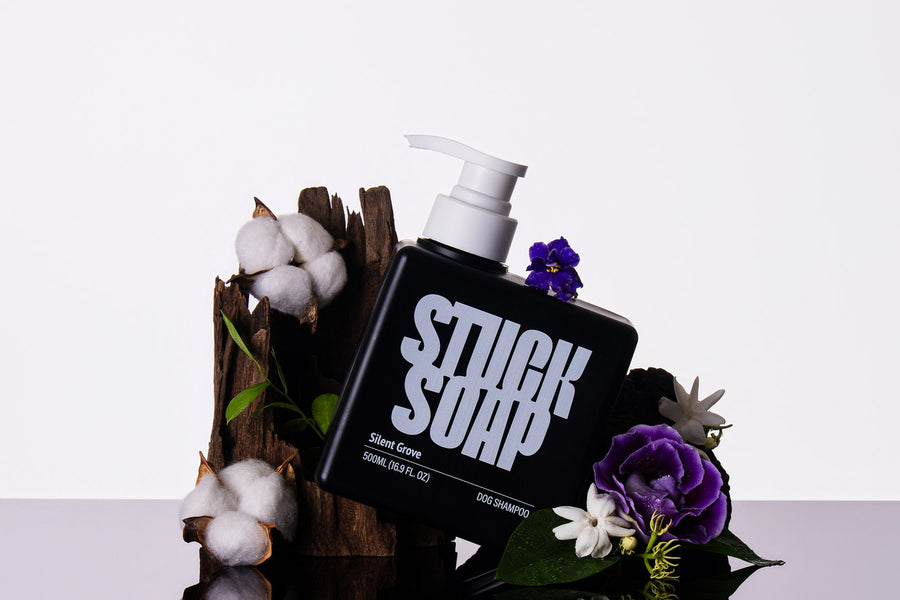
This is where choosing a quality shampoo makes a real difference. Stuck Soap's K-beauty inspired dog shampoos are formulated with skin-barrier-supporting ingredients like Centella Asiatica (known for its soothing, anti-inflammatory properties), Green Tea extract, and Camellia Oil — all sourced from Jeju Island, Korea. These botanical ingredients are designed to support healthy skin from head to paw, including the sensitive areas around the ears.
When bathing your dog, always take care to prevent water from entering the ear canal. You can gently place a cotton ball in each ear opening during the bath as a protective barrier. After the bath, remove the cotton balls and thoroughly dry the area around the ears. If your dog has floppy ears, lift the ear flaps and gently pat them dry to remove trapped moisture.
A post-bath routine is also the perfect time to do a quick ear check. While your dog is already in grooming mode, inspect their ears for any signs of redness, odor, or discharge. Catching problems early makes treatment faster and less stressful for everyone.
Common Ear Cleaning Mistakes to Avoid
Using cotton swabs. This is the number one mistake dog owners make. Q-tips can push wax and debris deeper into the ear canal and risk puncturing the eardrum. Stick to cotton balls and gauze pads.
Using the wrong cleaning solution. Household products like hydrogen peroxide, rubbing alcohol, and apple cider vinegar are too harsh for the delicate ear canal. They can cause chemical burns, dryness, and pain. Always use a veterinary-formulated ear cleaning solution.
Cleaning too aggressively or too frequently. The ear canal has a natural self-cleaning mechanism. Over-cleaning strips away protective oils and can cause irritation that actually increases infection risk.
Ignoring underlying causes. If your dog gets frequent ear infections despite regular cleaning, the problem may be allergies, hormonal imbalances, or another underlying condition. Work with your vet to identify and address the root cause.
Skipping the drying step after baths and swimming. Moisture is the single biggest trigger for ear infections. Always dry your dog's ears thoroughly after any water exposure.
Frequently Asked Questions
Can I use coconut oil to clean my dog's ears?
While coconut oil has mild antimicrobial properties, veterinarians generally don't recommend it as an ear cleaner. It doesn't effectively dissolve wax and debris the way a proper ear cleaning solution does, and the oil residue can actually trap moisture in the canal. Use a vet-recommended ear cleaning solution for best results.
How do I know if my dog has an ear infection or just dirty ears?
Dirty ears typically have light yellowish-brown wax and no strong odor. An ear infection usually presents with dark brown or black discharge, a yeasty or foul smell, redness, swelling, warmth, and your dog showing signs of pain when the ear is touched. If you notice any of these symptoms, see your vet before attempting to clean at home.
Is it safe to clean a puppy's ears?
Yes, you can start gentle ear cleaning when your puppy is around 8–10 weeks old. In fact, starting early helps puppies get accustomed to ear handling, making future cleanings much easier. Use a puppy-safe ear cleaning solution and be extra gentle, as puppy ear canals are smaller and more delicate.
Why does my dog's ear smell bad even after cleaning?
A persistent bad smell after thorough cleaning usually indicates an active infection that requires veterinary treatment. Bacterial infections often produce a pungent odor, while yeast infections have a distinctive musty or sweet smell. Schedule a vet visit — your dog likely needs medicated ear drops or oral medication.
Can ear infections in dogs be life-threatening?
While outer ear infections (otitis externa) are rarely life-threatening, untreated infections can spread to the middle and inner ear (otitis media and interna), potentially causing hearing loss, balance problems, facial nerve damage, and in severe cases, brain infections. Early treatment is always the safest approach.
Sources & References
- Dog Ear Infections: Symptoms, Causes, Treatment, and Prevention — American Kennel Club
- Ear Infections in Dogs (Otitis Externa) — VCA Animal Hospitals
- How to Clean Your Dog's Ears — Cornell University College of Veterinary Medicine
- How to Identify, Treat, and Prevent Dog Ear Infections — PetMD
- How to Help Prevent Dog Ear Infections — American Kennel Club
Give Your Dog the K-Beauty Spa Treatment
Healthy ears start with healthy skin. Stuck Soap's pH-balanced, vegan formulas with Jeju Island botanicals like Centella Asiatica and Green Tea support your dog's natural skin barrier — from nose to tail to those delicate ears.
Shop Stuck Soap →Vegan · pH-Balanced · Jeju Island Botanicals · Zero Waste