


If you've ever wondered why green tea keeps showing up in premium dog shampoos, you're not alone. This ancient botanical has quietly become one of the most researched and trusted ingredients in pet grooming — and for good reason. Green tea for dogs isn't just a marketing buzzword. It's backed by real science, with benefits that range from calming irritated skin to promoting a thicker, shinier coat.
For centuries, green tea has been a cornerstone of East Asian wellness traditions. Now, the same antioxidant-rich properties that make it a staple in K-beauty skincare are being applied to our dogs. Whether your pup deals with seasonal itchiness, a dull coat, or sensitive skin, understanding what green tea can do might just change your grooming routine for good.
In this guide, we'll break down exactly how green tea works on your dog's skin and coat, what the research says, and how to choose products that deliver real results — not just a pleasant scent.
Table of Contents
- What Makes Green Tea So Powerful for Dogs?
- How Green Tea Soothes and Protects Your Dog's Skin
- Green Tea for a Shinier, Healthier Coat
- The Antimicrobial and Antifungal Edge
- How to Choose Green Tea Dog Grooming Products
- Practical Tips for Using Green Tea in Your Dog's Routine
- Frequently Asked Questions
- Sources & References
What Makes Green Tea So Powerful for Dogs?
Green tea's secret lies in a group of compounds called catechins — a type of polyphenol with potent antioxidant activity. There are four principal catechins found in green tea: epicatechin (EC), epigallocatechin (EGC), epicatechin gallate (ECG), and the star of the show, epigallocatechin gallate (EGCG).
EGCG is the most abundant and biologically active catechin in green tea, and it's the one that most scientific studies focus on. According to research published in the Journal of Nutritional Biochemistry, EGCG demonstrates significant anti-inflammatory, antioxidant, and antimicrobial properties — a triple threat for skin health.
But it's not just catechins doing the heavy lifting. Green tea also contains vitamin C, vitamin E, and B vitamins that work synergistically to nourish skin from the outside in. Vitamin E, in particular, is a well-known skin protectant that helps maintain the skin's moisture barrier — something that's just as important for dogs as it is for humans.
What's fascinating is how the K-beauty world recognized these benefits long ago. Korean skincare has used green tea as a foundational ingredient for decades, prizing it for its ability to calm redness, fight environmental damage, and restore balance to sensitive skin. That same philosophy is now being applied to pet grooming, and the results speak for themselves.
How Green Tea Soothes and Protects Your Dog's Skin
If your dog suffers from itchy, irritated, or inflamed skin, green tea may be exactly what their grooming routine is missing. The anti-inflammatory properties of EGCG work by inhibiting pro-inflammatory cytokines — the chemical messengers that trigger redness, swelling, and discomfort in your dog's skin.
A notable study found that when a blend of antioxidants including green tea was incorporated into dogs' diets over 60 days, over 45% of the dogs experienced a significant reduction in itching. While that study focused on dietary intake, the same anti-inflammatory compounds deliver targeted benefits when applied topically through shampoos and conditioners.
Green tea is also a natural ally against environmental damage. Every time your dog plays outside, their skin is exposed to UV radiation, pollution, and allergens. Free radicals — unstable molecules generated by this exposure — attack healthy skin cells and accelerate aging. The antioxidants in green tea neutralize these free radicals before they can cause lasting damage.
For dogs with hot spots or areas of localized irritation, the cooling properties of green tea can provide soothing relief. Unlike harsh chemical ingredients that may strip the skin's natural oils, green tea works with your dog's biology to restore balance and calm inflammation naturally.
This is especially relevant for dogs with a compromised skin barrier. When the skin barrier weakens — from over-bathing, harsh products, or environmental stressors — moisture escapes and irritants get in. Green tea helps strengthen this barrier by promoting collagen production and supporting healthy cell turnover, thanks to its vitamin C and vitamin E content.
Green Tea for a Shinier, Healthier Coat
Beyond skin health, green tea has a direct impact on your dog's coat quality. A study published in Phytomedicine found that EGCG stimulates dermal papilla cells — the cells at the base of hair follicles responsible for hair growth. By activating these cells, green tea may help promote thicker, fuller hair growth.
For dogs dealing with excessive shedding, thinning coats, or dull fur, this is significant. The antioxidants in green tea protect hair follicles from oxidative stress caused by daily exposure to UV rays and environmental pollutants. Think of it as a protective shield for each individual strand of fur.
Green tea also contributes to coat shine through its natural conditioning properties. The polyphenols help smooth the hair cuticle — the outermost layer of each hair strand — resulting in fur that reflects light more evenly. This is why dogs bathed with green tea-infused shampoos often look noticeably glossier after just a few washes.
Pro-vitamin B5 (panthenol), often found alongside green tea in quality grooming formulations, works synergistically to penetrate the hair shaft, adding moisture from within. The combination of green tea's protective antioxidants and deep-moisturizing vitamins creates a one-two punch for coat health that's hard to beat.
The Antimicrobial and Antifungal Edge
One of green tea's most underappreciated benefits is its natural antimicrobial and antifungal activity. Research published in BMC Veterinary Research demonstrated that tea catechins show significant antimicrobial activity against common canine pathogens.
This matters because many common skin issues in dogs — including dandruff, yeast overgrowth, and bacterial folliculitis — are caused or worsened by microbial imbalances on the skin. By incorporating green tea into your grooming routine, you're adding a natural layer of defense against these microorganisms.
Dandruff in dogs, for example, is frequently caused by the Malassezia yeast or Demodex mites. Green tea's antifungal properties help control yeast populations, while its antimicrobial action can inhibit bacterial growth that contributes to skin odor and infections. It's a gentler approach than medicated shampoos, making it suitable for regular use as a preventive measure.
For dogs that spend a lot of time outdoors — swimming, hiking, or rolling in who-knows-what — this antimicrobial benefit is particularly valuable. A post-adventure bath with a green tea-enriched shampoo doesn't just clean; it actively helps protect your dog's skin from the microbial hitchhikers they pick up along the way.
How to Choose Green Tea Dog Grooming Products
Not all green tea dog shampoos are created equal. The concentration and quality of green tea extract matter enormously, and many mass-market products use only trace amounts — just enough to put "green tea" on the label without delivering meaningful benefits.
Here's what to look for when choosing a green tea grooming product for your dog:
Check the ingredient list placement. Ingredients are listed in descending order of concentration. If green tea extract appears near the bottom of a long list, the product likely contains very little of it. Look for formulations where botanical extracts are featured prominently.
Look for complementary K-beauty ingredients. Green tea works beautifully alongside other botanicals like camellia oil, centella asiatica (cica), and other plant-based extracts. These ingredients enhance each other's effects — camellia oil adds deep moisture, while centella asiatica supports skin healing. Products that combine multiple proven botanicals tend to deliver better results than those relying on a single ingredient.
Prioritize pH-balanced formulations. Dogs have a skin pH between 6.2 and 7.4, which is more neutral than human skin. Even the best green tea extract won't help if it's delivered in a formula that disrupts your dog's natural pH balance. Always choose shampoos specifically formulated for canine skin.
Avoid unnecessary chemicals. Sulfates, parabens, and synthetic fragrances can counteract the gentle, soothing benefits of green tea. The whole point of using a botanical ingredient is to work with your dog's skin, not against it. Look for vegan, plant-based formulations free from harsh additives.
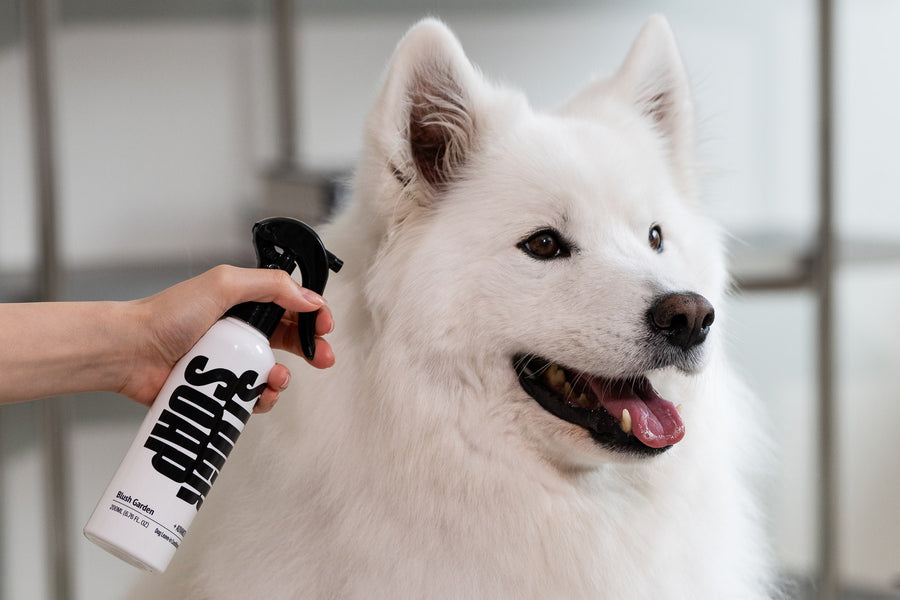
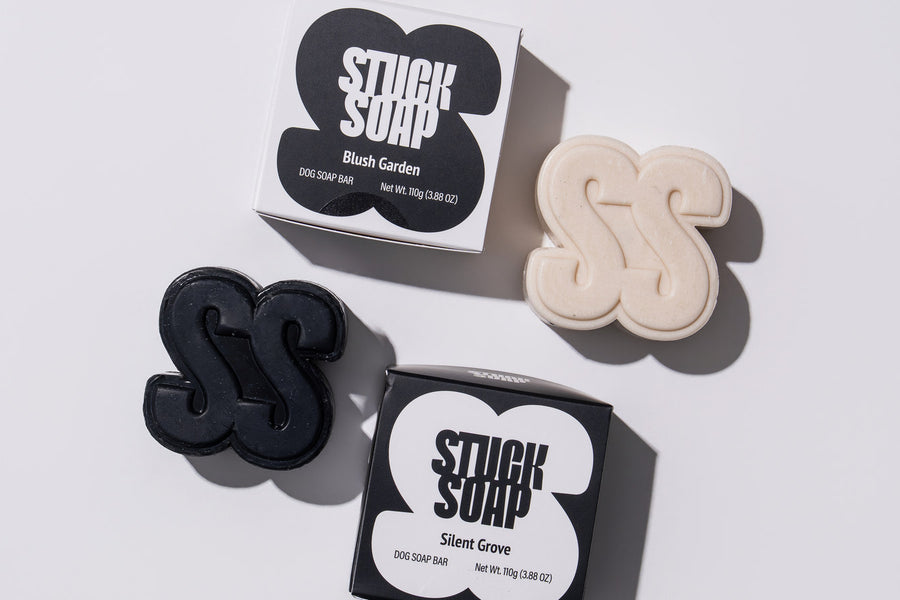
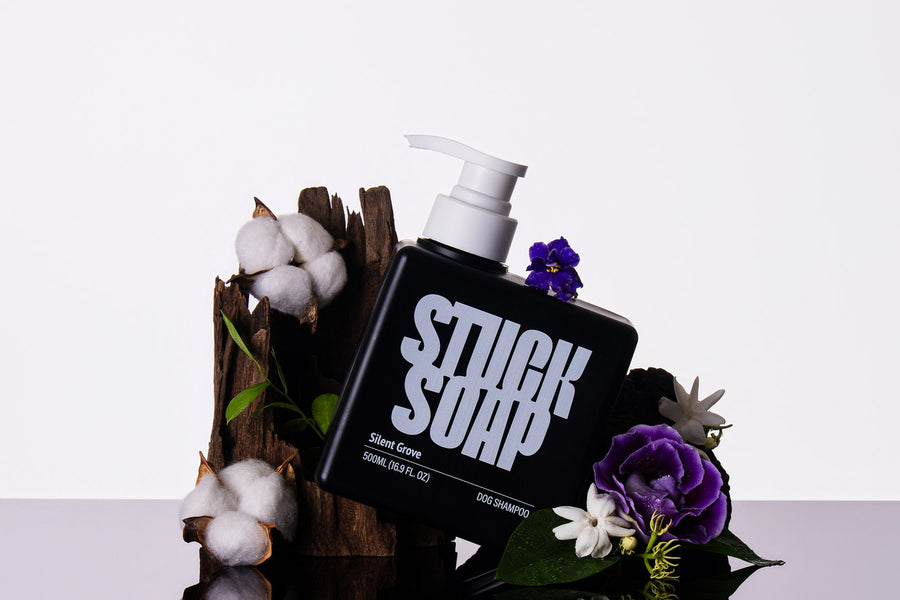
Stuck Soap's K-beauty dog shampoos are formulated with green tea sourced from Jeju Island, Korea — alongside camellia oil and centella asiatica — in pH-balanced, vegan formulations. Whether you prefer the convenience of a liquid shampoo or the zero-waste sustainability of a solid shampoo bar, both deliver the full spectrum of green tea's skin and coat benefits.
Practical Tips for Using Green Tea in Your Dog's Routine
Start with a patch test. While green tea is gentle and well-tolerated by most dogs, it's always smart to test a new product on a small area first — especially for dogs with known sensitivities or allergies.
Let the lather sit for 3-5 minutes. To maximize the benefits of green tea catechins, don't rush the rinse. Allow the shampoo to sit on your dog's coat for a few minutes so the active ingredients have time to penetrate the skin and hair follicles.
Be consistent. Like most botanical ingredients, green tea delivers cumulative benefits. You likely won't see dramatic changes after a single bath, but after three to four washes, you should notice improvements in coat shine, skin softness, and overall skin condition.
Complement topical care with nutrition. A healthy coat starts from the inside out. While green tea shampoos work wonders topically, supporting your dog's skin health with omega-3 fatty acids and a balanced diet amplifies the results.
Don't over-bathe. Even with the gentlest green tea shampoo, bathing too frequently can disrupt your dog's natural oil production. For most breeds, once every two to four weeks is the sweet spot — unless your vet recommends otherwise.
Rinse thoroughly. Green tea shampoos rinse clean, but any product residue left on the skin can cause irritation over time. Take an extra minute to ensure all suds are completely washed away, paying special attention to areas where fur is thickest.
Frequently Asked Questions
Is green tea safe for dogs' skin?
Yes, green tea is generally very safe for topical use on dogs. When used in properly formulated dog shampoos, the catechins and polyphenols in green tea provide anti-inflammatory, antioxidant, and antimicrobial benefits without irritation. It is one of the gentlest botanical ingredients available for canine grooming.
What does EGCG in green tea do for my dog's coat?
EGCG (epigallocatechin gallate) is the most active compound in green tea. Research shows it stimulates dermal papilla cells at the base of hair follicles, which may promote healthier, thicker hair growth. It also protects hair from oxidative damage caused by UV rays and environmental pollutants, helping maintain coat shine and strength.
Can green tea dog shampoo help with itchy skin?
Green tea's anti-inflammatory properties can help soothe itchy, irritated skin by inhibiting pro-inflammatory cytokines. Studies have shown that dogs exposed to green tea antioxidants experienced significant reductions in itching. For dogs with seasonal allergies or sensitive skin, a green tea-infused shampoo may provide noticeable relief.
How often should I use green tea shampoo on my dog?
For most dogs, bathing with green tea shampoo every two to four weeks provides optimal benefits without over-stripping natural oils. Dogs with specific skin conditions may benefit from more frequent use — consult your veterinarian for personalized recommendations based on your dog's breed and skin type.
Is green tea in dog shampoo the same as giving my dog green tea to drink?
No. Topical green tea in shampoos is specifically formulated for safe external use on your dog's skin and coat. Giving dogs green tea to drink is a separate consideration that requires caution due to caffeine content. Dogs are more sensitive to caffeine than humans, so always consult your vet before adding any green tea to your dog's diet.
Sources & References
- Green Tea for Dogs: Benefits and Uses — Adored Beast Apothecary
- Scientific Research Shows the Benefits of Green Tea for Dogs — TrueBlue Pets
- Green Tea Catechins and Skin Health — PMC / National Institutes of Health
- Antimicrobial Activity of Tea Catechin Against Canine Oral Bacteria — PMC / BMC Veterinary Research
- The Benefits of Green Tea for Dogs — Front of the Pack
Give Your Dog the K-Beauty Spa Treatment
Stuck Soap harnesses the power of Jeju Island green tea — alongside camellia oil and centella asiatica — in every bottle and bar. Vegan, pH-balanced, and free from harsh chemicals, it's K-beauty skincare science made for your dog.
Shop Stuck Soap →Vegan · pH-Balanced · Jeju Island Botanicals · Zero Waste