


One day your dog's coat looks healthy and glossy. The next, you part the fur and find a red, oozing patch the size of a quarter — and your dog is frantically licking it. If this scene sounds familiar, you've met a hot spot. Hot spots on dogs (clinically known as acute moist dermatitis or pyotraumatic dermatitis) are one of the most common skin emergencies veterinarians see, and they can escalate from a small itch to a painful infection in a matter of hours.
The good news: most hot spots are preventable, and many can be managed at home in their earliest stage if you know what to look for. The keys are understanding why they form, addressing the underlying trigger, and supporting your dog's skin barrier with gentle, pH-balanced grooming.
This guide breaks down what hot spots actually are, the most common causes, when to call your vet, and the daily routines that help your dog stay flare-free year-round.
Table of Contents
What Are Hot Spots on Dogs?
A hot spot is a localized area of skin that becomes inflamed, infected, and intensely itchy — usually within hours. The skin appears red, moist, and often hairless, sometimes oozing pus or a clear fluid that mats the surrounding fur. Veterinarians call the condition acute moist dermatitis because it develops quickly and the affected skin stays damp from constant licking, scratching, or chewing.
Hot spots can appear anywhere on the body, but the head, neck, hips, and the base of the tail are the most common locations. They're painful — many dogs flinch when touched — and they tend to grow rapidly because the cycle of itching, licking, and trauma keeps feeding itself.
According to the American Kennel Club and PetMD, most hot spots are caused by an underlying trigger that makes the dog itch in the first place. The lesion you see is the result of self-trauma, not the original problem.
What Causes Hot Spots?
Identifying the trigger is the most important step in stopping recurrence. Common culprits include:
- Flea and parasite allergies. A single flea bite in an allergic dog can spark a hot spot within hours. Flea allergy dermatitis remains the number one trigger documented by veterinary dermatologists.
- Environmental and food allergies. Pollen, grass, dust mites, or food sensitivities cause itch that leads dogs to lick and scratch obsessively.
- Trapped moisture. Damp fur after swimming, bathing, or rain creates a warm, humid layer against the skin where bacteria thrive. This is one of the most preventable causes.
- Ear infections. Dogs with itchy ears often scratch the side of the head and neck so aggressively that they create hot spots in the surrounding skin.
- Anal gland problems. Inflamed glands cause dogs to lick or chew the rump and tail base.
- Boredom, anxiety, or stress. Compulsive licking — especially on the legs and paws — can break the skin barrier and invite bacterial infection.
- Poor grooming and matted coats. Mats trap moisture and debris against the skin, blocking airflow and creating a perfect environment for bacterial overgrowth.
Veterinary partner VIN notes that hot spots often appear in warm, humid weather, which is why many U.S. dog owners see a spike in cases during late spring and summer.
Breeds and Conditions Most at Risk
Any dog can develop a hot spot, but thick, double-coated breeds are especially vulnerable because their dense undercoats trap heat and moisture close to the skin. German Shepherds, Golden Retrievers, Labrador Retrievers, Saint Bernards, Newfoundlands, and Bernese Mountain Dogs are all on the high-risk list.
Dogs with known allergies, dogs who swim frequently, dogs prone to ear infections, and seniors with limited grooming ability also see hot spots more often. If your dog has had one hot spot, the chance of another is significantly higher — making prevention the priority.
How to Treat a Hot Spot at Home (and When to See a Vet)
If you catch a hot spot in its earliest stage — small, red, slightly moist but not oozing — you can often manage it at home while you address the underlying cause. Here's a vet-informed first-aid approach:
- Trim the surrounding fur. Use blunt-tipped scissors or pet clippers to expose the lesion. Air contact speeds healing and prevents trapped moisture.
- Clean gently. Rinse with cool water and a mild, pH-balanced cleanser. Avoid harsh human soaps, alcohol, or hydrogen peroxide — these damage the skin barrier and make healing slower.
- Pat completely dry. Moisture is the enemy. Use a clean microfiber towel and finish with a cool blow-dryer if your dog tolerates it.
- Apply a vet-approved topical. Many vets recommend a chlorhexidine-based spray or an over-the-counter hot spot product that is safe if licked.
- Stop the licking. A recovery cone (E-collar), a soft inflatable collar, or a snug t-shirt over the area helps break the itch-scratch-lick cycle so the skin can heal.
- Watch for 24–48 hours. A small early-stage hot spot should start to dry out and shrink within a day or two of consistent care.
See your vet promptly if: the hot spot is larger than a quarter, oozing pus, growing quickly, accompanied by fever or lethargy, located near the eyes or genitals, or hasn't improved within 48 hours of home care. Veterinarians often prescribe a short course of oral antibiotics, anti-itch medication (like a steroid or Apoquel), and pain control. With professional treatment, most hot spots resolve in three to seven days.
How to Prevent Hot Spots from Coming Back
Because hot spots are almost always a symptom of an underlying issue, prevention is a long game. Build these habits into your routine:
- Stay current on flea and tick prevention. Year-round, even in cold months. This is the single highest-impact step you can take.
- Brush regularly. A few minutes of brushing several times a week prevents mats, removes dead undercoat, and lets you spot small skin issues before they explode.
- Dry your dog thoroughly after every bath or swim. Pay special attention to the chest, armpits, behind the ears, and the base of the tail — places where moisture loves to hide.
- Manage allergies proactively. If your dog has seasonal allergies, talk to your vet about an allergy plan. Wiping paws and belly after walks can also help reduce pollen contact.
- Address ear health. Clean ears as recommended by your vet, especially in floppy-eared and water-loving breeds.
- Reduce boredom and stress. More walks, puzzle toys, and enrichment can lower compulsive licking in anxious dogs.
- Use gentle, pH-balanced shampoo. Harsh detergents strip the skin's protective lipid layer, leaving the barrier vulnerable.
The Role of Bathing and Skin Care
Bathing sits at the center of hot spot prevention — but only when it's done right. The wrong approach (over-bathing, harsh ingredients, leaving the coat damp) can actually cause hot spots. The right approach soothes the skin barrier and removes the irritants that trigger itching.
Look for a dog shampoo that is pH-balanced for canine skin (around pH 7), free of sulfates and artificial dyes, and built around skin-supportive botanicals. Ingredients with established calming and antioxidant properties — like green tea, centella asiatica (cica), and camellia oil — are staples of K-beauty skincare for a reason: they soothe inflammation and help reinforce a stressed barrier.
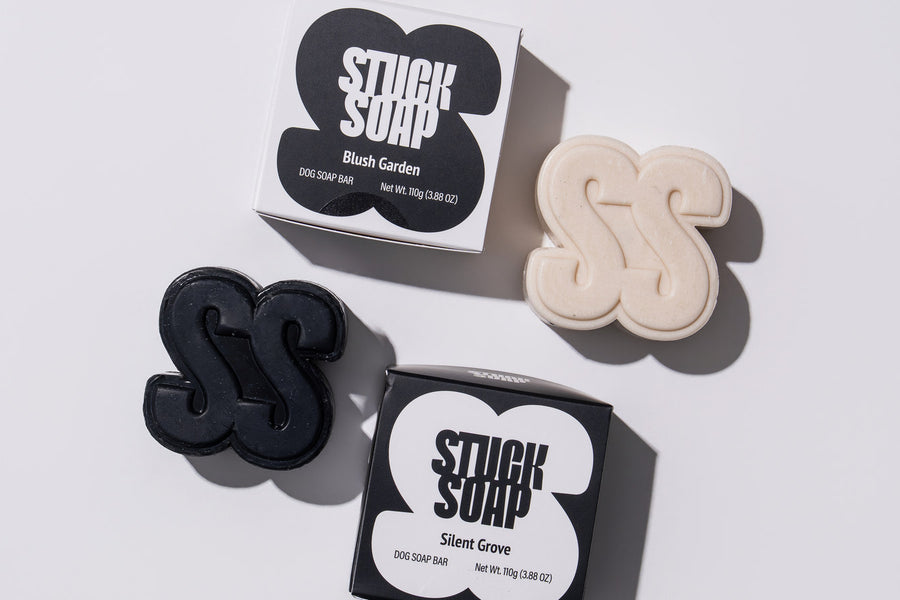
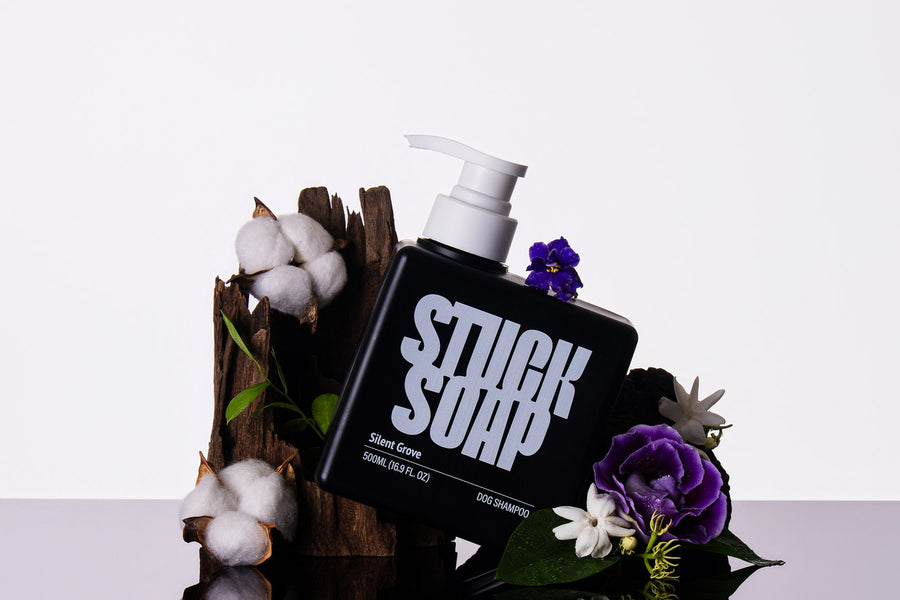
Stuck Soap's vegan, pH-balanced shampoo line was formulated with these principles in mind, using Jeju Island botanicals to support sensitive coats. Whichever product you choose, the routine matters as much as the formula: bathe only as often as your dog's skin requires (typically every 3–6 weeks for most breeds), rinse thoroughly so no residue remains, and dry the coat completely down to the skin.
Quick Action Checklist for Hot-Spot-Prone Dogs
- Year-round flea prevention — no exceptions
- Brush 3–5 times per week, daily for double coats
- Bathe with a gentle, pH-balanced, fragrance-light shampoo
- Towel and blow-dry until the undercoat is fully dry
- Inspect skin weekly: parts of the coat to check are the neck, hips, tail base, and behind the ears
- Keep ears clean and dry
- Address allergies with your vet before flare-up season
Frequently Asked Questions
How long do hot spots take to heal on dogs?
With prompt veterinary treatment, most hot spots improve within three to seven days and fully resolve in one to two weeks. Early-stage hot spots caught at home may improve in 24–48 hours, but if the lesion is growing or oozing, see your vet.
Can I treat a hot spot on my dog at home?
Small, early-stage hot spots can often be managed at home by trimming the fur, gently cleaning the area with a mild pH-balanced cleanser, drying it thoroughly, applying a vet-safe topical, and preventing further licking. Larger, oozing, or rapidly spreading hot spots need professional veterinary care.
Does bathing my dog help or hurt hot spots?
Both. Gentle bathing with a pH-balanced shampoo can remove allergens and soothe irritated skin, but leaving the coat damp afterwards is one of the top causes of hot spots. Always dry your dog thoroughly down to the skin, especially under thick double coats.
What dog shampoo is best for preventing hot spots?
Choose a vegan, pH-balanced shampoo free of sulfates and artificial dyes, with skin-soothing botanicals like green tea, camellia oil, or centella asiatica. Avoid harsh degreasing formulas, which strip the skin barrier and increase itch.
Why does my dog keep getting hot spots in the same place?
Recurrent hot spots in the same location usually point to an unresolved underlying cause — most often allergies, fleas, an ear infection, anal gland inflammation, or compulsive licking from anxiety. Ask your vet to investigate the trigger rather than only treating the surface.
Final Thoughts
Hot spots can be alarming, but they're rarely random. They're your dog's skin sending a signal that something deeper — an allergen, a parasite, trapped moisture, or stress — needs attention. By keeping flea prevention current, brushing regularly, drying thoroughly after every bath, and using a gentle pH-balanced shampoo, you address the root causes long before a flare-up has a chance to start.
If your dog does develop a hot spot, act fast: trim, clean, dry, protect the area, and call your vet if it doesn't improve within 48 hours. Most importantly, treat hot spots as a clue — not just a wound — and partner with your vet to identify what's really driving the itch.
Sources & References
- Hot Spots on Dogs: Signs, Treatment, and Prevention — American Kennel Club
- Hot Spots on Dogs: Causes, Treatment, and Home Remedies — PetMD
- First Aid for Hot Spots in Dogs — VCA Animal Hospitals
- Hot Spots (Pyotraumatic Dermatitis) in Dogs and Cats — Veterinary Partner (VIN)
- Pyotraumatic Dermatitis (Acute Moist Dermatitis, Hot Spot) — Veterinary Practice
Give Your Dog the K-Beauty Spa Treatment
Hot-spot-prone skin needs gentle, pH-balanced care — not harsh detergents. Stuck Soap's vegan formulas are built around Jeju Island botanicals like green tea, camellia oil, and centella asiatica to soothe the skin barrier and support a healthy, comfortable coat between baths.
Shop Stuck Soap →Vegan · pH-Balanced · Jeju Island Botanicals · Zero Waste