


Few things make a dog happier than a summer swim. The splash, the chase, the full-body shake—it's pure joy. But what happens after the swim matters just as much as the swim itself. Proper dog care after swimming is the difference between a glossy, healthy coat and weeks of dry, itchy skin, dull fur, or even ear infections.
Pool chlorine, lake bacteria, and ocean salt all strip away the natural oils that protect your dog's skin barrier. Without a proper post-swim routine, those oils can't recover fast enough—and your dog pays the price. The good news is that an effective rinse-and-dry routine takes less than 10 minutes and can completely transform how your dog looks and feels throughout swimming season.
This guide walks you through exactly what veterinarians and groomers recommend for post-swim care: how to rinse correctly, how to dry (including the often-forgotten ears), how to spot trouble before it starts, and which ingredients actually help repair your dog's skin barrier after a long day in the water.
Table of Contents
- Why Post-Swim Care Matters for Your Dog's Skin
- How to Rinse Your Dog After Swimming
- The Complete Drying Routine (Don't Forget the Ears)
- Pool vs. Lake vs. Ocean: What's Different
- When to Shampoo and What Ingredients to Look For
- Warning Signs to Watch For
- Frequently Asked Questions
- Sources & References
Why Post-Swim Care Matters for Your Dog's Skin
Your dog's coat isn't just fur—it's a sophisticated barrier that holds in moisture, blocks irritants, and maintains a slightly acidic pH. The American Kennel Club notes that dogs who swim frequently in chlorinated pools can develop dry, itchy skin and a dull coat because pool chemicals strip the skin and coat of their natural oils.
Lake and pond water come with a different challenge. Freshwater can harbor bacteria, algae (including potentially toxic blue-green algae), and microscopic debris that cling to your dog's coat and irritate the skin underneath. Saltwater is equally drying, leaving behind a crusty residue that can trigger itching if it isn't rinsed out.
All three water types have one thing in common: they disrupt the delicate lipid layer that keeps your dog's skin soft and resilient. A quick post-swim rinse is the single most effective thing you can do to help that barrier recover.
How to Rinse Your Dog After Swimming
Rinsing sounds simple, but most dog owners don't rinse thoroughly enough. Veterinary sources recommend rinsing longer than you think is necessary—usually three to five minutes with clean, lukewarm freshwater to ensure every trace of chlorine, salt, or lake debris is gone.
Here's the step-by-step process:
1. Use lukewarm freshwater. Cold water can shock your dog and doesn't rinse chemicals as effectively. A standard garden hose is fine as long as the water has been running a few seconds to clear any heat buildup in the hose.
2. Rinse from neck to tail, against the direction of the coat. This gets water all the way down to the skin where chemicals and debris actually settle. Pay special attention to the belly, armpits, and groin—areas where water tends to pool and chemicals linger.
3. Save the face for last and use a gentle stream. Never spray water directly into your dog's face. Instead, use your hand to splash or wipe the muzzle and forehead with a damp cloth. Keep water out of the eyes and nose.
4. Check the paws. Chlorine, sand, and lake debris collect between paw pads. Run your fingers between each pad and rinse thoroughly. This is where hot spots and bacterial irritation often begin.
5. Do a final full-body rinse. When you think you're done, rinse one more time. The second pass catches anything the first missed.
The Complete Drying Routine (Don't Forget the Ears)
Rinsing is only half the job. A wet coat left to air-dry traps moisture against the skin and creates the perfect environment for bacteria and yeast to grow—especially on the belly, under floppy ears, and between skin folds. Proper drying is one of the most overlooked parts of dog care after swimming.
Towel dry first. Use a highly absorbent microfiber or chamois-style towel. Press rather than rub—rubbing can tangle the coat and irritate the skin. Work from the head down, changing towels if the first one gets saturated.
Dry the ears carefully. According to veterinary guidance, dogs who swim are at higher risk of ear infections because water trapped in the ear canal creates a warm, dark, moist environment where bacteria and yeast thrive. Gently dry the inside of each ear flap with a soft towel or veterinary-approved cotton ball. Never push cotton swabs into the ear canal. If your dog has floppy ears (Cocker Spaniels, Basset Hounds, Golden Retrievers), lift the ear flap and let air circulate for a few minutes.
Blow-dry on a low, cool setting—optional but helpful. For double-coated breeds like Australian Shepherds, Huskies, or Golden Retrievers, a cool blow-dry helps reach the undercoat where moisture hides. Keep the dryer moving and hold it at least 12 inches away from the skin. Never use a human hair dryer on a hot setting.
Finish with a gentle brush. Once your dog is mostly dry, a light brushing removes loose hair, prevents matting, and helps distribute the skin's natural oils back through the coat.
Pool vs. Lake vs. Ocean: What's Different
Not all swims are created equal. Your post-swim care should adjust slightly depending on where your dog has been.
Chlorinated pools. Chlorine is the biggest offender for dry skin and dull coats. It's also harsh on eyes. Rinse immediately after exiting the pool—don't let chlorine sit on the coat for more than a few minutes. If your dog swims in a pool multiple times a week, consider a hydrating conditioner or leave-in skin spray formulated for dogs.
Lakes and ponds. Freshwater bodies vary wildly in water quality. Watch for signs posted about blue-green algae, which can be fatal to dogs if ingested. After lake swims, rinse thoroughly and inspect for leeches, burrs, and debris in the coat. Dry the ears extra carefully since lake water often carries more bacteria than treated pool water.
Oceans and salt water. Salt is surprisingly drying and leaves a crusty residue that itches as it dries. Rinse longer—at least five minutes—to fully remove salt from the coat and paw pads. Sand is abrasive and can cause micro-irritation, so check between the pads and in the groin area.
When to Shampoo and What Ingredients to Look For
You don't need to shampoo your dog after every swim—in fact, over-bathing can strip even more natural oils. A plain freshwater rinse is usually enough. But a full bath with a gentle shampoo is a good idea once a week during active swimming season, or whenever your dog smells like pond water or still feels slick after rinsing.
When you do shampoo, ingredients matter. Look for:
pH-balanced formulas for dogs. Human shampoo is too acidic and disrupts your dog's skin barrier. A dog-specific, pH-balanced formula supports the skin's natural defenses.
Camellia oil. A staple of K-beauty, camellia oil is rich in oleic acid and antioxidants that help lock in moisture and restore shine to swim-dried coats.
Green tea extract. Naturally soothing and rich in polyphenols, green tea is often used in premium grooming products to help calm irritated skin and support recovery after environmental stress.
Centella asiatica (Cica). Another K-beauty favorite known for supporting the skin barrier—particularly useful for dogs whose skin feels dry or tight after lots of chlorine exposure.
What to avoid: parabens, sulfates (SLS/SLES), synthetic dyes, and heavy artificial fragrances—all of which can further irritate already-stressed skin.
Warning Signs to Watch For
Most post-swim issues are preventable, but occasionally things slip through. Keep an eye on your dog in the 24–48 hours after swimming and watch for:
Persistent head shaking or ear scratching — an early sign of swimmer's ear or yeast overgrowth in the ear canal.
Redness or bumps on the belly — can indicate contact irritation from chlorine, algae, or bacteria.
Hot spots — moist, inflamed patches that appear suddenly and may ooze. Often caused by trapped moisture on the skin.
Excessive licking of paws — may signal irritation between pads from pool chemicals or sand.
Dry, flaky coat that doesn't bounce back — a sign the skin barrier is depleted and needs extra hydration.
If any of these appear and don't improve within a day or two, check in with your veterinarian. Early treatment is always easier than treating a full infection.
Frequently Asked Questions
Do I really need to rinse my dog after every swim?
Yes. A quick freshwater rinse after every swim removes chlorine, salt, and lake residue that would otherwise dry out your dog's skin and coat. You don't need to shampoo every time—plain water is enough for daily rinses.
Can I let my dog air dry after swimming?
It's better to towel dry at minimum, especially the ears and belly. Letting your dog air dry fully can trap moisture in skin folds and ear canals, which encourages bacteria and yeast growth and increases the risk of hot spots and ear infections.
Is chlorine safe for dogs?
Chlorine at normal pool levels is generally safe for brief swims, but it's drying to the skin and coat over time. Rinse thoroughly after each pool session and watch for signs of dry skin or excessive scratching. Never let your dog drink large amounts of pool water.
How do I clean my dog's ears after swimming?
Gently wipe the inside of the ear flap with a soft towel or veterinary-approved ear-drying solution. Never push cotton swabs into the ear canal. For floppy-eared breeds, lift the ear and let air circulate for a few minutes to help moisture evaporate.
What's the best shampoo for dogs who swim often?
Choose a pH-balanced, dog-specific shampoo with moisturizing ingredients like camellia oil, green tea, or centella asiatica. Avoid sulfates, parabens, and human shampoos, which can further strip natural oils and irritate already-stressed skin.
Enjoy Swim Season Without the Skin Stress
A few extra minutes after each swim is all it takes to keep your dog comfortable, clean, and confident in the water all season long. Rinse thoroughly, dry carefully (especially the ears), and reach for gentle, skin-barrier-friendly products when it's time for a full bath. The result is a dog whose coat stays soft, shiny, and itch-free—no matter how many cannonballs they do.
Swimming should be one of the best parts of your dog's summer. With a smart post-swim routine, it will be.
Sources & References
Give Your Dog the K-Beauty Spa Treatment
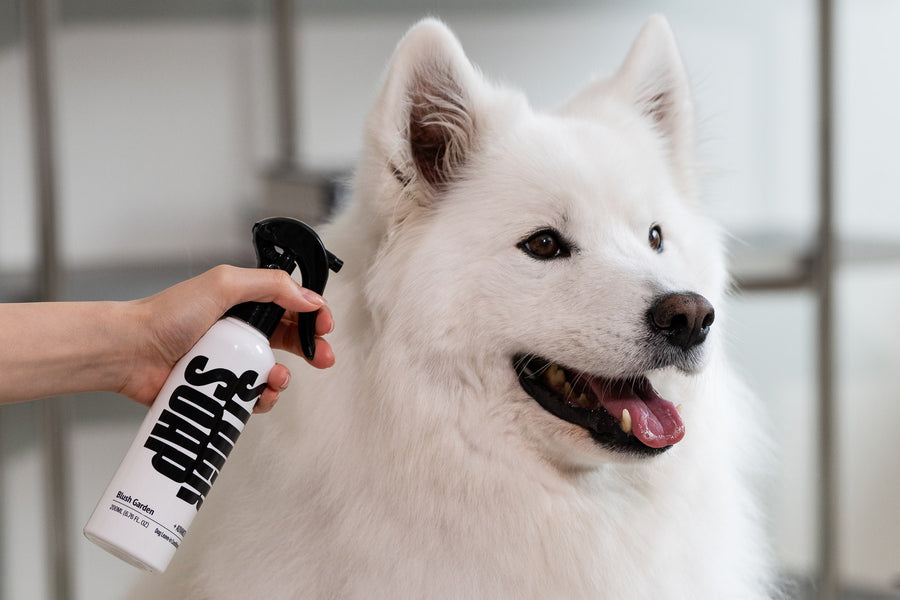
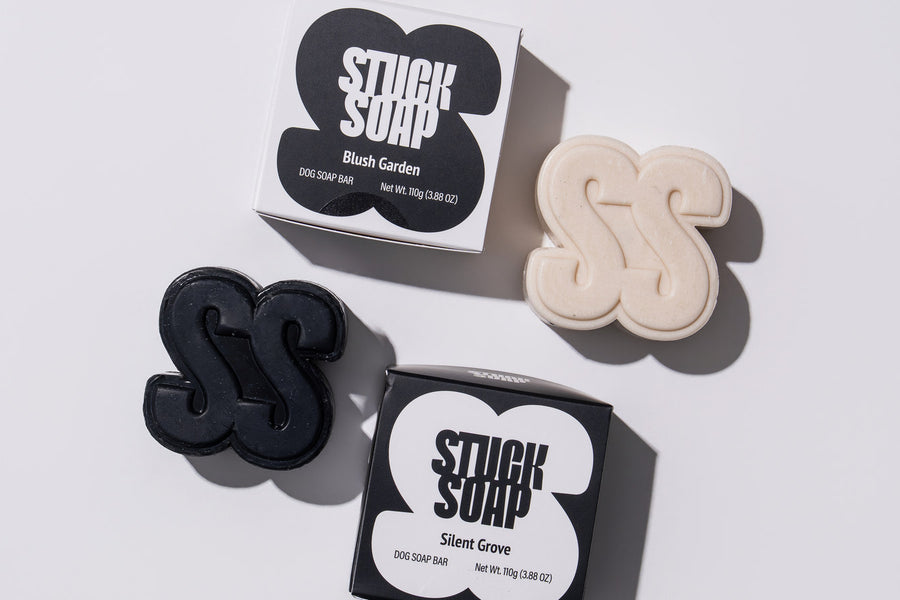
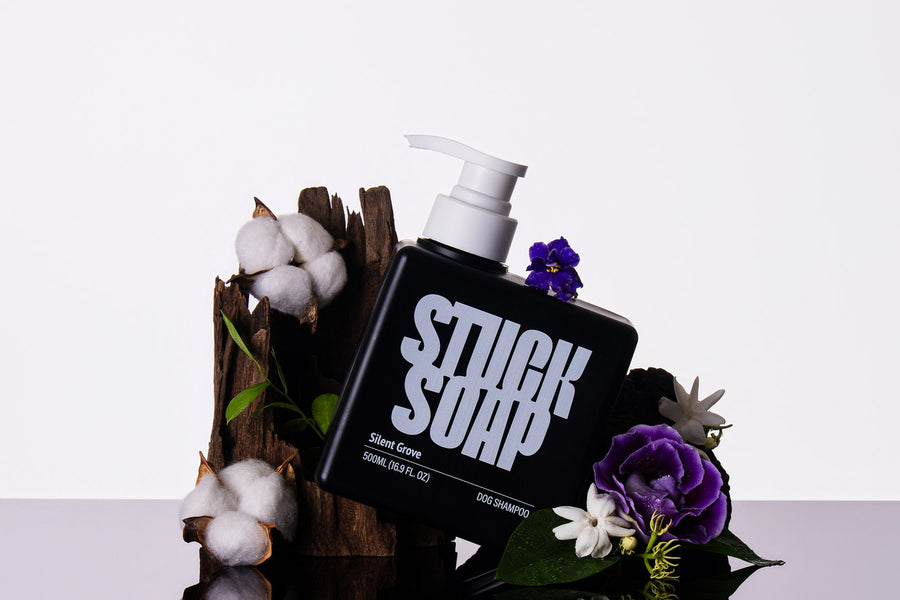
Swim season is tough on your dog's skin barrier. Stuck Soap's pH-balanced, vegan dog shampoo is formulated with camellia oil, green tea, and centella asiatica from Jeju Island—designed to help replenish moisture and support a healthy, shiny coat after every pool, lake, or ocean day.
Shop Stuck Soap →Vegan · pH-Balanced · Jeju Island Botanicals · Zero Waste