


If your dog scratches through every allergy season, sheds a dull, dry-looking coat, or flakes up the moment the weather turns, you have probably fallen down the supplement rabbit hole. Lately, one ingredient keeps surfacing in both the pet aisle and the K-Beauty skincare shelf: hemp seed oil. Hemp seed oil for dogs has quietly become one of the most searched natural options for skin and coat support, and the reason is simple. It is one of nature's richest and most balanced sources of essential fatty acids.
In Korean skincare, cannabis sativa seed oil (the exact same thing as hemp seed oil) is prized as a lightweight, barrier-repairing oil that calms and hydrates without clogging pores. The K-Beauty logic is straightforward: if an ingredient can gently strengthen a person's skin barrier, it is worth asking whether it can do something similar for a dog's. That is the bridge we are exploring today.
But before you drizzle anything into your dog's bowl or bath, there is one crucial thing to clear up. Hemp seed oil is not CBD oil, and confusing the two is the single most common mistake dog owners make. This guide breaks down what hemp seed oil actually is, what the science says about omega fatty acids and canine skin, and how to use it thoughtfully as part of a gentle, K-Beauty inspired grooming routine.
Table of Contents
- What Is Hemp Seed Oil? (And Why K-Beauty Loves It)
- Hemp Seed Oil vs. CBD Oil: The Difference Every Owner Should Know
- How Hemp Seed Oil May Support Your Dog's Skin and Coat
- The Science of Omega Fatty Acids and the Skin Barrier
- How to Use Hemp Seed Oil for Dogs Safely
- Where STUCK SOAP Fits: The K-Beauty Barrier Philosophy
- Frequently Asked Questions
- Sources & References
What Is Hemp Seed Oil? (And Why K-Beauty Loves It)
Hemp seed oil is a cold-pressed oil made from the seeds of the industrial hemp plant. That detail matters more than it sounds. Because it comes from the seeds and not the flowers or leaves, hemp seed oil contains no meaningful cannabinoids. There is no THC to worry about and no CBD either. What you get instead is a golden, nutty oil packed with nutrition.
Its headline feature is fatty acids. Hemp seed oil delivers omega-3, omega-6, and omega-9 in a ratio that is unusually well matched to what skin and coat cells actually need. It also carries gamma-linolenic acid (GLA), vitamin E, phytosterols, and trace minerals including phosphorus, potassium, magnesium, calcium, and zinc. That nutrient stack is why it shows up in serums, moisturizers, and now dog wellness formulas alike.
K-Beauty formulators have embraced it for a specific reason: barrier repair. In skincare science, hemp seed oil is valued because its high linoleic acid and phytosterol content help replenish the skin's lipid matrix, the mortar that holds skin cells together. It is also widely considered non-irritating, non-sensitizing, and non-comedogenic, meaning it hydrates without clogging. Korean labs have leaned in so hard that biopharma startups have developed K-Beauty skincare lines built around hemp seed oil from hybrid Korean hemp varieties. In other words, this is not a fringe ingredient. It is a barrier-first workhorse, and barrier care is exactly where the K-Beauty and canine skincare stories overlap.
Hemp Seed Oil vs. CBD Oil: The Difference Every Owner Should Know
This is the section to read twice. Hemp seed oil and CBD oil are frequently sold side by side, often on the same shelf and sometimes in confusingly similar bottles, but they are not the same product.
Hemp seed oil comes from hemp seeds and is essentially a nutritional oil. It contains fatty acids, vitamins, and minerals, but no cannabinoids. CBD oil, by contrast, is extracted from the flowers, leaves, and stems of the cannabis plant and contains cannabidiol, an active compound that interacts with your dog's endocannabinoid system.
The practical takeaway: hemp seed oil is a food-grade source of omega fatty acids that supports skin, coat, and general wellness through nutrition. CBD is a functional supplement people reach for around comfort, mobility, situational stress, and relaxation. Hemp seed oil will not make your dog feel calmer or "high" because it does not act on the nervous system at all.
One more caution worth repeating: neither hemp seed oil nor CBD is FDA approved for dogs, and the category is known for inconsistent labeling. Some products marketed as "hemp oil" are actually CBD, and some are seed oil. Read the ingredient list, look for "cannabis sativa seed oil" or "hemp seed oil" if nutrition is your goal, and talk to your veterinarian before starting anything new.
How Hemp Seed Oil May Support Your Dog's Skin and Coat
So what can hemp seed oil actually do for your dog? Because it is not a drug, it is best understood as nutritional support rather than a treatment. Here is where the evidence and the ingredient's profile point.
A shinier, softer coat. The balanced omega-3 and omega-6 content is closely associated with coat gloss and softness. Fatty acids are structural building blocks of skin and coat cells, so a steady supply may help a lackluster coat look healthier over time.
Relief for dry, flaky skin. Omega fatty acids help maintain the skin's natural moisture barrier, which reduces the dryness and flaking that so many dogs deal with in winter or in dry climates. A well-supported barrier holds water in more effectively.
A calmer response to itch and irritation. Omega-3 fatty acids are known for supporting a balanced inflammatory response, which is why fatty acid supplementation is a long-standing part of managing itchy, allergy-prone skin in dogs. Hemp seed oil may help take the edge off seasonal scratching, though it is a support tool and not a cure for an underlying allergy.
Bonus nutrients. The vitamin E in hemp seed oil acts as an antioxidant, and the mineral content, including zinc, plays a background role in skin health. None of this replaces a complete, balanced diet, but it is a meaningful nutritional add-on.
The Science of Omega Fatty Acids and the Skin Barrier
Here is where K-Beauty and veterinary dermatology quietly agree. Both are obsessed with the skin barrier, and both point to essential fatty acids as a core building material.
In canine dermatology, omega-6 fatty acids such as linoleic acid are described as the "mortar" of the skin barrier. They contribute to the structural lipids that keep the barrier intact. Omega-3 fatty acids like EPA and DHA play a different role, prompting the production of anti-inflammatory compounds that help calm allergic skin. Together they do two jobs at once: build the wall and lower the fire.
Research backs this up. Veterinary studies have found that essential fatty acid supplementation can reduce transepidermal water loss (a measure of how much moisture leaks out through the skin) and improve the ultrastructure and lipid content of the skin in atopic dogs. That is almost identical to the language K-Beauty uses about hemp seed oil in human skin: replenishing the lipid matrix and reducing water loss.
Two realistic expectations come from this science. First, results take time. Oral fatty acid supplements typically need eight to twelve weeks of consistent use before benefits show, and they need to be continued for lasting effect. Second, fatty acids work best as part of a bigger picture, alongside a good diet, gentle bathing, and, when needed, veterinary care. This is not an overnight fix. It is a slow, barrier-building strategy, which is exactly how K-Beauty thinks about skin too.
How to Use Hemp Seed Oil for Dogs Safely
If you and your vet decide hemp seed oil is worth trying, a few practical guidelines will help you use it well:
Talk to your veterinarian first. This is especially important if your dog is on medication, has a health condition, or is pregnant. Fatty acids can interact with certain treatments and calorie needs.
Choose a cold-pressed, food-grade product. Look for pure "hemp seed oil" or "cannabis sativa seed oil" from a reputable maker, ideally one that shares sourcing and testing information. If your goal is skin and coat nutrition, you want seed oil, not a CBD product.
Start low and go slow. Introduce a small amount and dose by your dog's weight, following the product's guidance or your vet's. Too much oil, too fast, can cause loose stools or an upset stomach because it is calorie dense.
Decide between dietary and topical use. Many owners add hemp seed oil to food for whole-body coat support. It can also be smoothed sparingly onto a dry patch. For skin issues, dietary use tends to be the more researched route.
Be patient and consistent. Give it the full eight to twelve weeks before judging results, and keep a simple log of your dog's coat and scratching so you can track real change.
Store it correctly. Hemp seed oil is delicate and can go rancid. Keep it sealed, cool, and away from light, and respect the expiration date.
Where STUCK SOAP Fits: The K-Beauty Barrier Philosophy
STUCK SOAP does not use hemp seed oil, and we want to be upfront about that. What we share with hemp seed oil is a philosophy: skin health starts at the barrier, and gentle, plant-based ingredients are the smartest way to support it.
Think of it as an inside-and-outside approach. A fatty acid like hemp seed oil works from the inside through diet, supplying the raw materials your dog's skin uses to build a stronger barrier. A thoughtfully formulated wash works from the outside, cleaning without stripping the very oils and lipids that barrier depends on. Harsh, high-pH shampoos undo a lot of the good that a careful diet does.
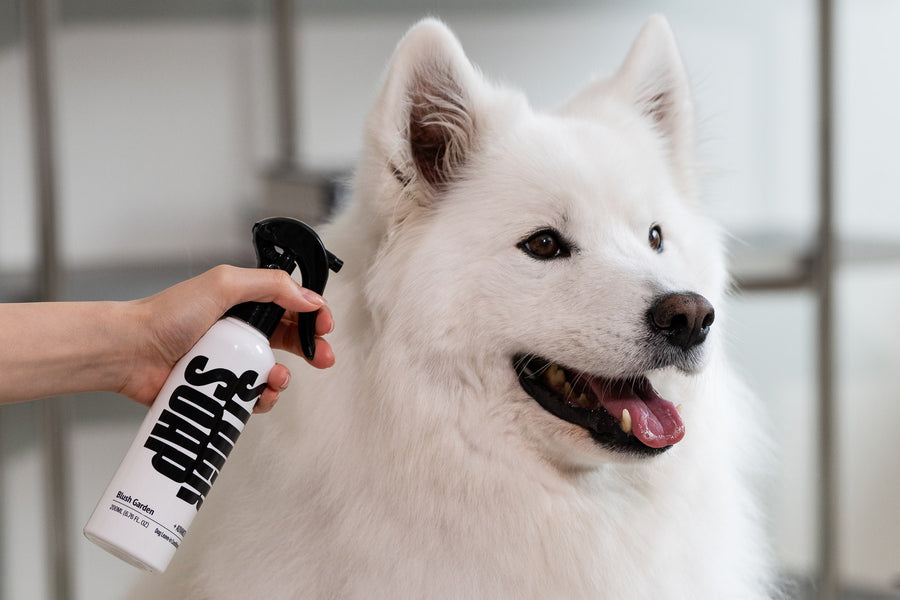
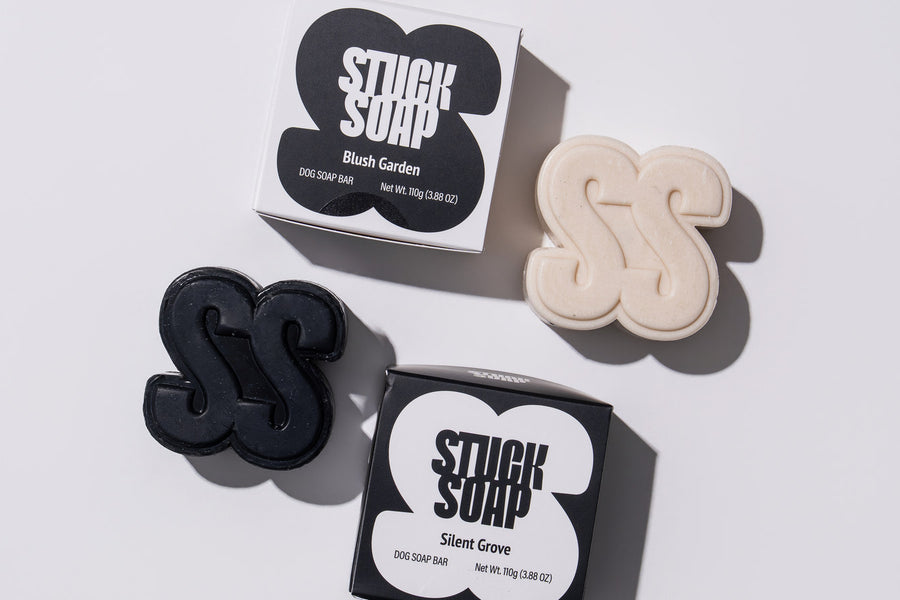
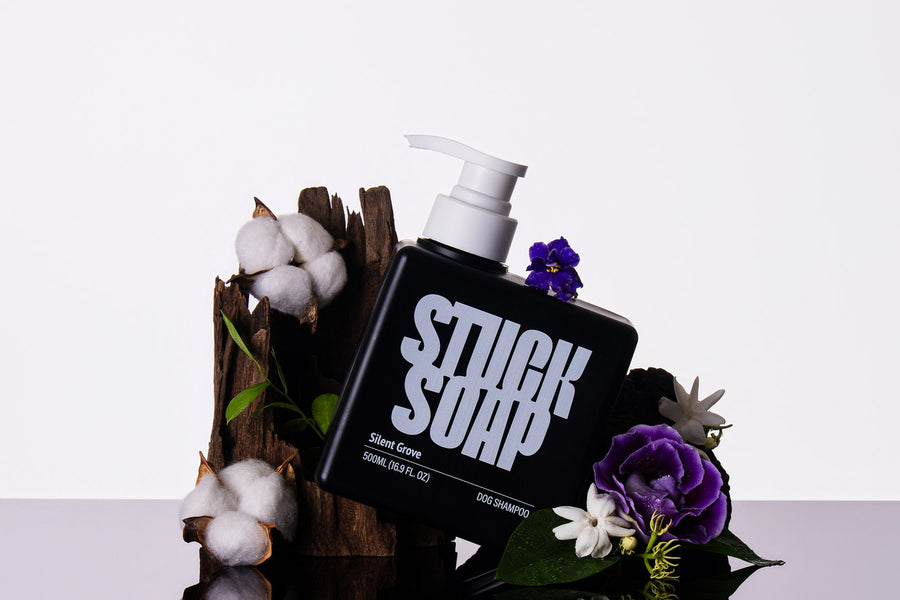
That is the gap STUCK SOAP is built to fill. Our vegan, pH-balanced formulas lean on Jeju Island botanicals that K-Beauty has trusted for generations: green tea for antioxidant support, camellia oil to nourish and add shine, and centella asiatica (the famous "cica" ingredient) to soothe. Instead of stripping the coat, the goal is to cleanse gently and leave the skin barrier calm and intact, so whatever coat-supporting nutrition your dog gets from their diet is not washed straight down the drain.
Hemp seed oil and a gentle K-Beauty wash are not competitors. They are two halves of the same barrier-first routine.
Frequently Asked Questions
Is hemp seed oil safe for dogs?
Hemp seed oil is generally considered safe for most dogs when used in appropriate amounts, since it contains no cannabinoids and is essentially a nutritional oil. That said, it is not FDA approved for pets, so start with small amounts and check with your veterinarian first, especially if your dog takes medication or has a health condition.
Will hemp seed oil make my dog high?
No. Hemp seed oil is pressed from hemp seeds and does not contain THC or CBD, so it has no psychoactive or calming effect on the nervous system. If a product changes your dog's mood or behavior, it likely contains CBD rather than pure seed oil, so always read the label.
How much hemp seed oil can I give my dog?
Dosing depends on your dog's weight and the specific product, so follow the manufacturer's guidance or your vet's recommendation. Because the oil is calorie dense, start with a small amount and increase gradually to avoid loose stools or stomach upset.
Can I put hemp seed oil directly on my dog's skin?
You can apply a small amount to a dry patch, but for skin and coat concerns, dietary use is the better-researched route. Do a small patch first, avoid the eyes, and stop if you notice any irritation.
How long until I see results?
Be patient. Oral fatty acid support typically takes eight to twelve weeks of consistent use to show a visible difference in coat and skin, and it needs to be continued for lasting benefit.
The Bottom Line
Hemp seed oil for dogs earns its buzz for a real reason. It is a balanced, barrier-supporting source of omega fatty acids that both K-Beauty formulators and veterinary dermatologists respect, and it delivers that support through nutrition rather than any psychoactive effect. Just remember the golden rule: hemp seed oil is not CBD, so read labels carefully and choose the one that matches your goal.
Used consistently and paired with a gentle grooming routine, hemp seed oil can be a quiet, steady contributor to a softer coat and a calmer skin barrier. Give it time, keep it simple, and treat it as one piece of a bigger, barrier-first plan.
Sources & References
- Hemp Oil vs CBD Oil for Pets: What's the Difference? — Honest Paws
- What Is Hemp Oil for Dogs? — Chewy (vet-reviewed)
- Essential Fatty Acid Supplementation — Clinician's Brief
- Using Essential Fatty Acids in Canine Atopic Dermatitis — Vet Times
- Efficacy of an Essential Fatty Acid-Enriched Diet in Canine Atopic Dermatitis — Veterinary Dermatology (Wiley)
- K-Beauty Skin Care Made With Hemp Seed Oil — CosmeticsDesign-Asia
- Cannabis Sativa (Hemp) Seed Oil in Skincare — INCIDecoder
Give Your Dog the K-Beauty Spa Treatment
Feeding your dog barrier-friendly nutrition works best when bath time does not undo it. STUCK SOAP's vegan, pH-balanced shampoos are made with Jeju Island botanicals like green tea, camellia oil, and centella asiatica to cleanse gently and leave the skin barrier calm, not stripped. It is the K-Beauty way to a softer, shinier coat.
Shop Stuck Soap →Vegan · pH-Balanced · Jeju Island Botanicals · Zero Waste