


If you've ever caught a whiff of your dog's breath and thought, "That's not just dog breath — that's a problem," you were probably right. Persistent bad breath is one of the earliest signs of dental disease, and according to the American Veterinary Medical Association, 80 to 90 percent of dogs show evidence of periodontal disease by age three.
The good news: dental disease in dogs is largely preventable. The single most effective thing you can do at home is to brush your dog's teeth — and you don't need professional training to do it well. With the right tools, the right technique, and a little patience, a few minutes a day can protect your dog's mouth, organs, and overall lifespan.
This complete dental care guide walks you through everything you need to know about how to brush your dog's teeth: why it matters, what supplies to buy, a step-by-step technique vets recommend, how often to do it, and the warning signs that mean it's time to see your vet.
Table of Contents
Why Dental Care Matters for Dogs
Dental disease isn't just about bad breath or yellow teeth. When plaque hardens into tartar, it irritates the gums and creates pockets where bacteria thrive. Left untreated, that bacteria can spread into the bloodstream and contribute to changes in the kidney, liver, and heart, according to AAHA dental care guidelines.
Plaque builds up on the tooth surface daily, especially just under the gum line. The American Animal Hospital Association notes that it takes less than 36 hours for plaque to mineralize into tartar — and once tartar has formed, you can no longer remove it with a toothbrush. That's why daily prevention is so much easier than treatment.
Smaller breeds are at especially high risk. Research from the WALTHAM Petcare Science Institute, drawing on records from over 3 million U.S. pets, found that periodontal disease is roughly three times more likely in dogs weighing less than 22 pounds. Crowded teeth, malocclusion, and decreased jaw bone density all play a role. If you share your home with a Maltese, Shih Tzu, Pomeranian, Dachshund, or similar small breed, daily brushing isn't optional — it's essential.
What You Need to Brush Your Dog's Teeth
Before your first brushing session, gather a few simple supplies. Don't reach for your own toothpaste — many human formulas contain xylitol or fluoride, which can be toxic to dogs.
Dog toothbrush. Choose a soft-bristled brush sized for your dog's mouth. Finger brushes (a small rubber sleeve that slips over your fingertip) are great for beginners and small dogs. Larger dogs may do better with a long-handled canine toothbrush that gives you reach to the back molars.
Dog-safe toothpaste. Look for veterinary toothpaste in flavors dogs enjoy — poultry, beef, peanut butter, or vanilla mint. These pastes are safe to swallow and turn brushing into a positive experience. Bonus points if the product carries the Veterinary Oral Health Council (VOHC) Seal of Acceptance, which means clinical data shows it reduces plaque or tartar by at least 20 percent.
A calm setting and high-value treats. Choose a quiet spot, sit on the floor at your dog's level, and have a small reward ready for after. The goal is to make brushing feel like a bonding moment, not a wrestling match.
How to Brush Your Dog's Teeth: Step-by-Step
The first time you reach into your dog's mouth, expect resistance. That's completely normal. Build up gradually over a week or two — most dogs adjust faster than their owners expect.
Step 1: Let your dog taste the toothpaste. Put a small dab on your finger and let your dog lick it. If they enjoy the flavor, you're already winning. Repeat this for two or three days.
Step 2: Get your dog used to your finger in their mouth. Gently lift their lip and rub a finger along the outside of the teeth and gums for a few seconds. Reward and stop. Slowly extend the time over several sessions.
Step 3: Introduce the brush. Once your dog is comfortable with your finger, switch to the toothbrush with a small amount of toothpaste. Lift the lip, place the bristles along the gum line, and angle them at 45 degrees — pointing slightly up toward the gum on the upper teeth, slightly down on the lower teeth.
Step 4: Brush in small circles. Work from the back teeth toward the front, making small circular motions along the gum line. Use only light pressure; the bristles shouldn't flatten or flare. The Colorado State University Veterinary Teaching Hospital recommends focusing on the outer surfaces of the teeth — that's where most plaque accumulates, and most dogs won't tolerate brushing the inner surfaces anyway.
Step 5: Aim for 30 seconds per side. A full session takes one to two minutes. Don't worry about perfection on day one. Consistency beats intensity.
Step 6: End with a reward. Praise, a brief play session, or a small treat tells your dog that brushing equals good things. Over time, many dogs come to enjoy it.
How Often Should You Brush?
The veterinary consensus is clear: daily brushing is best. Plaque begins forming within hours of cleaning, and only daily disruption keeps it from mineralizing into tartar.
That said, life happens. The American Veterinary Medical Association notes that brushing several times a week can still be effective at slowing plaque buildup. If you can manage three to four sessions weekly, you'll be far ahead of the average dog owner.
Combine home brushing with annual professional dental cleanings. AAHA guidelines recommend the first complete dental cleaning by 1 year of age for cats and small- to medium-breed dogs, and by 2 years for larger breeds. Your vet can spot early disease, scale below the gum line, and take dental X-rays to catch problems invisible to the naked eye.
Warning Signs of Dental Disease
Even with diligent home care, it pays to know what trouble looks like. Call your veterinarian if you notice any of the following:
Persistent bad breath. Healthy dog breath shouldn't smell foul. Strong, lasting odor often signals plaque buildup, infection, or rotting tissue.
Red, swollen, or bleeding gums. Gums should be pink and firm. Redness along the gum line is a hallmark of gingivitis — the earliest, still-reversible stage of periodontal disease.
Visible tartar. Yellow or brown crusty buildup, especially on the back teeth, indicates tartar that needs professional removal.
Loose, broken, or missing teeth. These suggest advanced periodontal disease and warrant immediate attention.
Pawing at the mouth, dropping food, or chewing on one side. Any of these can signal oral pain.
Excessive drooling or blood in saliva. Both can point to gum disease, abscess, or oral injury.
Beyond Brushing: A Complete Oral Care Routine
Brushing is the foundation, but a well-rounded routine layers in extra protection. Think of it the way you might think of skincare: cleansing is essential, but the supporting steps make a real difference.
Dental chews and treats. Look for VOHC-accepted chews that are designed to scrape plaque mechanically as your dog gnaws. Choose a chew sized appropriately for your dog to avoid choking.
Water additives and oral sprays. Tasteless, easy-to-use additives can help reduce bacteria between brushings. They aren't a brushing replacement, but they're a useful supplement, especially for dogs who tolerate brushing only a few times a week.
Dental diets. Some prescription kibble formulas use larger, fiber-aligned kibble shapes that scrub the tooth as the dog chews. Talk to your vet to see if a dental diet makes sense.
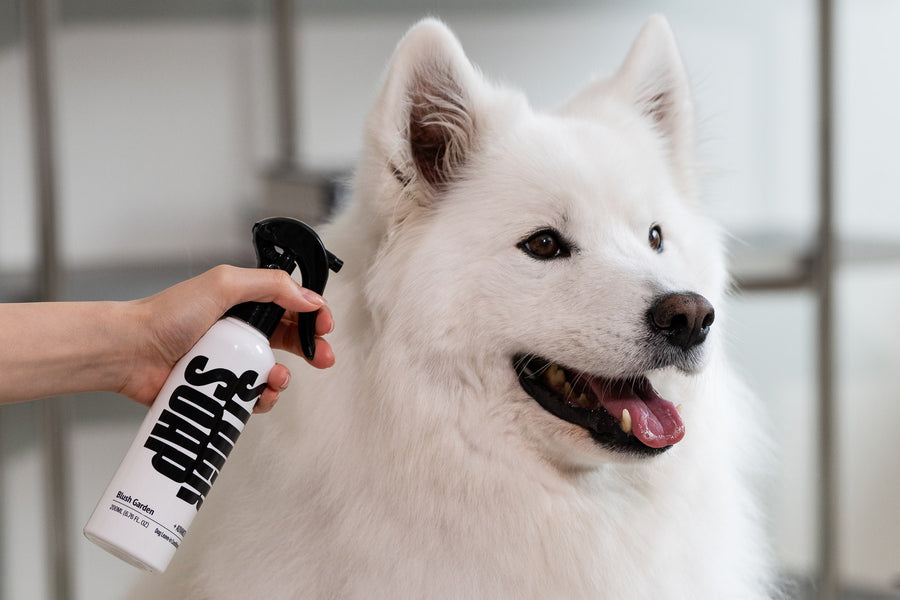
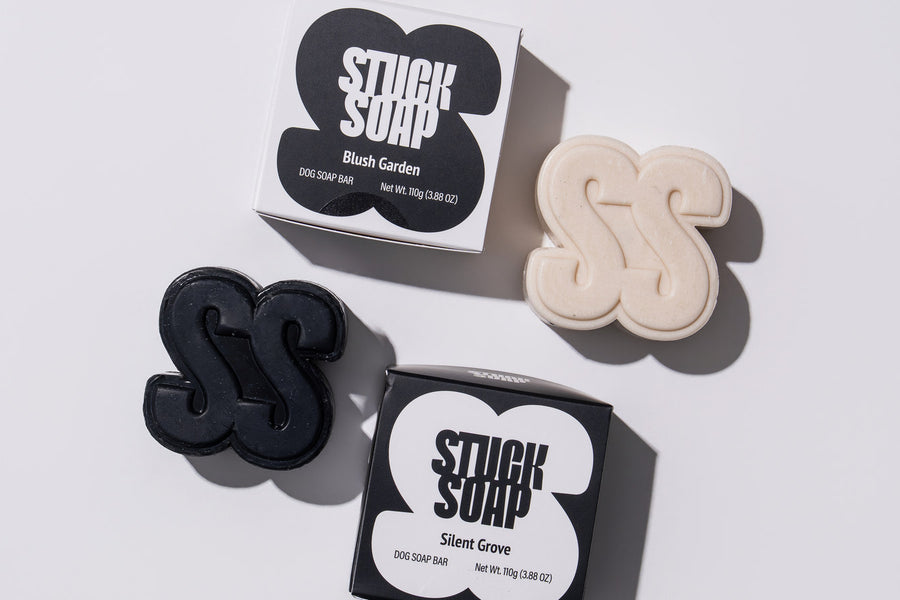
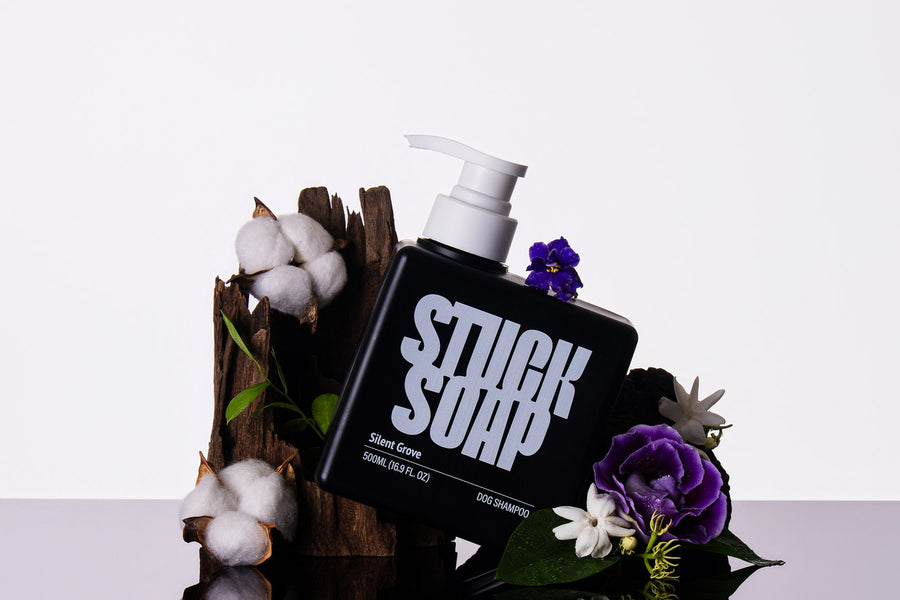
Whole-body grooming. Dental health is part of a bigger wellness picture — and so is the rest of your dog's grooming routine. Just as we use skin-friendly, pH-balanced cleansers for our own skincare, your dog's coat and skin deserve the same care. The K-beauty philosophy that inspires Stuck Soap — gentle, plant-based formulas with Green Tea, Camellia Oil, and Centella Asiatica from Jeju Island — supports the skin barrier on bath day, complementing the dental care you do throughout the week.
Annual vet visits. Professional cleanings under anesthesia allow your vet to clean below the gum line, polish teeth, and X-ray for hidden issues. Don't skip them.
Frequently Asked Questions
How often should I brush my dog's teeth?
Daily is ideal. If daily isn't realistic, aim for at least three to four times per week. Even a few sessions a week can significantly reduce plaque compared with no brushing at all.
Can I use human toothpaste on my dog?
No. Human toothpaste often contains xylitol, fluoride, or foaming agents that are unsafe for dogs. Always use veterinary toothpaste — it's safe to swallow and flavored to be palatable for dogs.
At what age should I start brushing my puppy's teeth?
You can begin handling your puppy's mouth as soon as you bring them home, around 8 weeks of age. Start with finger massage, introduce flavored dog toothpaste at around 12 weeks, and add a soft brush once their adult teeth come in (around 6 months).
What if my dog hates having their teeth brushed?
Go slower. Spend several days on each step — letting them taste the paste, then accepting your finger, then the brush. Keep sessions short (10–20 seconds at first) and end every one with praise or a reward. For dogs that flat-out refuse, ask your vet about VOHC-accepted dental chews, water additives, and wipes as supplemental options.
Do dental chews replace brushing?
No. Chews are a helpful supplement, but they don't reach every tooth surface and don't disrupt plaque under the gum line, which is where periodontal disease begins. Brushing remains the gold standard.
How do I know if my dog has gum disease?
Common signs include persistent bad breath, red or swollen gums, visible tartar, bleeding when chewing, loose teeth, drooling, and pawing at the mouth. If you spot any of these, schedule a veterinary dental exam.
The Bottom Line
Brushing your dog's teeth might feel awkward the first few times, but it's one of the highest-impact habits you can build for your dog's long-term health. Start slow, use the right tools, and keep sessions short and positive. A few minutes a day can prevent painful gum disease, expensive dental procedures, and serious downstream effects on your dog's heart, kidneys, and liver.
Pair your daily dental routine with a thoughtful overall grooming approach — gentle, pH-balanced bathing, regular brushing of the coat, ear checks, and nail trims — and you're giving your dog the K-beauty-style head-to-paw care they deserve.
Sources & References
- Pet Dental Care — American Veterinary Medical Association (AVMA)
- 2019 AAHA Dental Care Guidelines for Dogs and Cats — American Animal Hospital Association
- Accepted Products — Veterinary Oral Health Council (VOHC)
- Helpful Tips for Keeping Your Dog's Teeth Clean and Healthy — American Kennel Club
- Small Dog Breeds at Highest Risk for Dental Disease — WALTHAM Petcare Science Institute
- How to Brush Your Dog's Teeth — Colorado State University Veterinary Teaching Hospital
Give Your Dog the K-Beauty Spa Treatment
A clean smile deserves a clean coat. Stuck Soap's pH-balanced, plant-based shampoos with Green Tea, Camellia Oil, and Centella Asiatica from Jeju Island support your dog's skin barrier — a perfect complement to the dental care routine you build at home.
Shop Stuck Soap →Vegan · pH-Balanced · Jeju Island Botanicals · Zero Waste