


If you've spent any time around Korean cooking or Korean beauty, you've probably met perilla without realizing it. Those fragrant sesame-like leaves wrapped around grilled meat? That nutty, deep-green oil drizzled over rice? That's perilla (들깨), one of Korea's most beloved botanicals. And lately, it has been quietly earning a place in K-beauty serums and soothing creams.
So it was only a matter of time before dog owners started asking the obvious question: if perilla oil for dogs can calm sensitive human skin and deliver a flood of plant-based omega-3s, could it do something good for your pup's skin and coat too?
The short answer is that perilla is genuinely interesting for canine skin and coat health, but the details matter a lot. In this guide, we'll break down what perilla actually is, why K-beauty loves it, what the science suggests for dogs, and how it fits into the broader Korean-beauty philosophy of gentle, ingredient-first grooming.
Table of Contents
What Is Perilla? Korea's Omega-3 Powerhouse
Perilla (Perilla frutescens) is an annual herb in the mint family, grown widely across Korea, Japan, China, and parts of Southeast Asia. In Korea it shows up in two famous forms: the broad green leaves known as kkaennip (깻잎), and the seeds that are pressed into deulgireum (들기름), or perilla seed oil.
What makes perilla seed oil remarkable is its fatty acid profile. It contains one of the highest concentrations of alpha-linolenic acid (ALA), a plant-based omega-3, of any oil on the planet, typically in the range of 54 to 64 percent. For comparison, that puts it ahead of even flaxseed oil, the omega-3 source most people think of first.
Alongside that omega-3 punch, perilla also carries omega-6 (linoleic acid), omega-9 (oleic acid), tocopherols (vitamin E compounds), and a family of protective polyphenols. The most studied of these is rosmarinic acid, the same antioxidant compound that gives rosemary and many mint-family plants their soothing reputation.
In other words, perilla is two ingredients in one: a nourishing, omega-rich oil from the seed, and a calming, antioxidant-rich extract from the leaf. Both have caught the attention of formulators in the K-beauty world.
The K-Beauty Connection: Why Perilla Calms Skin
Korean beauty has always prized ingredients that strengthen and soothe rather than strip and irritate. Perilla fits that philosophy beautifully, which is why you'll increasingly find perilla leaf extract in K-beauty products aimed at sensitive, reactive, and blemish-prone skin.
The science behind that reputation is real. In a published cosmetic study, a formulation containing perilla leaf extract was shown to help reduce skin irritation and support the appearance of aging skin. Researchers credit the plant's polyphenols, especially rosmarinic acid, for these calming effects.
Rosmarinic acid works in two complementary ways. First, it helps inhibit inflammatory responses in the outer layer of skin. Second, it acts as an antioxidant, scavenging the reactive oxygen species (free radicals) that contribute to redness, sensitivity, and visible aging. A classic study in the journal Carcinogenesis documented exactly this dual mechanism for perilla extract in skin.
That's why K-beauty often reaches for perilla when the goal is to comfort skin that feels irritated, itchy, or over-reactive. It's a "calm things down" ingredient rather than an aggressive "active." And that gentle, barrier-friendly character is exactly what makes K-beauty ingredients so interesting for dogs.
Perilla Oil for Dogs: What the Science Suggests
Here's where we need to be honest and precise, because perilla offers dogs real potential, but not in the way some marketing might imply.
The omega-3 story has a catch. Omega-3 fatty acids are genuinely valuable for dog skin and coat health. They help support a healthy skin barrier, lock in moisture, and calm the body's inflammatory response, which is why veterinarians frequently recommend them for itchy, allergy-prone, or dull-coated dogs. The catch is the type of omega-3.
The omega-3 in perilla seed oil is ALA. The omega-3s with the strongest evidence for canine skin, especially for atopic dermatitis, are EPA and DHA, the long-chain forms found in marine oils like fish and krill. Dogs convert ALA into EPA and DHA only inefficiently. Veterinary dermatology reviews, including work tied to the ACVD Task Force on Canine Atopic Dermatitis, note that plant-only ALA sources tend to produce weaker results than EPA- and DHA-rich marine sources for managing skin allergies.
What does that mean in plain terms? Perilla oil is not a one-to-one replacement for a quality fish or krill oil if your goal is to manage a diagnosed skin allergy from the inside out. If your vet has recommended omega-3 supplementation for a skin condition, marine sources still have the better evidence base.
So where does perilla shine for dogs? Two places. First, as a coat-conditioning oil: the rich blend of omega-3, omega-6, and omega-9 fatty acids plus vitamin E can help support softness, suppleness, and a healthy-looking sheen, the same way nourishing oils condition human hair. Second, topically: perilla's rosmarinic acid and polyphenols are being explored for their soothing, antioxidant properties, which is precisely the kind of gentle, calming action that suits a dog's sensitive skin.
As always with a trending ingredient, much of the dog-specific research is still emerging. The smart framing is "promising and worth watching" rather than "miracle cure." Always talk to your veterinarian before adding any new oil or supplement to your dog's routine, especially if your dog has a skin condition, is pregnant, or takes medication.
How to Use Perilla for Your Dog Safely
If you and your vet decide perilla is worth trying, a few practical pointers will help you get the most out of it while keeping your dog safe.
Start small and go slow. Any new oil, dietary or topical, should be introduced gradually so you can watch for digestive upset or skin reactions. Begin with a tiny amount and increase only if your dog tolerates it well.
Mind the freshness. Perilla oil is prized for its omega-3 content, but those same fragile fatty acids make it prone to oxidation. Rancid oil loses its benefits and can upset the stomach. Buy small bottles, store perilla oil in a cool, dark place, keep the cap tight, and discard it if it smells sharp or "off."
Topical use means well-formulated, dog-appropriate products. Drizzling kitchen-grade oil onto your dog's coat is messy and can leave residue that attracts dirt. For skin and coat care, look for grooming products that include perilla or other botanical oils in a balanced, rinse-friendly formula designed for dogs.
Never assume "natural" means "safe for dogs." Plenty of plant ingredients that are wonderful for humans are risky for pets. Perilla used in food and well-formulated products is generally considered low-risk, but essential oils and concentrated extracts are a different matter. When in doubt, check with your vet.
Pair it with good grooming habits. No single ingredient replaces the basics: a gentle, pH-appropriate shampoo, thorough rinsing, proper drying, and regular brushing. Perilla, like any nourishing botanical, works best as part of a complete routine.
Where Perilla Fits in K-Beauty Dog Care
Perilla is a perfect illustration of why the K-beauty approach translates so naturally to dogs. Korean beauty doesn't chase harsh, single-purpose chemicals. It builds routines around gentle, time-tested botanicals that respect the skin barrier, and that's exactly the kind of philosophy a dog's sensitive skin deserves.
At STUCK SOAP, that philosophy is the whole point. While perilla isn't one of our core ingredients, our formulas are built on the same family of gentle Korean botanicals that perilla belongs to. Our shampoos feature Jeju Island green tea for antioxidant support, camellia oil (Korea's beloved "liquid gold") for coat conditioning, and centella asiatica, the famous K-beauty "cica" ingredient, to help soothe and comfort the skin.
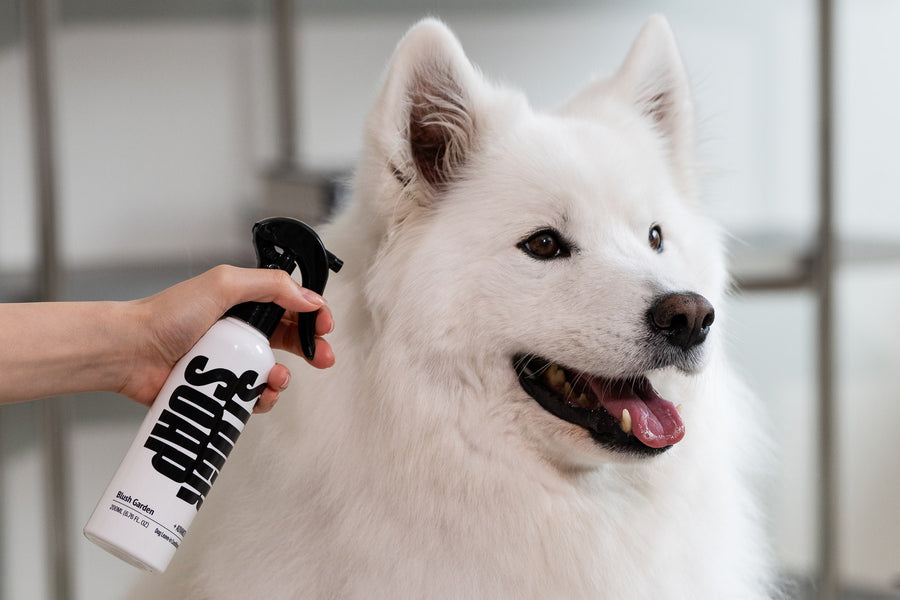
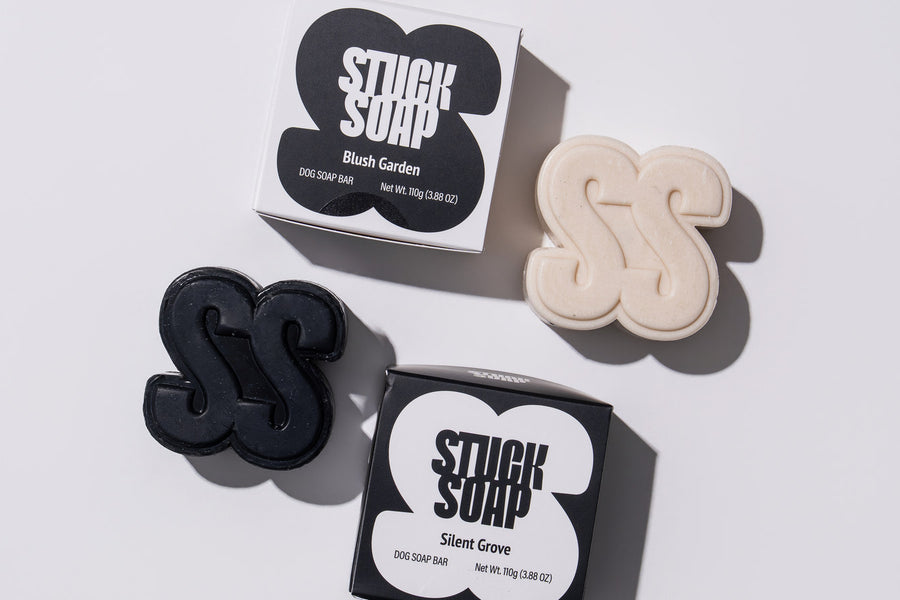
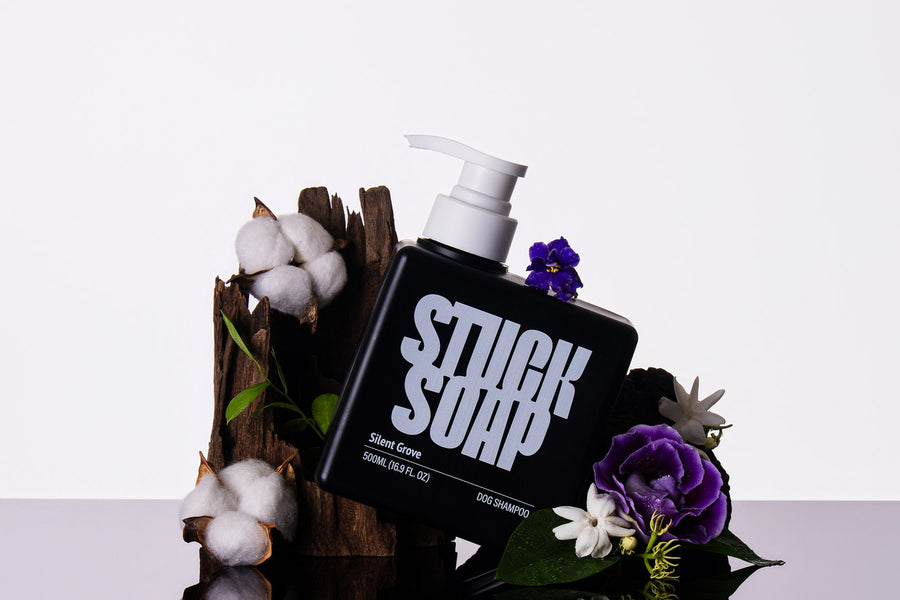
Like perilla, all three are chosen because they're plant-based, vegan, and kind to the skin barrier rather than stripping it. Our Liquid Shampoo delivers a rich, fine-bubble lather for deep cleaning and odor control, while our pH-balanced Shampoo Bar supports the skin barrier in a zero-waste solid format. Both come in two K-beauty inspired scents, the calming, woody Silent Grove and the bright, floral Blush Garden.
So if perilla has you curious about Korean botanicals for your dog, you're already thinking like a K-beauty dog parent. The ingredient names change, but the principle stays the same: gentle, nourishing, skin-first care, the way Korea has done beauty for generations.
Frequently Asked Questions
Is perilla oil safe for dogs?
Perilla oil and perilla leaf are widely used in food and are generally considered low-risk for dogs in small, appropriate amounts. That said, you should always check with your veterinarian before adding any new oil or supplement, especially for dogs with health conditions, and avoid concentrated essential oils.
Is perilla oil as good as fish oil for my dog's skin?
Not for the same purpose. Perilla seed oil is rich in plant-based omega-3 (ALA), but dogs convert ALA into the active forms (EPA and DHA) inefficiently. For managing a diagnosed skin allergy, marine sources like fish or krill oil have stronger veterinary evidence. Perilla shines more as a coat-conditioning and soothing botanical.
What are the main benefits of perilla for dogs?
Perilla offers a rich blend of omega-3, omega-6, and omega-9 fatty acids plus vitamin E, which may help support a soft, healthy-looking coat. Its rosmarinic acid and polyphenols are also being explored for their soothing, antioxidant properties on the skin.
Why is perilla considered a K-beauty ingredient?
Perilla is a staple Korean botanical that increasingly appears in K-beauty products for sensitive and irritated skin, thanks to its calming, antioxidant-rich rosmarinic acid. It reflects the K-beauty preference for gentle, barrier-friendly plant ingredients over harsh actives.
How should I store perilla oil?
Because it's so high in fragile omega-3 fatty acids, perilla oil oxidizes easily. Buy small bottles, keep it sealed in a cool, dark place, and throw it out if it smells sharp or rancid.
The Bottom Line
Perilla is a wonderful example of how a humble Korean kitchen and beauty staple can spark fresh thinking about dog care. As a plant, it's an omega-3 powerhouse with genuine soothing credentials in human skincare. For dogs, it's best understood as a nourishing, coat-conditioning, skin-comforting botanical rather than a substitute for vet-recommended marine omega-3s.
Used thoughtfully, with fresh oil, dog-appropriate products, and a quick check-in with your vet, perilla can be a lovely addition to a gentle, K-beauty inspired grooming routine. And that routine, built on kind, plant-based botanicals, is something your dog's skin will thank you for.
Sources & References
- Efficacy of Cosmetic Formulation Containing Perilla frutescens Leaves Extract for Irritation and Aging Skin — Biomedical and Pharmacology Journal
- Rosmarinic Acid Inhibits Epidermal Inflammatory Responses: Perilla frutescens Extract — Carcinogenesis (Oxford Academic)
- Health Effects of Omega-3,6,9 Fatty Acids: Perilla frutescens Is a Good Example of Plant Oils — PMC / National Library of Medicine
- The ACVD Task Force on Canine Atopic Dermatitis (XXIII): Are Essential Fatty Acids Effective? — Veterinary Dermatology
- Diets and the Dermis: Nutritional Considerations in Dermatology — Today's Veterinary Practice
Give Your Dog the K-Beauty Spa Treatment
Curious about Korean botanicals for your dog? STUCK SOAP brings the same gentle, skin-first philosophy to every wash, with Jeju green tea, camellia oil, and soothing centella asiatica. Vegan, pH-balanced, and built to nourish your dog's coat without stripping it.
Shop Stuck Soap →Vegan · pH-Balanced · Jeju Island Botanicals · Zero Waste