


If your beauty feed has been overrun by people massaging fragrant oil into their scalps, you have already met the ingredient of the moment. Rosemary has become one of K-Beauty's breakout stars, praised for scalp health, shine, and thicker-looking hair. Naturally, curious dog owners are asking the obvious follow-up question: if this humble herb is so good for human hair and skin, is rosemary for dogs a smart addition to a grooming routine too?
It is a fair question, and the answer is genuinely interesting. Rosemary is packed with antioxidant compounds that have real, well-documented effects on skin and hair. It is also one of the most common natural preservatives in the pet aisle, quietly working inside foods and shampoos you may already own.
But rosemary also comes with an important asterisk for dogs, one that separates the herb and its gentle extracts from concentrated rosemary essential oil. Below, we unpack the K-Beauty science, the potential benefits for your dog's skin and coat, and the safety rules that matter most.
Table of Contents
Why Rosemary Became K-Beauty's Scalp-Care Star
K-Beauty has always treated the scalp as skin, an idea often called "scalp-ification." Under that philosophy, healthy hair starts with a healthy, balanced, well-circulated scalp, exactly the way glowing skin starts with a strong barrier. Rosemary slots perfectly into that worldview.
Korean brands leaned in early. Aromatica's Rosemary Root Enhancer, for example, is a Korean scalp serum built around the herb and marketed to strengthen and thicken hair. That kind of ingredient-first, scalp-first product is classic K-Beauty, and it helped push rosemary from grandma's spice rack to the center of a global hair-care movement.
The trend is not pure hype, either. A frequently cited study in a dermatology journal compared rosemary oil against 2% minoxidil (the active in many hair-regrowth products) in 100 people with pattern hair loss. After six months, both groups saw similar increases in hair count, and the rosemary group reported less scalp itching. Researchers have since described rosemary as one of the most studied of the viral hair-growth ingredients.
The proposed mechanism is elegant: rosemary appears to improve circulation to the scalp, delivering more oxygen and nutrients to follicles, while its anti-inflammatory and antimicrobial compounds calm the skin around them. Better circulation, less irritation, stronger foundation. It is easy to see why the concept caught fire, and why pet parents started wondering about their dogs.
The Science: What Actually Makes Rosemary Work
Rosemary's reputation rests on a small group of powerful plant compounds. The three that matter most are carnosic acid, carnosol, and rosmarinic acid. Together they make rosemary one of the most potent antioxidant herbs in the botanical world.
Carnosic acid is the heavy hitter. It is the main driver of rosemary's antioxidant activity, and it works by neutralizing free radicals and quenching reactive forms of oxygen before they can damage cells. In lab terms, a higher carnosic acid concentration reliably means stronger antioxidant power.
Carnosol and carnosic acid are oil-soluble, so they thrive in the lipid-rich environment of skin and coat oils. Rosmarinic acid, by contrast, is water-soluble, which is why rosemary shows up in both oil-based serums and water-based rinses. This dual nature is part of what makes the herb so versatile in formulation.
These same compounds explain rosemary's other job: preservation. Because carnosic acid and carnosol scavenge oxygen so effectively, rosemary extract is widely used as a natural, "clean-label" antioxidant to stop fats from going rancid. That is exactly why you see it on the ingredient list of so many premium dog foods, treats, and grooming products, often listed simply as "rosemary extract."
In topical care, the payoff is threefold: antioxidant defense against environmental stress, anti-inflammatory action that soothes reactive skin, and antimicrobial activity that helps keep the skin surface balanced. Those are the same three levers that matter for a dog's skin and coat.
Rosemary for Dogs: What It May Do for Skin and Coat
Here is the honest framing every dog owner deserves: most rosemary research has been done on humans, plants, and food systems, not in controlled canine dermatology trials. So when we talk about benefits for dogs, we are talking about well-reasoned potential rooted in how the ingredient behaves, not guaranteed outcomes.
With that caveat in place, the possibilities are appealing. Rosemary's antioxidant compounds may help defend skin cells against oxidative stress from sun, pollution, and everyday environmental wear, the same stressors that dull a coat over time. Antioxidant support is a cornerstone of the K-Beauty approach, and it translates naturally to a dog's skin.
Its anti-inflammatory and antimicrobial properties are where rosemary earns its keep in grooming. Infused into a well-made shampoo, rosemary may help soothe irritated skin, calm redness, and ease the itch that comes with sensitive or allergy-prone coats. A balanced skin surface is also a less hospitable place for odor-causing microbes, which supports fresher-smelling fur between baths.
Then there is the coat itself. The circulation and follicle-support story that made rosemary a scalp hero for humans is, in theory, relevant to a dog's skin too, which is why rosemary appears in many "coat conditioning" and shine-focused pet formulas. Some products also lean on rosemary as part of a natural antioxidant blend that helps shield the coat from UV-related wear.
The takeaway: rosemary is a plausible, plant-based ally for skin comfort and coat vibrancy, best viewed as a supporting player in a thoughtful routine rather than a miracle cure.
The Safety Rules: Herb vs. Extract vs. Essential Oil
This is the most important section in the article, so read it twice. The word "rosemary" hides three very different things, and they are not interchangeable for dogs.
1. Culinary rosemary and rosemary extract are generally safe. The whole herb, used in tiny culinary amounts, is non-toxic to dogs, and the deodorized rosemary extract used as a preservative in pet food is recognized as safe by AAFCO, the body that sets pet-food standards. If your dog's kibble lists rosemary extract, there is no cause for alarm.
2. Rosemary essential oil is a different animal. Essential oil is hugely concentrated, and it should never be applied undiluted to your dog's skin or coat, and never allowed to be ingested. Two compounds found in significant amounts in the oil, camphor and 1,8-cineole (eucalyptol), can affect neurochemistry. For topical use, formulators keep rosemary essential oil diluted to roughly 1% or less for a reason.
3. Seizure-prone dogs need extra caution. Many holistic veterinarians advise avoiding concentrated rosemary, especially the essential oil, in dogs with epilepsy or those on anticonvulsant medication, because it may lower the seizure threshold. Breeds with higher epilepsy rates, including Beagles, Border Collies, German Shepherds, Golden Retrievers, and Labrador Retrievers, deserve particular care. Importantly, the trace rosemary extract in commercial food is not considered comparable to essential-oil exposure.
The practical rule of thumb: favor professionally formulated, dog-specific products that use gentle rosemary extract at safe levels, keep pure essential oils out of your DIY grooming kit, and always check with your veterinarian first if your dog has any seizure history.
How to Use Rosemary Safely in Your Dog's Routine
If you want to explore rosemary the smart way, a few simple habits keep things gentle and low-risk:
- Choose formulated over homemade. Reach for shampoos and sprays created for dogs, where rosemary is used as a properly measured extract rather than a raw essential oil you dilute by guesswork.
- Read the label carefully. "Rosemary extract" or "rosemary leaf extract" near the end of an ingredient list is the reassuring version. A high placement of "rosemary oil" warrants a closer look.
- Patch test first. Wash one small area, wait 24 hours, and watch for redness or scratching before a full bath, especially with sensitive dogs.
- Keep it away from eyes, nose, and mouth, and rinse thoroughly so no residue is left to lick.
- Ask your vet before using any concentrated botanical if your dog is pregnant, on medication, or has a seizure history.
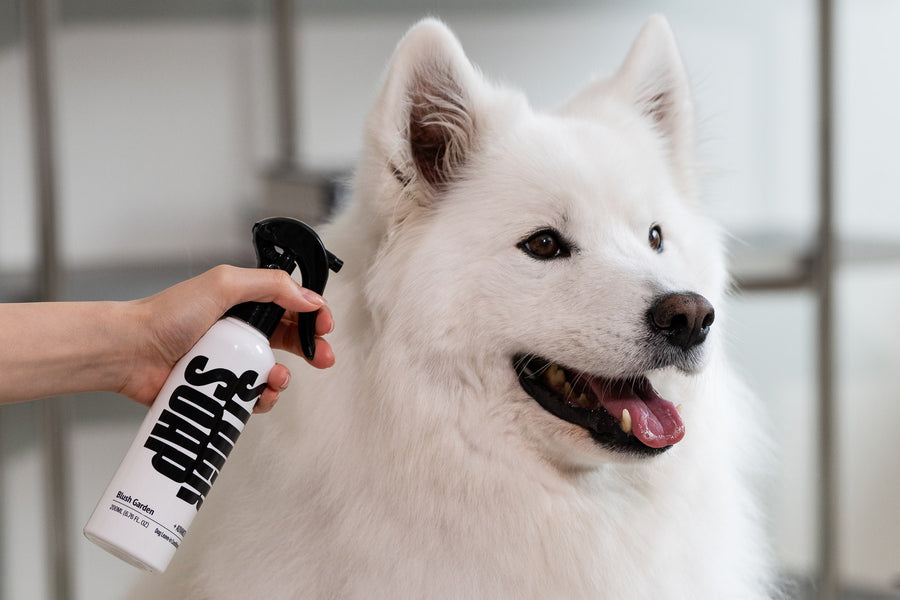
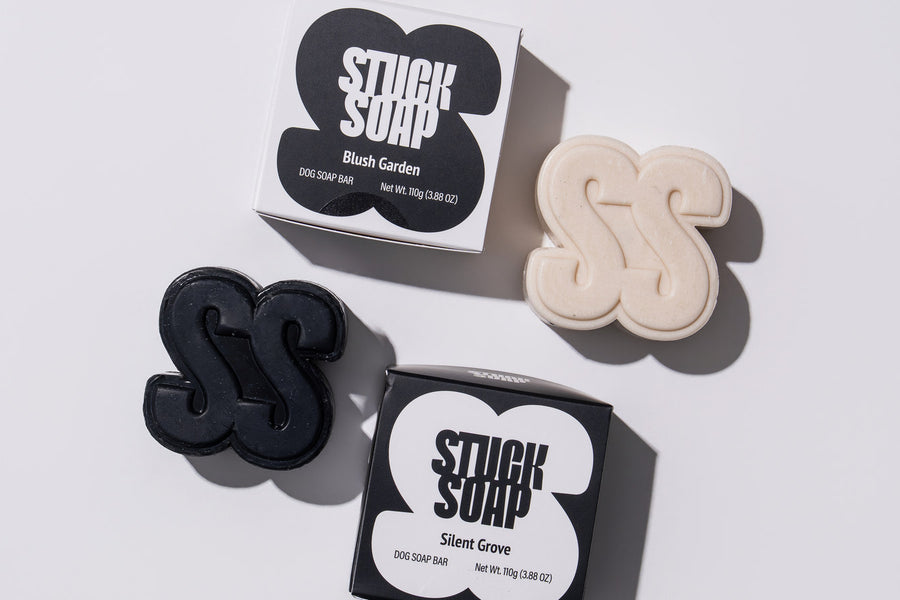
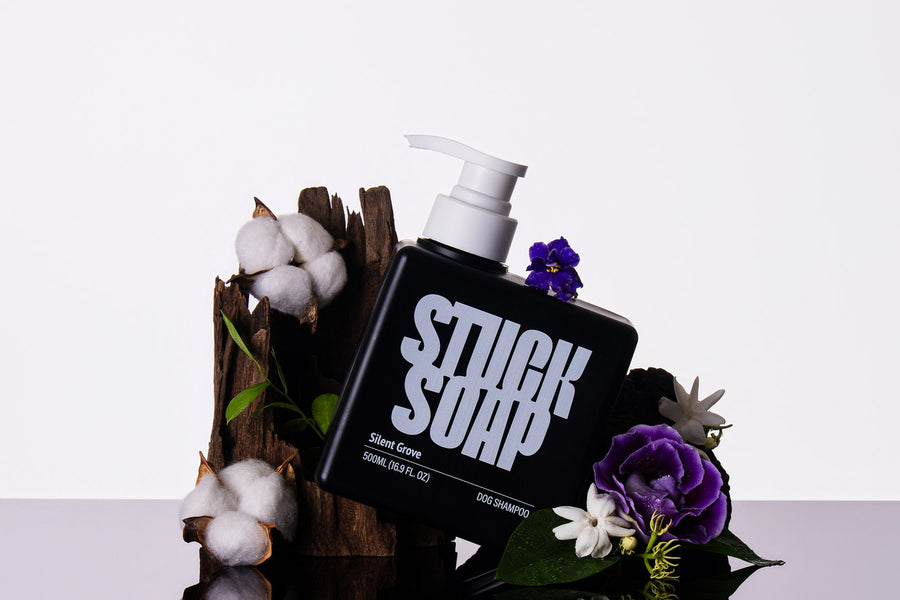
You do not actually need to chase a single trending ingredient to give your dog the K-Beauty treatment, though. The philosophy that made rosemary popular, gentle botanicals, antioxidant support, and a healthy skin barrier, is the same one behind Stuck Soap. Our formulas are built on skin-loving Jeju Island botanicals like Green Tea, Camellia Oil, and Centella Asiatica, pH-balanced and vegan, so you get that soothing, antioxidant-rich, barrier-first approach without any guesswork about safe dilution.
Frequently Asked Questions
Is rosemary safe for dogs?
In small culinary amounts and as the deodorized "rosemary extract" used in pet food, rosemary is generally recognized as safe for most dogs. Concentrated rosemary essential oil is the exception and should never be applied undiluted or ingested.
Can I put rosemary oil on my dog's coat?
Only if it is properly diluted, ideally in a product formulated for dogs. Pure rosemary essential oil is far too concentrated for direct use and can irritate skin or affect neurochemistry. When in doubt, choose a dog-specific shampoo that already contains rosemary at a safe level.
Does rosemary help a dog's coat grow or shine?
The human hair-growth research on rosemary is promising, but there is no strong canine trial proving it grows a dog's coat. What is reasonable to expect is antioxidant and soothing support that helps skin stay comfortable and coats look their healthiest.
Which dogs should avoid rosemary?
Dogs with epilepsy or a seizure history, dogs on anticonvulsant medication, and pregnant dogs should avoid concentrated rosemary and essential oils unless a veterinarian approves. Breeds predisposed to seizures warrant extra caution with strong rosemary products.
Why is rosemary extract in my dog's food?
It is a natural, clean-label antioxidant. Compounds like carnosic acid keep the fats in kibble and treats from going rancid, so rosemary extract acts as a preservative and helps extend shelf life without synthetic additives.
The Bottom Line
Rosemary's leap from viral scalp serum to canine grooming curiosity makes sense once you understand the antioxidant science behind it. As a gentle extract, it is a plausible, plant-based ally for calm skin and a healthy-looking coat, and it is already a trusted natural preservative in the pet aisle. The one rule that matters most is simple: respect the difference between the mild herb and the potent essential oil, and lean on products formulated for dogs. Do that, and your pup can enjoy the best of the K-Beauty approach, minus the risk.
Sources & References
- How To Use Rosemary Oil for Hair Growth — Cleveland Clinic
- Rosemary for Dogs: Our Vet Explains Safety, Potential Uses & Efficacy — Dogster
- Is Rosemary Safe for Dogs? — Rover
- Botanical Extracts: The Next Generation of Antioxidants for Pet Food — Kemin
- Protective Contribution of Rosmarinic Acid in Rosemary Extract Against Oxidative Stress — NCBI/PMC
- Is Rosemary Safe for Dogs? Benefits, Risks, and Best Uses — HERO Veterinary
Give Your Dog the K-Beauty Spa Treatment
You do not need to chase every trending ingredient to get glowing results. Stuck Soap brings the K-Beauty philosophy to your dog's bath with gentle, antioxidant-rich Jeju botanicals like Green Tea, Camellia Oil, and Centella Asiatica, all pH-balanced and vegan for calm skin and a naturally radiant coat.
Shop Stuck Soap →Vegan · pH-Balanced · Jeju Island Botanicals · Zero Waste