


If your dog flinches at the sound of running water, hides under the bed when the brush comes out, or comes home from the groomer looking visibly frazzled, you are not alone. More pet parents are searching for a gentler alternative — and a dog spa day at home has quickly become one of the biggest wellness trends in pet care for 2026.
The idea is simple: turn your bathroom into a calm, sensory-friendly space, slow everything down, and treat grooming as a wellness ritual instead of a chore. Inspired by the same K-beauty principles that revolutionized human skincare — gentle products, layered care, and a focus on the experience itself — at-home spa days are reshaping how dog owners approach bathing, brushing, and bonding.
This guide walks you through a complete, vet-friendly home spa routine you can do in about 60 to 90 minutes, with practical tips for nervous dogs, sensitive skin, and seasonal coat care.
Table of Contents
Why a Dog Spa Day at Home Is Trending
The pet grooming market is projected to grow at a 9.1% compound annual rate through 2036, and one of the strongest forces behind that growth is the "pet humanization" movement — the idea that the wellness rituals we use on ourselves should be available to our dogs too.
Industry trend reports for 2026 highlight a clear shift toward dermatology-inspired products, sulfate-free formulas, hypoallergenic options, and skin-microbiome balancers. At the same time, mobile groomers and at-home spa services have surged, driven by owners whose dogs are anxious, elderly, or simply over-stimulated by traditional grooming environments.
The at-home version takes that a step further. You control the lighting, the noise level, the products, the pace, and the energy in the room. For sensitive dogs, that control can be the difference between a stressful event and a genuinely restorative one.
The Real Benefits Beyond a Clean Coat
A regular spa-style routine does much more than make your dog smell better for a couple of days. Veterinarians and professional groomers point to a stack of physical and emotional benefits that compound over time.
Calmer nervous systems. Slow brushing, gentle massage, warm water, and a quiet room can help lower a dog's heart rate and reduce the stress response. Owners commonly report that dogs sleep deeply for hours after a proper at-home spa session.
Healthier skin and coat. Pre-bath brushing distributes natural oils, removes loose undercoat, and lets shampoo reach the skin instead of sitting on top of mats. A pH-balanced wash supports the skin barrier, which is naturally more delicate than human skin.
Earlier detection of issues. When you slow down enough to look, you notice things — a new lump, a hot spot, an ear that smells off, a paw pad that looks cracked. Many vet visits start because someone caught a small problem during a bath.
A stronger bond. One-on-one time with no phone, no distractions, and no rough handling builds trust. Dogs remember positive experiences and start to look forward to bath days instead of dreading them.
Setting the Scene: Your At-Home Spa Setup
Before you turn on the water, take 10 minutes to set the room up properly. The environment is doing more work than you think — dogs read the energy of a space the moment they walk in.
Lighting: Soften it. Turn off harsh overhead lights and use a small lamp, dimmer, or even a couple of unscented candles placed safely out of paw range. A dimmer room signals "rest" to a dog's nervous system.
Sound: Cut the noise. Studies on canine behavior have shown that classical music and species-specific calming playlists can reduce stress markers in dogs. Skip loud TV, vacuum sounds, or barking from outside if you can.
Scent: Keep it gentle. Avoid plug-in air fresheners, strong essential oil diffusers, or perfumes — many are too intense for a dog's sensitive nose. A clean, fresh-smelling room is enough.
Temperature: Warm, not hot. The room should be comfortable for a wet dog, and the bath water should sit around lukewarm — roughly the temperature you'd use for a human baby. Hot water strips the coat's protective oils and can irritate skin.
Tools laid out in advance: A non-slip mat in the tub, two towels (one to absorb, one to wrap), a soft brush, a slicker brush, a gentle pH-balanced dog shampoo, a leave-in conditioner spray, cotton balls for ears, and a few small training treats. Having everything within arm's reach means you don't have to leave a wet dog standing in the tub alone.
The 7-Step K-Beauty Inspired Spa Ritual
K-beauty's approach to skincare is about layering gentle steps rather than relying on one harsh product. Translated to dogs, that looks like a slow, intentional routine that respects the skin barrier at every stage.
Step 1: Pre-bath brushing (5–10 minutes). Brush your dog thoroughly while they're still dry. This removes loose hair, prevents tangles from tightening into mats once wet, and gives you a chance to check the skin. For double-coated breeds, use an undercoat rake first, then a slicker brush.
Step 2: Warm water rinse (2–3 minutes). Wet the coat all the way to the skin with lukewarm water. Many owners under-wet their dog and then wonder why the shampoo doesn't lather — water is half the work. Avoid spraying directly at the face, ears, or eyes.
Step 3: First cleanse with a gentle pH-balanced shampoo. Dilute the shampoo in your hands or a small bowl, then massage it into the coat in slow, circular motions. Work from the neck back, leaving the face for last with a damp washcloth.
Step 4: Spa massage moment (3–5 minutes). This is the K-beauty layer most owners skip and shouldn't. Once the shampoo is worked in, take a few minutes to massage your dog's shoulders, base of the spine, hips, and chest. Use slow, firm but gentle pressure. Many dogs visibly relax — eyes half-closed, breathing slowing — during this step.
Step 5: Thorough rinse (3–5 minutes). Residual shampoo is the number one cause of post-bath itching. Rinse until the water runs completely clear and the coat feels squeaky-clean rather than slick. Pay extra attention to the belly, armpits, and behind the ears.
Step 6: Gentle drying. Wrap your dog in a dry towel and press — never rub — to absorb water. Rubbing causes tangles and friction on the skin. For thicker coats, follow with a low-heat blow-dryer held at least 12 inches away, brushing as you go.
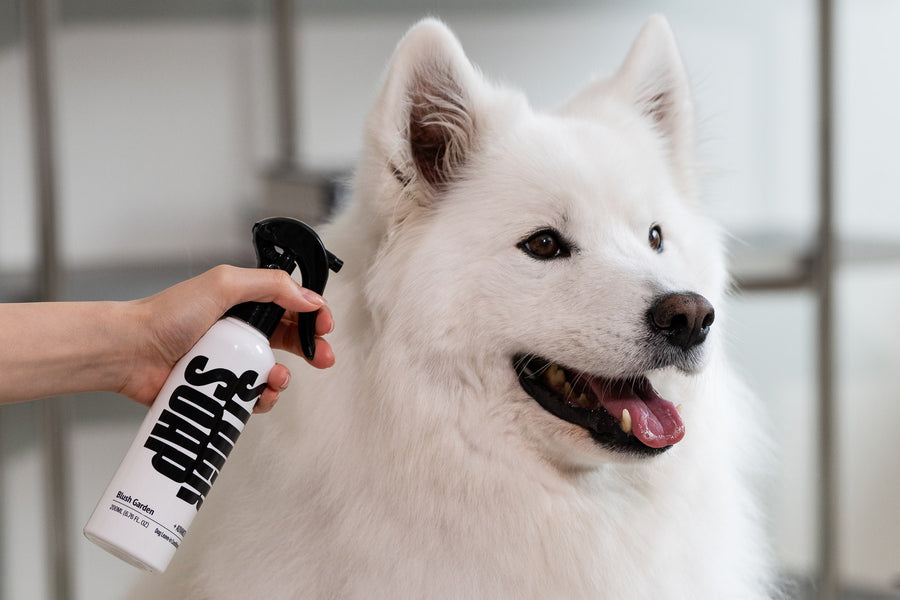
Step 7: Light leave-in finish. A water-based leave-in spray or detangler adds a final layer of conditioning, helps reduce static, and leaves a soft, fresh scent. Finish with a slow brush-out, a few minutes of cuddles, and a small treat. The ritual matters as much as the bath itself.
Tips for Nervous, Senior, or First-Timer Dogs
Not every dog comes pre-loaded with a love of water. For dogs who are anxious, elderly, or new to bathing, the goal of a spa day shifts: instead of a deep clean, you're building a positive association.
Start with the room, not the water. Let your dog explore the bathroom while you brush them and offer treats. On the next visit, run the water briefly so they hear it. Build up gradually.
Use a non-slip mat. The single most stressful part of a bath for many dogs is the feeling of slipping on a wet, hard surface. A simple rubber mat changes the entire experience.
Keep the first sessions short. A five-minute rinse with treats is more valuable than a 30-minute battle. You can build duration once trust is established.
For senior dogs, support their joints. Place towels under their elbows and chest, keep the water shallow, and consider doing the bath in two short sessions instead of one long one.
Common Mistakes to Avoid
Even well-intentioned owners run into the same handful of mistakes. Most of them come from treating dog skin like human skin.
Using human shampoo. Human skin sits around pH 5.5; healthy dog skin sits closer to neutral, around 7.0. Human shampoos are too acidic and strip the protective acid mantle on a dog's coat, leading to dryness and irritation.
Bathing too often — or not often enough. Most healthy dogs do well with a bath every 3 to 6 weeks, with breed and lifestyle adjustments. Daily or weekly bathing with strong products can compromise the skin barrier.
Skipping the pre-brush. Wetting a tangled coat tightens mats and traps moisture against the skin, which can cause hot spots.
Rinsing too quickly. Shampoo residue causes itching that can be mistaken for allergies. When in doubt, rinse longer.
Letting your dog air-dry in a damp environment. Damp coats are a breeding ground for yeast and bacteria. Towel and dry thoroughly, especially in skin folds and between paw pads.
Frequently Asked Questions
How often should I do a dog spa day at home?
For most dogs, a full spa-style routine every 3 to 6 weeks works well. In between, you can do shorter wellness rituals — a brush-out, a leave-in spray, a gentle massage — as often as your dog enjoys them.
What products do I need for an at-home dog spa?
The essentials are a gentle pH-balanced dog shampoo, a soft brush appropriate to your dog's coat type, two clean towels, a non-slip bath mat, and cotton balls for the ears. Optional but nice: a leave-in conditioner spray, a low-heat dryer, and a few high-value training treats.
Can I use essential oils during my dog's spa day?
Be cautious. Many essential oils — including tea tree, citrus, peppermint, and pine — are toxic to dogs even when diffused. If you want a scent component, choose a dog-safe formulated product rather than diffusing oils on your own. When in doubt, less is more.
Is an at-home spa day suitable for puppies?
Yes, with adjustments. Keep sessions short, use a puppy-appropriate gentle shampoo, and prioritize positive associations over a deep clean. Puppies under 8 weeks generally don't need full baths — a damp washcloth is usually enough.
How do I tell if my dog actually enjoys the spa day?
Look for soft eyes, relaxed posture, slow breathing, and a willingness to stay near you afterward. Yawning, lip licking, tucked tails, or trying to leave the room are signs of stress — slow down, shorten the session, and try again another day.
Bringing It All Together
A dog spa day at home isn't about luxury for the sake of it. It's about creating a recurring, low-stress ritual that supports your dog's skin, coat, and emotional wellbeing — and gives you a quiet hour together that's increasingly rare in modern life.
Start with one weekend session this month. Set the room up properly, slow down each step, and notice the difference in your dog by the end. Once you've experienced a calm bath instead of a chaotic one, you'll never go back.
Sources & References
Give Your Dog the K-Beauty Spa Treatment
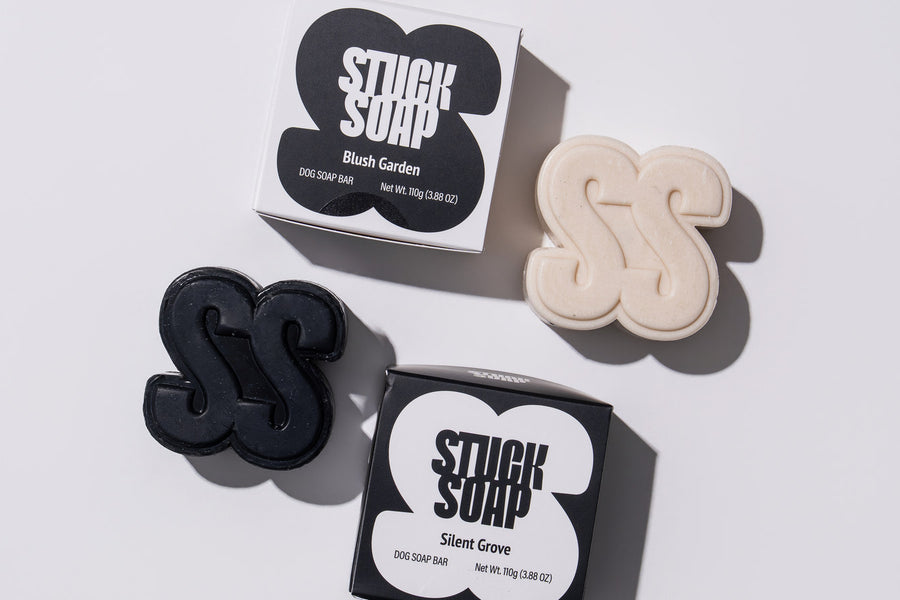
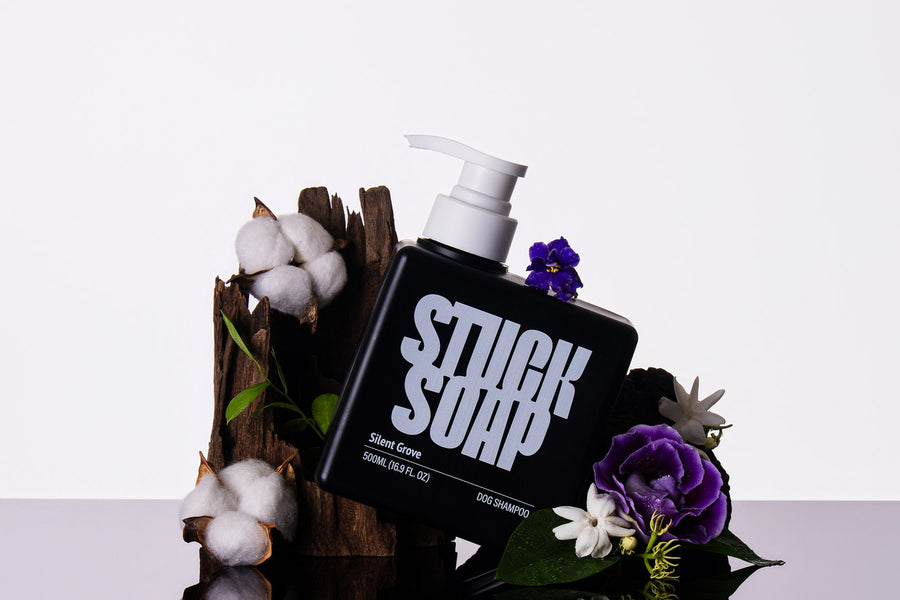
Stuck Soap was built for exactly this kind of slow, intentional ritual. Our pH-balanced, vegan formulas — featuring Green Tea, Camellia Oil, and Centella Asiatica from Jeju Island — turn an ordinary bath into a true at-home spa moment your dog actually looks forward to.
Shop Stuck Soap →Vegan · pH-Balanced · Jeju Island Botanicals · Zero Waste