


If you have spent any time scrolling through K-beauty hauls or skincare TikTok lately, you have probably noticed mushrooms having a major moment. And one fungus leads the pack: reishi. So it is fair to wonder whether reishi mushroom for dogs deserves a place in your pet's wellness routine the way it has earned a spot on bathroom shelves around the world.
Reishi (Ganoderma lucidum) has been called the "mushroom of immortality" for more than 2,000 years in Korean, Chinese, and Japanese traditions. Today it is one of the fastest-rising stars in Korean skincare, prized for soothing, hydrating, and strengthening the skin barrier. That overlap between ancient herbal wisdom and modern dermatology is exactly the kind of bridge K-beauty loves to build.
This guide explains what reishi is, why it became a K-beauty barrier hero, and what the current science actually says about reishi for dogs, including its real applications and its limits. As always, we will keep the claims honest: reishi shows genuine promise for canine skin and immune health, but it is a supplement worth discussing with your vet, not a miracle cure.
Table of Contents
What Is Reishi Mushroom?
Reishi is a woody, fan-shaped fungus that grows on hardwood trees across East Asia. In Korea it is known as yeongji beoseot (영지버섯), and it has been a cornerstone of traditional hanbang herbal medicine for centuries. Unlike the mushrooms you sauté for dinner, reishi is bitter and tough, so it is almost always consumed as an extract, powder, or tea rather than eaten whole.
What makes reishi so interesting to scientists and formulators is its chemistry. The mushroom contains over 400 bioactive compounds, including polysaccharides, triterpenoids, and beta-glucans. These molecules are the reason reishi is classified as an adaptogen, a natural substance thought to help the body resist and recover from various stressors.
Two compound families do most of the heavy lifting. Beta-glucans are complex sugars that interact with the immune system, while triterpenoids called ganoderic acids are linked to anti-inflammatory and antioxidant activity. Hold onto those two ideas, because they explain nearly everything reishi is asked to do, whether it is going on a person's face or into a dog's bowl.
Why Reishi Became a K-Beauty Skin Barrier Star
Korean skincare has always been ingredient-first, and mushrooms fit that philosophy perfectly. In Korean formulations, mushrooms are used to soothe, hydrate, and balance the skin rather than to strip or aggressively exfoliate it. Reishi, in particular, has moved from niche to necessity, appearing in essences, serums, and barrier creams from brands like mixsoon and others built around clean, minimalist routines.
The science behind the hype is surprisingly solid. Research on Ganoderma lucidum extract suggests it can strengthen the skin barrier by enhancing filaggrin synthesis, a protein essential for healthy skin structure and a precursor to the skin's natural moisturizing factor. Stronger barrier, better hydration, less irritation: that is the entire K-beauty thesis in one ingredient.
Reishi also brings antioxidant and anti-inflammatory benefits. Its high polysaccharide content helps the skin hold onto moisture, while its antioxidants help neutralize the free radicals that contribute to premature aging and dullness. Some newer reishi ferment ingredients have even been studied for accelerating barrier recovery and wound healing, which is why 2026 ingredient trend reports keep naming functional mushrooms as a category to watch.
Here is the K-beauty insight worth carrying over to pets: an ingredient that calms, hydrates, and reinforces the skin barrier in humans is working on biology that dogs share. Dogs have a skin barrier too, and it is actually thinner and more delicate than ours, which is why gentle, barrier-supportive ingredients matter so much in canine care.
Reishi Mushroom for Dogs: What the Science Says
Reishi is not just a skincare ingredient; it is also one of the most widely used medicinal mushrooms in canine supplements, and this is where the evidence for dogs is strongest. The American Kennel Club notes that medicinal mushrooms, including reishi, are increasingly used to support immune function and overall wellness in dogs, though it emphasizes veterinary guidance and quality sourcing.
The key to understanding reishi for dogs is the word immunomodulation. Rather than simply boosting the immune system, reishi appears to help regulate it, calming an overactive response and supporting an underactive one. That balancing act is what makes it relevant to allergies, since allergic skin flare-ups are essentially the immune system overreacting to harmless triggers like pollen or dust.
Beta-glucans are central to this effect. A 2024 review published in the peer-reviewed journal Veterinary Sciences examined beta-glucans for canine skin disease, osteoarthritis, and inflammatory bowel disease. It reported that beta-glucan supplementation was associated with reduced clinical signs in dogs with atopic dermatitis, the chronic, itchy allergic skin condition that affects an estimated 10 to 15 percent of dogs.
That said, honesty matters. The same review stressed that there are still relatively few controlled studies on beta-glucans for skin disease in dogs, and that more clinical trials are needed. Reishi is promising and generally well tolerated, but the canine research base is younger and smaller than the human one. Treat it as a supportive supplement, not a replacement for veterinary treatment of a diagnosed skin condition.
Reishi and Your Dog's Skin and Coat
So how might reishi actually show up in your dog's skin and coat health? The benefits flow from those same two mechanisms, working from the inside out.
First, there is the anti-inflammatory angle. Reishi's ganoderic acids and beta-glucans help moderate chronic, low-grade inflammation. For a dog with seasonal or environmental allergies, calmer inflammation can translate into less scratching, less redness, and fewer of the secondary problems that constant licking and biting create, like hot spots and broken skin.
Second, reishi has been studied for supporting normal histamine function. Histamine is the chemical behind a lot of allergy misery, including the itch-scratch cycle. By helping the body respond more appropriately to allergens, reishi may help dogs that struggle through pollen-heavy months feel more comfortable, though it works best as part of a broader allergy management plan.
Third, a healthier immune system and reduced inflammation tend to show up in the coat. When a dog is not constantly fighting irritation, the skin can do its real job: producing the natural oils and healthy cell turnover that give a coat its softness and shine. Reishi does not coat the hair the way a topical oil does, but a calmer, healthier dog often grows a better-looking coat over time.
It is worth being clear about what reishi is not. It is not a topical grooming product, and eating a supplement will not clean your dog or directly condition the hair shaft the way a well-formulated shampoo does. Internal wellness and external grooming are two halves of the same picture, and the best results come from pairing them.
How to Use Reishi Safely for Your Dog
If reishi sounds like a fit for your dog, a few practical guidelines will help you use it wisely.
Talk to your vet first. This is not boilerplate. Reishi has mild blood-thinning properties, so it should be used cautiously in dogs with bleeding disorders or those taking anticoagulant medications. Because its compounds are immune-modulating, reishi can also interact with certain drugs. A quick conversation with your veterinarian, especially if your dog is on medication or has a chronic condition, is the responsible first step.
Choose quality over hype. Look for supplements that use the fruiting body (not just mycelium grown on grain), that are made specifically for pets, and that are transparent about their beta-glucan content. The supplement market is loosely regulated, so a trustworthy brand with third-party testing is worth paying for.
Pick a form your dog will accept. Reishi is famously bitter, so plain powder can be a hard sell. Capsules hidden in food or pet chews formulated with reishi tend to work better than loose powder for picky eaters.
Start low and go slow. Introduce any new supplement gradually and watch for digestive upset or changes in behavior. Reishi is generally well tolerated, but every dog is an individual, and patience lets you spot a problem early.
Give it time. Adaptogens are not overnight fixes. Most benefits, particularly for skin and immune health, build over weeks of consistent use rather than days.
The K-Beauty Approach to Dog Skin Health
Reishi is a perfect example of why the K-beauty philosophy translates so well to dogs. Korean skincare succeeds because it focuses on the skin barrier, leans on gentle and well-studied ingredients, and treats consistency as more important than intensity. Dogs, with their thinner, more sensitive skin, benefit enormously from that same mindset.
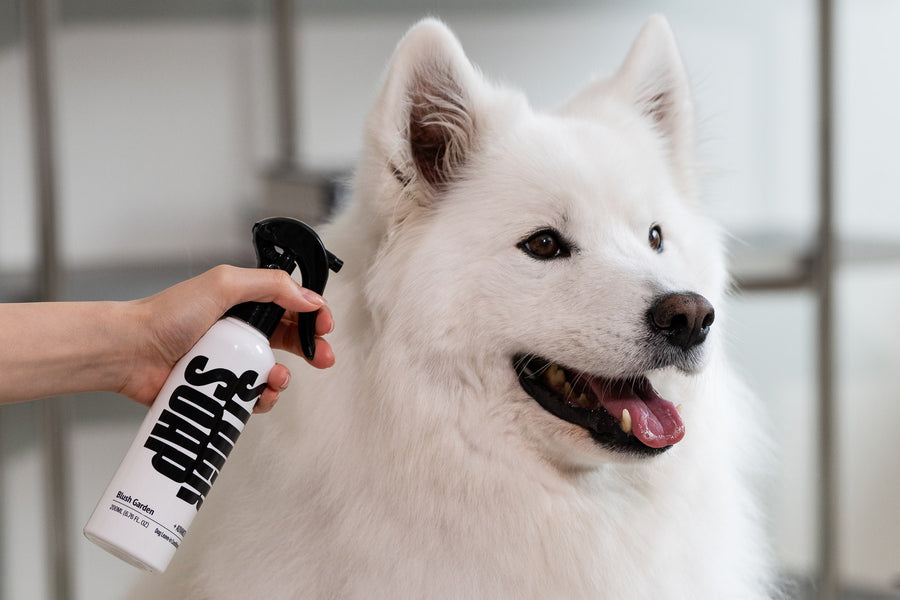
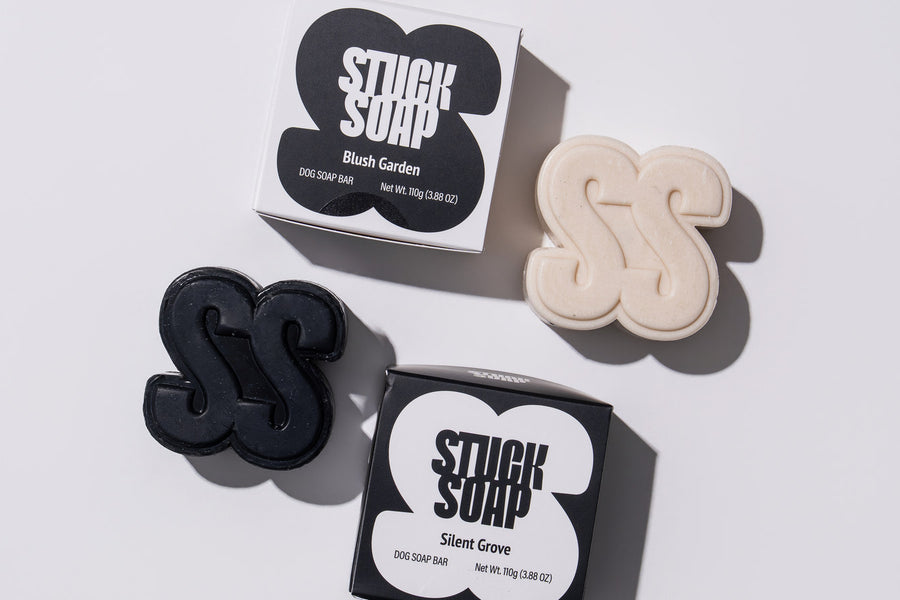
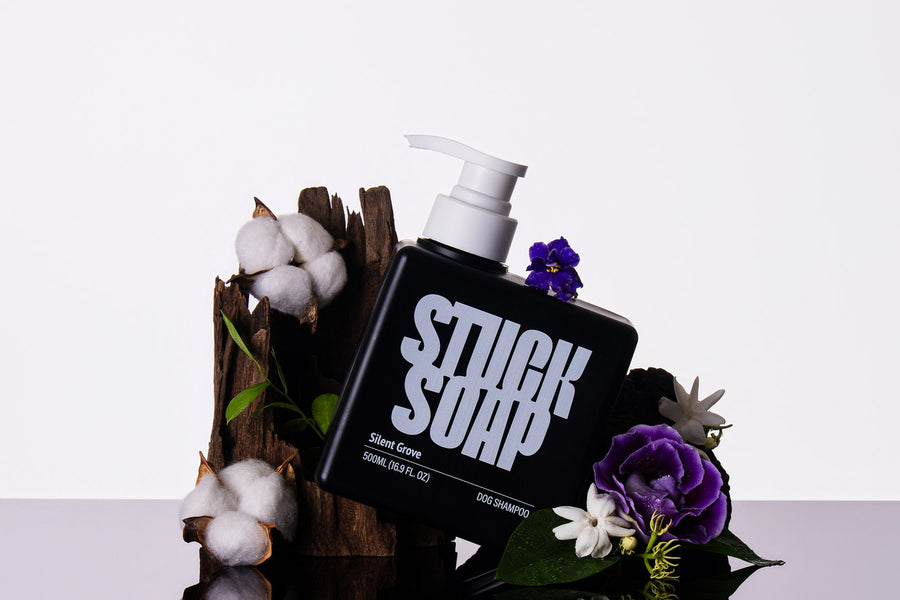
That is the thinking behind STUCK SOAP. Our vegan, pH-balanced dog shampoos are built on the K-beauty belief that gentle, plant-based ingredients are the smartest choice for delicate skin. We formulate with Jeju Island botanicals like green tea, camellia oil, and centella asiatica (the famous cica), ingredients chosen specifically to cleanse without stripping and to support a healthy skin barrier.
While reishi is something to explore on the nutritional side with your vet, STUCK SOAP handles the external half of the equation: a calming, barrier-friendly wash that respects your dog's skin the way a good K-beauty routine respects yours. Together, internal wellness and gentle grooming give your dog the best shot at comfortable skin and a coat that looks as healthy as it feels.
Frequently Asked Questions
Is reishi mushroom safe for dogs?
Reishi is generally considered safe and well tolerated for most dogs when given at appropriate doses in pet-formulated products. However, it has mild blood-thinning effects and can interact with certain medications, so you should always consult your veterinarian before starting it, especially for dogs with bleeding disorders or those on other drugs.
Can reishi mushroom help my dog's allergies?
It may help as part of a broader plan. Reishi's beta-glucans and ganoderic acids have anti-inflammatory and immune-modulating effects, and early veterinary research links beta-glucan supplementation to reduced signs of atopic dermatitis. It is best viewed as supportive, not as a replacement for veterinary allergy treatment.
How is reishi for dogs different from snow mushroom or tremella?
They do different jobs. Snow mushroom (tremella) is prized mainly for deep hydration and is often called plant-based hyaluronic acid. Reishi is an adaptogen valued for immune balance, anti-inflammatory action, and antioxidant protection, making it more relevant to allergy and overall wellness than to pure moisture.
Does STUCK SOAP contain reishi mushroom?
No. STUCK SOAP shampoos are formulated with Jeju Island botanicals, green tea, camellia oil, and centella asiatica, rather than reishi. Reishi is an ingredient to explore on the supplement side with your vet, while STUCK SOAP focuses on gentle, barrier-supportive topical grooming.
How long does reishi take to work in dogs?
Reishi is an adaptogen, so its benefits build gradually with consistent use. Most pet owners and supplement makers suggest giving it several weeks of regular use before evaluating results, particularly for skin and immune support.
Key Takeaways
Reishi mushroom sits at a fascinating intersection of ancient Korean herbal tradition, cutting-edge K-beauty skincare, and modern veterinary wellness. For your dog, its real strengths are internal: immune balance, anti-inflammatory support, and a potential calming effect on allergy-driven skin flare-ups, all backed by a growing (if still young) body of canine research.
The smart approach is the K-beauty approach. Support your dog from the inside with vet-approved, quality supplements where they make sense, and care for the skin barrier from the outside with gentle, well-formulated grooming. That combination, not any single miracle ingredient, is what keeps skin calm and coats glossy.
Sources & References
- Medicinal Mushrooms for Dogs: Uses, Side Effects, and Alternatives — American Kennel Club
- Beta-Glucans Application for Skin Disease, Osteoarthritis, and IBD Management in Dogs and Cats — Veterinary Sciences (NCBI/PMC)
- Reishi Mushroom (Ganoderma lucidum) — Thorne Vet
- Inside the Reishi Revival Coming for Your Skin Care — NewBeauty
- Mushroom Trend: Benefits in Skin Care — Seppic
Give Your Dog the K-Beauty Spa Treatment
The same K-beauty wisdom behind reishi, soothe, hydrate, and protect the skin barrier, is at the heart of every STUCK SOAP wash. Our vegan, pH-balanced shampoos use gentle Jeju Island botanicals like green tea, camellia oil, and centella asiatica to clean without stripping your dog's delicate skin.
Shop Stuck Soap →Vegan · pH-Balanced · Jeju Island Botanicals · Zero Waste