


If you have spent any time exploring Korean beauty shelves, you have probably seen royal jelly listed on the most luxurious, nourishing creams in the line. It is the ingredient worker bees feed exclusively to their queen, and K-beauty formulators treat it like liquid gold for tired, depleted skin. So it is fair to ask the next obvious question: is royal jelly for dogs a real possibility, or just a pretty label?
The short answer is that royal jelly is one of the more interesting bee-derived ingredients to cross over from human skincare into pet care. It already appears in canine coat supplements and grooming products, and a growing body of laboratory research helps explain why. The key is understanding what royal jelly actually does, where the evidence is strong, and where we are still exploring potential.
This guide breaks down the science of royal jelly through a K-beauty lens, looks at what it could mean for your dog's skin and coat, and shows you how to think about it safely. As always, your dog's skin deserves the same gentle, ingredient-first care that defines the best Korean skincare.
Table of Contents
What Is Royal Jelly?
Royal jelly is a milky secretion produced by worker honeybees from glands in their heads. It is the sole food of the queen bee throughout her life, and that exclusive diet is what allows her to grow larger, live dramatically longer, and remain fertile while her sisters do not. In other words, royal jelly is nature's most concentrated nourishment package.
Chemically, royal jelly is roughly 60 to 70 percent water, with the remainder made up of proteins, sugars, lipids, vitamins, and minerals. About 12 to 15 percent of it is protein, including a unique family of compounds called major royal jelly proteins (MRJPs). Researchers studying royal jelly have repeatedly pointed to these proteins, along with its amino acids and B vitamins, as the source of much of its biological activity.
The real headliner, though, is a fatty acid found nowhere else in nature: 10-hydroxy-2-decenoic acid, usually shortened to 10-HDA. This single molecule is responsible for a surprising amount of royal jelly's reputation in skincare, and it is the reason scientists keep putting royal jelly under the microscope.
Why Royal Jelly Became a K-Beauty Hero
Korean skincare is built on a simple philosophy: feed the skin barrier with gentle, active ingredients rather than stripping it. Royal jelly fits that worldview perfectly because it is rich, restorative, and backed by real laboratory science. Here is what the research shows.
It supports collagen and fibroblasts. Fibroblasts are the cells that produce collagen, the protein that keeps skin firm and resilient. Studies have found that 10-HDA stimulates fibroblast activity and collagen synthesis, and one study in rats showed royal jelly measurably increased collagen production in skin. Another in vitro wound-healing model found royal jelly enhanced the migration of human dermal fibroblasts, a key step in repairing the skin.
It is anti-inflammatory. Chronic, low-grade inflammation quietly degrades skin and slows healing. Research published in peer-reviewed journals has shown that royal jelly's fatty acids, including 10-HDA, can blunt the release of pro-inflammatory signals and calm the inflammatory response. A calmer skin environment is a healthier one.
It is antioxidant-rich. Royal jelly peptides have demonstrated antioxidant activity in human dermal fibroblast studies, helping neutralize the free radicals that contribute to dull, aging, damaged skin. Antioxidant support is one of the cornerstones of the K-beauty routine.
It has antibacterial properties. The same 10-HDA that drives collagen activity has shown inhibitory effects against common skin pathogens such as Staphylococcus aureus and E. coli in laboratory testing. That makes royal jelly interesting for blemish-prone and irritated skin alike.
Put those four properties together and you can see why K-beauty brands love royal jelly. It is a nourish-and-repair ingredient that addresses firmness, calm, protection, and cleanliness all at once, which is exactly the layered, holistic outcome Korean skincare aims for.
Royal Jelly for Dogs: What the Science Suggests
Here is where we move carefully. Most royal jelly research has been done on human cells, mice, and rats, not on dogs. So when we talk about royal jelly for dogs, we are largely exploring potential based on the underlying biology, not citing large canine clinical trials. That said, the bridge from human and rodent skin to canine skin is reasonable, and royal jelly already has a real foothold in the pet world.
Coat quality and shedding. Royal jelly supplements for dogs already exist and are marketed specifically for thin or excessively shedding coats. The logic is that its proteins, lipids, and amino acids support the hair-growth cycle, helping push out dead hair and encouraging healthier regrowth. Established grooming brands such as Isle of Dogs build entire royal jelly coat supplement and shampoo lines around this idea, which tells you the ingredient is already accepted in premium pet grooming.
Skin repair and soothing. Because royal jelly supports fibroblast activity, collagen, and a calmer inflammatory response in lab models, it is a plausible helper for dogs prone to irritated, dry, or slow-to-recover skin. Dogs deal with hot spots, environmental irritation, and seasonal flare-ups, and a soothing, barrier-friendly ingredient is always worth understanding.
Immune and antioxidant support. Royal jelly has shown immune-modulating and antioxidant effects in research, which is partly why it appears in general wellness supplements for dogs and not only in topical products. As with any supplement, the goal is to support overall health, not to treat a specific disease.
The honest takeaway: royal jelly is a promising, nutrient-dense ingredient with encouraging lab science and real-world use in pet products. It is not a cure-all, and the strongest skin claims still come from human and rodent studies. Treat it as a quality nourishing ingredient worth exploring, ideally with your veterinarian's input.
How Royal Jelly Fits a K-Beauty Approach to Dog Skin
The most useful thing about the K-beauty trend in pet care is not any single ingredient. It is the mindset: choose gentle, plant-forward, barrier-supporting formulas, and avoid harsh detergents that strip a dog's skin. Royal jelly is one of many ingredients that fit that mindset, alongside heroes like green tea, camellia oil, and centella asiatica.
To be clear, royal jelly is not an ingredient in STUCK SOAP products. We focus on a curated set of botanicals proven to be gentle and effective for dogs. But if you are drawn to royal jelly because of its nourishing, restorative reputation, you are exactly the kind of pet parent who will appreciate a K-beauty-inspired wash.
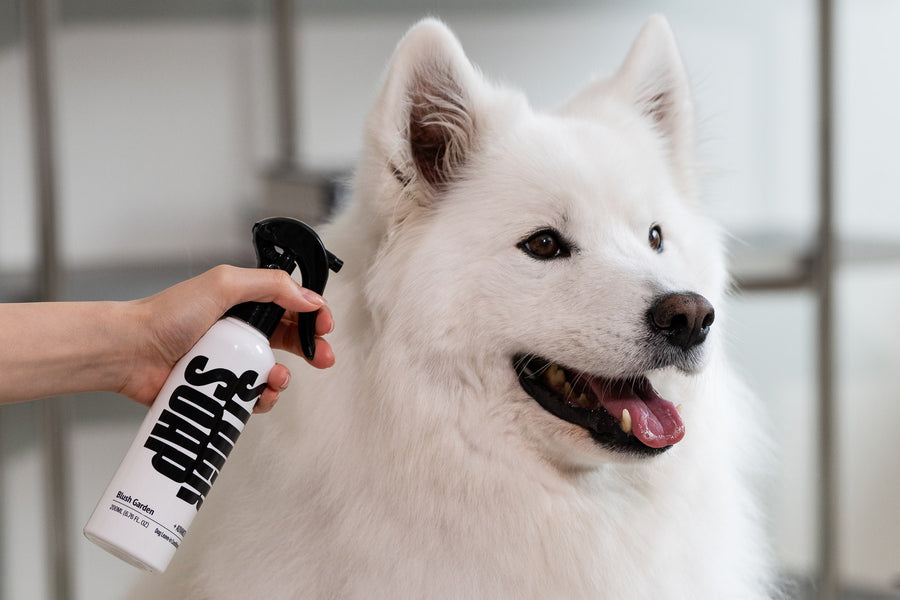
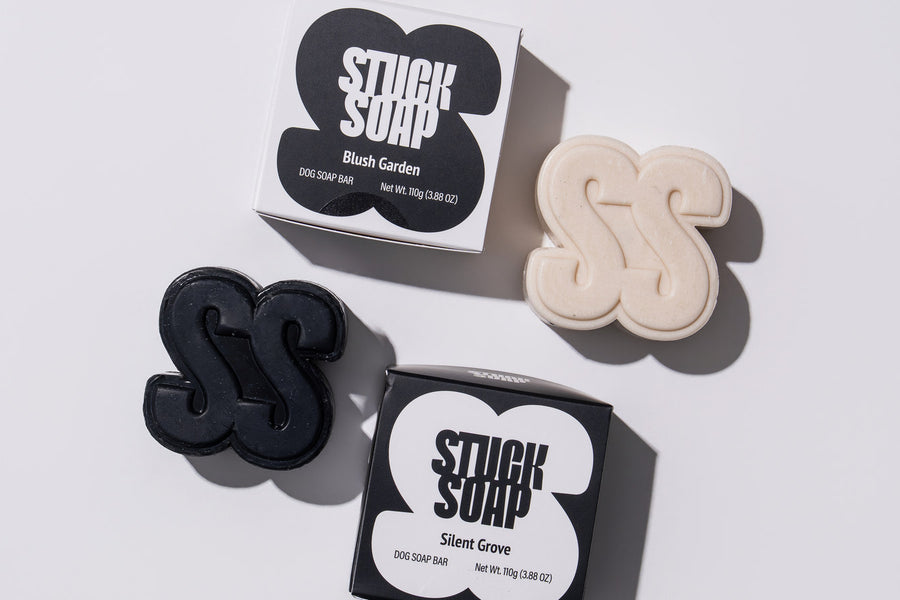
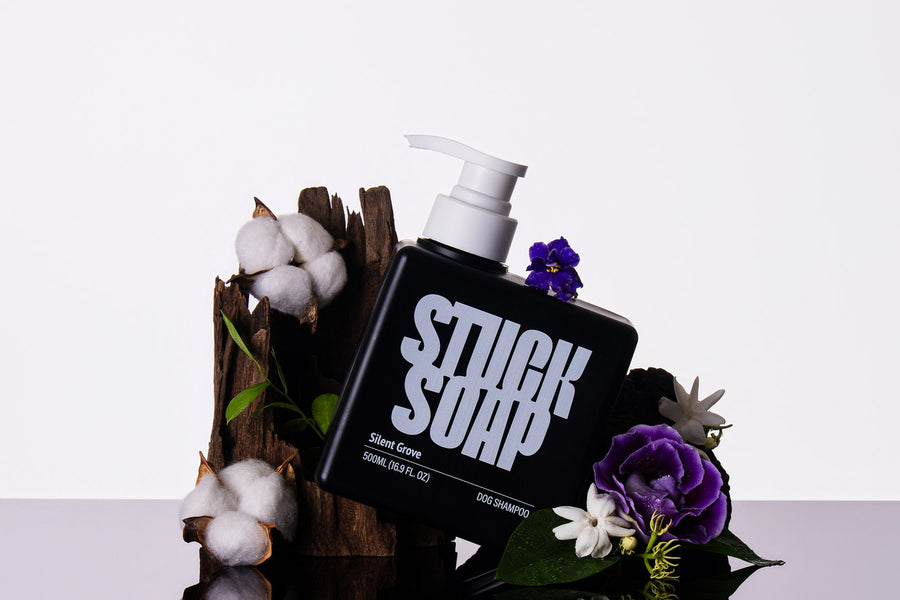
STUCK SOAP is built around three Jeju Island botanicals: green tea for antioxidant protection, camellia oil for moisture and coat shine, and centella asiatica (the famous K-beauty "cica" ingredient) for calming sensitive skin. Like royal jelly in human skincare, these ingredients are chosen to feed and protect the skin barrier rather than fight it. Our formulas are vegan, pH-balanced, and plant-based, designed to support healthy skin and a glossy coat the gentle, Korean way.
Think of it this way. Royal jelly is a star example of the K-beauty philosophy at work. STUCK SOAP applies that same philosophy to the products your dog actually bathes in, so the cleansing step of your routine works with your dog's skin instead of against it.
How to Try Royal Jelly Safely
If royal jelly has caught your attention, here is how to approach it responsibly for your dog.
Talk to your veterinarian first. This is the single most important step, especially if your dog is on medication, pregnant, intended for breeding, or has a history of allergies. Safe use of bee products in pregnant or breeding dogs has not been established.
Watch for bee-product allergies. Royal jelly is a bee-derived ingredient, and some dogs (like some people) can react to it. Introduce any new royal jelly supplement or product in a small amount and monitor for itching, swelling, digestive upset, or other signs of sensitivity.
Choose products made for dogs. A human royal jelly cream is formulated for human skin, which sits at a different pH than your dog's. Look for royal jelly supplements or grooming products that are specifically designed for canine use.
Be patient and consistent. Skin and coat changes take time. With nutritional support such as omega fatty acids, results often take four to six weeks, and royal jelly is no different. Give any new addition a fair, consistent trial before judging it.
Pair it with gentle bathing. Even the best supplement cannot outwork a harsh shampoo. Bathing with a gentle, pH-balanced, sulfate-free wash protects the skin barrier so your dog gets the full benefit of whatever nourishment you add.
Frequently Asked Questions
Is royal jelly safe for dogs?
Royal jelly is used in commercial canine supplements and grooming products and is generally considered well tolerated by most dogs. However, because it is a bee product, it can trigger allergic reactions in sensitive dogs, and its safety in pregnant or breeding dogs has not been established. Always check with your veterinarian before starting it.
What does royal jelly do for a dog's coat?
Royal jelly supplies proteins, lipids, amino acids, and B vitamins that may support the hair-growth cycle. Coat supplements that use it are marketed to help reduce excessive shedding and support thin or dull coats by encouraging healthier regrowth, though most direct evidence comes from product use rather than large canine studies.
Is royal jelly a K-beauty ingredient?
Yes. Royal jelly is a well-known ingredient in Korean skincare, especially in rich, nourishing creams and essences. Its appeal comes from 10-HDA and major royal jelly proteins, which lab studies link to collagen support, antioxidant activity, and a calmer, healthier skin environment.
Does STUCK SOAP contain royal jelly?
No. STUCK SOAP shampoos are built around green tea, camellia oil, and centella asiatica from Jeju Island. They are vegan and plant-based. Royal jelly is a great example of the K-beauty philosophy, and STUCK SOAP applies that same gentle, barrier-first approach using plant botanicals.
Can I put human royal jelly cream on my dog?
It is not recommended. Human skincare is formulated for human skin pH and is not designed for dogs, who can also lick topical products off their coat. If you want to try royal jelly, choose a supplement or grooming product made specifically for dogs and ask your vet first.
The Bottom Line
Royal jelly earned its K-beauty crown for good reasons. Its signature compound 10-HDA, along with its proteins and antioxidants, has shown collagen-supporting, anti-inflammatory, antioxidant, and antibacterial activity in laboratory research. Those same qualities make royal jelly for dogs a genuinely interesting ingredient to explore, and it already appears in premium canine coat supplements and grooming lines.
The smart move is to treat royal jelly as a nourishing option, not a miracle, and to introduce it carefully with your veterinarian's guidance. Above all, remember that the real lesson of K-beauty is the philosophy itself: gentle, ingredient-first care that respects your dog's skin barrier. Get the basics right, including a gentle bath, and your dog's coat will thank you.
Sources & References
- Antioxidant and Anti-Inflammatory Properties of Hydrolyzed Royal Jelly Peptide in Human Dermal Fibroblasts — Bioengineering (MDPI)
- Royal Jelly Enhances Migration of Human Dermal Fibroblasts in an In Vitro Wound Healing Model — PMC / NCBI
- Royal Jelly Increases Collagen Production in Rat Skin After Ovariectomy — PMC / NCBI
- Molecular Insights into Royal Jelly Anti-Inflammatory Properties and Related Diseases — PMC / NCBI
- Inhibition of Skin Pathogenic Bacteria, Antioxidant and Anti-Inflammatory Activity of Royal Jelly — PMC / NCBI
- No. 91 Royal Jelly Coat Supplement — Isle of Dogs
- Fish Oil for Dogs: What to Know — American Kennel Club
Give Your Dog the K-Beauty Spa Treatment
Royal jelly shows what gentle, nourish-first skincare can do, and STUCK SOAP brings that same K-beauty philosophy to bath time. Our vegan, pH-balanced shampoos use green tea, camellia oil, and centella asiatica from Jeju Island to support a calm, healthy, glossy coat the gentle Korean way.
Shop Stuck Soap →Vegan · pH-Balanced · Jeju Island Botanicals · Zero Waste