


It's a hot summer afternoon, you slice into a chilled watermelon, and suddenly your dog is staring at you with those hopeful eyes. Before you toss a piece their way, you might be wondering: is watermelon for dogs actually safe, and does it do anything good for them? The short answer is that this juicy fruit can be a wonderful summer treat, and it also happens to be one of the most talked-about ingredients in K-beauty right now.
Here's where it gets interesting. Watermelon isn't just a refreshing snack. In Korea, it has been a cherished summer skincare ritual for generations, and modern K-beauty brands have turned watermelon extract into a cult-favorite hydration ingredient. That same logic that makes K-beauty so gentle and effective for human skin is exactly the philosophy behind premium dog grooming today.
In this guide, we'll cover whether dogs can safely eat watermelon, why it became a K-beauty hydration star, and what the science suggests about hydration and antioxidants for your dog's skin and coat. Let's dig in.
Table of Contents
- Can Dogs Eat Watermelon? The Safety Facts
- Why Watermelon Became a K-Beauty Hydration Hero
- From Human Skincare to Your Dog's Skin: What the Science Suggests
- A Real Summer Hydration Strategy for Your Dog's Skin
- How STUCK SOAP Brings K-Beauty Hydration to Dog Grooming
- Frequently Asked Questions
- Sources & References
Can Dogs Eat Watermelon? The Safety Facts
Yes, dogs can safely eat watermelon, as long as you remove the seeds and rind first. Veterinary sources including the American Kennel Club and PetMD confirm that the flesh of a watermelon is non-toxic and can be a healthy, hydrating treat for most dogs.
And it's genuinely good for them in moderation. Watermelon is about 92% water and only roughly 50 calories per cup, which makes it a hydrating, low-calorie option on a hot day. It also delivers vitamins A, B6, and C, plus potassium, and it contains lycopene, an antioxidant that helps combat free radicals and may help reduce inflammation.
That said, two parts of the watermelon are off-limits:
- Seeds: A few stray seeds likely won't hurt a large dog, but seeds can pose a choking and digestive-blockage risk, especially for small dogs. It's safest to remove them entirely.
- Rind: The tough, fibrous green rind is difficult for dogs to digest and can cause choking or an intestinal blockage. Skip it.
The golden rule of treats applies here: watermelon should make up no more than 10% of your dog's daily calories. For most dogs that means a few bite-sized pieces of seedless, rind-free flesh. As always, check with your veterinarian before introducing any new food, and watch for digestive upset the first time you offer it.
Why Watermelon Became a K-Beauty Hydration Hero
Long before watermelon serums and sleeping masks lined beauty shelves, Korean grandmothers were rubbing chilled watermelon rind on sun-parched skin to soothe heat rash and irritation. Watermelon is one of Korea's most beloved summer fruits, woven into family gatherings and passed-down, do-it-yourself skincare rituals.
The modern K-beauty obsession really took off with Glow Recipe's Watermelon Glow Sleeping Mask, which earned a cult following for leaving skin softer, calmer, and more radiant. Suddenly "watermelon skincare" was everywhere, and for good reason. The science behind it is surprisingly elegant.
Here's what makes watermelon extract (listed on labels as Citrullus lanatus fruit extract) so effective:
- Citrulline for cellular hydration: Watermelon is rich in citrulline, an amino acid that has been shown to enhance aquaporin-3 expression. Aquaporins are tiny channels that help skin cells transport and hold onto water, so this supports hydration at the cellular level, not just on the surface.
- Lycopene for antioxidant defense: The same antioxidant that gives watermelon its red color helps protect skin against UV-induced oxidative stress and environmental damage.
- Amino acids and vitamins: Watermelon delivers a blend of amino acids plus vitamins A, B6, and C that support a healthy, comfortable skin surface.
- Soothing, lightweight feel: Because it's so water-rich, watermelon extract hydrates without heaviness, which is why it works across dry, oily, and sensitive skin types.
In other words, watermelon embodies the entire K-beauty philosophy: gentle, hydration-first, ingredient-led care that works with the skin rather than stripping it.
From Human Skincare to Your Dog's Skin: What the Science Suggests
So if watermelon is a hydration hero for human skin, what about your dog's? This is where we need to be honest and careful. Watermelon extract is not yet a standard, well-studied topical ingredient in canine dermatology, so the most accurate framing is that we're exploring its potential through the lens of what we know about skin biology.
And the parallels are real. A dog's skin, like ours, relies on hydration and a healthy barrier to stay comfortable and resilient. Veterinarians note that dry, flaky skin and a dull coat can be a sign of dehydration, and that the problem often worsens in hot weather or after exercise. The skin-cell machinery that watermelon's citrulline supports in humans, namely water transport and retention, is biologically similar across mammals.
Antioxidants also have a recognized place in canine skin and coat support. Ingredients like green tea are already used to help manage itching, redness, and sensitivity caused by environmental stressors, and lycopene belongs to that same antioxidant family. So the concept behind watermelon, namely hydration plus antioxidant defense, aligns well with what dog skin actually needs.
The key caution: this is about the gentle, hydrating principle watermelon represents, not a recommendation to slather watermelon juice on your dog or rely on it as a treatment. For any skin condition, your veterinarian is the right first call. Think of watermelon as a delicious illustration of why hydration-focused, antioxidant-rich, K-beauty-style care makes sense for dogs too.
A Real Summer Hydration Strategy for Your Dog's Skin
Rather than chasing a single trendy ingredient, the smartest approach is to support your dog's hydration from the inside and the outside. Here's a practical, vet-aligned summer plan:
- Keep water everywhere. Fresh, clean water should always be available, with extra bowls out during hot weather and after walks. Adding water or a little canned food to meals can boost moisture intake, which is especially helpful for senior dogs.
- Offer hydrating treats in moderation. Seedless, rind-free watermelon pieces are a great summer option at up to 10% of daily calories. Frozen chunks make a fun heat-beating snack.
- Feed for skin health. Omega-3, 6, and 9 fatty acids support skin hydration, elasticity, and a glossy coat. Ask your vet about the right omega supplement for your dog.
- Bathe gently, not constantly. Over-washing or using a harsh, high-pH shampoo strips the natural oils that lock in moisture. Choose a pH-balanced, plant-based formula that cleans without drying.
- Protect the skin barrier. A strong barrier is what holds hydration in. Gentle, K-beauty-inspired ingredients support that barrier rather than compromising it.
Notice the theme: hydration is a system, not a single product. Watermelon is one tasty piece of the puzzle, and gentle grooming is another.
How STUCK SOAP Brings K-Beauty Hydration to Dog Grooming
This is exactly the gap STUCK SOAP was built to fill. While watermelon isn't an ingredient in our products, the hydration-first, barrier-respecting K-beauty philosophy behind the watermelon trend is the heart of how we formulate.
STUCK SOAP brings real K-beauty botanicals to dog grooming, with star ingredients sourced from Jeju Island, Korea:
- Green Tea for antioxidant protection, the same family of free-radical defense that makes watermelon's lycopene so valued.
- Camellia Oil, Korea's treasured "liquid gold," for lightweight moisture and coat shine.
- Centella Asiatica (Cica), K-beauty's go-to calming ingredient, to support sensitive, irritated skin.
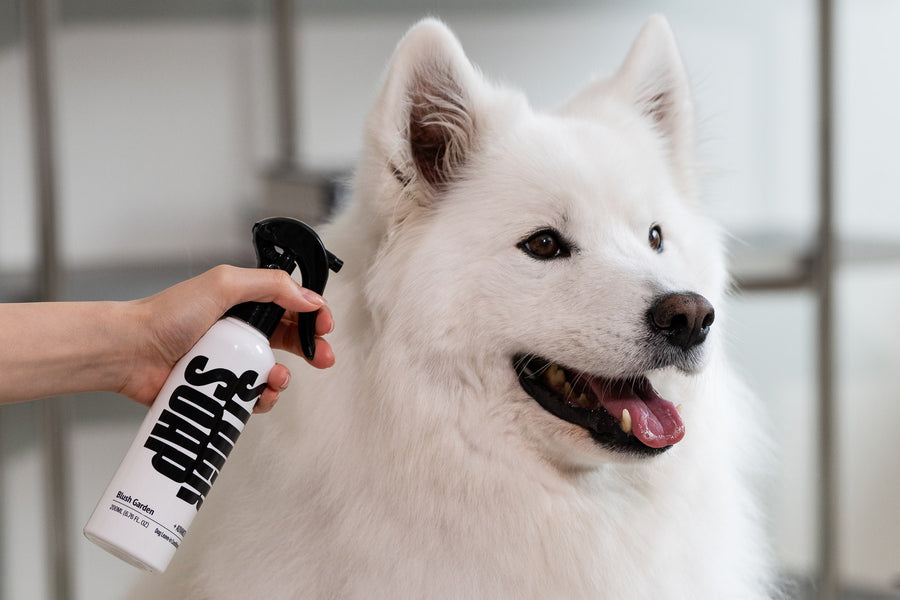
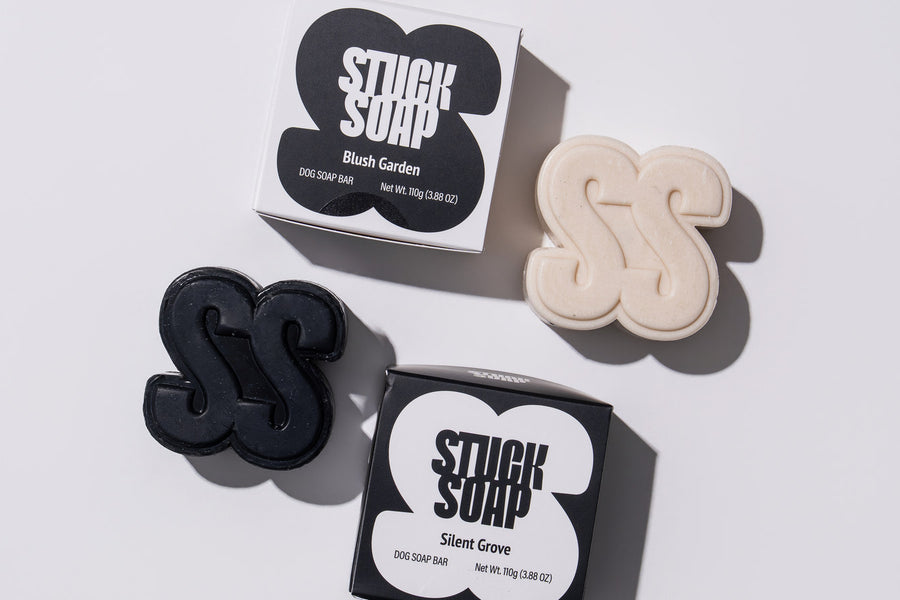
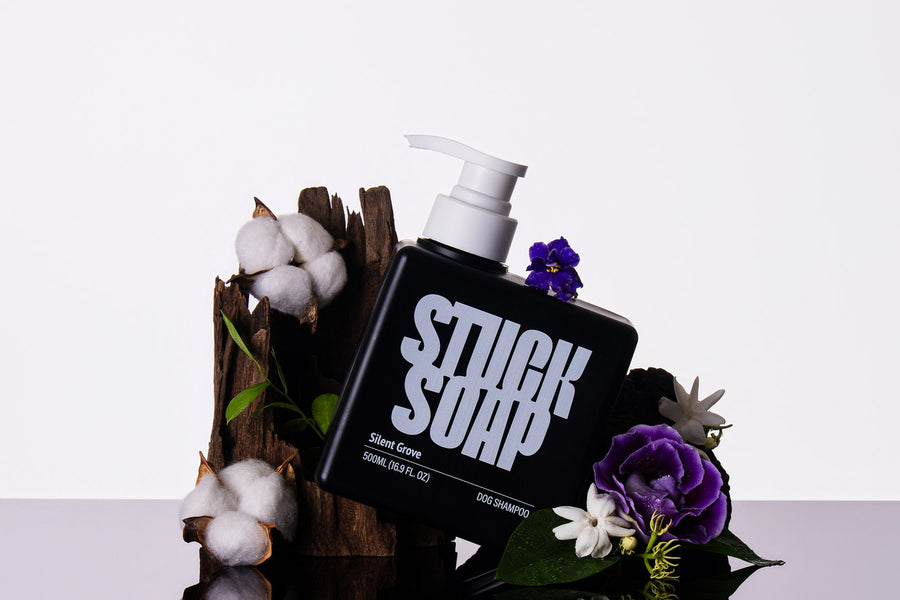
Every formula is vegan, pH-balanced, and plant-based, designed to clean deeply while protecting the skin barrier that keeps moisture locked in. Whether you reach for our high-concentrate Liquid Shampoo or the zero-waste Shampoo Bar, the goal is the same as that bowl of summer watermelon: gentle, hydrating, feel-good care your dog deserves.
Frequently Asked Questions
Can dogs eat watermelon every day?
Watermelon should be an occasional treat, not a daily staple. Keep all treats to no more than 10% of your dog's daily calories, and always serve it seedless and without the rind.
Is watermelon good for a dog's skin and coat?
As a hydrating, antioxidant-rich treat, watermelon supports overall hydration, which benefits skin and coat health. There's no strong evidence that topical watermelon treats skin conditions in dogs, so see it as part of a broader hydration plan rather than a cure.
What happens if my dog eats watermelon seeds or rind?
A few seeds usually pass without trouble in larger dogs, but seeds and rind can cause choking or intestinal blockage, especially in small dogs. If your dog eats a lot of rind or shows signs of digestive distress like vomiting, straining, or lethargy, contact your veterinarian.
Why is watermelon trending in K-beauty?
Watermelon is about 92% water and rich in citrulline, lycopene, and amino acids that support cellular hydration and antioxidant defense. Rooted in a Korean tradition of using watermelon to soothe summer skin, it became a modern K-beauty icon through products like watermelon sleeping masks.
How can I keep my dog hydrated in summer?
Provide constant access to fresh water, offer hydrating treats like seedless watermelon, consider adding moisture to meals, and use a gentle, pH-balanced shampoo that won't strip your dog's skin of its natural oils.
The Bottom Line
Watermelon is a refreshing, vet-approved summer treat for dogs when you remove the seeds and rind and keep portions sensible. It's also a perfect symbol of why K-beauty's hydration-first, gentle approach has captured pet parents' attention: the very qualities that make watermelon a skincare hero, namely water-rich hydration and antioxidant protection, are the same qualities your dog's skin craves in the summer heat.
Pair smart hydration habits with gentle, K-beauty-inspired grooming, and you'll help your pup stay cool, comfortable, and glowing all season long.
Sources & References
- Can Dogs Eat Watermelon? Is Watermelon Safe for Dogs? — American Kennel Club
- Can Dogs Eat Watermelon? Benefits and Risks — PetMD
- Citrullus Lanatus (Watermelon) Fruit Extract Explained — INCIDecoder
- Why Watermelon Is the Hottest Korean Skincare Trend — W Magazine
- How To Moisturize Dog Skin: Keeping the Coat Soft — The Pet Lab Co.
Give Your Dog the K-Beauty Spa Treatment
Summer hydration starts in the bowl and continues in the bath. STUCK SOAP pairs Jeju Island botanicals like green tea, camellia oil, and centella asiatica with a gentle, pH-balanced formula that cleans deeply while protecting the skin barrier that locks in moisture.
Shop Stuck Soap →Vegan · pH-Balanced · Jeju Island Botanicals · Zero Waste