


Open any K-Beauty roundup this year and you will spot a small, knobbly Korean citrus fruit turning up everywhere: yuzu. Beauty editors keep calling it a gentler, more stable alternative to traditional vitamin C serums, prized for brightening skin and fighting dullness. So if it is that good for human skin, it is natural to wonder about yuzu for dogs, and whether this trendy citrus could help your pup's skin and coat too.
Here is the honest answer up front: the antioxidant philosophy behind yuzu is genuinely relevant to your dog's skin, but yuzu itself, especially in oil or essential-oil form, is not something you should apply to or feed your dog. Citrus and dogs have a famously complicated relationship, and the trend that is winning over skincare fans does not translate directly to the dog bath.
In this guide, we will explain what yuzu actually is, why it became a K-Beauty darling, what veterinary science says about citrus and canine skin, and the dog-safe ways to give your pet the same antioxidant protection, the K-Beauty way.
Table of Contents
- What Is Yuzu? K-Beauty's Trending Citrus Star
- Why Yuzu Took Over K-Beauty Skincare
- Is Yuzu Safe for Dogs? The Honest Answer
- What Dogs Actually Need: Antioxidants for Skin and Coat
- Dog-Safe K-Beauty Antioxidants That Work
- How to Give Your Dog Antioxidant Benefits Safely
- Frequently Asked Questions
- Sources & References
What Is Yuzu? K-Beauty's Trending Citrus Star
Yuzu (yuja, or 유자 in Korean) is a fragrant East Asian citrus fruit that looks like a small, bumpy grapefruit and tastes like a cross between a lemon, a mandarin, and a lime. In Korea and Japan it has been used for centuries in teas, marmalades, and warm winter baths.
In the last few years, yuzu has jumped from the kitchen to the vanity. K-Beauty brands now feature yuzu extract in serums, essences, and cleansers, marketing it as a bright, uplifting antioxidant that does the work of vitamin C without the harshness many people associate with synthetic ascorbic acid.
What makes yuzu stand out is its nutrient density. The fruit is reported to contain roughly three times more vitamin C than a lemon, alongside a cocktail of plant compounds like hesperidin, naringin, and limonene. That combination is exactly why skincare formulators love it, and, as we will see, also why it deserves caution around dogs.
Why Yuzu Took Over K-Beauty Skincare
K-Beauty is built on an ingredient-first philosophy: gentle, layered, and focused on supporting the skin barrier rather than stripping it. Yuzu fits that ethos neatly, which is a big part of why it became a breakout star.
The headline benefit is brightening. Yuzu's vitamin C and flavonoids help neutralize the free radicals generated by UV light and pollution, the same free radicals that contribute to dullness and uneven tone over time. Vitamin C is also a key cofactor in collagen synthesis, which supports firmer, healthier-looking skin.
Beauty formulators also like that yuzu-derived vitamin C tends to be gentler and more stable than high-percentage L-ascorbic acid serums, which can sting sensitive skin and degrade quickly. Yuzu-infused products are typically lightweight and fast-absorbing, leaving no greasy residue, which suits the famously thin, layerable textures of Korean skincare.
So in the human skincare world, yuzu earns its hype: it is an antioxidant brightener with a clean, sensorial appeal. The question is whether any of that carries over to your dog.
Is Yuzu Safe for Dogs? The Honest Answer
This is where we have to separate the trend from the science. The compounds that make yuzu appealing for human skin, particularly its concentrated citrus oils, are exactly the ones that raise red flags for dogs.
Citrus oils contain limonene and linalool, naturally occurring compounds with insecticidal properties. When a dog ingests them in concentrated form, they are metabolized in the liver and can cause toxicity. The ASPCA classifies citrus fruits as toxic to dogs, and veterinary sources note that concentrated citrus essential oils can trigger anything from stomach upset to, in severe cases, liver damage and nervous system effects.
Citrus peels and oils also contain psoralens, phototoxic compounds that increase the skin's sensitivity to sunlight. Applied topically, that can mean irritation and a higher risk of a sun-triggered skin reaction, which is the opposite of what you want from a grooming product.
There is also the licking problem. Dogs groom themselves constantly, so anything applied to the coat is likely to be ingested. That means a topical citrus oil is not just a skin-contact concern; it can become an ingestion concern within minutes. For this reason, veterinarians broadly advise against applying citrus essential oils to dogs at all.
The nuance worth understanding: a trace, properly diluted botanical extract in a professionally formulated, pH-balanced dog product is a very different thing from a concentrated essential oil or a DIY yuzu rinse. But as a general rule, yuzu is not an ingredient you should be reaching for at home, and you should never apply a citrus essential oil to your dog or let them eat the fruit and peel.
What Dogs Actually Need: Antioxidants for Skin and Coat
Here is the good news. The real reason yuzu is interesting is not the citrus itself, it is the antioxidant principle behind it. And antioxidants absolutely matter for your dog's skin and coat.
Just like human skin, canine skin faces daily oxidative stress from UV exposure, pollution, and normal metabolism. Free radicals can damage skin cells and contribute to irritation, dryness, and a dull coat. Antioxidants help neutralize those free radicals before they do their damage.
Veterinary nutrition sources highlight vitamins C and E as two of the most important antioxidants for canine skin, where they help reduce the oxidative stress linked to chronic skin inflammation. Vitamin C also supports collagen synthesis and tissue repair. Other valuable players include beta-carotene, CoQ10, and the omega-3 fatty acids EPA and DHA, which are well documented for supporting skin and coat condition, including in dogs with atopic dermatitis.
In other words, your dog can get the same category of benefit that yuzu offers humans. The trick is delivering it through ingredients and formats that are actually safe for dogs, rather than borrowing a citrus trend designed for human faces.
Dog-Safe K-Beauty Antioxidants That Work
This is exactly where K-Beauty's ingredient toolbox shines, because plenty of its hero antioxidants are gentle, plant-based, and genuinely appropriate for dogs. You do not need citrus to get glow.
Green tea extract is a standout. Rich in polyphenols called catechins, green tea is a potent antioxidant that may help soothe and protect the skin while supporting a healthier-looking coat. It is a cornerstone K-Beauty ingredient and, unlike citrus oil, it is well suited to a dog's grooming routine.
Camellia oil (known in Korea as 동백유, or tsubaki oil) is another treasured Korean beauty botanical. It is loaded with antioxidants and fatty acids that are designed to support moisture and a glossy, conditioned coat, without the photosensitizing risk of citrus.
Centella asiatica (cica) rounds out the trio. This calming, barrier-supporting herb is K-Beauty's go-to for sensitive, irritated skin, and it brings antioxidant benefits along with its soothing reputation.
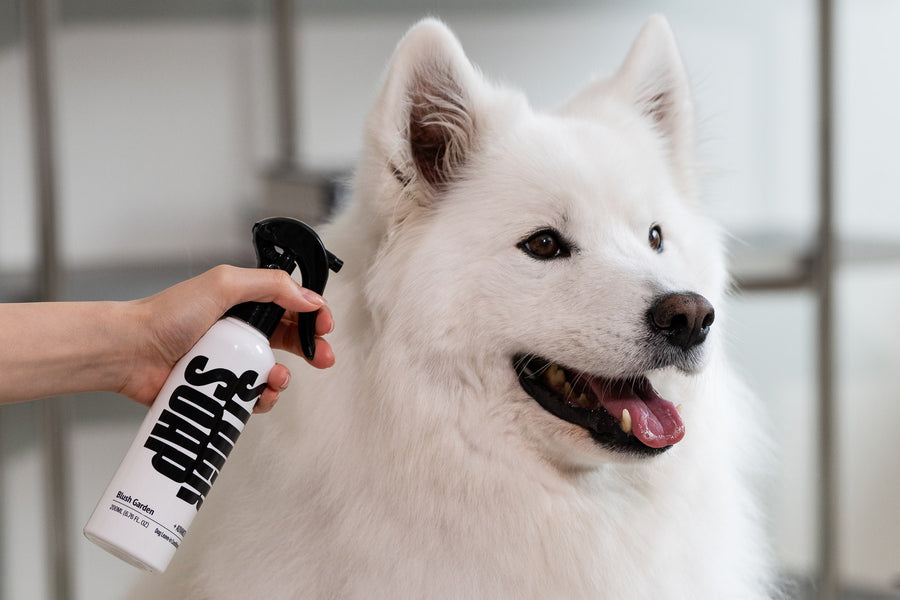
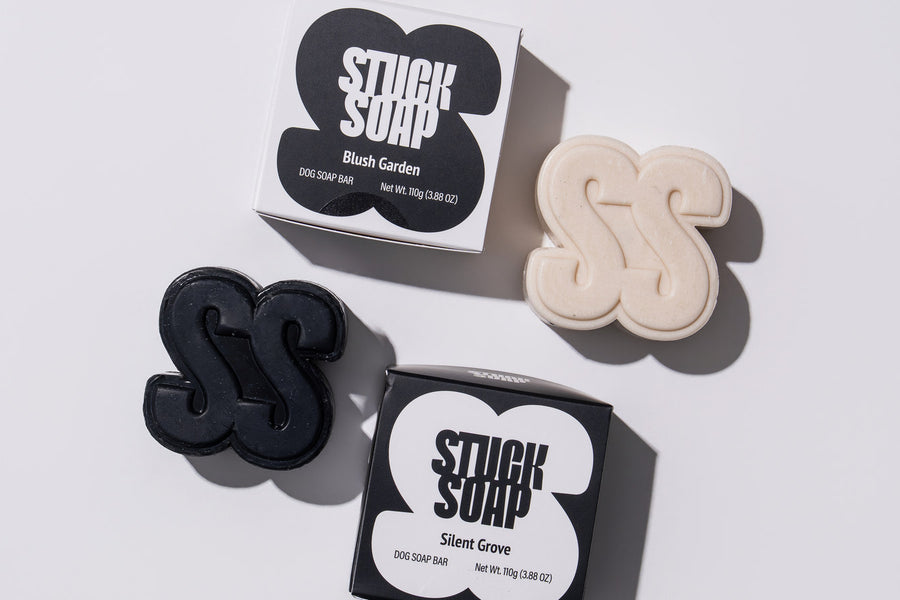
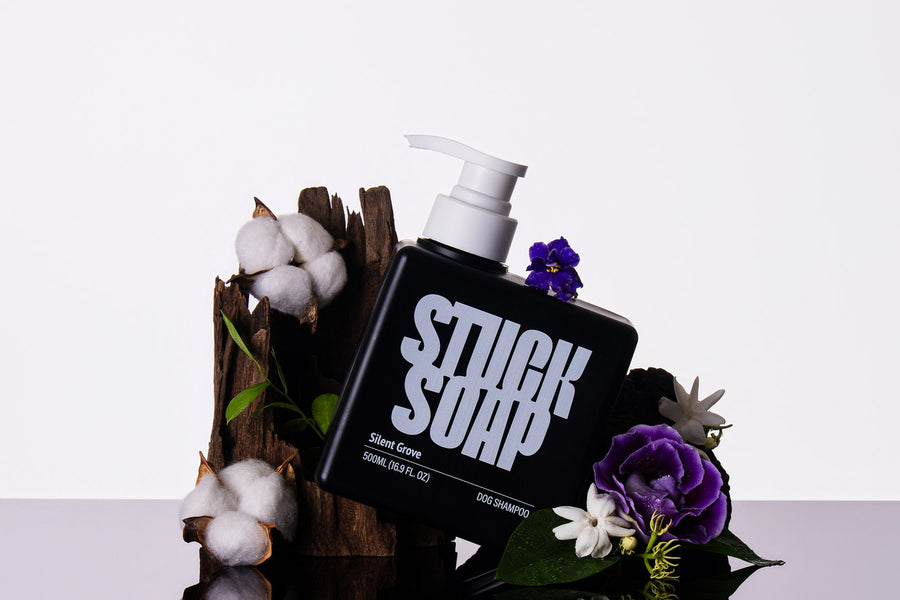
At Stuck Soap, we lean on exactly these dog-safe K-Beauty botanicals, Jeju Island green tea, camellia oil, and centella asiatica, rather than chasing trendy ingredients that were never meant for pets. It is the K-Beauty philosophy of gentle, antioxidant-rich, barrier-first care, translated responsibly for your dog's skin.
How to Give Your Dog Antioxidant Benefits Safely
You can absolutely build antioxidant support into your dog's routine. Here is how to do it the smart, vet-aware way:
1. Skip the citrus oils. Never apply yuzu, lemon, orange, or other citrus essential oils to your dog's skin or coat, and keep the fruit and peels out of reach.
2. Choose products with dog-appropriate antioxidants. Look for gentle, plant-based ingredients like green tea, camellia oil, and centella asiatica on the label, formulated specifically for dogs and pH-balanced for their skin.
3. Support antioxidants from the inside out. Ask your vet about omega-3 fatty acids and antioxidant-rich foods, which work alongside topical care to support skin and coat from within.
4. Patch test new products. Even gentle ingredients can occasionally cause sensitivity. Introduce anything new gradually and watch for redness or itching.
5. When in doubt, ask your veterinarian. This is especially important for dogs with existing skin conditions, allergies, or sensitivities.
Frequently Asked Questions
Is yuzu safe for dogs?
Yuzu is not recommended for dogs. As a citrus fruit, it contains limonene, linalool, and psoralens, which can cause digestive upset, photosensitivity, and, in concentrated forms like essential oils, liver and nervous system toxicity. Never apply citrus oils to your dog or feed them the fruit and peel.
Can I use yuzu skincare products on my dog?
No. Yuzu skincare is formulated for human skin, which has a different pH than canine skin, and citrus oils are not safe for dogs who will likely lick the treated area. Use products made specifically for dogs with dog-safe antioxidant ingredients instead.
What K-Beauty ingredients are actually safe for dogs?
Green tea extract, camellia oil, and centella asiatica are gentle, antioxidant-rich, plant-based K-Beauty ingredients that are well suited to dog grooming when used in a properly formulated, pH-balanced product.
Do dogs need antioxidants for their skin?
Yes. Antioxidants like vitamins C and E help neutralize free radicals from UV light and pollution that can contribute to skin irritation, dryness, and a dull coat. Dogs can get these benefits through dog-safe topical products and antioxidant-rich nutrition.
My dog ate a piece of yuzu. Should I worry?
A tiny nibble of citrus flesh is unlikely to cause serious harm, but it can cause stomach upset, and the peel and seeds are more concerning. If your dog ate a significant amount or shows symptoms like vomiting, drooling, or lethargy, contact your veterinarian or a pet poison helpline.
The Bottom Line on Yuzu for Dogs
Yuzu earned its K-Beauty crown for good reason, it is a bright, gentle, antioxidant-rich vitamin C source for human skin. But the trend does not cross the species line. As a citrus, yuzu carries real risks for dogs, from limonene and psoralens to the photosensitivity and ingestion concerns that come with grooming.
The smarter move is to keep the antioxidant principle and ditch the citrus. Dog-safe K-Beauty botanicals like green tea, camellia oil, and centella asiatica deliver the gentle, free-radical-fighting care your dog's skin and coat actually need. That is the heart of K-Beauty for dogs: ingredient-first thinking, applied responsibly.
Sources & References
- Are Essential Oils Safe for Dogs? — American Kennel Club (AKC)
- Essential Oils Safe for Dogs: 7 To Use and 12 To Avoid — PetMD
- Can Dogs Eat Citrus Fruit? Vet-Verified Nutrition Facts — Dogster
- Citrus Oil Toxicity in Dogs — Wag!
- Yuzu Extract in Skincare: Hydration and Brightening Benefits — Clinikally
Give Your Dog the K-Beauty Spa Treatment
You do not need a trendy citrus to give your dog glow. Stuck Soap harnesses dog-safe K-Beauty botanicals, Jeju Island green tea, camellia oil, and centella asiatica, in a vegan, pH-balanced formula designed to support healthy skin and a radiant coat. It is antioxidant-rich K-Beauty care, made responsibly for dogs.
Shop Stuck Soap →Vegan · pH-Balanced · Jeju Island Botanicals · Zero Waste