


Walk down any K-beauty aisle and you'll spot a humble hero hiding in plain sight: the red bean. Long before niacinamide and snail mucin trended online, Korean women were grinding adzuki beans (팥, also called red beans) into a soft powder to cleanse and polish their complexions. So it's fair to ask the question dog parents keep sending us: is there a place for adzuki bean for dogs in a skin-and-coat routine?
The short answer is that adzuki bean is a beautiful case study in gentle, plant-based cleansing, which happens to be the exact philosophy behind modern K-beauty dog care. Red bean isn't a miracle cure, and it isn't in every grooming product on the shelf. But understanding why it has lasted for centuries tells you a lot about what your dog's skin actually needs.
In this guide we'll unpack what adzuki bean is, why K-beauty formulators still reach for it, what the science could mean for canine skin and coat, and whether it's safe to share a spoonful with your pup. As always with ingredients that haven't been studied deeply in dogs, we'll stay honest about what's proven versus what's simply promising.
Table of Contents
- What Is Adzuki Bean? K-Beauty's Original Red Bean Cleanser
- Why K-Beauty Loves Red Bean: Saponins, Antioxidants & Gentle Polishing
- Adzuki Bean for Dogs: What the K-Beauty Angle Could Mean for Canine Skin
- Can Dogs Eat Adzuki Beans? Safety, Benefits & Cautions
- The Real Lesson: Gentle, Plant-Based Cleansing Is the K-Beauty Way
- Practical Tips: Bringing the Red Bean Philosophy Home
- Frequently Asked Questions
- Sources & References
What Is Adzuki Bean? K-Beauty's Original Red Bean Cleanser
The adzuki bean (Vigna angularis, sometimes listed on labels as Phaseolus angularis) is a small, deep-red bean native to East Asia. In Korea it's known as 팥, and most people first meet it as a food: the sweet red-bean paste tucked inside rice cakes, bingsu, and pastries. What fewer people realize is that red bean has a second, much older life as a beauty ingredient.
Centuries ago, Korean women ground red beans into a fine powder and mixed it with water to smooth, cleanse, and brighten the complexion. Historians of Korean beauty note that red bean was traditionally used alongside mung bean as a natural facial cleanser, making it one of the earliest ingredients in the entire canon of Korean skincare. This tradition sits within hanbang, the world of Korean herbal medicine whose foundational texts, like the 17th-century Donguibogam, still shape formulations today.
That heritage is exactly why you see red bean on modern shelves. Hanbang-inspired brands such as Beauty of Joseon have built entire lines around Phaseolus angularis seed extract, using it in cleansers, masks, and pore-care products. When a plant survives from the Joseon dynasty to a viral 2020s serum, it usually means the ingredient is doing something real.
Why K-Beauty Loves Red Bean: Saponins, Antioxidants & Gentle Polishing
Red bean earns its keep through a handful of naturally occurring compounds. The headliner is saponin, a plant molecule that foams gently in water. Saponins act as mild, plant-derived cleansers: they emulsify oils and lift away dirt and dead skin without the harshness associated with strong synthetic surfactants. That is the whole reason red bean worked as a stand-alone cleanser long before "sulfate-free" was a marketing phrase.
Second is texture. When adzuki beans are milled into a soft powder, the tiny grains create a non-abrasive, physical polish. Unlike acids or gritty scrubs, this style of gentle buffing lifts flakes and buildup while being far less likely to over-exfoliate or irritate. K-beauty prizes this "polish, don't punish" approach.
Third is the antioxidant story. Adzuki beans are rich in phytochemicals including procyanidins, anthocyanins, flavonoids, and tannins. Most of these act as antioxidants, helping to neutralize the free radicals behind dull, stressed-looking skin. On the nutrition side, adzuki beans are impressive too: about 100 grams delivers roughly 20 grams of protein (around 35% of the daily reference intake), and a single small serving can supply close to half a day's folate, plus iron, copper, magnesium, and B vitamins.
Put together, that's a gentle cleanser, a soft polish, and an antioxidant boost from one unassuming bean. It's easy to see why formulators keep coming back to it.
Adzuki Bean for Dogs: What the K-Beauty Angle Could Mean for Canine Skin
Here's where we have to be careful and clear. Red bean is well documented for human skin, but there is very little published research on topical adzuki bean specifically for dogs. So think of this section as exploring potential, not making promises.
The concept that translates most cleanly is gentle, saponin-style cleansing. A dog's skin is more delicate than many owners assume. Canine skin has a thinner outer layer and a more neutral pH than human skin (research generally places it in the 6.5 to 7.5 range, versus roughly 5.5 for people). That means harsh, high-foaming detergents can strip a dog's protective barrier quickly, leaving skin dry, flaky, and itchy. A cleanser that lifts dirt and oil without stripping, which is precisely what saponins are known for, fits canine skin philosophy well.
The antioxidant angle is also worth noting. Just like ours, a dog's skin and coat face daily oxidative stress from UV exposure, pollution, and normal metabolism. Antioxidant-rich botanicals are a sensible support ingredient for overall coat health, which is why you already see green tea, vitamin E, and similar extracts across premium dog shampoos.
What does not translate is aggressive exfoliation. Because dog skin is thinner, DIY red-bean facial scrubs made for humans are not a good idea for pets, and dogs simply don't need the kind of resurfacing that a human anti-aging routine chases. The takeaway isn't "scrub your dog with red bean powder." It's that the qualities red bean is famous for, gentle cleansing and antioxidant support, describe what good dog skincare should aim for in the first place.
Can Dogs Eat Adzuki Beans? Safety, Benefits & Cautions
Many dog parents meet adzuki beans in the kitchen first, so this is the most common real-world question. The reassuring news is that adzuki beans are not toxic to dogs. Cooked plain, they can be a fine occasional addition, offering plant protein, fiber, and folate.
That said, "not toxic" is not the same as "feed freely." A few important cautions:
- Always cook them thoroughly. Raw or undercooked beans are hard for dogs to digest and contain compounds (including lectins and oxalates) that are better broken down by cooking.
- Keep portions small and infrequent. Their high fiber content can cause gas, loose stool, or stomach upset if a dog eats too much.
- Plain only. Skip salt, garlic, onion, and other seasonings, all of which can be harmful to dogs.
- Avoid sweet red-bean paste entirely. The version used in desserts is loaded with sugar and, in some products, may be made with xylitol, a sweetener that is highly toxic to dogs.
As with any new food, introduce a tiny amount, watch for any digestive changes, and check with your veterinarian first, especially if your dog has a sensitive stomach, kidney issues, or a history of food allergies.
The Real Lesson: Gentle, Plant-Based Cleansing Is the K-Beauty Way
Zoom out and red bean is really telling one big story: the best cleansing is gentle, plant-based, and pH-aware. Korean beauty never treated cleansing as "blast away everything." It treated cleansing as the careful first step that sets up healthy skin, which is exactly the mindset your dog's barrier needs.
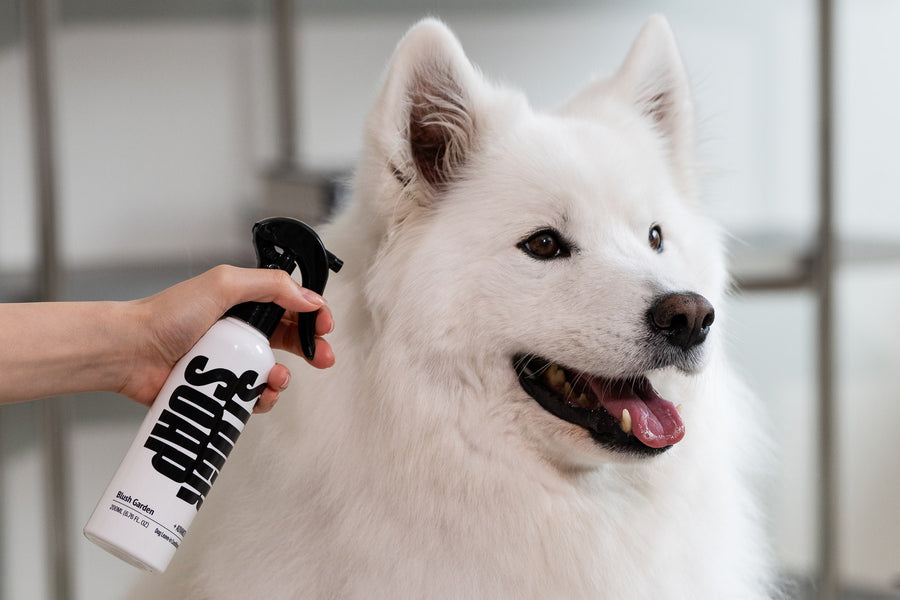
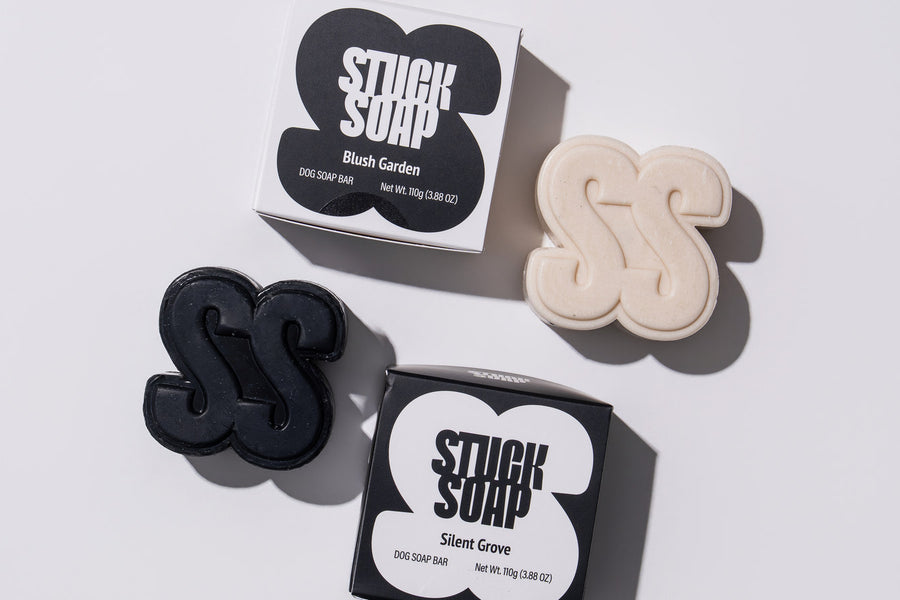
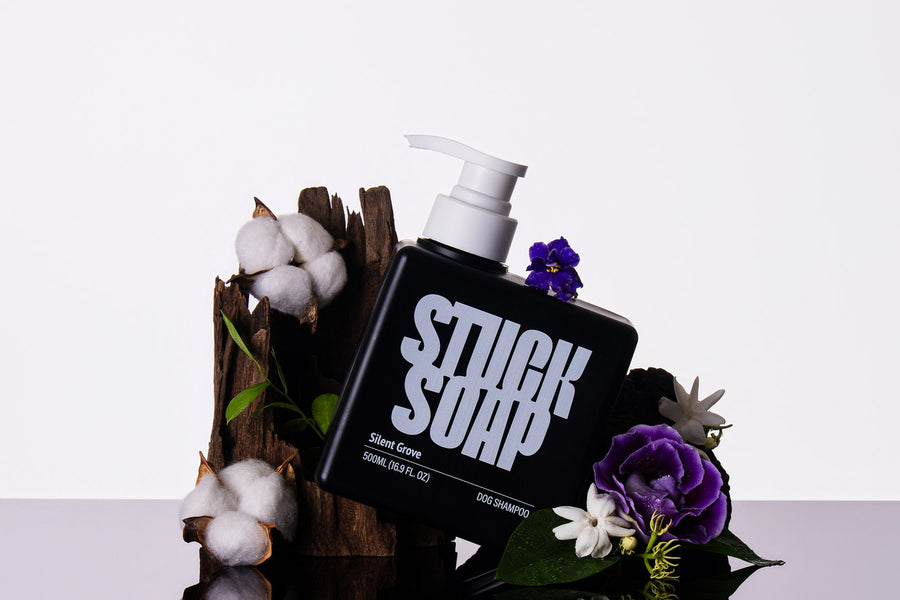
This is the philosophy STUCK SOAP is built on. Our shampoos don't use red bean, but they follow the same K-beauty logic that made red bean a classic: clean thoroughly without stripping, respect the skin barrier, and let plant-based botanicals do the heavy lifting. Our Liquid Shampoo and Shampoo Bar are pH-balanced, vegan, and powered by Jeju Island botanicals, Green Tea, Camellia Oil, and Centella Asiatica, so your dog gets a rich, fine-bubble lather that lifts dirt and odor while supporting a soft, comfortable coat.
In other words, you don't need to grind up beans at home to give your dog the red-bean experience. You need a formula designed around the same principles: gentle, botanical, and kind to the skin barrier.
Practical Tips: Bringing the Red Bean Philosophy Home
- Choose gentle over foamy-at-all-costs. A shampoo that cleans without stripping protects your dog's naturally neutral skin pH better than a harsh, over-sudsing one.
- Look for plant-based cleansers and antioxidants on the label. Botanical extracts like green tea and camellia deliver the same "clean plus protect" idea red bean is loved for.
- Don't over-bathe. Most dogs do well every three to four weeks; more than that can dry out even healthy skin.
- Rinse completely. Leftover product is a common, overlooked cause of post-bath itch.
- If you cook adzuki beans for your family, a spoonful of plain, well-cooked beans is a safe occasional treat, but keep the sweet paste for yourself.
Frequently Asked Questions
Is adzuki bean good for dogs' skin?
There's little dog-specific research on topical adzuki bean, so it's best viewed as promising rather than proven. The qualities red bean is known for in K-beauty, gentle saponin cleansing and antioxidant support, do describe what healthy dog skincare should aim for, which is why the philosophy matters more than the exact bean.
Can dogs eat cooked adzuki (red) beans?
Yes, in small amounts. Plain, thoroughly cooked adzuki beans are not toxic and can add protein, fiber, and folate. Serve them rarely and unseasoned, and avoid sweet red-bean paste, which is high in sugar and sometimes contains xylitol.
Should I scrub my dog with red bean powder?
No. Dog skin is thinner than human skin and doesn't need the resurfacing that human red-bean scrubs provide. Stick with a gentle, pH-balanced dog shampoo instead of DIY facial exfoliants.
Why is red bean so popular in Korean skincare?
Red bean is one of the oldest ingredients in Korean beauty. Its natural saponins let it cleanse gently with water, its milled grains offer soft, non-abrasive polishing, and its antioxidants help fight dullness, a rare all-in-one that hanbang brands still use today.
The Bottom Line
Adzuki bean won't reinvent your dog's grooming routine, but it's a wonderful reminder of what actually works: gentle, plant-based cleansing that respects the skin barrier. That centuries-old Korean wisdom, clean softly and let botanicals help, is the same standard worth holding every dog shampoo to. Whether or not a red bean is ever involved, your pup deserves a wash built on that philosophy.
Sources & References
- What Does Red Bean Do in Your Skincare Routine? — Beauty of Joseon
- Red Bean in Skincare: Benefits, Products, and Routine Tips — K-Beauty 365
- Phaseolus Angularis (Red Bean) Seed Extract — Sincere Skincare
- Adzuki Beans: Nutrition, Benefits and How to Cook Them — Healthline
- Health Benefits of Adzuki Beans — WebMD
- Can Dogs Eat Adzuki Beans Safely? — Dial A Vet
Give Your Dog the K-Beauty Spa Treatment
Red bean proved it centuries ago: the best cleansing is gentle, plant-based, and kind to the skin barrier. STUCK SOAP bottles that same K-beauty philosophy with pH-balanced, vegan formulas and Jeju Island botanicals, so your dog gets a rich, fine-bubble clean without the stripping.
Shop Stuck Soap →Vegan · pH-Balanced · Jeju Island Botanicals · Zero Waste