


Walk down the ingredient list of almost any premium Korean sheet mask or "glass skin" essence and you will likely spot something harvested from the ocean: seaweed, algae, or sea kelp. Marine botanicals are one of K-Beauty's most beloved categories, prized for their mineral density and quiet, barrier-loving effectiveness. So it is fair to ask the question dog owners keep asking about every trending skincare hero: could sea kelp for dogs deliver some of that same skin and coat magic?
Kelp is not a fringe idea in the pet world. It already shows up in premium dog supplements and grooming products marketed for shinier coats, calmer skin, and better overall condition. But there is a real difference between the marketing promise and what the science actually supports, and a few genuine safety notes every owner should understand before reaching for a jar.
This guide breaks down what sea kelp is, why K-Beauty formulators love it, what it may do for your dog's skin and coat, and how to use it thoughtfully. As always, the honest answer includes both the potential and the caveats.
Table of Contents
- What Is Sea Kelp, and Why Is It a K-Beauty Staple?
- The Marine Actives Inside Kelp: Fucoidan, Fucoxanthin & Minerals
- Sea Kelp for Dogs: Potential Skin and Coat Benefits
- Topical vs. Dietary: Two Ways Seaweed Shows Up in Dog Care
- Safety First: Iodine, Thyroid, and Heavy Metals
- How to Use Sea Kelp Safely for Your Dog
- Frequently Asked Questions
- Sources & References
What Is Sea Kelp, and Why Is It a K-Beauty Staple?
Sea kelp is a family of large brown seaweeds (including species like Laminaria, Undaria pinnatifida, better known as wakame, and Fucus vesiculosus, or bladderwrack) that grow in dense underwater forests along cold, clean coastlines. Korea has a deep culinary and cultural relationship with seaweed, from the miyeok-guk soup traditionally eaten after childbirth to the kelp broths that form the backbone of Korean cooking.
That everyday familiarity naturally carried over into skincare. In K-Beauty, algae and seaweed extracts are celebrated for three things: their rich mineral content, their potent antioxidants, and their humectant hydration. Seaweed acts as a natural humectant, drawing moisture into the skin and helping to lock it in, which is exactly the kind of layered, hydration-first philosophy Korean routines are built around.
You will find marine extracts starring in essences, ampoules, and the sheet masks K-Beauty is famous for. Brands have built entire "algae-rich" ranges around the concept. The appeal is simple: the ocean packs an unusual concentration of skin-friendly compounds into a single, plant-based, vegan-friendly ingredient. And that is the bridge worth exploring for pets, because gentle, barrier-supporting ingredients that work on sensitive human skin often translate thoughtfully to a dog's skin, too.
The Marine Actives Inside Kelp: Fucoidan, Fucoxanthin & Minerals
To understand kelp's potential, it helps to look at what is actually inside it. Brown seaweeds are chemically distinct from land plants, and a few standout compounds explain most of the excitement in dermatology research.
Fucoidan is a sulfated polysaccharide found predominantly in brown seaweeds like Fucus vesiculosus, wakame, and Laminaria japonica. It has become a genuine topic of interest in skincare science because of its anti-inflammatory, antioxidant, and skin-regenerating characteristics. Research shows topical application of fucoidan can exert an anti-inflammatory effect on the skin, and it has been studied in formulations aimed at inflammatory skin conditions, wounds, and burns.
Fucoxanthin is the golden-brown carotenoid pigment that gives brown seaweed its color. Like other carotenoids, it is a well-described antioxidant, and studies suggest it may be useful for skin photoprotection against oxidative stress.
Minerals and vitamins round out the profile. Seaweed is naturally rich in vitamins C and E, both antioxidants that help defend skin against environmental stress, alongside a broad spread of trace minerals. Reviews of brown seaweed extracts credit them with skin-promoting properties spanning antioxidant activity, anti-inflammation, skin-barrier repair, and moisturizing. That barrier-repair angle is especially relevant, because a healthy skin barrier is the foundation of the entire K-Beauty approach, for humans and dogs alike.
Sea Kelp for Dogs: Potential Skin and Coat Benefits
Kelp has a longer track record in canine care than most trending ingredients. It is a popular component in dog supplements formulated specifically to support healthy skin and a shiny coat, and pet parents commonly report visible coat improvements with consistent, correctly-dosed use.
Here is where the benefits tend to cluster:
Coat shine and softness. Kelp contains fatty acids that help nourish the skin and coat, and many owners notice a glossier, softer coat over time. Because coat quality is a reflection of underlying skin health, supporting the skin often shows up first in the fur.
Soothing irritated, itchy skin. Seaweed's anti-inflammatory compounds may help calm the kind of low-grade irritation that leads to scratching, and it is often described as a soothing agent for itchiness and skin allergies. Some owners report fewer hot spots and less scratching after adding it consistently.
Antioxidant and moisture support. The antioxidants and vitamins in kelp may help improve skin moisture and reduce dryness and flakiness, which matters for dogs prone to dull, dry, or flaky coats, especially through seasonal changes.
Whole-body extras. Beyond skin, seaweed appears to help reduce the tartar and plaque that build up on teeth, and its iodine content supports normal thyroid function when dosed appropriately. These are nice bonuses, but they also point to why dosing discipline matters (more on that below).
One important honesty note: much of the strongest mechanistic research on fucoidan and fucoxanthin comes from human skin studies and laboratory work, not large canine clinical trials. So the most accurate framing is that sea kelp shows real potential for supporting dog skin and coat, grounded in both its nutrient profile and years of practical use, rather than a guaranteed cure for any specific condition.
Topical vs. Dietary: Two Ways Seaweed Shows Up in Dog Care
Seaweed reaches your dog's skin through two very different routes, and it is worth keeping them separate in your mind.
Dietary kelp is the powder or supplement you add to food. This is where the thyroid-supporting iodine, the mineral density, and most of the systemic coat benefits come from. It is also where the safety cautions concentrate, because you are asking your dog to actually ingest and metabolize the ingredient day after day.
Topical seaweed is the algae or kelp extract formulated into shampoos, conditioners, and grooming products. Here, the goal is localized: hydration, antioxidant defense, and soothing support applied directly to the skin and coat during a bath, then largely rinsed away. Topical use sidesteps the iodine-dosing concerns of eating kelp, which is one reason marine extracts appear so often in grooming formulas.
This is also where the K-Beauty philosophy becomes genuinely useful for dog owners. The Korean approach is not really about any single miracle ingredient. It is about gentle, thoughtfully-layered, barrier-first formulation, choosing plant-based botanicals, respecting the skin's natural pH, and avoiding harsh strippers that compromise the very barrier you are trying to protect.
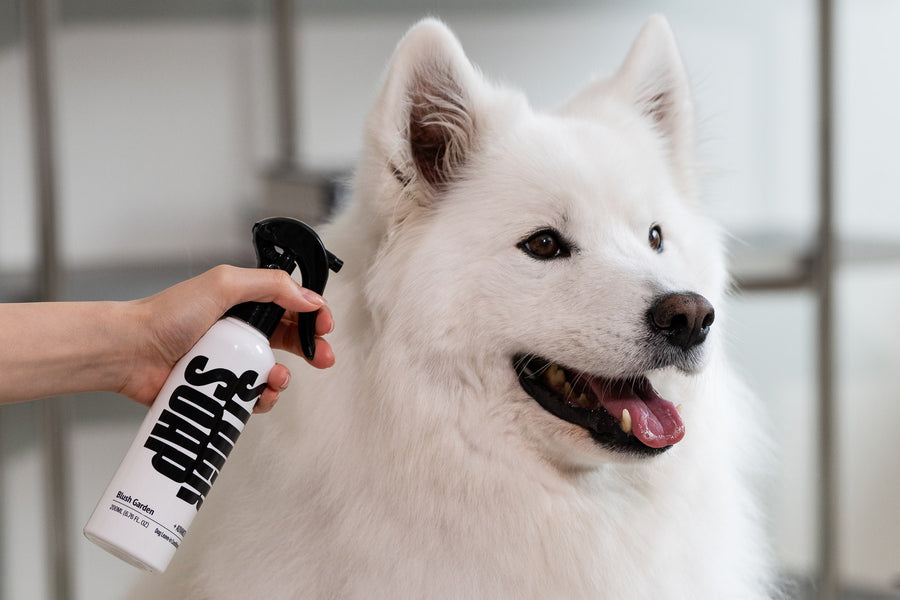
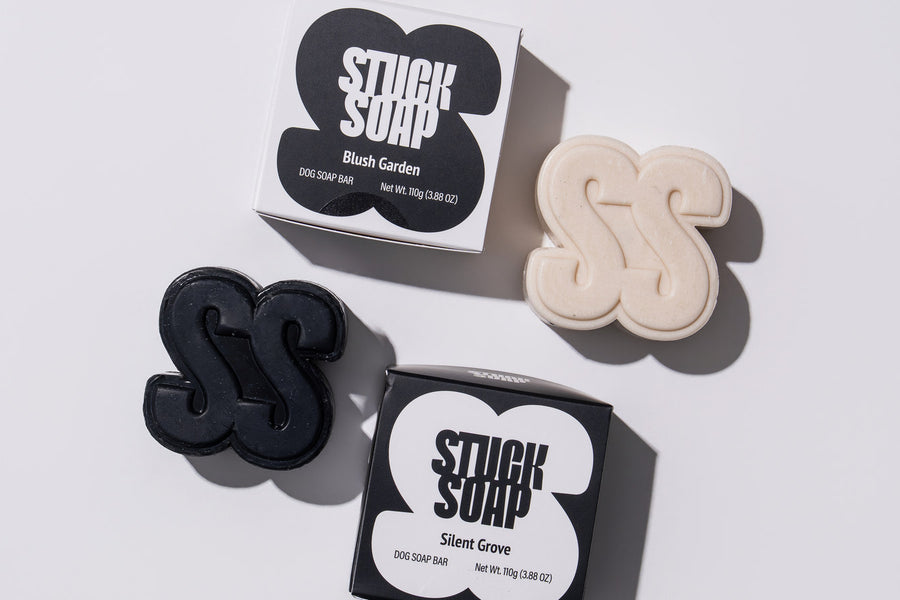
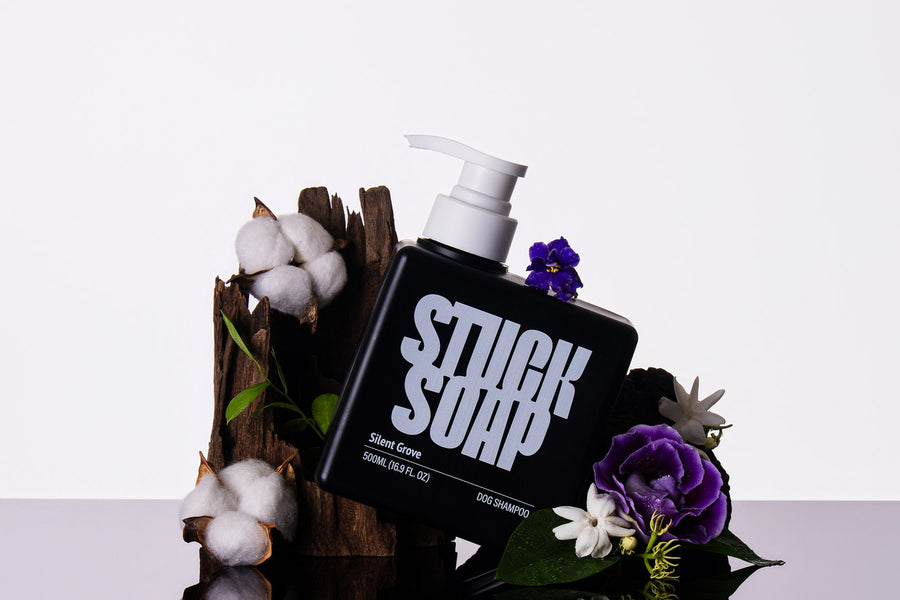
That is the same philosophy behind STUCK SOAP. While our formulas do not use sea kelp, they are built on the same K-Beauty logic with skin-loving botanicals sourced from Korea's Jeju Island, including green tea, camellia oil, and centella asiatica (cica), all delivered in a pH-balanced, vegan, plant-based wash. If the seaweed trend has you thinking about marine and botanical ingredients for your dog, it is really an invitation to think about the whole category of gentle, ingredient-first grooming that K-Beauty for dogs represents.
Safety First: Iodine, Thyroid, and Heavy Metals
Kelp is a functional ingredient, not a garnish, and that means it deserves real respect. Three cautions stand out.
Iodine and the thyroid. Kelp is naturally very high in iodine. While iodine is essential for healthy thyroid function, too much can push the thyroid in the wrong direction, potentially triggering hyperthyroidism, or at higher intakes, suppressing thyroid function. This is the single biggest reason to dose carefully and never free-pour kelp powder.
Dogs with thyroid conditions need extra caution. Dogs already diagnosed with a thyroid disorder, or taking thyroid medication such as levothyroxine, should not receive kelp supplements unless a veterinarian specifically directs it, because the added iodine can interfere with their treatment. Notably, most canine hypothyroidism is genetic rather than caused by iodine deficiency, so kelp is not a fix for it.
Heavy metals. Because seaweed absorbs whatever is in its surrounding water, some kelp supplements have tested high for contaminants. An often-cited University of California study found that 8 of 9 retail kelp supplements had arsenic levels exceeding normal limits. The practical fix is sourcing: look for products made from certified-organic kelp harvested from cleaner waters, such as the coasts of Iceland, Norway, Canada, or the United States.
None of this means kelp is dangerous. It means kelp is potent, and potent ingredients reward a "less is more," vet-informed approach.
How to Use Sea Kelp Safely for Your Dog
If you and your veterinarian decide to try kelp, here are practical takeaways to keep it safe and effective.
Talk to your vet first, especially if your dog has any thyroid, kidney, or heart condition, is pregnant, or takes daily medication. This one is non-negotiable for a dietary supplement.
Start low and go slow. A commonly cited starting guideline is roughly 1/4 teaspoon of kelp powder per 10 kilograms (about 22 pounds) of body weight per day, but always follow the specific product's label and your vet's guidance, since concentration varies by brand.
Prioritize clean sourcing. Choose certified-organic kelp harvested from cold, clean waters, and look for brands that publish third-party testing for heavy metals.
Watch for changes. Give any new supplement several weeks and monitor your dog's energy, weight, skin, and coat. Report anything unusual to your vet, and stop if you see signs of digestive upset.
Let grooming do topical work. For skin and coat support you can feel good about without iodine math, a gentle, pH-balanced, botanically-rich shampoo delivers soothing and hydration directly where you want it, then rinses clean. Pair regular bathing with brushing to distribute natural oils and you address coat health from the outside in.
Frequently Asked Questions
Is sea kelp safe for dogs?
For most healthy dogs, kelp can be safe in small, correctly-dosed amounts, and it is a common ingredient in reputable dog supplements. The main risks come from too much iodine and from heavy-metal contamination in poorly-sourced products. Dogs with thyroid conditions, or those on medication, should only take kelp under veterinary direction.
Does kelp really make a dog's coat shinier?
Many owners report a softer, shinier coat with consistent, properly-dosed kelp, thanks to its fatty acids, antioxidants, and mineral content that support underlying skin health. Results build gradually over weeks rather than overnight, and coat quality reflects overall skin condition.
Is seaweed a K-Beauty ingredient?
Yes. Seaweed and algae extracts are staples of Korean skincare, valued for their minerals, antioxidants, and humectant hydration. They appear widely in K-Beauty essences, ampoules, and sheet masks, reflecting Korea's long cultural relationship with the ocean.
Can I use human seaweed skincare products on my dog?
It is best not to. Human formulas are pH-adjusted for human skin and may contain fragrances or actives that are not appropriate for dogs. Instead, choose grooming products formulated specifically for dogs, ideally gentle, pH-balanced ones built on skin-barrier-friendly botanicals.
How much kelp can I give my dog?
A frequently cited starting point is about 1/4 teaspoon of kelp powder per 10 kilograms of body weight daily, but you should always follow the product label and confirm the amount with your veterinarian, because iodine concentration differs between brands.
The Bottom Line on Sea Kelp for Dogs
Sea kelp earns its K-Beauty reputation honestly: it is mineral-rich, packed with antioxidants like fucoidan and fucoxanthin, and genuinely supportive of the skin barrier and hydration that healthy coats depend on. For dogs, it offers real potential for coat shine, soothed skin, and antioxidant support, provided you respect its iodine content, source it cleanly, and loop in your veterinarian.
More than any single ingredient, though, the seaweed trend is a reminder of what makes K-Beauty worth borrowing for our dogs: gentle, ingredient-first, barrier-respecting care. Whether that comes from the ocean or from a Jeju Island tea leaf, your dog's skin thrives on the same thing yours does, thoughtful formulation and consistency.
Sources & References
- Kelp for Dogs: Benefits and Uses — Great Pet Care
- Potential Beneficial Effects of Brown Seaweed (Sargassum spp.) in Skin Aging — NCBI / PMC
- The Pharmacokinetics of Fucoidan after Topical Application — NCBI / PMC
- Fucoxanthin, a Marine Carotenoid in Brown Seaweeds: Metabolism and Bioactivities — NCBI / PMC
- Kelp for Dogs: Benefits and Considerations — Canine Journal
Give Your Dog the K-Beauty Spa Treatment
Marine ingredients like sea kelp shine because of the same principle STUCK SOAP is built on: gentle, barrier-first care from clean botanicals. Our pH-balanced, vegan shampoos harness Jeju Island green tea, camellia oil, and centella asiatica to soothe, hydrate, and support your dog's skin and coat, no harsh strippers required.
Shop Stuck Soap →Vegan · pH-Balanced · Jeju Island Botanicals · Zero Waste