


When the summer heat rolls in, few things feel more refreshing than a cool slice of cucumber. It turns out your dog might agree. Cucumber for dogs has quietly become one of the most searched warm-weather treats among pet parents, and for good reason: it's crisp, hydrating, and one of the lowest-calorie snacks you can offer. But there's a bigger story here than a crunchy bite.
In the world of Korean beauty, cucumber is a legend. From the classic homemade 오이팩 (cucumber pack) that generations of Koreans have pressed onto sun-tired skin, to the cooling sheet masks that fill K-beauty shelves every summer, cucumber is celebrated as a gentle, hydrating, soothing hero. The philosophy behind it, calm the skin, flood it with water, and let barrier-friendly botanicals do the work, is exactly the mindset that makes K-beauty so appealing for dog care, too.
So does this K-beauty favorite actually benefit your dog, and how do you use it safely? Below, we break down what cucumber really offers your pup's skin, coat, and summer comfort, plus the vet-backed serving rules every owner should know.
Table of Contents
Why K-Beauty Is Obsessed With Cucumber
Cucumber's beauty reputation isn't just spa-day marketing. The vegetable is roughly 95 to 96 percent water, which is what gives it that instant cooling, plumping sensation on skin. In K-beauty formulas, cucumber extract is prized for three things: hydration, soothing, and antioxidant protection.
On the hydration front, cucumber contains polysaccharides, natural sugar molecules that help skin hold onto moisture and stay soft for longer. On the soothing side, its cooling effect calms redness, puffiness, and irritation, which is why chilled cucumber and cucumber sheet masks are a Korean summer ritual after a day in the sun. And for antioxidant defense, cucumber delivers vitamins C, E, and K along with caffeic acid, compounds that help neutralize the free radicals behind environmental stress.
This is why cooling Korean summer skincare so often pairs cucumber with other gentle botanicals like aloe and green tea. The cool temperature helps constrict blood vessels and reduce visible redness, while the plant actives comfort the skin barrier. It's a gentle, layered, ingredient-first approach, and that same logic is what makes K-beauty thinking a natural fit for dogs.
Is Cucumber Safe for Dogs?
Yes. According to the American Kennel Club, cucumbers are safe, non-toxic, and one of the more sensible fresh treats you can hand your dog. They're low in calories, very low in sodium, and completely fat-free, which makes them a smart swap for richer commercial treats.
The numbers back it up. Cucumbers contain only about 8 calories per half-cup of slices, compared to roughly 40 calories in a single medium dog biscuit. That same crunch is about 96 percent water, so a few slices deliver a genuine hydration boost on a hot day. Cucumbers also supply small amounts of useful nutrients, including vitamins K, C, and B1, plus potassium, copper, magnesium, and biotin.
As with any treat, moderation is the rule. Veterinarians recommend that treats, cucumber included, make up no more than 10 percent of your dog's daily calories. The rest should come from a complete, balanced diet. If your dog has a specific health condition, check with your vet before adding anything new to the bowl.
Cucumber Benefits for Your Dog's Skin and Coat
Here's where the K-beauty connection gets interesting. Many of the same reasons cucumber shines in human skincare translate, at least in part, to your dog's skin and coat when it's eaten as a treat.
Hydration from within. A dog's skin barrier and coat look their best when the body is well hydrated. Because cucumber is almost entirely water, it's a low-effort way to sneak extra moisture into a dog who isn't drinking enough during a heat wave. Well-hydrated skin is more comfortable and less prone to that dry, flaky look.
Trace minerals that support skin and fur. Cucumber's copper content contributes to healthy skin, fur, and connective tissue, and it plays a role in coat pigmentation. Biotin, another nutrient found in cucumber, is well known for supporting keratin and coat quality. These are supporting-cast nutrients rather than miracle cures, but they're part of the bigger picture of skin and coat health.
Antioxidant backup. The vitamins C and E in cucumber are antioxidants that help neutralize free radicals and ease the oxidative stress linked to skin inflammation. One important note: unlike humans, dogs make their own vitamin C, so they don't depend on food for it the way we do. That means cucumber is a gentle bonus, not a critical source.
The honest takeaway is that cucumber is a healthy, hydrating extra, not a treatment. It may help support a comfortable coat and skin as part of a good diet, but it won't fix a real skin condition. For allergies, hot spots, or persistent itching, your veterinarian is the right first stop.
Cucumber as a K-Beauty-Inspired Summer Cooling Treat
K-beauty leans hard into cooling in summer, and your dog can benefit from the same idea. Dogs regulate heat far less efficiently than we do, so anything that offers hydration plus a cool sensation is genuinely helpful when temperatures spike.
A frozen cucumber spear is a perfect example. Straight from the freezer, it doubles as a soothing, no-calorie chew for a teething puppy or a hot, bored dog on a sweltering afternoon. The cold gives relief, the crunch provides enrichment, and the water content helps with hydration, all without the sugar or fat of a typical treat.
You can also chop chilled cucumber into a lick mat, freeze it into ice cubes with a splash of low-sodium broth, or scatter a few cold slices during backyard play. Think of it as the canine version of Korea's beloved chilled cucumber rituals: simple, refreshing, and built around cooling the body naturally.
How to Safely Give Your Dog Cucumber
Cucumber is easy to serve well, as long as you follow a few common-sense rules that vets and the AKC consistently recommend.
Wash it thoroughly. Rinse the cucumber to remove dirt and pesticide residue. For small dogs or dogs with sensitive stomachs, peeling the skin makes it easier to digest.
Cut into bite-size pieces. Slice cucumber into small, manageable rounds or sticks based on your dog's size and chewing style. Never offer a whole cucumber, since it's a real choking hazard and hard to chew safely.
Mind the portion. As a guide, small dogs under 20 pounds can have up to about three slices per day, and medium dogs between 20 and 50 pounds can handle up to about six. Larger dogs can take a bit more, but keep all treats within that 10-percent-of-daily-calories limit.
Skip the pickles. Pickled cucumbers are loaded with salt, vinegar, and spices that dogs don't need and that may cause stomach upset. Plain, fresh cucumber only.
Introduce it gradually. Start with one small piece and watch for any digestive changes. Too much of any new food, even a healthy one, can lead to loose stool.
Quick practical tips
- Freeze washed cucumber spears for an instant hot-day cooling chew.
- Mix diced cucumber into a frozen lick mat with plain yogurt for slow, hydrating enrichment.
- Use cucumber slices as a low-calorie training reward to cut back on richer treats.
- Always pair treats with fresh drinking water, never as a replacement for it.
Topical Cucumber and the Smarter K-Beauty Route
You'll occasionally see cucumber listed in soothing pet sprays and grooming wipes, riding the same cooling reputation it has in human skincare. On its own, a homemade cucumber rub won't do much for a dog's coat, and it isn't a substitute for proper skin care. The real value of cucumber for your dog is as a hydrating treat and a gateway to a smarter grooming mindset.
That mindset is where K-beauty truly earns its place in the grooming world. The Korean approach isn't about one trendy ingredient; it's about being gentle, respecting the skin's natural pH, and choosing barrier-friendly botanicals over harsh, stripping cleansers. Cucumber is simply the friendly, familiar face of that philosophy.
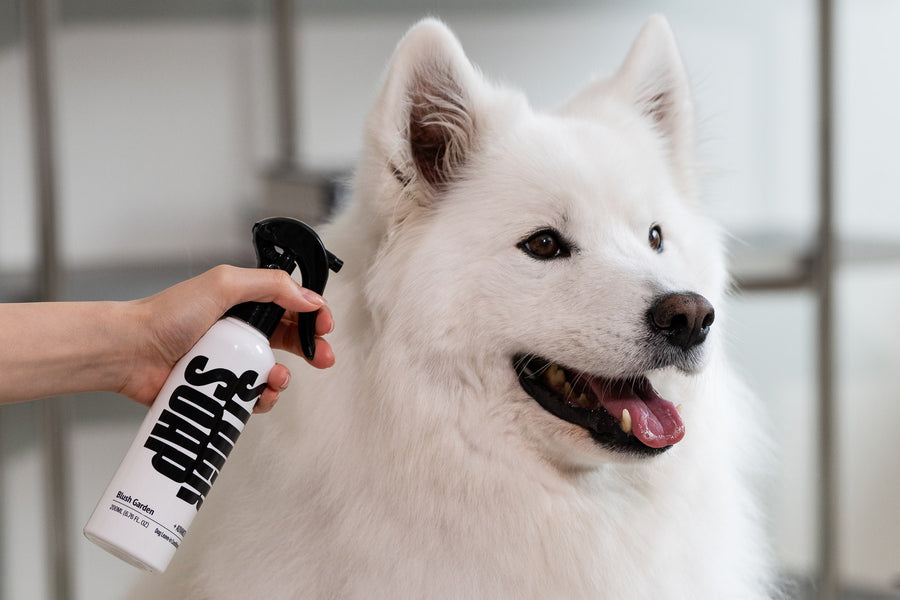
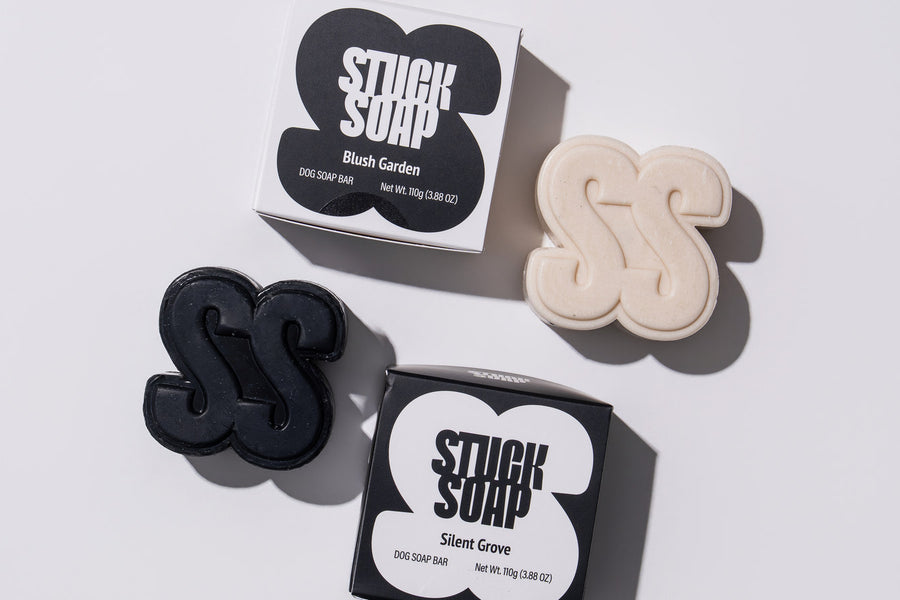
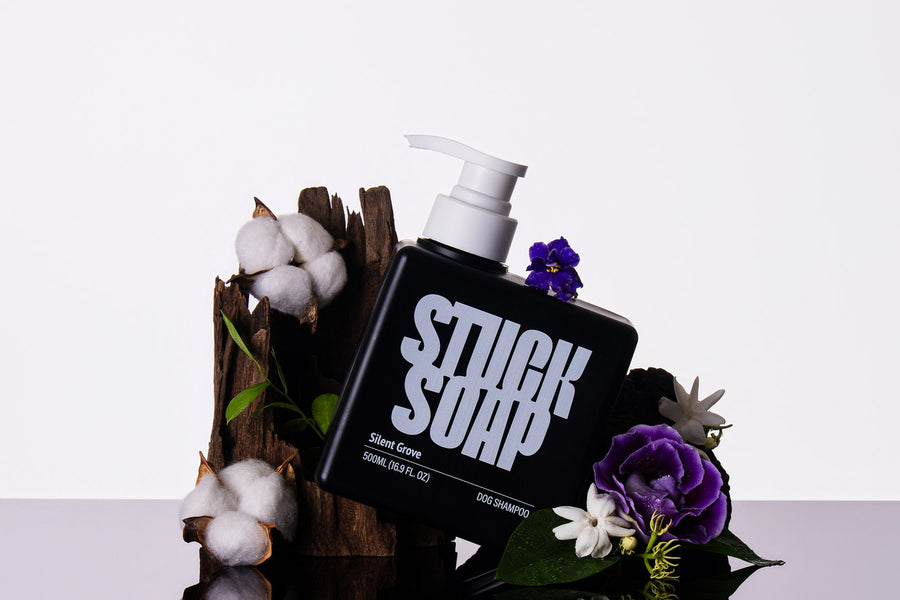
This is the thinking behind Stuck Soap, a K-beauty-inspired, vegan dog shampoo line built around soothing Jeju Island botanicals. Instead of cucumber, Stuck Soap formulas lean on some of K-beauty's most proven skin-calming actives: green tea, an antioxidant powerhouse; centella asiatica, the famous cica ingredient known for comforting sensitive skin; and camellia oil, Korea's treasured coat-conditioning oil. Every wash is pH-balanced and plant-based, designed to clean without stripping and to help keep summer odor under control at the source rather than masking it. If cucumber is how you cool your dog from the inside, a gentle K-beauty bath is how you care for the skin barrier on the outside.
Frequently Asked Questions
Can dogs eat cucumber every day?
In small amounts, yes. Cucumber is low in calories and safe as a daily treat, as long as it stays within the 10-percent-of-daily-calories limit for treats and your dog tolerates it well. Variety is still healthiest, so rotate cucumber with other dog-safe fruits and vegetables.
How much cucumber can my dog eat?
As a general guide, small dogs under 20 pounds can have up to about three slices per day, and medium dogs from 20 to 50 pounds up to about six. Larger dogs can have a bit more. Always cut it into bite-size pieces and adjust for your dog's size and calorie needs.
Is cucumber good for a dog's skin and coat?
Cucumber can support skin and coat health indirectly. Its high water content helps with hydration, and it provides trace nutrients like copper and biotin that contribute to healthy skin and fur. It's a helpful bonus, not a treatment for skin conditions, which need veterinary care.
Can I put cucumber directly on my dog's skin?
A cool cucumber slice is harmless, but it offers little real benefit on a dog's fur-covered skin and won't treat irritation. For genuine skin-barrier support, a gentle, pH-balanced dog shampoo with soothing botanicals is far more effective than a topical cucumber rub.
Can puppies eat cucumber?
Yes, puppies can have small pieces of washed, peeled cucumber once they're eating solids. Introduce it slowly, keep pieces tiny to prevent choking, and check with your vet if you're unsure about your puppy's diet.
The Bottom Line
Cucumber for dogs is a rare win-win: a low-calorie, hydrating treat your pup enjoys, wrapped in one of K-beauty's most beloved cooling ingredients. Served in small, washed, bite-size pieces, it's a refreshing way to help your dog stay comfortable through the summer heat.
Just remember that cucumber is a supporting player. Real skin and coat health comes from good nutrition, plenty of fresh water, and a gentle grooming routine that respects your dog's skin barrier. That's the heart of the K-beauty approach, and it's a philosophy worth bringing home to your pup all year round.
Sources & References
- Can Dogs Eat Cucumbers? — American Kennel Club (AKC)
- Can Dogs Eat Cucumbers? — PetMD
- Can Dogs Eat Cucumber? A Guide to Safety — Purina
- 12 Ways to Use Cucumber for Calm, Hydrated Skin — Healthline
- Cucumber Extract: Benefits & Uses in Skincare — Clinikally
- Best Korean Cooling Skincare for Summer — KNOK Global
Give Your Dog the K-Beauty Spa Treatment
Cucumber cools your dog from the inside, but summer skin needs care on the outside, too. Stuck Soap brings K-beauty's gentlest botanicals, green tea, centella asiatica, and Jeju camellia oil, into a pH-balanced, vegan wash that cleans without stripping and keeps hot-weather odor in check.
Shop Stuck Soap →Vegan · pH-Balanced · Jeju Island Botanicals · Zero Waste