


If you have ever browsed the K-beauty aisle, you have probably seen it: a humble little green legume showing up in some of Korea's most beloved cleansers. Mung bean for dogs might sound like an unlikely grooming trend, but this ancient Korean beauty staple has a centuries-long reputation for gently purifying and calming skin, and pet parents are starting to ask whether those same benefits could help their dogs.
Mung bean (known as nokdu, or 녹두, in Korean) has been used in Korean skincare rituals since the Silla Dynasty, long before "double cleansing" became a buzzword. Today it anchors a wave of pH-balanced, non-stripping Korean cleansers prized for sensitive skin. The natural question for dog lovers who care about gentle grooming: does the science behind mung bean's skin benefits carry over to your dog's coat and skin?
In this guide, we will break down what mung bean actually does, what the research shows for skin, how (and whether) it applies to dogs, and how to think about it safely. We will keep the marketing hype separate from the evidence, so you can make a smart, informed choice for your pup.
Table of Contents
- What Is Mung Bean, and Why Is K-Beauty Obsessed With It?
- Mung Bean Skin Benefits: What the Science Says
- Can Mung Bean Benefit Your Dog's Skin and Coat?
- Can Dogs Eat Mung Beans? The Nutrition Angle
- How to Use Mung Bean Safely for Your Dog
- The K-Beauty Cleansing Philosophy Your Dog Deserves
- Frequently Asked Questions
- Sources & References
What Is Mung Bean, and Why Is K-Beauty Obsessed With It?
Mung bean (Vigna radiata) is a small green legume that has been a fixture of Asian kitchens and beauty rituals for centuries. In Korea, it is called nokdu, and its use as a skincare ingredient goes back generations. There is even an old Korean saying that mung bean can "remove a hundred toxins," a nod to its long-held reputation as a purifying, detoxifying ingredient.
Traditionally, Korean women ground dried mung beans into a fine powder and mixed it with water to create a gentle cleansing paste. This homemade wash lifted away dirt and excess oil while being far kinder to the skin than harsh soaps. Fast-forward to today, and that folk remedy has evolved into a hero ingredient in modern K-beauty, appearing in sophisticated pH-balanced cleansing foams designed for sensitive skin.
What makes mung bean such a darling of Korean skincare is its balance. It delivers a satisfying, thorough clean without stripping the skin's natural moisture barrier, the very quality that defines the gentle, ingredient-first K-beauty philosophy. That same principle, cleaning effectively while respecting the skin barrier, is exactly what matters most when you bathe a dog.
Mung Bean Skin Benefits: What the Science Says
Mung bean is not just tradition and folklore. It is genuinely rich in bioactive compounds. Its extract contains antioxidant flavonoids like vitexin and isovitexin, along with phenolic acids and vitamins C and E. These compounds are the reason mung bean has earned attention from formulators and researchers alike.
Here is what those actives are understood to do for skin:
- Antioxidant protection: The flavonoids and vitamins help neutralize free radicals, the unstable molecules that contribute to premature aging and environmental skin stress.
- Anti-inflammatory, calming action: Vitexin in particular is associated with quieting redness and reducing irritation, which is why mung bean is a favorite for reactive, sensitive skin.
- Sebum regulation: Mung bean extract is recognized for helping absorb impurities and balance excess oil, making it popular for oily and combination skin.
- Gentle, barrier-friendly cleansing: Unlike aggressive detergents, mung bean cleanses without disrupting the skin's protective moisture barrier.
Put simply, mung bean's appeal is that it is effective and calming at the same time. It is antibacterial and purifying enough to keep skin clean, yet soothing enough to be recommended for skin that reacts to almost everything. That combination is rare, and it is precisely why K-beauty brands build entire cleansers around it.
Can Mung Bean Benefit Your Dog's Skin and Coat?
Here is where we need to be honest and careful. Mung bean is well studied in the context of human skin and nutrition, but there is very little canine-specific dermatology research on mung bean applied topically. So rather than making promises, let's explore the potential based on what we know about dog skin and about mung bean's properties.
The logic behind the K-beauty-for-dogs movement is that gentle, skin-barrier-respecting ingredients that work for sensitive human skin often align well with what veterinary dermatologists recommend for dogs. And what do vets recommend for itchy, sensitive canine skin? Gentle cleansers, antioxidant and anti-inflammatory ingredients, and formulas that support (rather than strip) the skin barrier. Ingredients like colloidal oatmeal, aloe vera, and honey are staples precisely because they calm and soothe.
Mung bean's profile, antioxidant, anti-inflammatory, sebum-balancing, and gentle, sits squarely in that same category of "calming and supportive" ingredients. In theory, that makes it an intriguing candidate for dogs with sensitive or oily skin. The antioxidant vitexin content and the non-stripping cleansing action are the qualities most likely to translate.
The critical caveat is formulation. Dog skin has a different pH than human skin, roughly 6.2 to 7.4, which is why products made for human skin can throw off a dog's balance and worsen irritation. Any mung bean product for a dog would need to be formulated for canine skin, at the right pH, and free of the fragrances, dyes, and essential oils that commonly irritate dogs. Never assume a human mung bean cleanser is safe on your dog.
Can Dogs Eat Mung Beans? The Nutrition Angle
Beyond skincare, many pet parents wonder about mung beans as food, and here the answer is more clear-cut. Yes, mung beans are generally safe for dogs to eat in moderation, as long as they are cooked properly.
Cooked mung beans are a genuinely nutritious addition to a dog's bowl. They offer plant-based protein and fiber, plus modest amounts of B vitamins, vitamins C, E, and K, and minerals including calcium, iron, magnesium, potassium, and zinc. Zinc in particular is worth noting, because it plays an important role in skin and coat health. Mung beans are also rich in antioxidants and have a low glycemic index, which makes them a thoughtful option for dogs managing their weight or blood sugar.
There are important precautions, though:
- Always cook them. Never feed raw mung bean sprouts or raw sprouted beans to your dog, as raw sprouts carry a risk of bacterial contamination.
- Introduce slowly and in small amounts. Mung beans contain lectins and phytates that are hard to digest in large quantities. Too much, too fast can cause gas, bloating, or diarrhea. A common starting guideline is 1 to 2 tablespoons of cooked, plain mung beans for a medium-sized dog.
- Keep them plain. No salt, garlic, onion, or seasoning, all of which can be harmful to dogs.
- Check with your vet before adding any new food, especially if your dog has a health condition.
The nutritional benefits reinforce the bigger picture: mung bean is a wholesome, dog-friendly ingredient at the dinner bowl, and a promising, gentle botanical in the skincare conversation.
How to Use Mung Bean Safely for Your Dog
Whether you are curious about mung bean for your dog's skin or diet, here are practical, actionable takeaways you can use right away:
- For grooming, only use canine-formulated products. If you want mung bean's benefits topically, look for a dog shampoo that lists it as an ingredient in a pH-appropriate, fragrance-free formula. Do not repurpose your own K-beauty cleanser on your dog.
- Prioritize the skin barrier. The goal of any bath is to clean without stripping. Choose gentle, plant-based, pH-balanced formulas over harsh detergents, no matter which botanical is featured.
- Avoid known irritants. Steer clear of dog products loaded with artificial fragrance, dyes, alcohol, and essential oils such as citrus, lavender, and tea tree, which can irritate or even harm dogs.
- Do a patch test. When trying any new grooming product, apply a small amount first and watch for 24 to 48 hours before a full bath.
- For diet, cook and portion carefully. Serve plain, cooked mung beans in small amounts as an occasional topper, not a meal replacement.
- Watch and adjust. Whether topical or dietary, monitor your dog for any signs of irritation or digestive upset, and stop if anything seems off.
The K-Beauty Cleansing Philosophy Your Dog Deserves
You do not need a mung bean product specifically to give your dog the benefits of Korean beauty thinking. What matters most is the philosophy behind ingredients like mung bean: clean gently, respect the skin barrier, and choose plant-based botanicals over harsh chemicals.
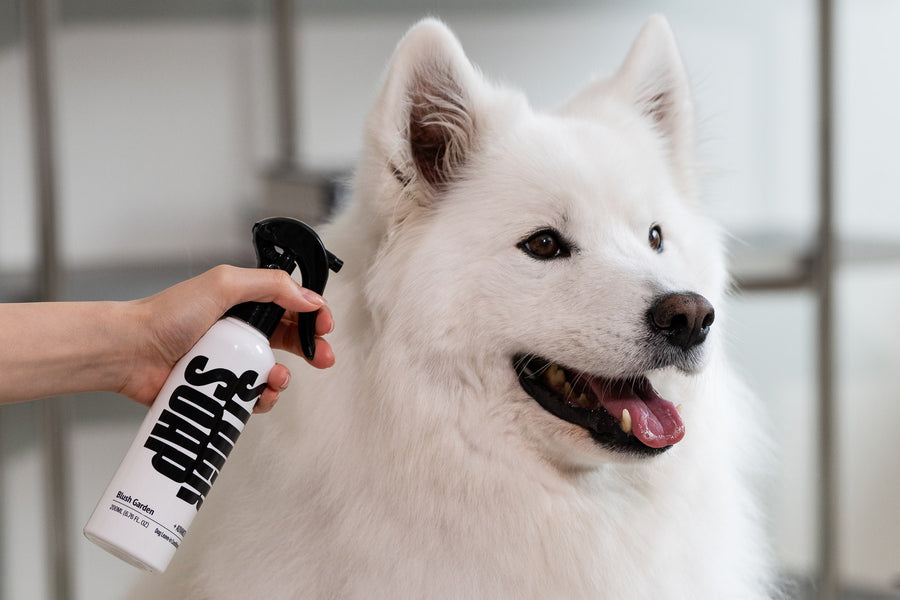
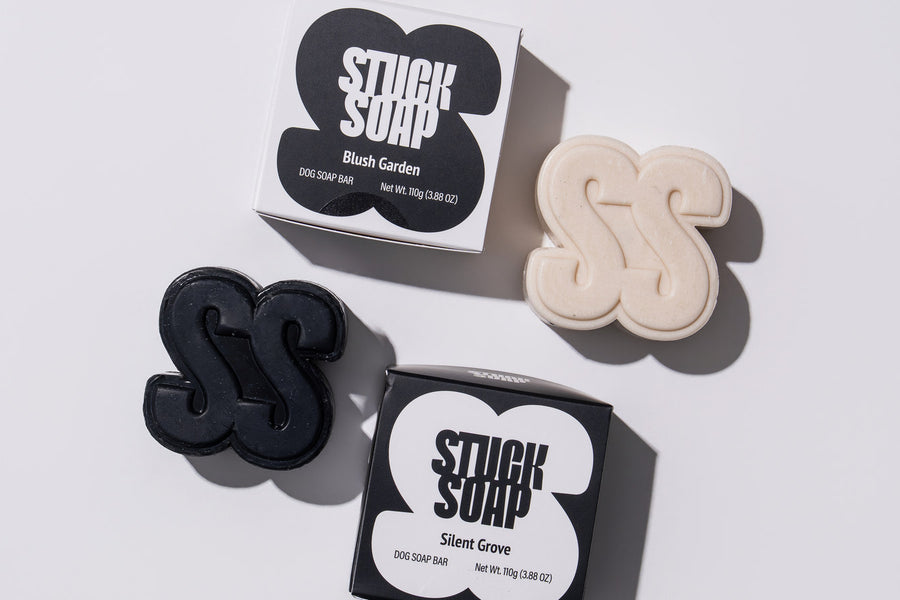
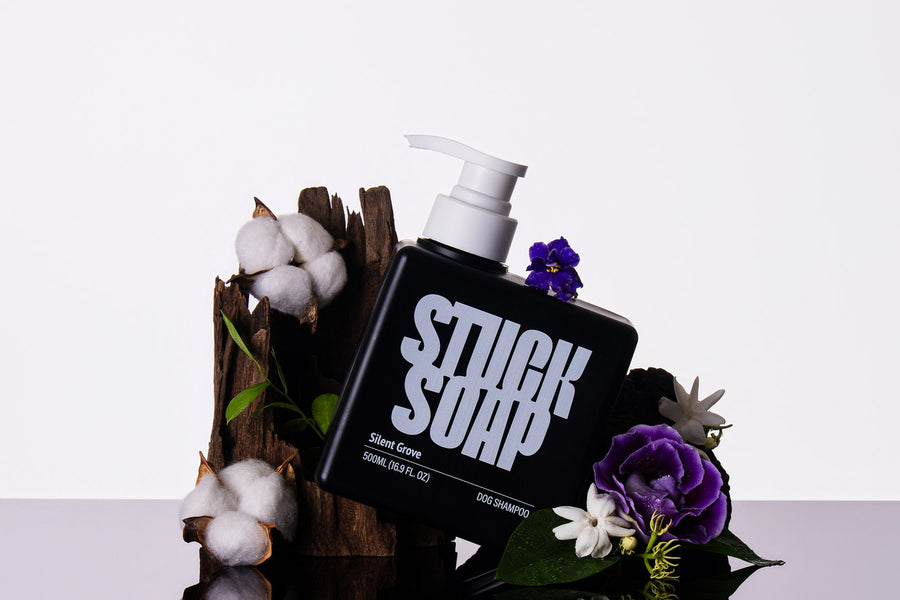
That philosophy is exactly what STUCK SOAP is built on. Our vegan, pH-balanced dog shampoo is designed to cleanse thoroughly without stripping your dog's natural moisture barrier, the same non-stripping principle that makes mung bean cleansers so beloved in K-beauty. Instead of mung bean, we harness three of Korea's most treasured skincare botanicals sourced from Jeju Island: green tea for antioxidant protection, camellia oil for a soft, glossy coat, and centella asiatica (the famous "cica" ingredient) for calming, soothed skin.
It is the K-beauty approach translated for dogs: gentle, plant-based, pH-balanced, and free of the harsh additives that irritate sensitive skin. If mung bean's calm-and-cleanse story resonates with you, that is the same story STUCK SOAP tells, just with the Jeju botanicals we have chosen for canine skin.
Frequently Asked Questions
Is mung bean safe for dogs?
Cooked, plain mung beans are generally safe for dogs in moderation and offer protein, fiber, and antioxidants. For skincare, mung bean is a gentle botanical, but only use it on dogs in products formulated specifically for canine skin at an appropriate pH. Never use human mung bean cleansers on your dog, and never feed raw sprouts.
What does mung bean do for skin?
Mung bean extract is rich in antioxidant flavonoids (like vitexin), phenolic acids, and vitamins C and E. It is valued in Korean skincare for gentle, non-stripping cleansing, calming redness and irritation, and helping balance excess oil, making it popular for sensitive and oily skin.
Can I use my Korean mung bean face wash on my dog?
No. Human cleansers are formulated for human skin pH and often contain fragrance or actives that can disrupt your dog's skin barrier or cause irritation. Dogs need products made for their skin's pH of roughly 6.2 to 7.4. Choose a dog-specific, pH-balanced shampoo instead.
How much mung bean can a dog eat?
Start small. A common guideline is about 1 to 2 tablespoons of plain, cooked mung beans for a medium-sized dog, introduced gradually. Too much can cause gas or digestive upset because of the beans' lectins and phytates. Always check with your veterinarian first.
Why is K-beauty being used for dog grooming?
Korean beauty prioritizes gentle, barrier-supporting, ingredient-first formulas. Many of those same principles, pH balance, plant-based botanicals, and calming ingredients, align closely with what veterinary dermatologists recommend for sensitive dog skin, which is why K-beauty ingredients are increasingly explored in premium pet grooming.
The Bottom Line
Mung bean shows how a centuries-old Korean beauty ingredient can spark fresh thinking about dog care. As food, cooked mung beans are a safe, nutritious occasional treat. As a skincare ingredient, its antioxidant, anti-inflammatory, and gentle cleansing profile makes it an intriguing (if still early-stage) botanical for canine skin, best delivered in dog-specific products.
More than any single ingredient, the real takeaway is the K-beauty mindset: cleanse gently, protect the skin barrier, and lean on plant-based botanicals. Give your dog that, and you are treating their skin the Korean beauty way.
Sources & References
- What Do Mung Beans Do for Skin? 7 Key Benefits Explained — WellND
- The Ultimate Guide to Mung Bean Cleanser in Korean Skincare — Mirai Skin
- Can Dogs Eat Mung Beans? — Canine Nutritionist
- Mung Beans for Dogs — DogCancer.com
- The Best Shampoos for Skin Allergies in Dogs — Vetster
- Best Dog Shampoos, Recommended by Vets — PetMD
Give Your Dog the K-Beauty Spa Treatment
Mung bean's gentle, non-stripping cleanse is pure K-beauty, and it is the same philosophy behind every bottle of STUCK SOAP. Our vegan, pH-balanced shampoo cleans without stripping, powered by green tea, camellia oil, and centella asiatica from Jeju Island for calm, healthy, glossy skin and coat.
Shop Stuck Soap →Vegan · pH-Balanced · Jeju Island Botanicals · Zero Waste