


If your dog has spent this summer scratching, licking their paws raw, or rubbing their face along the carpet, you have probably stood in a pet aisle reading shampoo labels and wondering which words actually matter. Searching for the best dog shampoo ingredients for allergies turns up a wall of claims: hypoallergenic, medicated, soothing, all-natural. Most of it is marketing. A small handful of it is real.
Here is the part that surprises most dog owners: bathing is not just about getting your dog clean. For allergic dogs, a bath is a treatment. It physically removes pollen, dust mites, and other allergens sitting on the coat, and the right formula can help calm the skin and support the barrier that is failing in the first place. The International Committee on Allergic Diseases of Animals lists skin and coat hygiene, including regular bathing with mild shampoos, among the first steps in managing chronic atopic dermatitis.
What is interesting is that the ingredient logic veterinary dermatologists have landed on looks remarkably like the philosophy behind Korean skincare: don't strip, don't irritate, and rebuild the barrier instead of just chasing symptoms. Let's walk through what belongs in the bottle, what doesn't, and how to actually use it.
Table of Contents
Why Shampoo Ingredients Matter More for Allergic Dogs
Canine atopic dermatitis is one of the most common inflammatory skin conditions in dogs, and its prevalence is rising across species. One Korean clinic study found atopic dermatitis in roughly 8.5% of dogs seen, making it the second most commonly reported medical problem in those practices.
The mechanism matters here. Researchers now understand atopic dermatitis as a barrier disease as much as an immune one. When the skin's outer layer is compromised, allergens penetrate more easily, inflammation follows, and the resulting itch-scratch cycle damages the barrier further. It is a loop that feeds itself.
That reframes what a shampoo is for. A harsh detergent that strips lipids off already-fragile skin makes the underlying problem worse, even if your dog smells clean afterward. A gentle formula that lifts allergens away while leaving the barrier intact is doing real work.
It also explains why bathing frequency advice changed. Dermatologists once worried that frequent bathing would dry dogs out. With modern gentle formulas, regular bathing is now considered an underused tool, because you are removing the allergen load before it has a chance to trigger a flare.
The Best Dog Shampoo Ingredients for Allergies
For a dog with itchy but non-infected skin, veterinary sources consistently point to the same short list of ingredients that remove allergens, calm inflammation, and support barrier repair.
Colloidal Oatmeal
The most evidence-backed soothing ingredient in the category. Colloidal oatmeal contains avenanthramides, compounds with antioxidant and anti-inflammatory activity that may help reduce histamine-mediated itching. It also forms a light film that holds moisture against the skin. If you buy one thing for an itchy dog, this is the ingredient most veterinarians reach for first.
Ceramides
Ceramides are the lipids that hold skin cells together, the mortar between the bricks. Atopic dogs are often short on them. Topical ceramides may help improve hydration and reinforce the barrier, which is exactly the deficit driving the flare.
Phytosphingosine
A naturally occurring lipid found in healthy skin. It supports barrier regeneration and carries anti-inflammatory and antimicrobial properties, which matters because allergic dogs are prone to secondary yeast and bacterial overgrowth in damaged skin.
Essential Fatty Acids
Delivered topically or through diet, essential fatty acids support the lipid layer and are a standard part of long-term atopic management alongside other therapies.
Aloe Vera
A gentle, cooling humectant with mild anti-inflammatory activity. Aloe won't fix a barrier on its own, but it is a reliable comfort ingredient and pairs well with oatmeal.
Notice the pattern. Not one of these is aggressive. None of them exfoliate, brighten, or resurface. They cushion, hydrate, and rebuild. That is the whole strategy.
K-Beauty's Calming Ingredient Playbook
Korean skincare arrived at the same conclusion from a completely different direction. Where Western skincare spent two decades chasing actives, K-Beauty built its reputation on barrier-first formulation: gentle cleansing, layered hydration, and botanical calming agents for reactive skin. It is the sensitive-skin philosophy, and allergic dog skin is sensitive skin.
Several K-Beauty staples map neatly onto what allergic dogs need.
Centella asiatica, known as cica, is Korea's flagship calming botanical. Its madecassoside and asiaticoside compounds are studied for soothing irritation and supporting skin repair, and it has been the go-to for reactive human skin for years. For a dog whose skin is inflamed rather than infected, that soothing-and-repair profile is precisely the target.
Green tea extract brings polyphenols, chiefly EGCG, with well-documented antioxidant and anti-inflammatory activity. Oxidative stress accompanies chronic inflammation, so an antioxidant-rich wash is a sensible companion to barrier support.
Camellia oil, Korea's traditional beauty oil, is rich in oleic acid and absorbs without the heaviness of coconut or mineral oil. It conditions the coat and helps the skin hold moisture, supporting the lipid side of the equation.
Panthenol (pro-vitamin B5) is a K-Beauty workhorse humectant that draws water into the skin and is widely used in soothing formulas.
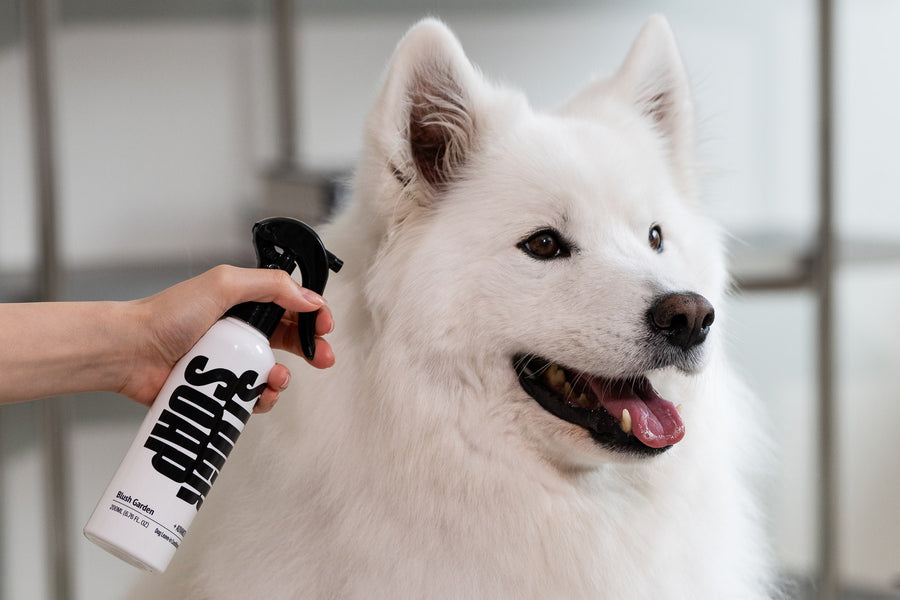
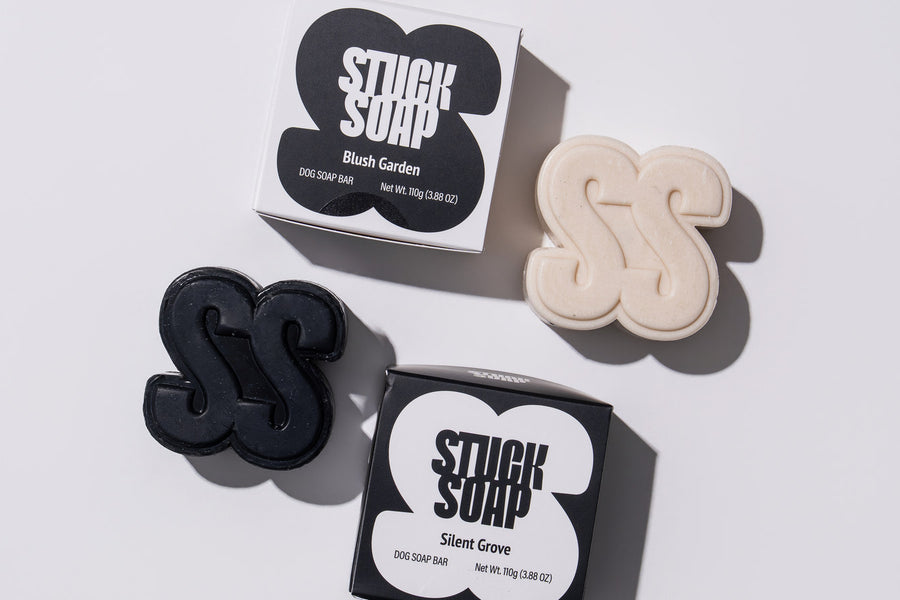
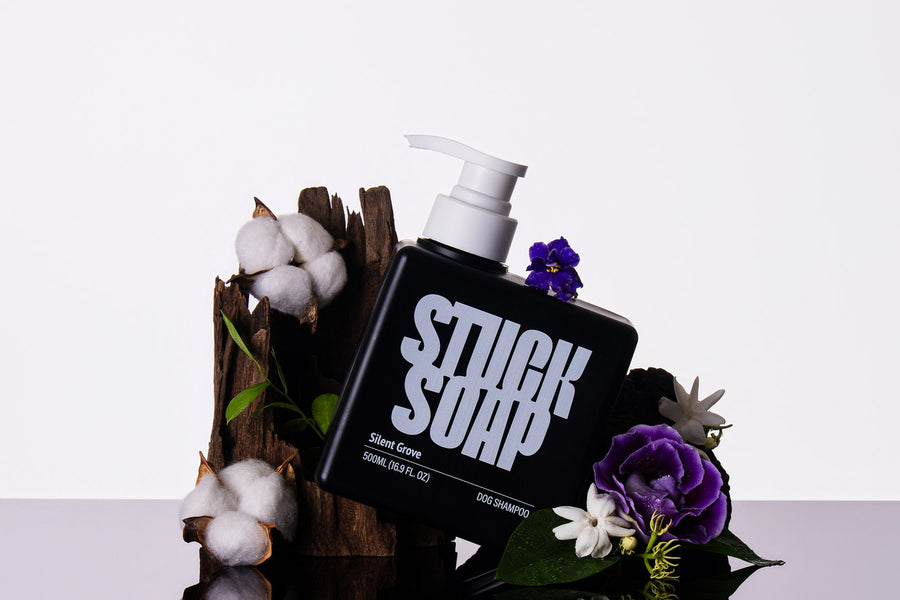
This is where STUCK SOAP's formulations sit. Our liquid shampoo and shampoo bar are built on Jeju Island green tea, camellia oil, and centella asiatica, chosen specifically because they clean without stripping and are designed to support the skin barrier rather than fight it. Both are pH balanced for canine skin, vegan, and free of the fragrance loads and harsh surfactants that tend to aggravate sensitive dogs. For a dog with mild seasonal itchiness, that gentle-cleansing approach is often exactly what is needed. For a dog with diagnosed atopic dermatitis or an active infection, it belongs alongside your vet's plan, not instead of it.
Ingredients to Avoid on Allergic Skin
Knowing what to leave out is half the decision.
Heavy synthetic fragrance. Veterinary dermatologists routinely recommend fragrance-free or lightly scented shampoos for atopic dogs. Fragrance blends are a common contact irritant and add nothing therapeutic.
Harsh sulfates. Aggressive detergents strip the lipids you are trying to preserve. If your dog's skin feels tight and flaky after a bath, the surfactant is too strong.
Tea tree oil and concentrated essential oils. Tea tree oil in particular has a documented toxicity risk in dogs at meaningful concentrations, and essential oils generally are a poor fit for compromised skin that absorbs more than healthy skin does.
Human shampoo. Human skin sits at a more acidic pH than canine skin. Using your own shampoo on your dog disrupts their acid mantle and, over time, the barrier.
Exfoliating acids. AHAs and BHAs have a place in human routines. On an itchy, inflamed dog, they are solving a problem your dog does not have while worsening one they do.
How to Bathe an Itchy Dog: A Practical Routine
The right ingredients underperform if the technique is wrong. A few things make a measurable difference:
- Let it sit. Contact time is where soothing ingredients do their work. Lather, then leave the shampoo on for five to ten minutes before rinsing. Most people rinse in under sixty seconds and lose most of the benefit.
- Use lukewarm water. Hot water increases itching and strips lipids. Cool to lukewarm is more comfortable and gentler on the barrier.
- Bathe more often during allergy season. Weekly is a common recommendation for atopic dogs during flare season with a gentle formula. Ask your vet for your dog's specific cadence.
- Rinse completely. Residue is itchy. Rinse until the water runs clear, then rinse the belly, armpits, and between the toes again, because that is where allergens and product both collect.
- Wipe between baths. A damp cloth over the paws and belly after walks removes pollen without a full wash, and it is one of the simplest things you can do during peak season.
- Pat dry, don't rub. Friction on inflamed skin restarts the itch cycle. Blot with a towel and let the coat air dry, or use a dryer on the lowest heat setting.
One caveat worth repeating: bathing manages allergen exposure and skin comfort. It does not diagnose the cause. Fleas, food allergies, and environmental allergies all present as itchy skin and are managed differently. If your dog is scratching persistently, has hair loss, hot spots, an odor, or recurring ear problems, that is a veterinary visit, not a shampoo problem.
The Short Version
Skip the front of the label and read the back. Look for colloidal oatmeal, ceramides, phytosphingosine, or barrier-supporting botanicals like centella and green tea. Avoid heavy fragrance, harsh sulfates, essential oils, and anything that exfoliates. Bathe on a schedule during allergy season, give the product time to work, and rinse thoroughly.
The best dog shampoo ingredients for allergies aren't exotic. They are the boring, gentle, barrier-first ones, which is exactly the conclusion K-Beauty reached about sensitive human skin years ago.
Frequently Asked Questions
What is the best shampoo ingredient for a dog with itchy skin?
Colloidal oatmeal is the most widely recommended starting point. It contains avenanthramides with anti-inflammatory and antioxidant properties that may help reduce itching, and it helps the skin retain moisture. Ceramides and phytosphingosine are strong additions for barrier support.
How often should I bathe a dog with allergies?
Weekly bathing with a gentle, mild shampoo is a common recommendation for allergic dogs during flare seasons, because it removes allergens from the coat. Frequency should be confirmed with your veterinarian based on your dog's condition.
Is oatmeal shampoo enough for dog allergies?
Oatmeal shampoo can help with comfort and mild itching, but it does not treat the underlying allergy. Persistent itching, hair loss, odor, or skin infections need veterinary diagnosis and may require medication alongside topical care.
Can I use tea tree oil shampoo on my allergic dog?
It is generally not recommended. Tea tree oil carries a documented toxicity risk for dogs at meaningful concentrations, and compromised allergic skin absorbs more than healthy skin. Gentler soothing ingredients are a safer choice.
Are K-Beauty ingredients safe for dogs?
It depends entirely on the ingredient. Gentle botanicals like centella asiatica, green tea, and camellia oil are well suited to sensitive skin and are used in dog-formulated products. Others, including exfoliating acids and concentrated essential oils, are not appropriate for dogs. Always use products formulated and pH balanced for canine skin.
Sources & References
- Treatment of Canine Atopic Dermatitis: 2015 Updated Guidelines — International Committee on Allergic Diseases of Animals (ICADA), BMC Veterinary Research
- Canine Atopic Dermatitis: Prevalence, Impact, and Management Strategies — Veterinary Medicine: Research and Reports
- Atopic Dermatitis in Dogs — Merck Veterinary Manual
- Dog Skin Allergies: What to Know — American Kennel Club
- Colloidal Oatmeal Topical — VCA Animal Hospitals
- Detecting Common Allergens in Dogs with Atopic Dermatitis in South Korean Provinces — NIH / PMC
Give Your Dog the K-Beauty Spa Treatment
Sensitive skin does better with gentle cleansing than with aggressive actives. STUCK SOAP is built on Jeju Island green tea, camellia oil, and centella asiatica, formulated to lift away allergens and everyday grime without stripping the barrier your dog's comfort depends on. pH balanced for canine skin, in a rich fine-bubble lather or a zero-waste bar.
Shop Stuck Soap →Vegan · pH-Balanced · Jeju Island Botanicals · Zero Waste