


If you have scrolled through skincare TikTok lately, you have probably seen a bright blue-green mask promising glowing, calmer skin. That vivid color comes from spirulina, one of K-beauty's most talked-about superfoods. Now pet parents are asking a natural follow-up question: if spirulina is this good for human skin, could spirulina for dogs help our four-legged family members too?
It is a fair question. Spirulina is one of the most nutrient-dense foods on the planet, and the same protein, fatty acids, and antioxidants that make it a K-beauty darling are also relevant to skin and coat health in dogs. The difference is that for people it often shows up in a topical mask or serum, while for dogs it is usually explored as a dietary supplement.
In this guide, we will break down what spirulina actually is, why it became a skincare star, what it may do for your dog's skin and coat, how to use it safely, and how it fits into the bigger K-beauty-for-dogs philosophy that STUCK SOAP is built on.
Table of Contents
- What Is Spirulina? K-Beauty's Blue-Green Superfood
- Why Spirulina Became a K-Beauty Skincare Star
- What Spirulina May Do for Your Dog's Skin and Coat
- Inside Spirulina: The Nutrients That Matter for Dogs
- How to Use Spirulina Safely for Your Dog
- Where STUCK SOAP Fits: The K-Beauty Plant-Based Philosophy
- Frequently Asked Questions
- Sources & References
What Is Spirulina? K-Beauty's Blue-Green Superfood
Spirulina is a blue-green algae (technically a cyanobacterium) that has been eaten by humans for centuries, from the Aztecs to communities around Lake Chad. Today it is grown in clean freshwater ponds, harvested, and dried into a deep green powder that is roughly 60 to 70 percent protein by dry weight.
That protein number is remarkable. Very few plant-based ingredients come close, which is exactly why spirulina earned its "superfood" reputation in the wellness world. It also carries a striking amount of micronutrients: B vitamins, iron (gram for gram, it contains roughly ten times more iron than spinach), zinc, magnesium, selenium, and vibrant natural pigments called chlorophyll and phycocyanin.
Phycocyanin is the blue pigment that gives spirulina its signature color, and it is more than a pretty hue. It is a powerful antioxidant, and it is one of the main reasons researchers and formulators became so interested in spirulina for skin in the first place.
Why Spirulina Became a K-Beauty Skincare Star
Korean beauty has always been ingredient-obsessed, favoring gentle actives that nourish and protect the skin barrier rather than strip it. Spirulina fits that philosophy perfectly, which is why blue algae extracts now appear in a growing number of K-beauty serums, sheet masks, and creams.
The appeal is rooted in real science. Laboratory studies have shown that spirulina extract can boost the skin's own antioxidant defenses, raising levels of protective enzymes like superoxide dismutase (SOD) and glutathione while lowering inflammatory signals. One review noted that spirulina extract could reduce intracellular reactive oxygen species (the unstable molecules behind oxidative aging) by up to 40 percent.
Researchers have also observed that spirulina extract can support collagen levels and help inhibit the enzymes that break collagen down, while its antioxidants may help even out pigmentation. In a 2021 review published in the journal Cosmetics, scientists described spirulina as a promising, sustainable, multi-functional skincare ingredient with a "bright blue future."
There is also an eco-friendly angle that K-beauty loves. Spirulina is fast-growing, needs far less land and water than most crops, and is fully plant-based, making it a natural fit for clean, vegan formulations. So how much of this translates from a human face mask to your dog's coat? Let's look.
What Spirulina May Do for Your Dog's Skin and Coat
Here is the important distinction: most of the skin benefits people get from spirulina come from topical masks and serums, while dogs typically receive spirulina as a food supplement mixed into their meals. The good news is that a healthy coat starts from the inside, and spirulina's nutrient profile is genuinely relevant to canine skin.
Because spirulina is so protein-rich and contains all nine essential amino acids dogs need, it may help supply the building blocks skin and hair follicles use for repair and regrowth. That matters most for dogs dealing with chronic scratching, thinning fur, or slow-healing hot spots, where the body's demand for those building blocks is higher.
Spirulina also contains gamma-linolenic acid (GLA), an omega-6 fatty acid known to support the skin barrier and help calm inflammation. Essential fatty acids are one of the most reliable levers for coat quality, which is why many owners report softer, shinier fur after several weeks of consistent supplementation.
Then there are the antioxidants. Phycocyanin and chlorophyll help neutralize free radicals, and some pet owners of dogs with seasonal allergies notice reduced itching, redness, and irritation after roughly four to six weeks of daily spirulina. It is worth being honest here: much of this evidence is early, anecdotal, or drawn from human and lab studies rather than large canine trials. Spirulina is best thought of as a supportive nutritional tool, not a cure, and any dog with a real skin condition still needs a veterinarian.
Inside Spirulina: The Nutrients That Matter for Dogs
What makes spirulina so interesting for skin and coat is that it delivers several skin-supporting nutrients in one green scoop. Here is what is doing the heavy lifting:
- Complete protein (60–70%): Supplies amino acids that skin, fur, and connective tissue rely on for repair.
- GLA (gamma-linolenic acid): An omega-6 fatty acid that helps support the skin barrier and moderate inflammation.
- Phycocyanin: The blue antioxidant pigment linked to reduced oxidative stress and immune support.
- Chlorophyll: A natural antioxidant and gentle "deodorizing" pigment often praised for supporting freshness.
- Iron, zinc, and B vitamins (including B12): Micronutrients tied to healthy skin turnover, coat pigment, and energy.
Zinc deserves a special mention. It is one of the most important minerals for canine skin health, and deficiencies are a well-known cause of flaky, crusty skin and dull coats. While spirulina is not a zinc supplement per se, it contributes to a broader, nutrient-dense foundation that supports skin from within.
How to Use Spirulina Safely for Your Dog
Spirulina is recognized by the U.S. Food and Drug Administration as "Generally Recognized As Safe" (GRAS), and it is well tolerated by most dogs. That said, more is not better, and quality and dosing matter a great deal.
General dosing guidelines. Most sources suggest starting small and building up gradually. Common ranges are roughly 250 to 500 mg per day for small dogs, 500 to 1,000 mg for medium dogs, 1,000 to 1,500 mg for large dogs, and up to about 2,000 mg for extra-large breeds. Always confirm the right amount for your specific dog with your veterinarian before starting.
Choose clean, tested spirulina. This is the single most important safety point. Spirulina grown in polluted or open water can be contaminated with heavy metals or microcystins (toxins from other algae). Only buy human-grade or veterinary spirulina from reputable brands that provide third-party testing for purity.
Watch for mild, temporary side effects. Some dogs get soft stools or a little extra gas in the first few days as their gut adjusts. Starting with a tiny dose and increasing slowly usually prevents this.
Know when to skip it. Because spirulina can stimulate the immune system, dogs with autoimmune conditions should generally avoid it. Dogs on blood thinners, pregnant or nursing dogs, and dogs with existing health issues should only use spirulina under veterinary guidance.
Quick practical tips
- Introduce spirulina on a "one new thing at a time" basis so you can spot any reaction.
- Mix the powder into wet food or a little plain broth; the strong taste is easier to hide than to serve straight.
- Give it consistently for at least four to six weeks before judging coat and skin results.
- Pair internal nutrition with gentle external care, since a shiny coat is built from both directions.
Where STUCK SOAP Fits: The K-Beauty Plant-Based Philosophy
To be clear, spirulina is not an ingredient in STUCK SOAP products. But the reason spirulina resonates with so many pet parents is the same reason STUCK SOAP exists: the K-beauty belief that gentle, plant-based, skin-barrier-friendly ingredients are the smartest way to care for skin, whether it belongs to a person or a pup.
That philosophy is why STUCK SOAP is built around botanicals sourced from Jeju Island in Korea. Our formulas feature green tea for antioxidant protection, camellia oil for a moisturized, glossy coat, and Centella asiatica (the famous "cica" ingredient) to help soothe and support sensitive skin. These are the topical, coat-facing counterparts to the nutrition-from-within story that spirulina represents.
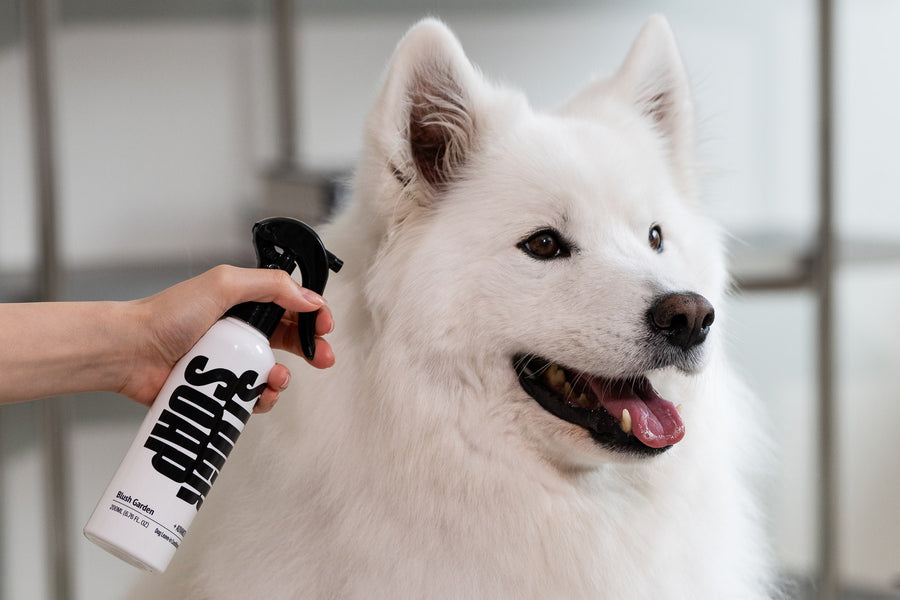
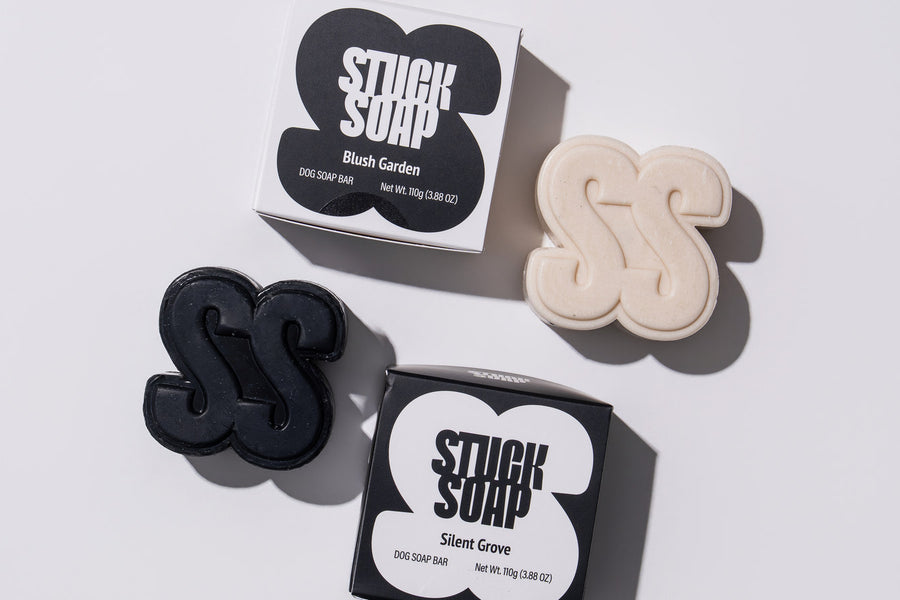
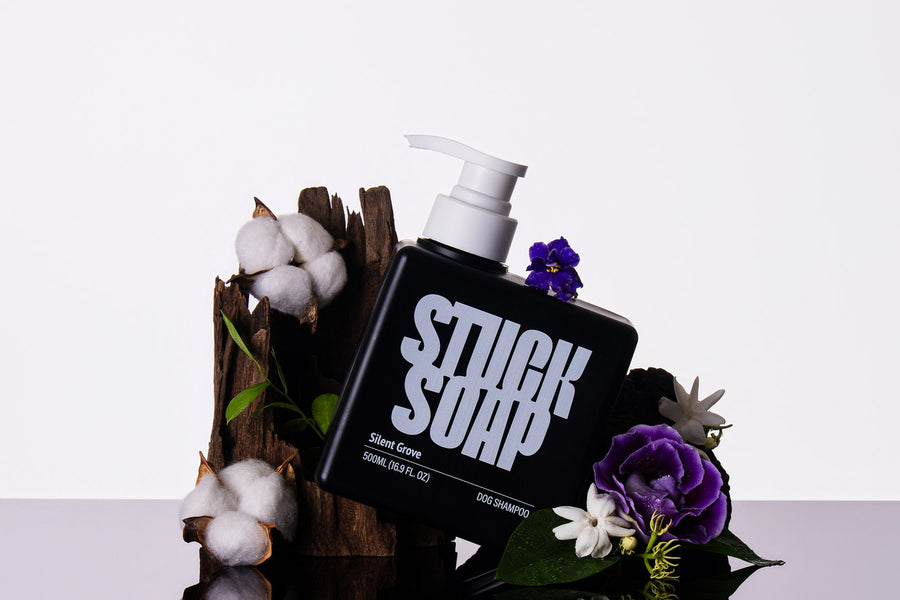
Think of it as a two-part routine. Nutrient-dense superfoods like spirulina support the skin from the inside, while a gentle, pH-balanced, vegan wash supports it from the outside. STUCK SOAP's liquid shampoo and zero-waste shampoo bar are designed to clean deeply and control odor without stripping the skin barrier, so the coat health you build through good nutrition is protected at bath time rather than undone.
Frequently Asked Questions
Is spirulina safe for dogs?
For most healthy dogs, yes. Spirulina is recognized as Generally Recognized As Safe by the FDA and is well tolerated when given in appropriate amounts. The key is choosing a clean, third-party-tested product and checking with your vet first, especially for dogs with autoimmune conditions or those on medication.
How much spirulina can I give my dog?
Common daily ranges are about 250–500 mg for small dogs, 500–1,000 mg for medium dogs, 1,000–1,500 mg for large dogs, and up to roughly 2,000 mg for extra-large breeds. Start with a smaller dose and increase slowly. Always confirm the right amount with your veterinarian.
Can spirulina help my dog's itchy skin or dull coat?
It may support them. Spirulina's protein, GLA fatty acids, and antioxidants are all relevant to skin repair and coat quality, and some owners report less itching and shinier fur after four to six weeks. Results vary, and persistent itching or skin problems should be evaluated by a vet.
Is spirulina a K-beauty ingredient?
Yes. Blue-green algae extracts like spirulina appear in many K-beauty serums, masks, and creams for their antioxidant and skin-barrier benefits, and they fit K-beauty's love of gentle, sustainable, plant-based actives. For dogs, spirulina is usually used as a food supplement rather than a topical.
Does STUCK SOAP contain spirulina?
No. STUCK SOAP's shampoos are formulated with Jeju Island botanicals such as green tea, camellia oil, and Centella asiatica. Spirulina represents the "nutrition from within" side of K-beauty for dogs, while STUCK SOAP focuses on gentle, skin-barrier-friendly topical care.
The Bottom Line
Spirulina earned its K-beauty reputation honestly. It is one of the most nutrient-dense ingredients around, rich in protein, skin-loving GLA, and powerful antioxidants like phycocyanin, and those same nutrients are genuinely relevant to your dog's skin and coat. Used thoughtfully, as a clean, well-dosed supplement introduced with your vet's blessing, it can be a supportive part of a whole-dog wellness routine.
Just remember the golden rules: buy tested, start slow, be patient for a month or more, and treat spirulina as support rather than a cure. Pair that inside-out nutrition with gentle, plant-based grooming, and you are following the same K-beauty logic that keeps skin healthy at every scale.
Sources & References
- Spirulina for Dogs: Vet-Reviewed Benefits, Uses & Tips — Dogster
- A Guide to Spirulina for Dogs — BetterPet
- Spirulina for Skin Care: A Bright Blue Future — Cosmetics (MDPI)
- Spirulina as a Key Ingredient in the Evolution of Eco-Friendly Cosmetics — PMC / National Library of Medicine
- Spirulina Benefits for Skin: Superfood or Super Skin Care? — Healthline
Give Your Dog the K-Beauty Spa Treatment
Superfoods like spirulina nourish your dog's coat from the inside, and gentle grooming protects it on the outside. STUCK SOAP pairs Jeju Island botanicals like green tea, camellia oil, and Centella asiatica in a vegan, pH-balanced wash that cleans deeply without stripping the skin barrier, so the healthy coat you build actually lasts.
Shop Stuck Soap →Vegan · pH-Balanced · Jeju Island Botanicals · Zero Waste