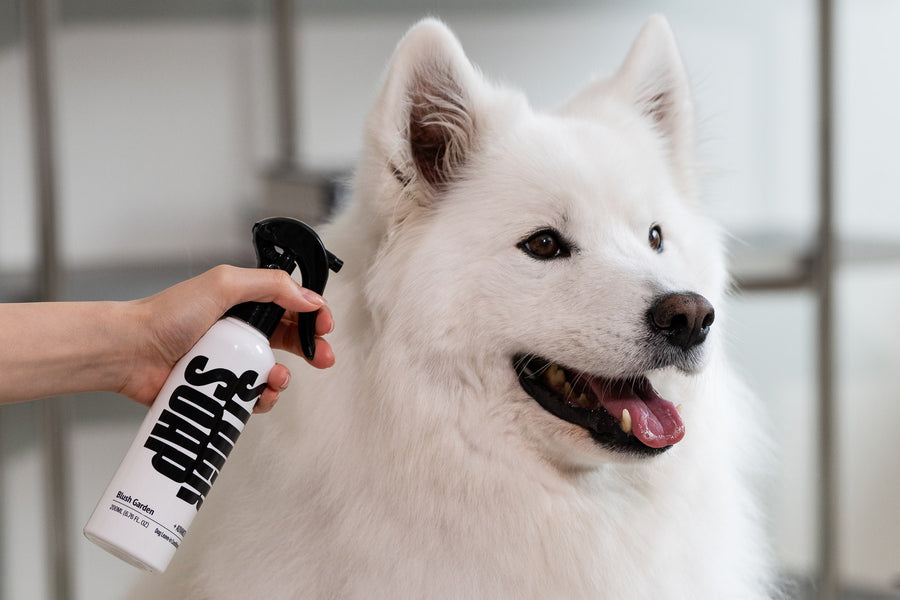



If your dog's coat has lost its shine or their skin has turned dry and flaky, you have probably scrolled through a hundred oils promising to fix it. One name keeps surfacing in beauty circles and increasingly in the pet aisle: marula oil. It is the lightweight, antioxidant-packed facial oil that clean-beauty and K-beauty fans treat like liquid gold, and now dog owners are asking whether it belongs in their grooming routine too.
Here is the honest answer up front. Marula oil for dogs can be a genuinely nourishing, coat-glossing option when it is used sparingly and safely, but it is not a cure-all, and there are a few important precautions most articles skip. This guide walks through what marula oil actually is, why the K-beauty world fell for it, what it may do for your dog's skin and coat, and exactly how to use it without causing problems.
We will also look at where marula fits into the bigger K-beauty philosophy of gentle, ingredient-first grooming, and how it compares to the plant oils already doing this job inside a good dog shampoo.
Table of Contents
What Is Marula Oil?
Marula oil is pressed from the kernels of the marula fruit, which grows on the Sclerocarya birrea tree native to the woodlands and savannas of sub-Saharan Africa. People across southern Africa have used it for thousands of years as a food, a skin moisturizer, and a traditional remedy, long before it appeared on a serum label.
So marula is African in origin, not Korean. Why is it turning up in every K-beauty and clean-beauty ingredient roundup? Because Korean formulation culture is ingredient-first: it hunts the globe for plant actives with a proven skin-barrier benefit and a gentle profile, then builds minimalist products around them. Marula ticks every box on that list.
Chemically, marula oil is unusually rich in oleic acid, a monounsaturated fatty acid that makes up roughly 70 percent of the oil. It also carries palmitic, linoleic, palmitoleic, and stearic acids, plus meaningful amounts of vitamin E, vitamin C, and the polyphenol antioxidant epicatechin. That antioxidant density is part of why marula resists going rancid: it is reported to be up to ten times more resistant to oxidation than olive oil, which matters for a product you want to keep on a shelf.
Why K-Beauty Made Marula Oil a Star
K-beauty routines obsess over one thing above all: a healthy skin barrier. The barrier is the outermost layer of skin that locks moisture in and keeps irritants out. When it is intact, skin looks plump and calm. When it is compromised, you get dryness, flaking, redness, and itch. Sound familiar? Those are the same signs dog owners notice on their pets.
Marula earned its K-beauty status because its fatty-acid profile is close to the lipids naturally found in the outer layer of skin. That similarity, sometimes described as biomimetic, means the oil blends into the skin's own lipid barrier rather than just sitting on top. The result is deep hydration without a heavy, greasy film, which is exactly the lightweight feel K-beauty formulators love.
On top of the moisture story, the antioxidant trio of vitamin C, vitamin E, and epicatechin helps neutralize free radicals generated by sun and pollution. In human skincare, that is framed as anti-aging and environmental defense. For a dog, the more relevant angle is simple soothing and coat conditioning, which we will get to next.
One honest caveat the beauty marketing rarely mentions: marula oil is considered mildly comedogenic, meaning it can clog pores if it is slathered on too heavily. On a human face that means the occasional breakout. On a dog it means you apply it selectively and sparingly rather than coating the whole body.
Marula Oil for Dogs: What It May Do for Skin and Coat
Let us be clear about the evidence. There are no large clinical trials on marula oil in dogs, so we are working from its established human-skincare properties, its chemistry, and its growing use in pet grooming products. With that framing, here is where marula oil for dogs shows real promise.
Dry, flaky skin. Marula's oleic acid and vitamin E are moisturizing and can help soften rough, dry patches. Because the fatty acids resemble skin's own lipids, marula may support the barrier that holds water in, which is often the underlying issue when a dog's skin looks dull and dandruffy. Remember, though, that dryness has many causes, from over-bathing that strips natural oils to allergies and parasites, so an oil treats the symptom, not always the source.
Itch and irritation. Grooming-industry sources describe marula as soothing for sensitive or irritated skin, and you will now find it in commercial dog sprays and shine mists, often paired with coconut oil. It may help calm minor dry-weather itchiness, but it is not a treatment for a true skin condition. Persistent scratching, sores, or hot spots are a reason to call your veterinarian, not to reach for a beauty oil.
Coat shine and softness. This is where marula genuinely earns its keep. A few drops smoothed over the coat can add gloss and a silky feel and help tame brittle, staticky hair. It is essentially a natural leave-in coat conditioner when used in tiny amounts.
It is worth connecting this to your dog's diet, because topical oil is only half the picture. A dull coat and chronically dry skin often trace back to a shortfall of essential fatty acids. Dogs cannot make enough omega-3s on their own and rely on diet to get them, and veterinary dermatology research has linked omega-3 and omega-6 supplementation to improved coat quality, reduced shedding, and less itching over several weeks. Think of a topical oil like marula as surface polish and a balanced diet as the foundation.
How to Use Marula Oil on Your Dog Safely
Marula oil has no known toxic effects on dogs when it is used externally and correctly, but a few rules keep it in the safe lane. Follow these before you try it.
- Patch test first. Apply a single drop to a small area like the shoulder and wait 24 hours. If you see redness or swelling, stop.
- Use it sparingly. Two to three drops is plenty for most dogs. Warm the oil between your palms, then massage it into clean, slightly damp skin or smooth it lightly over the coat. Because marula can clog pores, never coat the whole body.
- Target problem spots. Dry elbows, a flaky patch, rough paw pads (not the pads a dog will immediately lick), or the ends of a dull coat are good candidates. A cotton pad lets you dab precisely.
- Keep it out of eyes and ears. Marula can irritate both. Stay well clear of the face.
- Discourage licking. Marula is not a poison, but if a dog ingests a meaningful amount it can cause stomach upset, including vomiting or diarrhea. Apply where your dog cannot easily reach, or distract them until it absorbs.
- Choose cold-pressed, pure oil. Look for unrefined, single-ingredient marula with no added fragrance or essential oils, since many essential oils are unsafe for dogs.
- Ask your vet if your dog has a skin condition. Oils can sit on top of an infection or allergy and delay proper treatment.
Used this way, marula becomes a gentle finishing touch rather than a risk. The most common mistake is simply using too much.
The K-Beauty Coat-Care Approach
Here is the mindset shift that makes K-beauty so useful for dogs. Instead of chasing one miracle ingredient, it layers gentle, barrier-friendly steps and starts with what touches the skin most often: the wash. A stripping, high-pH shampoo can undo everything a good oil is trying to do, because it removes the natural lipids that keep skin calm and coat shiny in the first place.
That is why a nourishing oil like marula works best on top of a gentle cleanser, not as damage control after a harsh one. And if your shampoo already delivers rich, oleic-acid plant oils, you may not need a separate oil bottle at all.
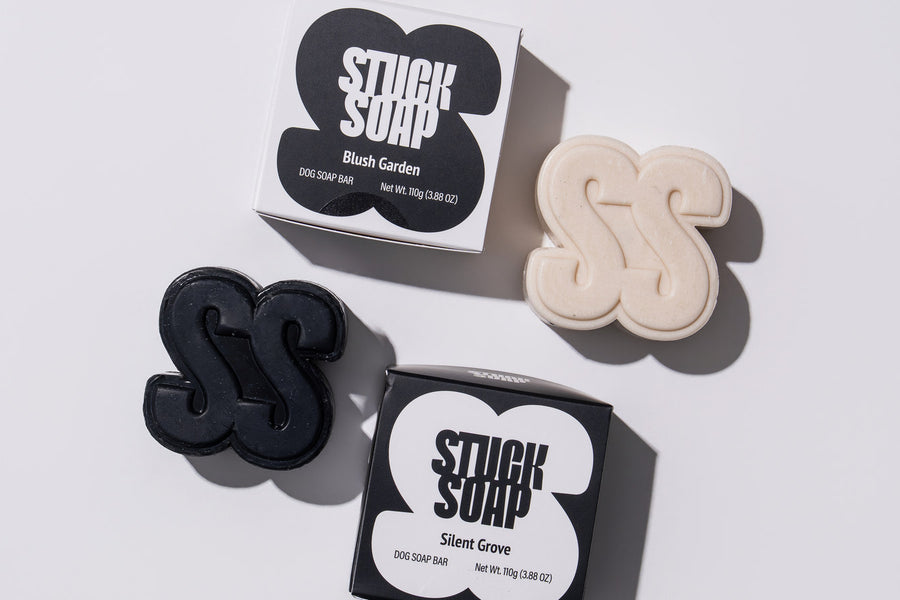
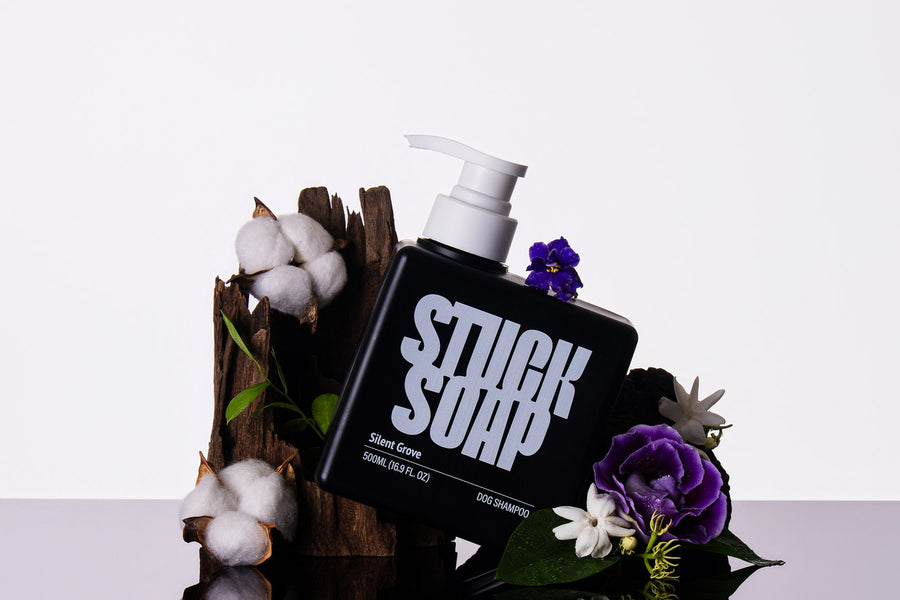
This is exactly the philosophy behind Stuck Soap. Our vegan, pH-balanced formulas are built around Jeju Island botanicals, including camellia oil, Korea's own oleic-acid-rich beauty oil that conditions the coat much the way marula does, along with green tea and centella asiatica to soothe and protect the skin barrier. It is the K-beauty ingredient-first idea applied to the bath itself, so the nourishing step is baked in rather than bolted on. Marula, if you love it, then becomes an occasional spot treatment rather than a rescue mission.
Quick takeaways: use marula sparingly and only where your dog will not lick it, patch test before the first full use, keep it away from eyes and ears, treat topical oil as a complement to omega-rich nutrition, and start every coat-care routine with a gentle, barrier-respecting wash.
Frequently Asked Questions
Is marula oil safe for dogs?
Yes, marula oil is generally safe for dogs when applied externally, sparingly, and away from the eyes, ears, and mouth. It has no known topical toxicity, but it can cause mild stomach upset if a dog ingests a lot, so apply it where they cannot lick it and patch test first.
Can I put marula oil on my dog's dry skin?
You can. A drop or two of pure, cold-pressed marula oil massaged into a clean, dry patch may help soften and moisturize it. Use it selectively rather than all over, since marula is mildly comedogenic and can clog pores if overapplied. See your vet if the dryness is widespread or accompanied by sores or heavy scratching.
Does marula oil make a dog's coat shinier?
It can. Smoothed over the coat in tiny amounts, marula's oleic acid and vitamin E add gloss and softness and help tame brittle, staticky hair, acting like a natural leave-in conditioner. For lasting shine, pair topical oil with a balanced, omega-rich diet and a gentle shampoo.
Is marula oil better than coconut or argan oil for dogs?
Not necessarily better, just different. Marula is lighter, very high in oleic acid, and rich in antioxidants, so it absorbs cleanly and resists going rancid. Coconut and argan oils have their own profiles. The best choice depends on your dog's skin and coat, and all of them should be used in small amounts and kept out of your dog's mouth.
What happens if my dog licks marula oil?
A small taste is unlikely to cause harm, but ingesting a larger amount can lead to vomiting or diarrhea. Apply marula only to spots your dog cannot easily reach, and keep them occupied until the oil absorbs. If your dog eats a significant quantity and seems unwell, contact your veterinarian.
The Bottom Line
Marula oil earned its clean-beauty and K-beauty reputation for good reasons: it is a lightweight, antioxidant-rich, barrier-friendly oil that hydrates without heaviness. For dogs, those same traits translate into softer skin and a glossier coat, as long as you use it sparingly, keep it away from eyes, ears, and mouth, and treat it as a finishing touch rather than a fix for real skin problems.
The deeper lesson is the K-beauty one. Great skin and a great coat start with gentle, ingredient-first care every time you wash, not with a single trending oil. Get the foundation right, and a few drops of marula become the polish on an already healthy coat.
Sources & References
Give Your Dog the K-Beauty Spa Treatment
Love the idea of an antioxidant, oil-nourished coat without the guesswork of dosing drops? Stuck Soap builds the nourishment right into the bath with Jeju camellia oil, green tea, and centella asiatica, so gentle cleansing and coat care happen in one gentle, pH-balanced step.
Shop Stuck Soap →Vegan · pH-Balanced · Jeju Island Botanicals · Zero Waste