


If you spend any time in the beauty world, you’ve heard of glass skin — the K-Beauty holy grail of a complexion so smooth, hydrated, and luminous that it seems to reflect light like a pane of glass. Now imagine that same idea applied to your dog. Not a poreless face, but healthy, hydrated skin under a coat so smooth and glossy it practically glows. That’s the promise behind glass skin for dogs, and it’s less of a gimmick than it sounds.
Here’s the thing: the K-Beauty philosophy that creates glass skin in humans isn’t really about one magic product. It’s about protecting the skin barrier, prioritizing hydration, and choosing gentle care over harsh quick fixes. And it turns out that’s almost exactly what veterinary dermatologists recommend for a healthy dog coat.
In this guide, we’ll break down what glass skin really means, whether the concept translates to dogs, the science of what actually makes a coat shine, and how to build a simple “glass-coat” routine for your pup using Korean beauty principles.
Table of Contents
- What “Glass Skin” Really Means in K-Beauty
- Can Dogs Have Glass Skin? What the Idea Translates To
- The Science of a Healthy, Glowing Dog Coat
- 5 K-Beauty Principles Behind Glass Skin for Dogs
- Your Dog’s Glass-Coat Routine: A Practical Guide
- Where STUCK SOAP Fits: Jeju Botanicals for Barrier-First Care
- Frequently Asked Questions
- Sources & References
What “Glass Skin” Really Means in K-Beauty
The term comes from the Korean word yuri, meaning glass. Glass skin describes a complexion so well-hydrated, smooth, and clear that it reflects light evenly, giving that signature dewy, lit-from-within look.
But glass skin was never really about chasing a filter-perfect face. At its core, it reflects a distinctly Korean skincare philosophy: prevention over correction. Instead of covering up flaws or blasting the skin with aggressive treatments, the goal is to nourish and protect the skin barrier over the long term through gentle, consistent, hydrating care.
The mechanics are simple. When skin is properly hydrated and the barrier is functioning well, light bounces off the surface evenly instead of scattering across rough, dry, or damaged areas. That even reflection is what reads as “glass.” The typical routine layers hydration through steps like gentle double cleansing, essences, humectants, and a moisture-sealing finish.
Strip away the specific human products, though, and you’re left with three transferable ideas: don’t damage the barrier, keep skin hydrated, and let healthy skin create its own glow. Those ideas aren’t species-specific.
Can Dogs Have Glass Skin? What the Idea Translates To
Let’s be clear up front: your dog is not going to get a literal dewy, poreless complexion, and you should never put human glass-skin products on a dog. Canine skin is different, and we’ll get to why that matters.
But the concept translates beautifully. In a dog, the equivalent of glass skin is simply healthy, well-hydrated skin under a smooth, light-reflecting coat. According to VCA Animal Hospitals, a healthy dog has skin that is well hydrated — neither greasy nor flaky — and covered with a shiny coat. That shine is not cosmetic fluff. It’s a visible signal that the skin barrier is intact and the coat is coated in a healthy, even layer of natural oil.
Think about it: a glossy coat reflects light for the same physical reason glass skin does. The surface is smooth and evenly conditioned, so light bounces off it uniformly instead of scattering off dry, brittle, or damaged hair. A dull, dry, flaky coat is the canine version of dehydrated, barrier-compromised skin.
So “glass skin for dogs” isn’t about a trendy 10-step routine. It’s a useful lens: if you care for your dog’s skin the way K-Beauty cares for the barrier, the glow follows.
The Science of a Healthy, Glowing Dog Coat
To borrow the glass-skin playbook, it helps to understand what’s actually happening in your dog’s skin. Three factors do most of the work.
1. The skin barrier. Your dog’s outer skin layer works like a brick wall: tightly packed cells held together by lipids such as ceramides. This barrier keeps moisture in and irritants out. Scientists measure how well it’s working through transepidermal water loss (TEWL) — the amount of water escaping through the skin. Research in veterinary dermatology has established that increased TEWL reflects impaired skin barrier function in dogs, and that dogs with allergic (atopic) skin tend to have higher TEWL and reduced ceramides even in areas that look normal. In other words, a strong barrier that holds water is the foundation of healthy skin. Ceramides play a starring role here, just as they do in human K-Beauty.
2. Sebum and the acid mantle. Your dog’s skin produces sebum, a natural oil from sebaceous glands attached to the hair follicles. Sebum lubricates the skin, coats each hair to reduce friction, traps moisture, and creates the natural shine and softness of a healthy coat. Together with the skin’s surface, sebum forms the acid mantle, the first line of defense against bacteria and irritants. Here’s a critical difference from humans: a dog’s skin sits at a more neutral pH of roughly 6.2 to 7.5, compared with about 5.2 to 6.2 for human skin. That’s exactly why human products (including glass-skin favorites) can disrupt a dog’s mantle on contact.
3. Nutrition and hydration. A glowing coat is built from the inside, too. Omega-3 and omega-6 fatty acids help keep skin hydrated and give fur its gloss; vitamin A supports sebum production; zinc helps reduce water loss through the skin; and since hair is roughly 95% protein, quality protein matters. No topical routine fully compensates for a diet that’s short on these building blocks.
5 K-Beauty Principles Behind Glass Skin for Dogs
Here’s how the philosophy that creates glass skin maps directly onto dog care.
1. Cleanse gently, never strip
The fastest way to ruin glass skin is over-cleansing. The same is true for dogs. Surfactants (the cleansing agents in every shampoo) grab oil and dirt, but they don’t discriminate between grime and the natural oils your dog’s skin needs. Harsh or too-frequent washing strips the acid mantle, and irritation and itching often spike in the 24 to 48 hours after a bath. The K-Beauty answer is a mild, pH-appropriate cleanser that respects the barrier. If your dog gets genuinely dirty, a gentle double cleanse beats one aggressive scrub.
2. Prioritize hydration
Glass skin is, above all, hydrated skin. For dogs, that means choosing products that support moisture retention rather than dry the skin out, and addressing dryness at the source rather than masking it. Our K-Beauty hydration approach to dry dog skin walks through this in detail.
3. Protect the barrier
Both glass skin and a healthy coat depend on an intact barrier. Look for ingredients that support skin lipids and reinforce the barrier, and avoid anything that repeatedly compromises it, from wrong-pH shampoo to harsh sulfates.
4. Feed the skin antioxidants and soothing botanicals
K-Beauty leans heavily on plant actives that calm and protect. Antioxidant-rich botanicals help defend skin cells from oxidative stress, while soothing extracts help settle reactivity. This is where Korean ingredient traditions genuinely shine for dogs, too.
5. Prevention over correction
Perhaps the most important principle: consistency beats intervention. A steady, gentle routine that maintains a healthy barrier will always outperform scrambling to fix a dull, itchy coat after the fact. K-Beauty is a marathon, not a sprint — and dogs, with their higher skin-cell turnover, benefit from the same patience.
Your Dog’s Glass-Coat Routine: A Practical Guide
You don’t need a shelf full of serums. Here’s a realistic routine that puts these principles to work.
Bathe on the right schedule. The AKC notes that most healthy dogs do well with a bath about once every four weeks, though it varies by coat type: long or curly coats every four to six weeks, double coats less often, oily breeds more often. Bathing too frequently strips the natural oils your dog needs, leaving the coat dull and the skin itchy. When in doubt, wash less, not more.
Use a dog-specific, pH-balanced shampoo. This is non-negotiable given the pH difference between canine and human skin. A gentle, barrier-friendly formula cleans without demolishing the acid mantle.
Rinse thoroughly. Leftover product residue is a common, overlooked cause of dull, itchy coats. Rinse longer than you think you need to.
Brush regularly. Brushing is your dog’s version of a hydrating essence: it distributes natural sebum from root to tip, so every hair gets coated in that light-reflecting oil. This single habit does more for shine than almost anything else.
Support from the inside. Talk to your vet about omega-3 fatty acids and a complete, protein-rich diet. Topicals and nutrition work together; neither does the job alone.
Layer in botanicals. Choose grooming products that carry skin-loving actives — the canine parallel to a K-Beauty essence. For more on coaxing out that finish, see our guide to making your dog’s coat shine with nourishing oils, or the full Korean 5-step dog grooming routine.
Where STUCK SOAP Fits: Jeju Botanicals for Barrier-First Care
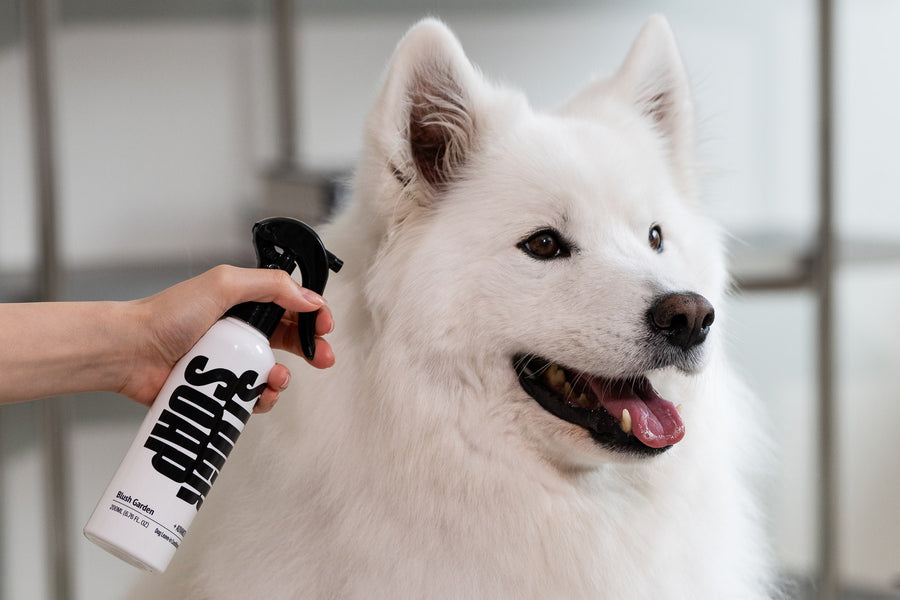
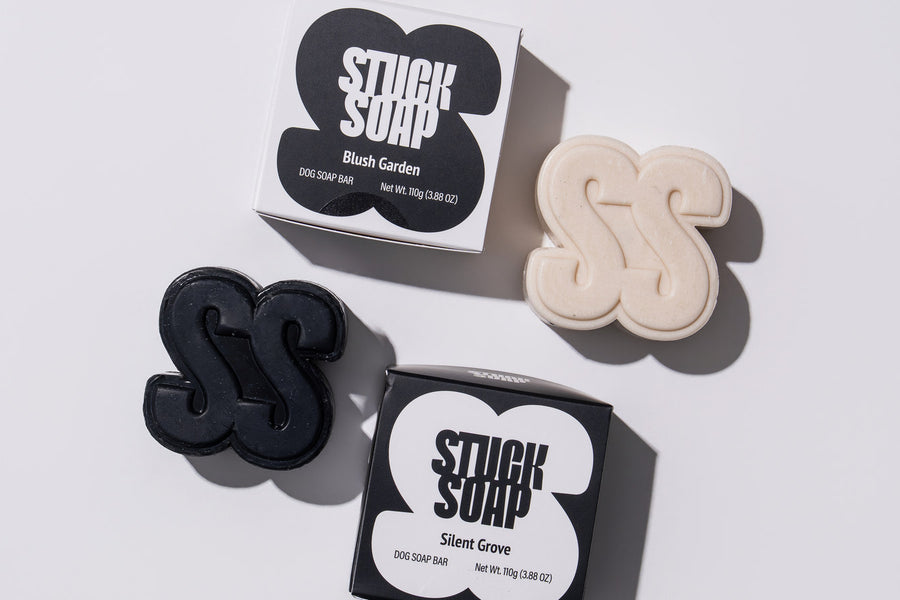
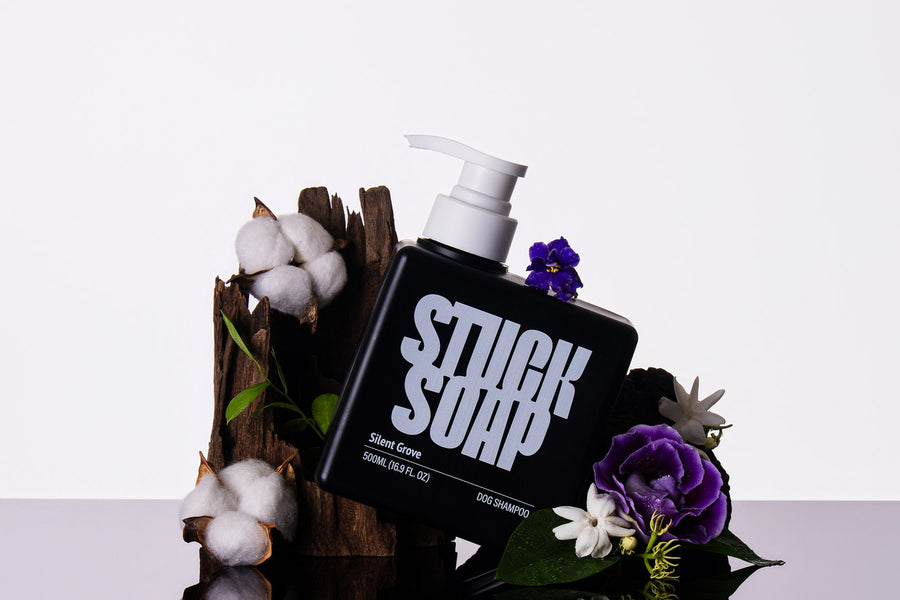
STUCK SOAP was built on exactly this philosophy: K-Beauty skincare thinking, adapted for dogs. Every formula is pH-balanced for canine skin, vegan, and plant-based, so it cleanses without stripping the acid mantle that keeps your dog’s coat glossy.
The star actives are sourced from Jeju Island, Korea, and they’re not there for marketing. Green tea is rich in polyphenols like EGCG, which research shows have real antioxidant and anti-inflammatory activity in skin. Centella asiatica — K-Beauty’s famous “cica” ingredient — has been studied for its soothing, barrier-supporting, and hydration-boosting effects. And camellia oil, Korea’s treasured “liquid gold,” helps condition the coat for that smooth, light-reflecting finish.
In other words, STUCK SOAP is designed to support the barrier-first, hydration-focused approach that gives glass skin its glow — translated into a bath your dog will actually enjoy.
Frequently Asked Questions
Can dogs actually get glass skin?
Not in the literal, human sense of a dewy, poreless face. For dogs, “glass skin” is a helpful way to describe the goal: healthy, hydrated skin with an intact barrier, topped by a smooth, glossy coat that reflects light evenly. Achieve the healthy skin and the glow follows.
Is it safe to use human glass-skin products on my dog?
No. Canine skin has a more neutral pH (around 6.2 to 7.5) than human skin, and many human skincare ingredients are not formulated or safe for dogs. Always use products made specifically for dogs, and check with your vet before applying anything new to their skin.
How do I make my dog’s coat shiny and glowing?
Bathe on an appropriate schedule with a gentle, pH-balanced dog shampoo, rinse thoroughly, and brush regularly to spread natural oils along the coat. Support skin from the inside with omega-3 fatty acids and quality protein, and choose products with antioxidant, skin-soothing botanicals. Avoid over-bathing, which strips the oils that create shine.
Does a shiny coat really mean my dog is healthy?
Often, yes. A shiny, well-hydrated coat is a good sign the skin barrier and natural oils are working well. A sudden dull, dry, or flaky coat can signal dietary gaps, over-bathing, or an underlying skin issue, so it’s worth a vet check if the change is persistent.
The Bottom Line
Glass skin for dogs isn’t about chasing a beauty trend. It’s about borrowing the smartest idea in K-Beauty — protect the barrier, prioritize hydration, and let healthy skin create its own glow — and applying it to your dog with gentle, consistent, species-appropriate care.
Bathe thoughtfully, cleanse without stripping, feed the skin from the inside, and lean on soothing botanicals. Do that, and the glossy, light-reflecting coat takes care of itself. That’s the real secret behind glass skin, for humans and dogs alike.
Sources & References
- Coat and Skin Appearance in the Healthy Dog — VCA Animal Hospitals
- Transepidermal Water Loss (TEWL) Reflects Skin Barrier Function of Dog — PubMed / Veterinary Dermatology
- Addressing Epidermal Barrier Function in Canine Atopic Dermatitis — dvm360
- How Often Should You Bathe Your Dog? — American Kennel Club (AKC)
- Skin Photoprotection by Green Tea: Antioxidant and Immunomodulatory Effects — PubMed
- Inhibitory Effect of Centella asiatica Extract on Atopic Dermatitis — PMC / NIH
Give Your Dog the K-Beauty Spa Treatment
Glass skin starts with a barrier you don’t strip. STUCK SOAP’s pH-balanced, vegan formulas are built on Jeju Island botanicals — green tea, Centella asiatica, and camellia oil — that cleanse gently while supporting your dog’s skin barrier and natural shine. It’s barrier-first, hydration-focused care, translated into a bath your pup will love.
Shop Stuck Soap →Vegan · pH-Balanced · Jeju Island Botanicals · Zero Waste