


If your dog's coat feels waxy again a day or two after a bath, or you notice a faint "doggy" oiliness that just won't quit, you are not imagining it. Excess sebum is one of the most common coat complaints dog owners have, and it is exactly the problem that one K-Beauty ingredient was built to solve. That ingredient is volcanic clay for dogs, and it is having a quiet moment in the natural pet care world.
In Korean skincare, Jeju volcanic clay is legendary. It is the star of some of the best-selling "pore" masks on the planet, prized for its almost magnetic ability to pull excess oil and grime out of skin. The obvious question for pet parents: if this mineral-rich clay works so beautifully on oily human skin, could a similar approach help your dog's greasy, hard-to-clean coat?
The short answer is that clay has real, science-backed uses in dog grooming, but the details matter. Below, we break down what volcanic clay actually is, why K-Beauty is obsessed with it, what the evidence says about clay for canine skin, and how to use it safely, all through the gentle, skin-first lens that defines Korean beauty.
Table of Contents
What Is Volcanic Clay?
Volcanic clay is a fine, mineral-dense powder formed when volcanic rock and ash weather down over long periods of time. As it breaks apart, it releases a cocktail of trace minerals and develops a porous, highly absorbent structure. That structure is the whole point: it lets the clay soak up oil, sweat, and surface debris like a sponge.
In the K-Beauty world, the most famous version comes from Jeju Island, a volcanic island off the southern coast of South Korea. Jeju volcanic ash is a signature ingredient in Korean cleansing masks, where microparticles smaller than a pore are marketed for their ability to lift out impurities and rebalance oil. It is the same island that gives us other beloved botanicals like green tea and camellia.
Clay is not a single substance, though. The family includes bentonite (the most talked-about "healing" clay), kaolin (a milder, whiter clay), French green clay, and rhassoul. They share a common talent for absorption and gentle exfoliation, but they differ in strength. Bentonite is the heavy lifter for oil; kaolin is the gentle option often chosen for sensitive skin.
Why K-Beauty Loves Jeju Volcanic Clay
Korean skincare is built on a simple philosophy: clean and balance the skin without stripping it. Volcanic clay fits that philosophy perfectly, which is why it appears in so many Korean masks and cleansers.
The main draw is sebum control. Volcanic ash acts almost like a magnet, drawing out excess oil, dirt, and impurities from clogged pores. With regular use, K-Beauty brands report smoother texture, a shine-free finish, and pores that look visibly smaller. For oily and combination skin, that "reset" feeling is the reason clay masks have such a loyal following.
The second draw is gentle exfoliation. The tiny mineral particles physically sweep away dead surface cells and buildup without the harsh scrubbing of a gritty scrub. That is a very K-Beauty idea: do the job, but keep it kind to the skin barrier.
There is one important caveat that Korean beauty editors always mention. Clay is drying by nature. That is a feature when you want to mop up oil, but it means clay masks are meant to be used once or twice a week, not daily, and always followed by hydration. Hold onto that rule, because it becomes even more important when we talk about dogs.
Volcanic Clay for Dogs: What the Science Says
Here is where we need to be honest and precise. Most published research on clay for skin focuses on humans, and clay is not a magic cure. But there is a real, growing body of practical use for clay in the natural pet grooming world, and the mechanisms that make it useful for people apply to dogs too.
The most cited benefit is oil absorption. Just as it does on human skin, a clay treatment can bind to excess sebum and surface grime on a dog's coat and skin, then rinse away. For a dog with a genuinely greasy, waxy coat, that can mean a cleaner feel and a longer-lasting fresh smell between full baths.
Clay is also valued for its ability to bind impurities. Bentonite in particular carries a negative charge that lets it grab onto positively charged particles like certain toxins, bacteria, and allergens sitting on the skin surface. Groomers and holistic pet care sources describe using a clay paste to help calm mild, itchy hot spots, where the clay forms a temporary protective layer over the irritated area while it dries.
It is worth being clear about what clay does not do. It is not a treatment for infection, parasites, or the underlying causes of chronic skin disease. If your dog is dealing with persistent itching, open sores, a strong odor, or hair loss, that is a veterinary conversation, not a clay mask. Think of clay as a grooming and comfort tool, not medicine.
One more note on safety framing: STUCK SOAP's own shampoos are built around Jeju botanicals like green tea, camellia oil, and centella asiatica rather than volcanic clay. So when we talk about clay here, we are exploring a broader K-Beauty ingredient trend and its potential in dog care, not describing what is in the bottle.
Which Dogs Might Benefit Most
Clay is not for every dog, and that is the whole point of using it thoughtfully. The dogs most likely to benefit from an occasional clay treatment fall into a few clear groups.
Dogs with genuinely oily coats. Some breeds and individuals simply produce more sebum, leaving the coat feeling greasy or looking dull. In its more extreme form, this is linked to seborrhea oleosa, the oily type of seborrhea. According to the American Kennel Club and the Merck Veterinary Manual, seborrhea happens when the skin overproduces skin cells and oil, and most affected dogs show a mix of greasy skin and flaking. Importantly, secondary seborrhea (a reaction to another problem such as allergies or hormones) is far more common than the primary, inherited form, which is why a vet diagnosis matters.
Adventurous, outdoorsy dogs. If your dog rolls in dirt, wades through ponds, or comes home from every hike coated in the great outdoors, a clay treatment before shampooing can help lift ground-in grime.
Dogs with the occasional hot spot. For a mild, non-infected itchy patch, a vet-approved clay paste may offer some soothing, drying relief. Anything oozing, spreading, or clearly infected needs professional care first.
Medicated bathing is considered the cornerstone of managing greasy, oily skin in dogs, and during flare-ups many dogs need baths one to three times a week under veterinary guidance. A clay step can be a helpful complement to a good bathing routine, but it does not replace the plan your vet sets.
How to Use Clay Safely on Your Dog
If you and your veterinarian decide a clay treatment makes sense, technique is everything. Here is a practical, K-Beauty-inspired approach that keeps things gentle.
1. Choose the right clay. Use a cosmetic or food-grade clay from a reputable source. Kaolin and French green clay are popular gentle choices; bentonite is stronger and better reserved for oilier coats. Never use industrial or craft clays.
2. Patch test first. Apply a small amount to one spot and wait to make sure there is no redness or irritation before treating a larger area.
3. Mix it to stick. Powdered clay can be silty and fall right off the coat. Grooming sources suggest blending it with a little skin-friendly oil (argan, olive, or avocado) plus water to form a spreadable paste that clings to skin and fur.
4. Clay comes before shampoo. This is the step most people get backwards. Apply the clay at the very start of the bath, let it sit briefly, then wash it away with your regular shampoo. That way, whatever the clay pulls to the surface gets rinsed off during the shampoo step rather than left behind.
5. Do not let it fully dry and crack. On skin, over-drying is uncomfortable. Keep the treatment short, avoid the eyes, ears, nose, and mouth, and rinse thoroughly.
6. Rehydrate afterward. Because clay is drying, always follow with a gentle, moisturizing shampoo or a conditioning step to protect the skin barrier. Treat clay as an occasional deep-clean, not a weekly habit for most dogs.
7. When in doubt, ask your vet. Especially for dogs with known skin conditions, a quick check-in prevents a well-meaning treatment from causing a flare.
The K-Beauty Approach: Purify Without Stripping
Whether or not you ever reach for a clay treatment, the bigger lesson from volcanic clay is the philosophy behind it: cleanse deeply, but never strip. Harsh, high-pH soaps can blast away oil and leave the skin barrier damaged, which ironically triggers even more oil production and that fast return of the greasy feeling.
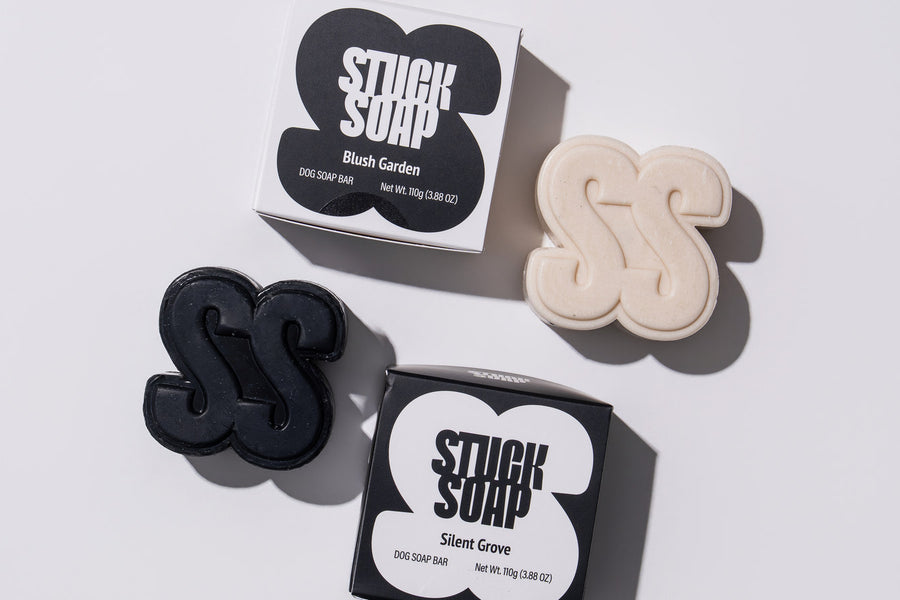
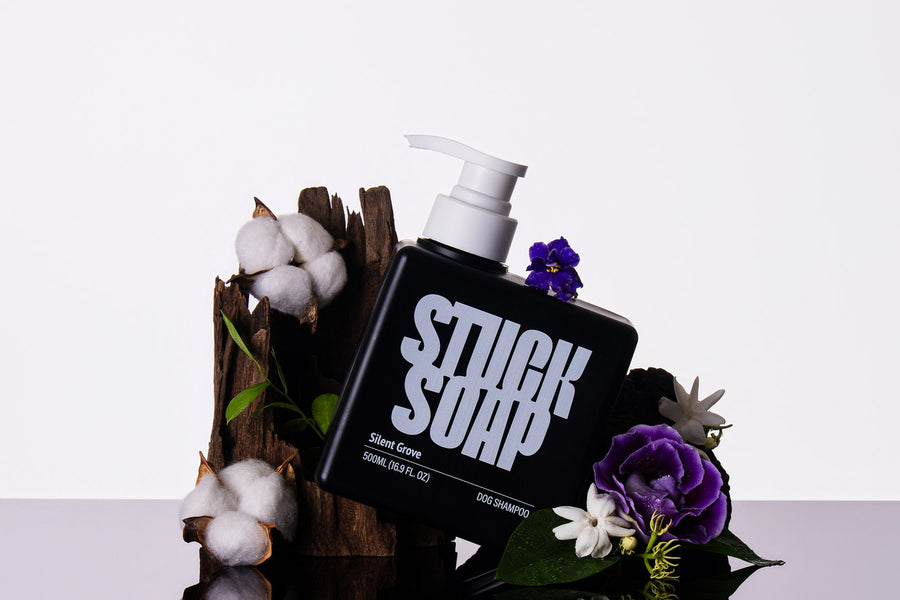
This is exactly the gap STUCK SOAP was designed to fill. Our K-Beauty inspired formulas use Jeju Island botanicals, the same island famed for its volcanic clay, to clean and balance a dog's skin gently. The pH-balanced Shampoo Bar is designed to support sebum control and the skin barrier, while the high-concentrate Liquid Shampoo delivers a rich, fine-bubble lather for deep cleaning and odor control without stripping.
For most dogs, a smart, consistent bathing routine with the right shampoo does more for an oily coat than any single treatment. If greasiness is your main concern, our deeper guide on why a dog's coat gets oily and how to fix it is a great next read. Volcanic clay is the dramatic, occasional reset; a gentle daily-driver shampoo is the quiet routine that keeps things balanced.
Frequently Asked Questions
Is volcanic clay safe for dogs?
Cosmetic and food-grade clays like kaolin and bentonite are generally considered safe for occasional external use on dogs when applied correctly and rinsed well. Always patch test first, keep it away from the eyes and mouth, and check with your veterinarian before treating a dog with any known skin condition.
What kind of clay is best for a dog's oily coat?
Bentonite clay is the strongest oil absorber and is often chosen for genuinely greasy coats, while kaolin and French green clay are gentler options for sensitive skin. Start with the mildest clay that gets the job done and use it as an occasional treatment, not a daily one.
Should I use clay before or after shampooing my dog?
Before. Apply the clay treatment at the start of the bath so it can draw impurities and excess oil to the surface, then wash everything away with your regular shampoo. Finishing with a gentle, moisturizing shampoo helps rehydrate the skin, since clay is drying by nature.
Can clay cure my dog's itchy skin or hot spots?
No. A vet-approved clay paste may offer temporary, soothing, drying relief for a mild, non-infected itchy patch, but clay does not treat infections, allergies, or the underlying causes of chronic skin disease. Persistent itching, odor, oozing, or hair loss should always be evaluated by a veterinarian.
Does STUCK SOAP contain volcanic clay?
No. STUCK SOAP's shampoos are built around Jeju Island botanicals such as green tea, camellia oil, and centella asiatica rather than clay. They share the same K-Beauty philosophy of purifying gently without stripping, which is the real takeaway from the volcanic clay trend.
The Bottom Line
Volcanic clay earned its K-Beauty fame for one simple reason: it cleans oily skin deeply while staying surprisingly gentle. That same logic can carry over to dogs with greasy coats, muddy adventures, or the occasional mild hot spot, as long as you choose the right clay, use it before shampoo, keep it occasional, and rehydrate afterward.
But the most important lesson is the mindset, not the mineral. Purify without stripping, respect the skin barrier, and let a gentle routine do the heavy lifting. Your dog's skin, like your own, does its best work when it is clean, balanced, and cared for the K-Beauty way.
Sources & References
- Seborrhea in Dogs: Signs, Symptoms, Treatment — American Kennel Club
- Seborrhea in Animals — Merck Veterinary Manual
- Volcanic Ash in K-Beauty Products: Purifying Superhero — KoreaProductPost
- Healing With Dirt: Bentonite Clay for Dogs — Dogs Naturally Magazine
- Unveiling the Benefits of Clay Masks in Pet Skincare — Frank Rowe & Son
Give Your Dog the K-Beauty Spa Treatment
Volcanic clay taught K-Beauty a simple truth: clean deeply, never strip. STUCK SOAP brings that same philosophy to your dog with pH-balanced, Jeju-botanical formulas designed to control oil and support the skin barrier, so a greasy coat stays fresh, soft, and balanced between baths.
Shop Stuck Soap →Vegan · pH-Balanced · Jeju Island Botanicals · Zero Waste