


If you have ever scanned the ingredient list on a gentle Korean cleansing oil, there is a good chance you spotted something surprisingly humble near the top: sunflower seed oil. It sits quietly beside the buzzier actives, doing steady, unglamorous work. That same oil has become a talking point in pet care too, and many owners now ask whether sunflower oil for dogs is a smart, natural way to support itchy skin and a dull coat.
It is a fair question. Sunflower oil is inexpensive, widely available, and genuinely rooted in skin science rather than marketing. Its star compound, linoleic acid, is one of the few ingredients with real research behind it when it comes to the canine skin barrier.
In this guide we will unpack what sunflower oil actually does, why K-Beauty formulators reach for it so often, what the veterinary evidence says, and how to use it safely on your dog without tipping their diet out of balance.
Table of Contents
- What Is Sunflower Oil, and Why K-Beauty Loves It
- The Science: Linoleic Acid and Your Dog's Skin Barrier
- Can Sunflower Oil Help Itchy, Dry Skin?
- Sunflower Oil and a Shinier Coat
- How to Use Sunflower Oil for Dogs Safely
- The K-Beauty Lesson: Gentle Beats Harsh
- Frequently Asked Questions
- Sources & References
What Is Sunflower Oil, and Why K-Beauty Loves It
Sunflower oil is pressed from the seeds of the humble sunflower, and its skincare value comes down to its fatty acid makeup. High-linoleic varieties are made up of at least 60% linoleic acid, an essential omega-6 fatty acid that skin cannot manufacture on its own. It also carries a healthy dose of vitamin E, a fat-soluble antioxidant.
In Korean skincare, sunflower seed oil shows up constantly, especially in cleansing oils and lightweight facial oils. Formulators love it for three reasons: it has a comedogenic rating of zero (meaning it does not clog pores), it feels light rather than greasy, and it is gentle enough for sensitive and reactive skin. You will often find it blended with jojoba and grapeseed oil in K-Beauty products, a trio chosen to hydrate without heaviness.
That gentleness is exactly why the ingredient translates so well to dogs. K-Beauty's whole philosophy centers on respecting the skin barrier instead of stripping it, and a mild, barrier-friendly oil fits that mindset perfectly. Your dog's skin is more delicate than yours, with a thinner outer layer and a more neutral pH, so a low-irritation ingredient is a real advantage.
The Science: Linoleic Acid and Your Dog's Skin Barrier
To understand why sunflower oil matters for dogs, you have to understand the skin barrier. The outermost layer of skin works like a brick wall: skin cells are the bricks, and a mortar of lipids (fats) holds everything together. Linoleic acid is a key building block of that mortar.
When the barrier is intact, it keeps moisture in and irritants, allergens, and microbes out. When linoleic acid runs low, the mortar weakens, water escapes more easily (a measure scientists call transepidermal water loss, or TEWL), and skin becomes dry, flaky, and prone to itching. This is not a small detail. Barrier dysfunction is now recognized as a central feature of canine atopic dermatitis, the most common allergic skin condition in dogs.
Here is where sunflower oil earns its reputation. Because it is so rich in linoleic acid, it can help top up the exact fatty acid the barrier depends on. Applied to the coat and skin, it acts as an emollient, softening and smoothing the surface while helping to slow that moisture loss. Vitamin E adds antioxidant support, helping protect skin cell membranes from the free radical damage caused by UV exposure and everyday environmental stress.
The evidence base, while still growing, is encouraging. A classic veterinary study by Marsh and colleagues found that supplementing dogs with zinc and linoleic acid measurably improved skin and coat quality. More recent work on topical products has been promising too: pilot studies of spot-on formulas built around plant-based essential fatty acids reported meaningful drops in lesion scores and transepidermal water loss in atopic dogs, and a controlled tape-stripping model showed that a fatty-acid spot-on had a genuine protective effect on barrier function. The common thread is that feeding the barrier the lipids it is missing helps it hold together.
Can Sunflower Oil Help Itchy, Dry Skin?
This is the reason most owners come looking. A dog who scratches, licks, and flakes is a miserable dog, and sunflower oil is often recommended as a natural first step for mild dryness.
The logic holds up. Much itching in dogs traces back to a compromised barrier that lets irritants slip through and moisture slip out. By supplying linoleic acid and forming a soft, protective film, sunflower oil may help reduce that dryness and calm the low-grade irritation that comes with it. Owners frequently report a softer coat and less flaking within a few weeks of consistent use.
That said, honesty matters here. Sunflower oil is a supportive ingredient, not a cure. If your dog is dealing with genuine atopic dermatitis, a food allergy, parasites, or a skin infection, an oil will not fix the underlying problem, and reaching for it instead of veterinary care can let a treatable condition drag on. Think of sunflower oil as barrier maintenance for otherwise healthy skin, or as a gentle complement to a treatment plan your vet has already put in place, never a replacement for one.
A quick reality check on inflammation is worth adding. Linoleic acid is an omega-6 fatty acid, and while omega-6s are essential, a diet flooded with omega-6 and short on omega-3 can actually nudge the body toward inflammation over time. Most commercial dog foods already lean omega-6 heavy, so more is not automatically better. Balance, not volume, is the goal.
Sunflower Oil and a Shinier Coat
Beyond soothing skin, sunflower oil has a well-earned reputation as a coat conditioner. A dull, brittle coat is very often a surface-level dryness problem, and the same emollient properties that comfort skin also smooth the hair shaft and boost light reflection, which reads to our eyes as shine.
There is a nutritional angle too. Essential fatty acids support the follicles that produce healthy hair, so adequate linoleic acid contributes to coat quality from the inside as well as the outside. This is exactly why you see sunflower and other plant oils listed in so many premium dog shampoos and conditioners: they leave the coat feeling soft and looking glossy without the buildup that heavier ingredients can cause.
For a light, do-it-yourself finish, a tiny amount of sunflower oil warmed between your palms and smoothed over a clean, dry coat can tame frizz and add luster. Less is genuinely more here, since too much will leave the coat looking greasy rather than glossy.
How to Use Sunflower Oil for Dogs Safely
Sunflower oil can be used two ways: topically on the skin and coat, or in small amounts in food. Each has its own guidelines.
Topically. This is the lowest-risk route and it sidesteps the dietary omega balance question entirely. Choose a cold-pressed, high-linoleic oil with no added fragrance. Do a patch test on a small area first and wait 24 hours to check for any reaction. Then apply a thin layer to dry patches, elbows, or a dull coat, or add a few drops to your dog's post-bath routine. A little goes a long way.
In food. If you want the dietary benefits, a commonly cited guideline is roughly one teaspoon per 10 kg (about 22 lb) of body weight per day, worked up to gradually. Because of the omega-6 consideration, this makes the most sense when it is paired with an omega-3 source such as fish oil, so the ratio stays sensible.
A few safety notes worth keeping in mind:
- Introduce it slowly. Any new oil can cause loose stools if added too fast.
- Skip it, or check with your vet first, if your dog has a history of pancreatitis, is overweight, or has a sensitive stomach, since added fat is not ideal for these dogs.
- Watch for sensitivity. Reactions are uncommon, but if you notice more itching, redness, or digestive upset, stop and reassess.
- When in doubt, ask your veterinarian, especially for a dog with a diagnosed skin condition or on medication.
Used sensibly, sunflower oil is a low-drama way to give the skin barrier a little extra support.
The K-Beauty Lesson: Gentle Beats Harsh
Sunflower oil is not a flashy ingredient, and that is precisely the point. Its story captures what makes the K-Beauty approach to grooming so appealing: choose mild, barrier-respecting ingredients, layer in gentle plant oils and antioxidants, and let the skin's own defenses do the heavy lifting. It is the opposite of the strip-it-clean, harsh-detergent mindset that leaves so many dogs dry and itchy after a bath.
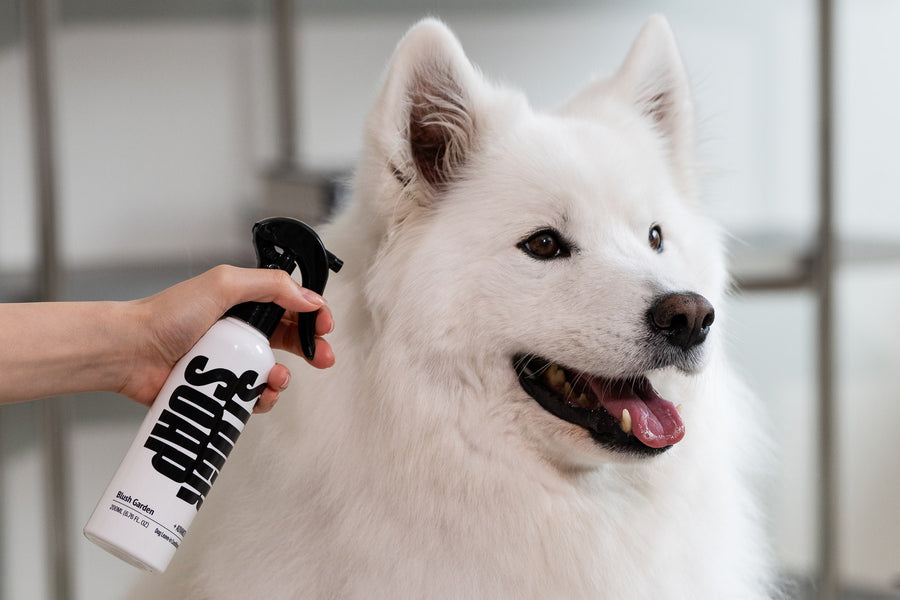
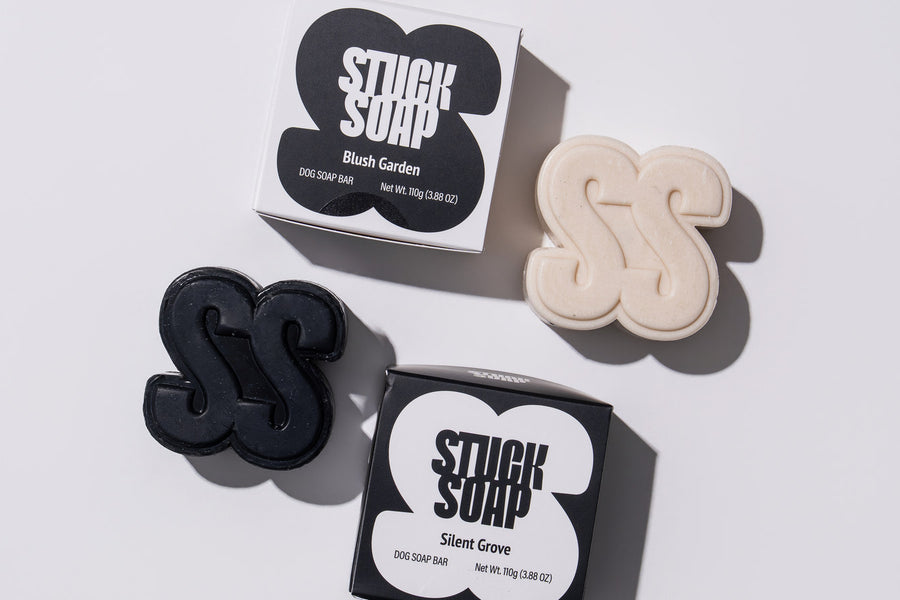
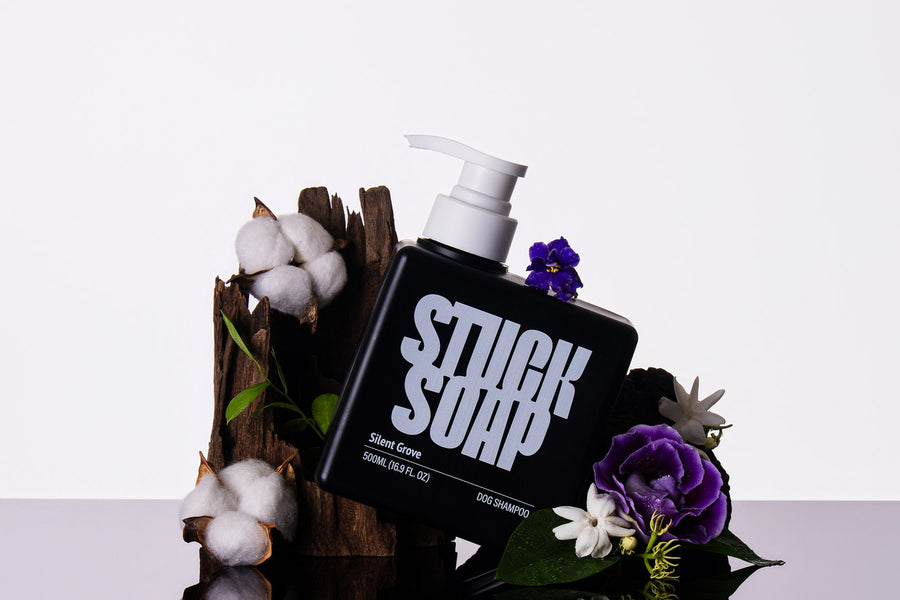
At Stuck Soap, that philosophy sits at the core of everything we make. Our vegan, pH-balanced formulas are built around nourishing K-Beauty botanicals from Jeju Island, including camellia oil, a plant oil in the same gentle, coat-loving family as sunflower oil, along with green tea and centella asiatica. The goal is the same one that makes sunflower oil worth talking about: clean the coat without wrecking the barrier that keeps your dog comfortable.
Whether you experiment with a drop of sunflower oil at home or reach for a shampoo already formulated with skin-friendly botanicals, the principle to carry with you is simple. Support the barrier, and healthy skin and a glossy coat tend to follow.
Frequently Asked Questions
Is sunflower oil safe for dogs?
Yes, in moderation. Sunflower oil is non-toxic to dogs and is used both topically and as a small dietary supplement. Use a cold-pressed, high-linoleic, fragrance-free oil, introduce it slowly, and check with your vet first if your dog has pancreatitis, weight concerns, or a diagnosed skin condition.
Can sunflower oil help my dog's itchy skin?
It may help mild, dryness-related itching. Sunflower oil is rich in linoleic acid, which supports the skin barrier and reduces moisture loss, so many owners see less flaking and a softer coat. It is not a treatment for allergies, infections, or parasites, which need veterinary care.
How much sunflower oil can I give my dog?
A common guideline for dietary use is about one teaspoon per 10 kg (roughly 22 lb) of body weight per day, introduced gradually. Because sunflower oil is high in omega-6, it is best balanced with an omega-3 source like fish oil. Topical use avoids the dietary balance question altogether.
Is sunflower oil the same as sunflower seed oil in dog shampoo?
Essentially, yes. "Sunflower seed oil" is the cosmetic name you will see on shampoo and conditioner labels. It is prized as a gentle, non-comedogenic emollient that softens the coat and supports the skin barrier without heavy buildup.
Which is better for dogs, sunflower oil or coconut oil?
They do different jobs. Sunflower oil is higher in linoleic acid, the fatty acid most tied to barrier repair, while coconut oil is more of a surface conditioner. For dry, barrier-compromised skin, sunflower oil's linoleic acid content is often the more targeted choice, but neither replaces a balanced diet or veterinary care.
The Bottom Line
Sunflower oil will never be the trendiest name on a skincare label, but its quiet reliability is exactly what makes it worth knowing about. Rich in linoleic acid and vitamin E, it can support your dog's skin barrier, ease mild dryness and itch, and add a healthy gloss to the coat, all while staying gentle enough for sensitive skin.
Use it thoughtfully, keep the omega-6 and omega-3 balance in mind, and lean on your vet for anything beyond everyday maintenance. Do that, and this unassuming K-Beauty staple can be a genuinely useful tool in your grooming kit.
Sources & References
- Effects of Zinc and Linoleic Acid Supplementation on Skin and Coat Quality of Dogs — Veterinary Dermatology (Wiley)
- The Influence of Topical Unsaturated Fatty Acids and Essential Oils on Normal and Atopic Dogs — PubMed
- Skin Barrier Reinforcement Effect of a Spot-On Based on Natural Ingredients in a Dog Model of Tape Stripping — Veterinary Sciences (MDPI/NCBI)
- Addressing Epidermal Barrier Function in Canine Atopic Dermatitis — dvm360
- Sunflower Oil: The Ingredient With Serious Skin Benefits — Kiehl's Skincare Advice
Give Your Dog the K-Beauty Spa Treatment
Sunflower oil proves a simple truth: your dog's skin thrives on gentle, barrier-friendly care. Stuck Soap builds that same philosophy into every wash, pairing nourishing Jeju botanicals like camellia oil, green tea, and centella asiatica in vegan, pH-balanced formulas that clean without stripping.
Shop Stuck Soap →Vegan · pH-Balanced · Jeju Island Botanicals · Zero Waste