


If you spend any time in K-Beauty circles, you have probably seen schisandra pop up on ingredient lists and "glass skin" routines. Known in Korea as omija (오미자), the "five-flavor berry," it is one of the most treasured antioxidant ingredients in traditional Korean wellness. But here is a question more dog owners are starting to ask: if schisandra is this good for human skin, could schisandra for dogs offer similar benefits?
It is a fair question, and it sits at the heart of the K-Beauty-for-dogs movement. The premise is simple: many of the gentle, antioxidant-rich botanicals that calm and protect human skin act on biology that dogs share with us. Free radicals, inflammation, and a compromised skin barrier are not uniquely human problems. Dogs deal with all three.
In this guide, we will unpack what schisandra (omija) actually is, the science behind its antioxidant reputation, why oxidative stress matters for your dog's skin and coat, and what current research does and does not tell us about using schisandra for dogs. We will also show how the broader K-Beauty antioxidant philosophy can shape a gentler, smarter grooming routine.
Table of Contents
- What Is Schisandra (Omija)? K-Beauty's Five-Flavor Berry
- The Antioxidant Science Behind Schisandra
- Why Oxidative Stress Matters for Your Dog's Skin
- Schisandra for Dogs: What the Research Suggests
- The K-Beauty Antioxidant Approach to Grooming
- Practical Ways to Support Your Dog's Skin
- Frequently Asked Questions
- Sources & References
What Is Schisandra (Omija)? K-Beauty's Five-Flavor Berry
Schisandra chinensis is a small, bright-red berry that grows on a climbing vine native to Korea, China, and parts of Russia. Its Korean name, omija, literally means "five-flavor fruit," because a single berry is said to carry all five basic tastes at once: sweet, sour, bitter, salty, and pungent. That rare flavor profile made it a prized ingredient in traditional Korean herbal medicine for centuries.
Today, omija has crossed over into modern K-Beauty. You will find schisandra extract in serums, essences, and barrier creams marketed for its ability to calm redness, brighten dull skin, and defend against environmental stress. It is celebrated as a botanical "adaptogen," an ingredient thought to help skin and body respond more gracefully to stressors of all kinds.
What gives the little berry its punch is chemistry. Schisandra is packed with polyphenols, flavonoids, and a special class of compounds called lignans, including schisandrin A, schisandrin B, and gomisin. Researchers have isolated more than 40 lignans from the plant, and these molecules are responsible for much of its documented antioxidant and anti-inflammatory activity.
The Antioxidant Science Behind Schisandra
Schisandra's reputation is not just folklore. A growing body of laboratory research has examined how its lignans behave on skin cells, and the findings are genuinely interesting.
In one in-vitro study published in Cosmetics, schisandra chinensis extract protected skin cells from urban pollution by modulating inflammatory and redox (oxidation-reduction) pathways. In plain terms, the extract helped skin cells defend themselves against the kind of free-radical damage caused by dust, smog, and daily environmental exposure.
Other research has zeroed in on schisandrin B, one of the berry's signature lignans. It has been shown to block inflammatory signals such as COX-2 and certain interleukins, and to help limit the breakdown of collagen by suppressing matrix metalloproteinases (MMPs). Scientists studying this effect noted protection against UVB-induced skin damage and reactive oxygen species, the unstable molecules behind premature skin aging.
A separate analysis found that schisandra extracts supported keratinocyte (skin cell) growth, showed high antioxidant potential, and had notable tyrosinase-inhibiting activity, which is why the ingredient is often linked to a brighter, more even complexion in human skincare.
Perhaps most relevant to pet owners is research on inflamed, allergy-prone skin. In a mouse model of atopic dermatitis, schisandra and schisandrin B helped relieve the condition by calming the NF-κB inflammatory pathway. Atopic dermatitis is one of the most common chronic skin conditions in dogs, so this line of research is worth watching closely.
Why Oxidative Stress Matters for Your Dog's Skin
To understand why an antioxidant berry could matter for dogs, it helps to understand oxidative stress. Oxidative stress is the imbalance that happens when free radicals outnumber the antioxidants available to neutralize them. Left unchecked, those free radicals can damage skin cell structures and disrupt normal immune function.
This is not a vague wellness concept. Veterinary dermatology research has measured it directly. One study found that dogs with atopic dermatitis had significantly higher blood markers of oxidative damage (such as malondialdehyde, or MDA) than healthy dogs, and that the level of oxidative damage rose alongside the severity of the disease.
Antioxidants are the body's counter-measure. Vitamins A, C, and E are well-documented protectors of skin cells against oxidative and environmental stress, and vitamin E in particular has shown measurable benefits in placebo-controlled trials for dogs with atopic dermatitis. A 2021 double-blind study went further, finding that dogs fed a diet enriched with antioxidants, polyphenols, and omega-3 fatty acids saw roughly a 25% reduction in severity scores at 30 days and a 49% reduction at a later timepoint.
The takeaway is clear: supporting your dog's natural antioxidant defenses is a legitimate, research-backed strategy for healthier skin and coat. That is exactly the lane schisandra, as a potent plant antioxidant, occupies in human skincare.
Schisandra for Dogs: What the Research Suggests
Here is where honesty matters. Most of the schisandra skin research above was done on human cells or in mouse models, not on dogs. So when we talk about schisandra for dogs, we are exploring the potential of a promising ingredient rather than pointing to settled canine science.
That said, schisandra is not unknown in the veterinary world. The berry has a long history in holistic pet care, where it is valued for its hepatoprotective (liver-supporting), adaptogenic, and antioxidant properties. It sometimes appears in liver-support supplements for senior dogs, building on research showing that schisandra lignans protect the liver from toxic, oxidative damage.
On the safety front, there is encouraging regulatory data. A European feed-additive safety panel evaluated omicha tincture (a schisandra chinensis product) and concluded it was safe for dogs at a concentration of 56 mg/kg. That is a meaningful data point, though it speaks to a specific tincture used as a feed additive, not to every form, dose, or topical application.
The practical bottom line: schisandra is a biologically active botanical with a credible antioxidant and anti-inflammatory profile, and early signals (including the atopic dermatitis mouse study) are intriguing for skin. But dosing, long-term safety, and topical effectiveness in dogs have not been thoroughly established. Always talk to your veterinarian before giving your dog any new herbal supplement, especially one that influences the liver or interacts with medications.
The K-Beauty Antioxidant Approach to Grooming
Whether or not schisandra ends up in your dog's routine, the principle it represents is one worth adopting. The K-Beauty philosophy treats antioxidants and a healthy skin barrier as the foundation of skin health, not an afterthought. Rather than stripping the skin and masking problems, the goal is to protect, soothe, and nourish.
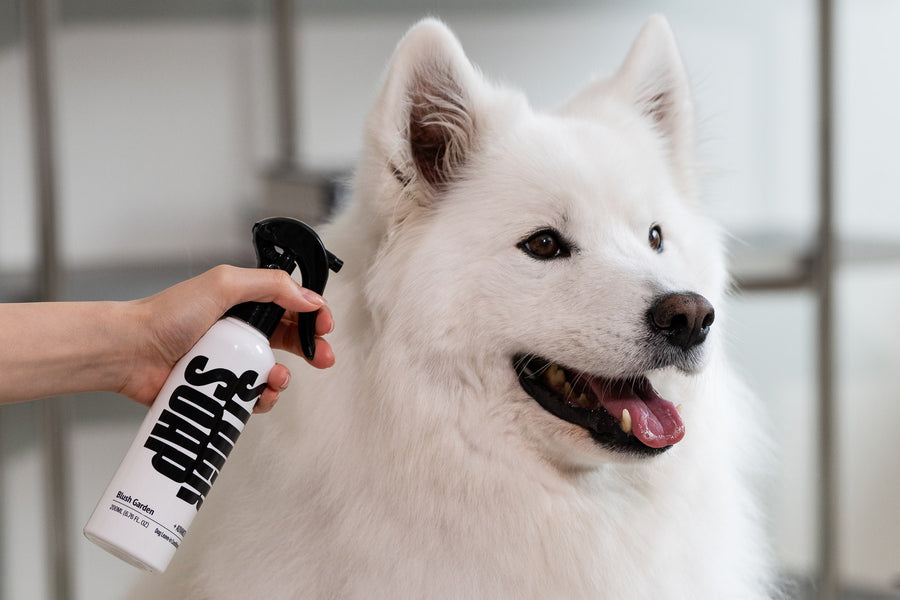
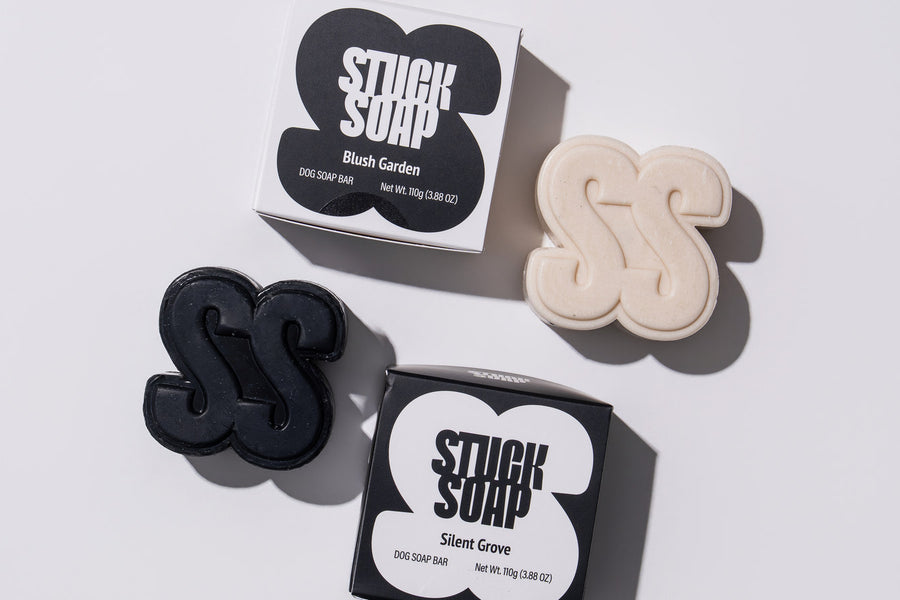
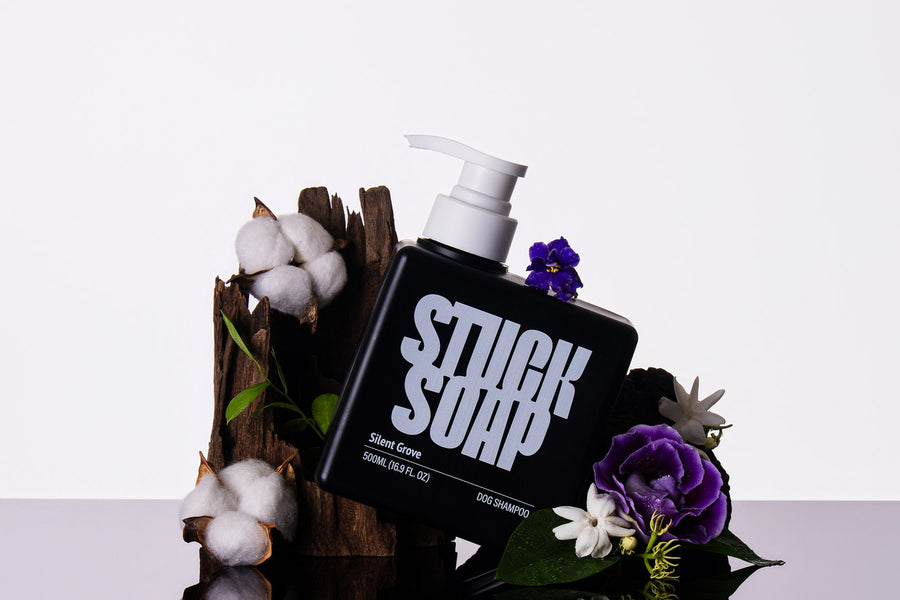
That philosophy is exactly what guides Stuck Soap. While we do not formulate with schisandra, we build our vegan, pH-balanced shampoos around proven antioxidant K-Beauty botanicals: green tea and camellia oil sourced from Korea's pristine Jeju Island, plus skin-soothing centella asiatica (cica). Green tea is a polyphenol powerhouse, camellia oil delivers fatty-acid-rich moisture for a glossy coat, and centella is K-Beauty's go-to calming ingredient for sensitive, reactive skin.
In other words, schisandra is part of a much bigger story: the rise of ingredient-first, antioxidant-driven, gentle grooming for dogs. The same thinking that fuels glass-skin routines is reshaping the bottle on your bathroom shelf.
Practical Ways to Support Your Dog's Skin
You do not need an exotic berry to put antioxidant skincare principles to work. Here are practical, vet-aligned steps you can take starting today:
Feed the skin from the inside. A diet rich in antioxidants (vitamins A, C, and E) and omega-3 fatty acids supports the skin barrier and helps counter oxidative stress. Ask your vet whether a quality fish-oil or skin-and-coat supplement makes sense for your dog.
Choose pH-balanced, gentle washes. Dog skin is more neutral than human skin, so harsh, high-alkaline shampoos can strip protective oils and worsen irritation. A pH-balanced formula cleans without compromising the barrier.
Look for antioxidant botanicals on the label. Ingredients like green tea, centella asiatica, and other plant antioxidants help protect skin cells while you bathe, turning grooming into a moment of care rather than just cleaning.
Do not over-bathe. For most dogs, bathing every three to four weeks is plenty. Over-washing disrupts the barrier and the skin's natural antioxidant defenses.
Watch for warning signs. Persistent itching, redness, flaking, or a dull coat can signal an underlying skin issue. Antioxidants support healthy skin, but they are not a substitute for veterinary diagnosis and treatment.
Frequently Asked Questions
Is schisandra safe for dogs?
Schisandra has a history of use in holistic pet care, and a European feed-additive panel concluded that omicha (schisandra chinensis) tincture was safe for dogs at 56 mg/kg. However, comprehensive canine research is limited, and the right form and dose matter. Always consult your veterinarian before giving schisandra, particularly since it affects liver function and may interact with medications.
Can schisandra help my dog's skin?
The evidence is promising but early. Schisandra is a potent antioxidant and anti-inflammatory in human and lab studies, including a mouse model of atopic dermatitis. Since oxidative stress is documented in canine skin disease, the ingredient's potential is real, but topical and dosing effects in dogs have not been well established. Think "exploring potential," not proven cure.
What is omija, and is it the same as schisandra?
Yes. Omija (오미자) is the Korean name for schisandra chinensis, the "five-flavor berry." It is the same fruit celebrated in K-Beauty for its antioxidant lignans and used for generations in traditional Korean wellness.
Does Stuck Soap contain schisandra?
No. Stuck Soap shampoos are formulated with other proven antioxidant K-Beauty botanicals: green tea and camellia oil from Jeju Island, plus soothing centella asiatica. These ingredients deliver antioxidant and barrier-supporting benefits in a vegan, pH-balanced wash designed for dogs.
What antioxidants are best for a dog's coat?
Vitamins A, C, and E, omega-3 fatty acids, and plant polyphenols (like those in green tea) are the most research-supported. A combination approach, supporting the skin from both diet and gentle topical care, tends to produce the best results for skin and coat health.
The Bottom Line
Schisandra, or omija, earns its place among K-Beauty's most respected antioxidant berries, and its lignan-rich chemistry has measurable effects on skin in human and laboratory research. For dogs, the science is still emerging, but the underlying logic is sound: oxidative stress is a real factor in canine skin health, and antioxidants are a proven part of the solution.
If you are curious about schisandra for dogs, treat it as a conversation to have with your veterinarian rather than a DIY experiment. In the meantime, you can put the K-Beauty antioxidant philosophy to work right now through gentle bathing, antioxidant-rich nutrition, and shampoos built around botanicals like green tea, camellia oil, and centella. Your dog's skin barrier will thank you.
Sources & References
- Schisandra chinensis Protects the Skin from Global Pollution by Inflammatory and Redox Balance Pathway Modulations — Cosmetics (MDPI)
- Schisandra chinensis and Schisandrin B Alleviated DNCB-Induced Atopic Dermatitis in Mice — Frontiers in Immunology
- Evaluation of the Antioxidant, Cytoprotective and Antityrosinase Effects of Schisandra chinensis Extracts — National Library of Medicine (PMC)
- Safety and Efficacy of Omicha Tincture (Schisandra chinensis) for Poultry, Horses, Dogs and Cats — EFSA / National Library of Medicine (PMC)
- Oxidative Stress Markers in Canine Atopic Dermatitis — The Veterinary Journal (ScienceDirect)
- Antioxidant Strategies for Age-Related Oxidative Damage in Dogs — National Library of Medicine (PMC)
Give Your Dog the K-Beauty Spa Treatment
The same antioxidant-first thinking behind K-Beauty's most loved berries guides every bottle of Stuck Soap. Our vegan, pH-balanced shampoos are built around Jeju Island green tea, camellia oil, and soothing centella asiatica, so bath time becomes real skin care for your pup.
Shop Stuck Soap →Vegan · pH-Balanced · Jeju Island Botanicals · Zero Waste