


Spring is in the air — and so is pollen. For millions of dogs across the US, the arrival of warmer weather doesn't just mean longer walks and more outdoor adventures. It also signals the start of allergy season, a time when itchy paws, red skin, and constant scratching become a frustrating reality for both dogs and their owners.
The good news? One of the simplest, most effective things you can do to help your dog this spring doesn't require a vet visit or a prescription. Regular, gentle bathing can wash away allergens, soothe inflamed skin, and give your dog real relief. Here's what you need to know.
Table of Contents
- What Are Spring Allergies in Dogs?
- Key Symptoms to Watch For
- How Bathing Helps Relieve Allergy Symptoms
- How Often Should You Bathe an Allergic Dog?
- Choosing the Right Shampoo for Allergy Season
- Step-by-Step Bathing Tips for Allergic Dogs
- Beyond the Bath: Other Ways to Reduce Allergens
- Frequently Asked Questions
- Sources & References
What Are Spring Allergies in Dogs?
Just like humans, dogs can develop environmental allergies — also called atopic dermatitis or canine atopy. These occur when a dog's immune system overreacts to airborne particles that are otherwise harmless.
In spring, the biggest culprits are:
- Tree pollen (oak, birch, cedar, maple)
- Grass pollen (Bermuda, bluegrass, rye)
- Weed pollen (ragweed, sagebrush)
- Mold spores released by thawing soil and wet leaves
Pollen counts typically surge between March and May in most US regions, which is why spring is one of the peak seasons for allergic flare-ups in dogs. Unlike humans who tend to sneeze and get watery eyes, dogs respond to allergens primarily through their skin — making grooming a critical part of allergy management.
Key Symptoms to Watch For
Spring allergies in dogs can be easy to miss at first, since the signs are often mistaken for other issues. Veterinary dermatologists note that the most commonly affected body areas are the paws, ears, belly, groin, and armpits — places where thin skin comes into direct contact with the environment.
Watch for these signs as the weather warms up:
- Excessive licking — especially of the paws after outdoor walks
- Scratching and chewing at the skin, particularly around the ears and belly
- Red, inflamed, or thickened skin
- Hair loss or thinning coat in affected areas
- Recurring ear infections or head shaking
- Watery or red eyes
- Hot spots — moist, irritated patches of skin
If your dog is showing several of these symptoms consistently, it's worth a conversation with your vet. Seasonal allergies can't be cured, but they can be managed very effectively — and a consistent grooming routine is one of the most accessible tools you have.
How Bathing Helps Relieve Allergy Symptoms
When a dog walks through grass or runs in a park, pollen, mold spores, and other allergens attach to their coat and skin. Left there, these particles continue to trigger the immune response for hours — causing that relentless itching cycle your dog just can't seem to break.
A thorough bath physically removes those allergens from the skin and coat before they can cause further irritation. According to MedVet's veterinary dermatology team, bathing dogs with allergic skin disease provides several key benefits:
- Reduces allergen load on the skin and coat
- Soothes inflamed skin and calms the itch response
- Supports skin barrier function — the skin's first line of defense against irritants
- Helps treat secondary infections caused by scratching and broken skin
Think of it like washing your hands after going outside during flu season. A simple rinse makes a meaningful difference in how much your dog is exposed to throughout the day.
How Often Should You Bathe an Allergic Dog?
The general guideline from most veterinary dermatologists is once every one to two weeks during peak allergy season for dogs with known skin sensitivities. Some dogs with severe reactions may benefit from baths as frequently as twice a week, while others do well on a monthly schedule.
A few factors will shape the right frequency for your dog:
- Coat type — dogs with dense double coats (Huskies, Goldens) accumulate more pollen than short-haired breeds
- Activity level — a dog who rolls in the grass daily will need bathing more often than a low-activity apartment dog
- Severity of symptoms — if your dog is visibly uncomfortable, more frequent baths may offer faster relief
- Shampoo formula — a pH-balanced, plant-based shampoo supports bathing as often as weekly without stripping the coat
The key word is balance. Over-bathing with a harsh shampoo can strip the skin's natural oils, weaken the protective barrier, and actually worsen dryness and irritation. Using a gentle, pH-balanced formula is what makes more frequent bathing safe and beneficial.
Choosing the Right Shampoo for Allergy Season
Not all dog shampoos are created equal — especially when your dog's skin is already reactive. During allergy season, the shampoo you choose matters as much as the frequency of bathing.
Here's what to look for:
pH-balanced formula. A dog's skin has a pH between 6.2 and 7.4 — more neutral than human skin. Shampoos formulated for this specific pH range cleanse without disrupting the acid mantle, the skin's natural protective layer.
Plant-based, skin-supportive ingredients. Look for botanicals with known soothing and barrier-supporting properties. Ingredients like Centella Asiatica (cica) are used extensively in K-beauty skincare for their ability to calm irritated skin and promote healing. Green tea extract is rich in antioxidants that help combat environmental damage. Camellia oil — a staple of Japanese and Korean beauty traditions — moisturizes deeply without clogging pores.
No harsh sulfates or artificial fragrances. Sodium lauryl sulfate (SLS) and synthetic fragrances are among the most common irritants for sensitive skin. These should be the first ingredients you check the label for.
Vegan and non-toxic. For a dog with a compromised skin barrier, anything that gets absorbed through the skin matters. A clean, vegan formula gives you confidence that what's on your dog is genuinely safe.
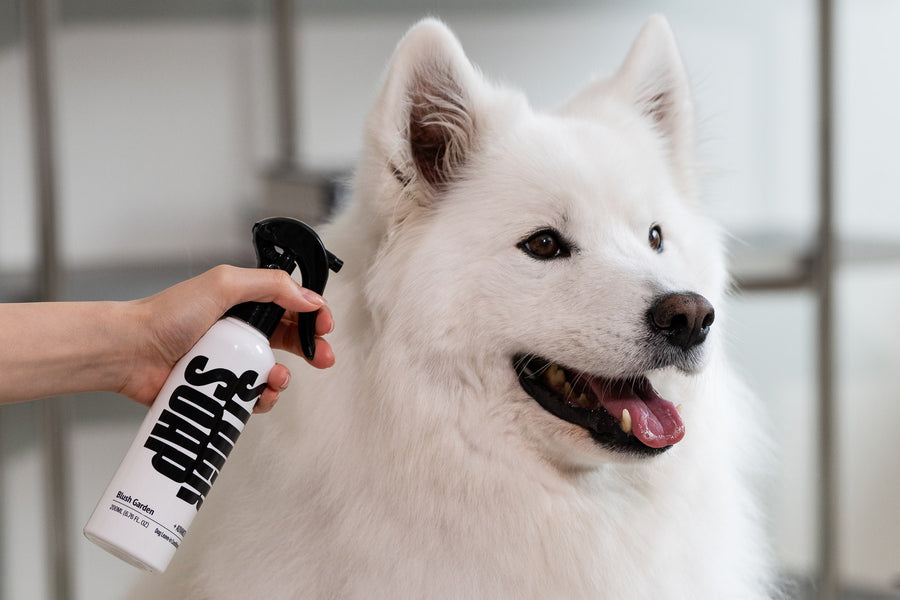
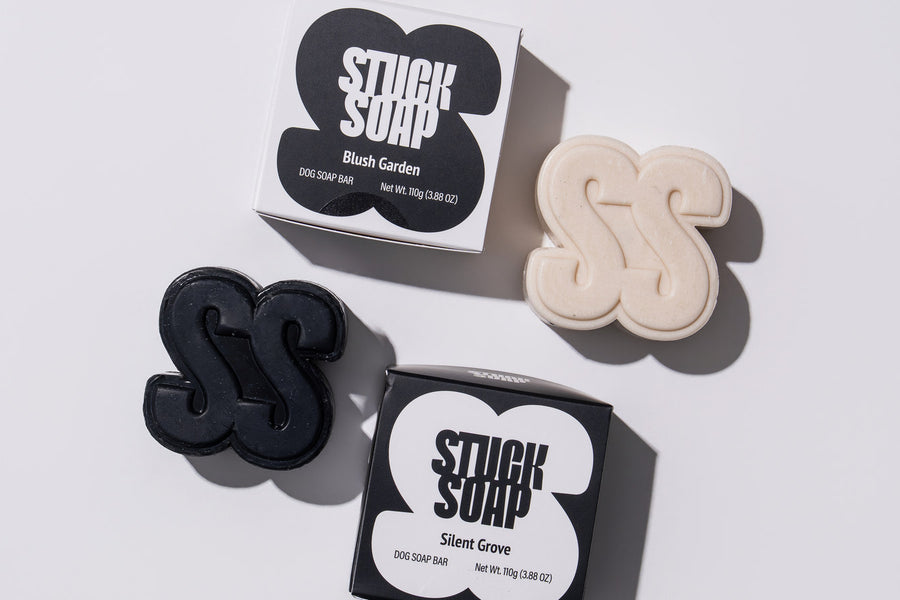
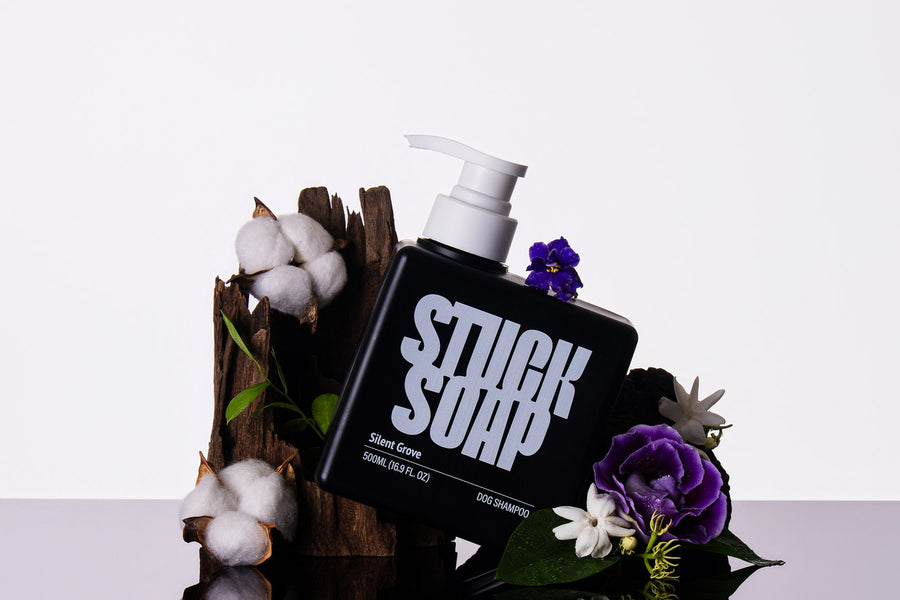
At Stuck Soap, we built our dog shampoo line around these exact principles — drawing on the K-beauty philosophy of using high-quality, skin-first botanicals sourced from Jeju Island, Korea. Our Liquid Shampoo and Shampoo Bar are both pH-balanced, vegan, and free from harsh chemicals, making them well-suited for dogs who need regular bathing during allergy season.
Step-by-Step Bathing Tips for Allergic Dogs
Getting the most out of a bath during allergy season is about technique as much as product. Here's a simple routine that veterinary dermatologists recommend:
1. Rinse thoroughly before shampooing. Use lukewarm or slightly cool water — never hot. Warm water opens pores and can increase inflammation in already-sensitive skin. A thorough pre-rinse also starts removing surface pollen before the shampoo even goes on.
2. Lather and let it sit. Apply shampoo generously and work it into the coat using circular massage motions. Aim for at least five minutes of contact time — longer if possible. This gives the active ingredients time to work and ensures thorough allergen removal.
3. Don't forget the paws and belly. These are the areas that collect the most pollen and also the most commonly affected by allergic reactions. Give extra attention to between the toes, the groin area, and the armpits.
4. Rinse completely. Residual shampoo can itself become an irritant on sensitive skin. Rinse until the water runs completely clear, paying special attention to any areas where product can get trapped.
5. Dry gently — avoid heat. Towel dry your dog and, if using a blow dryer, keep it on the cool setting. Heat dehydrates the skin and may aggravate allergic conditions. A microfiber towel works beautifully and is gentler on the coat.
6. Wipe paws after every outdoor walk. On high-pollen days, a quick paw wipe with a damp cloth or pet-safe wipes after each walk can dramatically reduce the allergens that enter your home — and your dog's system.
Beyond the Bath: Other Ways to Reduce Allergens at Home
Bathing is a cornerstone, but it works best as part of a broader allergy management strategy. A few other habits that make a real difference:
Brush daily during peak pollen season. Regular brushing removes loose pollen and dander from the coat before it has a chance to settle on your furniture — or cause further skin irritation. Brush outdoors if possible to keep allergens outside.
Wash your dog's bedding weekly. Allergens accumulate in fabric quickly. A weekly wash of your dog's bed and any blankets they use helps keep their resting environment clean.
Check the pollen count. On high-pollen days, consider shortening outdoor walks during peak times (typically mid-morning and afternoon) and opting for paved routes over grass-heavy parks.
Support from the inside out. Omega-3 fatty acids — found in fish oil supplements — are well-documented for supporting skin barrier function in dogs with allergies. Most veterinary dermatologists recommend starting supplementation at least four to six weeks before peak allergy season for best results.
Talk to your vet. If your dog's symptoms are severe or significantly affecting quality of life, there are effective prescription options — including Apoquel and Cytopoint — that block the itch signal at its source. Allergy testing and immunotherapy can also provide long-term desensitization for dogs with consistent year-round reactions.
Frequently Asked Questions
Can I bathe my dog every week during allergy season?
Yes — as long as you use a gentle, pH-balanced shampoo formulated for dogs. Weekly bathing is a common recommendation from veterinary dermatologists for dogs with seasonal allergies, as it physically removes pollen and allergens from the coat. Harsh shampoos can strip natural oils with frequent use, so formula quality matters.
What are the signs that my dog has spring allergies rather than a different condition?
Seasonal allergies typically flare up at predictable times of year (spring and/or fall) and cause itching, paw licking, ear inflammation, and red skin — particularly on the paws, belly, and groin. If the symptoms appear and disappear with the seasons, environmental allergies are a likely cause. Year-round symptoms may suggest food allergies or other underlying conditions — a vet can help differentiate.
Does bathing actually remove pollen from a dog's coat?
Yes. Studies and veterinary guidance confirm that bathing is one of the most effective ways to physically remove allergens — including pollen — from a dog's coat and skin. The key is thorough lathering and complete rinsing to ensure allergens are fully washed off rather than redistributed.
Is a shampoo bar as effective as liquid shampoo for dogs with allergies?
A pH-balanced shampoo bar can be just as effective as liquid shampoo for dogs with allergies, provided it uses the same quality, skin-safe ingredients. Shampoo bars also tend to have fewer synthetic preservatives than liquid formulas, which may be a benefit for sensitive skin. Lather it onto your hands or a loofah first, then apply to your dog's coat for the best coverage.
What water temperature is best for bathing a dog with skin allergies?
Lukewarm to slightly cool water is ideal. Hot water can open pores and increase skin inflammation in dogs that are already reactive. Cool water has a mild soothing effect on irritated skin and helps close the pores after rinsing. Always test the water temperature on your wrist before applying it to your dog.
Conclusion
Spring allergies are one of the most common and frustrating challenges dog owners face each year. But a consistent, thoughtful bathing routine — using the right shampoo, at the right frequency, with proper technique — can make a tangible difference in your dog's comfort and skin health.
You don't need to wait for symptoms to spiral. Start now, before pollen counts peak, and build bathing into your weekly spring routine. Your dog's skin will thank you for it.
Sources & References
- Dog Seasonal Allergies: Causes, Symptoms, and Treatment — PetMD
- Bathing Recommendations for Dogs with Allergic Skin Disease — MedVet Veterinary Specialists
- Seasonal Allergies in Dogs & Cats — VCA Animal Hospitals
- Washing the dog reduces dog allergen levels — PubMed / National Library of Medicine
- Pollen Allergies in Dogs: Symptoms and How To Treat Them — PetMD
Give Your Dog Relief This Spring
A gentle, pH-balanced bath is one of the best things you can do for your dog during allergy season — and the shampoo you use matters. Stuck Soap's plant-based formulas with Jeju Island botanicals (Green Tea, Centella Asiatica, Camellia Oil) are designed to cleanse deeply while supporting the skin barrier your allergic dog needs most.
Shop Stuck Soap →Vegan · pH-Balanced · Jeju Island Botanicals · Zero Waste