


If you have ever run your fingers through a bag of rice and felt that soft, powdery dust cling to your skin, you have already met rice bran. For centuries, that humble byproduct of milling rice was quietly saved, not discarded, because East Asian beauty traditions understood something modern labs are only now confirming: rice bran is packed with antioxidants. Today, rice bran for dogs is emerging as one of the most interesting crossover ingredients in the K-beauty-for-pets conversation.
Korean skincare has spent the last few years elevating rice from pantry staple to cult ingredient, with rice water toners, rice bran cleansers, and fermented rice essences promising the kind of soft, luminous "glass skin" that made K-beauty famous. The same compounds that make rice bran a brightening, barrier-supporting hero for human skin, gamma-oryzanol, ferulic acid, and vitamin E, are also showing up in premium dog supplements and coat oils.
So is rice bran genuinely good for your dog, or is it just marketing riding the K-beauty wave? In this guide, we will break down the science of rice bran, explore what it may do for your dog's skin and coat, cover the safety details every owner should know, and show you how the K-beauty philosophy of gentle, barrier-first care can guide smarter grooming choices.
Table of Contents
What Is Rice Bran? K-Beauty's Time-Tested Grain
Rice bran is the nutrient-dense outer layer of the rice grain, the part removed when brown rice is polished into white rice. In Korean it is known as migang, and in Japan the closely related tradition centers on nuka. Far from waste, this fine, golden powder has been a beauty staple across East Asia for generations.
The history is worth pausing on. Court ladies of Korea's Joseon dynasty famously used rice water and rice bran to cleanse and brighten their complexions, a practice usually traced back to Joseon-era households. In Japan, geishas mixed nuka with water to polish their skin to a famously smooth, luminous finish. These were not fads. They were ingredient-first rituals built on real observation of how rice byproducts softened and evened skin.
Fast forward to today, and rice has become one of K-beauty's signature ingredients. Korean brands have built entire product lines around rice bran cleansers, exfoliants, and essences, and dermatology-focused companies now spotlight rice bran extract for its brightening and antioxidant credentials. The through-line from a Joseon palace to a modern serum is the same handful of powerful compounds, which we will unpack next.
This heritage is exactly why rice keeps appearing across the K-beauty-for-dogs space. If you have read our guide to rice water for dogs, rice bran is the natural next chapter, more concentrated in oils and antioxidants than the water rinse.
Inside Rice Bran: Gamma-Oryzanol, Ferulic Acid & Vitamin E
Rice bran's reputation rests on a genuinely impressive nutrient profile. Rice bran extract contains a cluster of bioactive compounds including gamma-oryzanol, tocopherols and tocotrienols (forms of vitamin E), ferulic acid, phytosterols, and essential fatty acids. Here is why each matters.
Gamma-oryzanol is the headliner. It is a powerful antioxidant unique to rice that has been shown to help inhibit excess melanin production and protect skin against UV damage. Importantly for topical use, it is oil-soluble and absorbs readily into skin, where it can also support circulation in the tissue just below the surface.
Ferulic acid is a small but mighty antioxidant with anti-inflammatory and antibacterial properties. In skin research, it helps protect fibroblasts (the cells that build collagen) and has been linked to faster wound healing and new blood vessel formation. It is also known for stabilizing other antioxidants, which is why formulators love pairing it with vitamins.
Vitamin E (tocopherols and tocotrienols) and phytosterols round out the antioxidant defense, while linoleic acid and squalene-type lipids help strengthen the skin's moisture barrier and reduce water loss, keeping skin soft and conditioned. Rice extract also has a documented calming effect on irritated, redness-prone skin.
The research is stacking up. Studies show rice bran extract can significantly improve the synthesis of collagen and elastin in skin, reduce water loss, and improve elasticity and overall quality, and one 2025 study found that fermented rice bran extract delayed skin aging by boosting collagen and elastin. Antioxidant and skin-hydration effects of rice bran compounds have been demonstrated in laboratory models as well.
Rice Bran for Dogs: What It May Do for Skin and Coat
Here is the honest framing every responsible owner deserves: most of the rigorous data on rice bran comes from human skincare and from nutritional studies, not from large canine dermatology trials. So when we talk about rice bran for dogs, we are exploring well-founded potential, not promising a cure. That said, the potential is real, and rice bran oil is already used in reputable dog supplements and foods.
Why does it translate? Your dog's skin and coat rely on the same fundamentals as ours: a healthy lipid barrier, protection from oxidative stress, and adequate moisture. Rice bran oil is an excellent source of antioxidants, including vitamin E and gamma-oryzanol, which help protect against oxidative stress and support skin and coat health by promoting hydration and a glossy appearance. Formulators also note that quality rice bran oil is fast-absorbing.
The essential fatty acids are the coat connection. Linoleic acid, an omega-6 fatty acid abundant in rice bran, is one of the building blocks of a healthy canine skin barrier. Both oral and topical supplementation of essential and omega-six fatty acids may improve the skin barrier in dogs, which matters because a stronger barrier means less trans-epidermal water loss, fewer flakes, and a shinier coat.
This barrier logic is the heart of the whole K-beauty-for-dogs idea. Dogs with atopic (allergy-prone) skin have been shown to be deficient in ceramides, the lipids that hold the skin barrier together, and topical therapies that replenish barrier lipids can measurably reduce clinical signs of irritation. Antioxidant, fatty-acid-rich ingredients like rice bran fit squarely into that gentle, barrier-supporting approach. For a deeper look at the barrier itself, see our guide to ceramides for dogs.
In practical terms, dog owners exploring rice bran oil typically hope for three things: a softer, glossier coat, calmer and less flaky skin, and antioxidant support against everyday environmental stress. Those goals line up neatly with what we already know rice bran's actives do, even if the canine-specific studies are still catching up. If a glossier coat is your main goal, our roundup on how to make your dog's coat shine pulls the nourishing-oil approach together.
Is Rice Bran Safe for Dogs?
Rice itself is one of the most dog-friendly grains, which is why plain rice is a go-to for upset stomachs and why rice bran oil appears in commercial dog diets. In general, dogs can have rice bran oil, and it is considered highly digestible, making it a reasonable choice even for dogs with sensitive digestion. But safe use comes down to two things: form and dose.
Dose matters. Ingesting too much rice bran oil can cause flatulence, stomach upset, vomiting, or loose stools. General guidance for dietary rice bran oil is roughly 1 teaspoon per day for small dogs, about 1.5 teaspoons for medium dogs, and up to 2 teaspoons for large dogs, always introduced gradually. Because it is calorie-dense, it should be counted as part of your dog's overall food intake, not piled on top of it.
Form matters even more for topical use. This is where the K-beauty crossover needs a caveat. Human rice bran cleansers, exfoliants, and toners are formulated for human skin, which sits at an acidic pH of around 5.5. Dog skin is different: it is thinner and typically has a more neutral pH closer to 7. Human products, especially exfoliating or fragranced ones, can disrupt a dog's barrier and cause irritation. Never substitute a human rice bran product for a dog-appropriate one.
A few more safety notes worth keeping in mind: introduce any new ingredient slowly and watch for digestive changes or skin reactions; choose products formulated and pH-balanced specifically for dogs; and always talk to your veterinarian first if your dog has a diagnosed skin condition, food sensitivities, is pregnant, or is on medication. Proper veterinary guidance ensures rice bran fits your dog's individual needs rather than working against them.
How to Use Rice Bran: The K-Beauty Barrier-First Approach
If you want to explore rice bran for your dog, here are practical, low-risk ways to start, along with the mindset that makes K-beauty grooming work.
Start with food, not experiments. The simplest, best-studied route is a small amount of dog-appropriate rice bran oil added to meals, at the doses above and with your vet's blessing. Give it four to six weeks. Coat and skin changes are gradual because they follow the skin's natural renewal cycle.
Choose topical products made for dogs. For skin and coat care you apply, reach for shampoos and conditioners formulated and pH-balanced for canine skin rather than repurposing your own bottles. This is the single most important rule in the whole K-beauty-for-dogs playbook.
Think barrier-first, not strip-and-scrub. The K-beauty philosophy is about supporting the skin barrier with gentle, antioxidant-rich, plant-based ingredients rather than harsh cleansing. Rice bran is one expression of that idea, but the principle is bigger than any single grain.
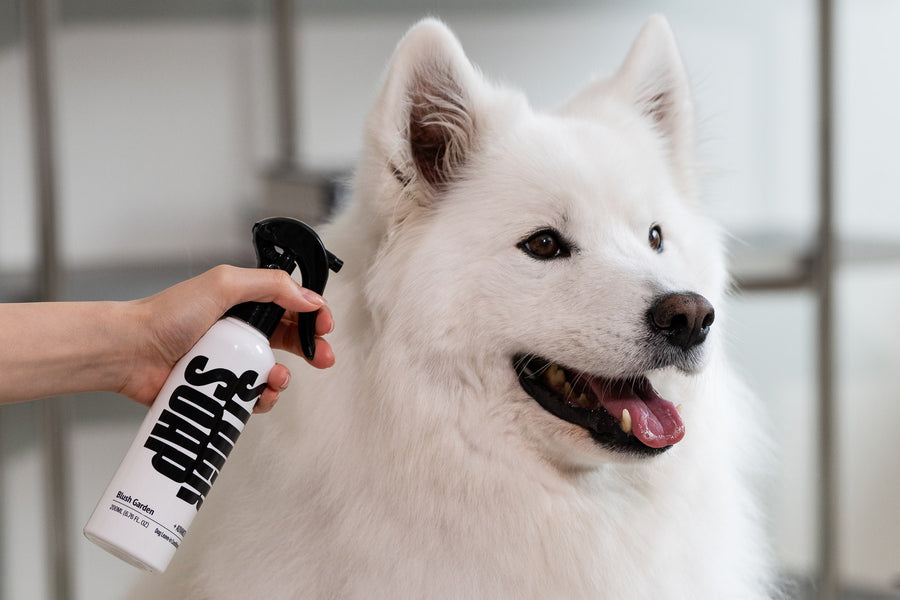
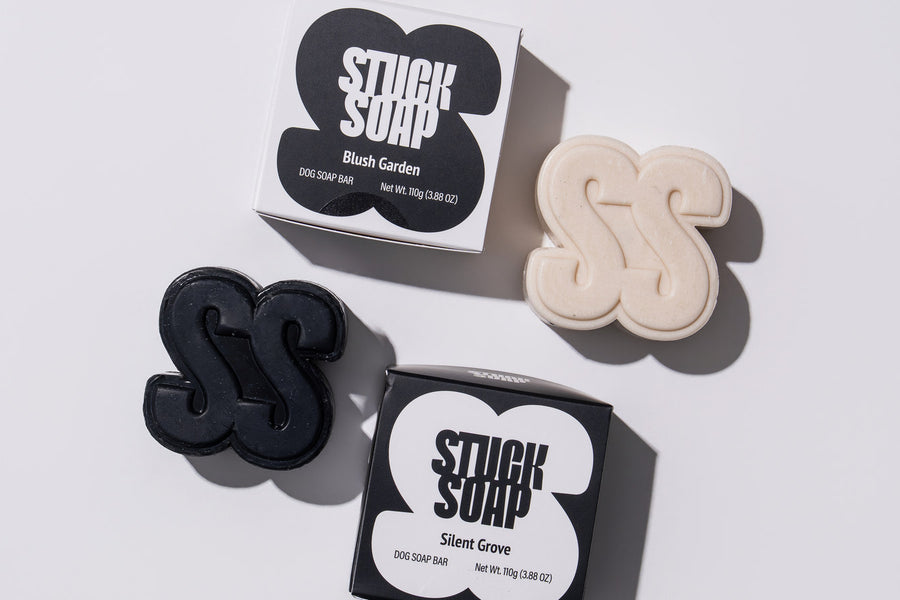
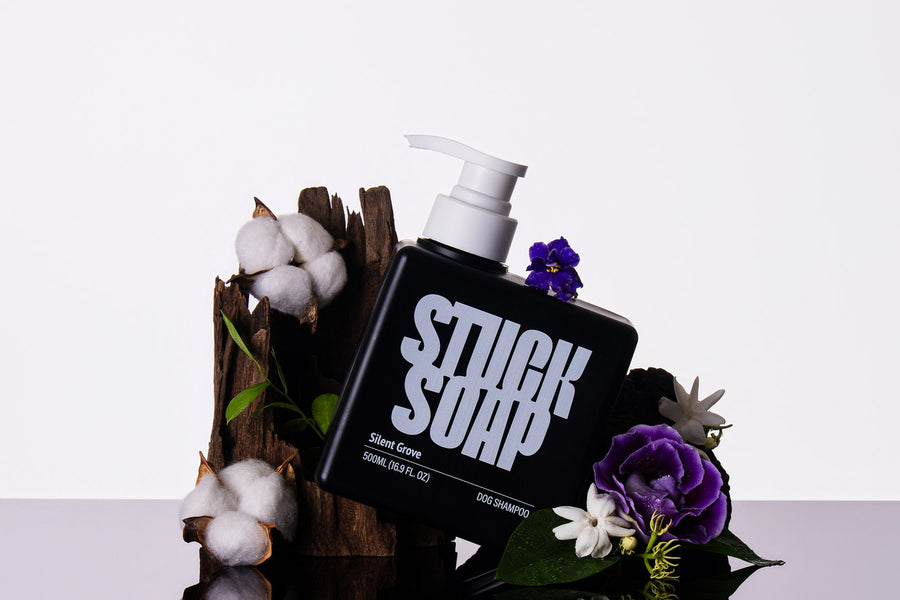
This is exactly where STUCK SOAP fits into the conversation. We do not formulate with rice bran, so we will not overclaim it, but our shampoos are built on the same barrier-first, K-beauty logic using ingredients we do use and stand behind: antioxidant-rich Jeju green tea, coat-glossing camellia oil, and skin-calming Centella Asiatica. Every formula is vegan, pH-balanced for dogs, and made with Jeju Island botanicals, so you get the K-beauty approach without the guesswork of adapting human products.
Layer antioxidants thoughtfully. Just as a K-beauty routine layers complementary actives, a dog's skin health benefits from a mix of antioxidants and barrier lipids over time. Rice bran's vitamin E has good company in ingredients like vitamin E and green tea polyphenols, all working toward the same calm, resilient, shiny result.
Frequently Asked Questions
Is rice bran good for dogs?
Rice bran and rice bran oil can be beneficial for dogs because they supply antioxidants like vitamin E and gamma-oryzanol plus essential fatty acids that support skin and coat health. Most evidence comes from human skincare and nutrition studies rather than large canine trials, so it is best viewed as a promising, well-tolerated supplement used in moderation and with veterinary guidance.
How much rice bran oil can I give my dog?
General guidance for dietary rice bran oil is about 1 teaspoon per day for small dogs, 1.5 teaspoons for medium dogs, and up to 2 teaspoons for large dogs, introduced gradually. Too much can cause gas, stomach upset, or loose stools. Because it is calorie-dense, count it as part of your dog's daily food, and check with your vet first.
Can I use human rice bran skincare on my dog?
No. Human rice bran cleansers, toners, and exfoliants are formulated for human skin, which is more acidic (around pH 5.5) than dog skin (closer to pH 7). Using them can disrupt your dog's skin barrier and cause irritation. Choose products formulated and pH-balanced specifically for dogs instead.
What does gamma-oryzanol do for skin?
Gamma-oryzanol is a rice-specific antioxidant that helps neutralize free radicals, protect against UV-related damage, and support the skin's moisture barrier. It is oil-soluble and absorbs well, which is why it appears in both K-beauty products and premium pet coat oils.
Will rice bran make my dog's coat shinier?
It may help over time. The essential fatty acids and antioxidants in rice bran support a healthy skin barrier and reduce moisture loss, which is what produces a soft, glossy coat. Expect gradual results over four to six weeks, and pair it with a gentle, pH-balanced grooming routine for the best effect.
The Bottom Line
Rice bran is a beautiful example of how ancient wisdom and modern science can meet. The same antioxidant powerhouse, gamma-oryzanol, ferulic acid, and vitamin E, that made rice bran a Joseon-era beauty secret is now showing real promise for supporting your dog's skin barrier and coat shine. Used sensibly, at the right dose and in dog-appropriate forms, it is a gentle, plant-based way to bring a little K-beauty thinking to your pup's routine.
Just remember the guardrails: start slow, keep the dose small, never swap in human products, and loop in your vet if your dog has any existing skin issues. Whether or not rice bran becomes part of your routine, the bigger lesson is the K-beauty one, care for the barrier first, and the shine follows.
Sources & References
- Oryza Sativa (Rice) Bran Extract: The Ancient Secret to Brighter, Smoother Skin — Dermalogica
- Fermented Rice Bran Extract Delays Skin Aging by Increasing Collagen and Elastin Synthesis — Frontiers in Pharmacology (NCBI)
- Antioxidant Activities and Skin Hydration Effects of Rice Bran Bioactive Compounds — PubMed
- Rice Bran Oil Ingredient Information for Dogs — Springtime Supplements
- Clinical Use of a Ceramide-Based Moisturizer for Treating Dogs With Atopic Dermatitis — PMC
- Brick in the Wall: How the Skin's Barrier Function Protects Veterinary Patients — dvm360
Give Your Dog the K-Beauty Spa Treatment
Rice bran proves that gentle, antioxidant-rich botanicals are the future of coat care, and that is exactly how STUCK SOAP is formulated. Our vegan, pH-balanced shampoos use Jeju Island green tea, camellia oil, and Centella Asiatica to support your dog's skin barrier and bring out a natural, healthy shine.
Shop Stuck Soap →Vegan · pH-Balanced · Jeju Island Botanicals · Zero Waste