


If your dog scratches after every walk, develops dry flaky patches in dry weather, or gets a little red and irritated after a bath, you already know how frustrating sensitive skin can be. You want something gentle that actually calms things down, not another harsh wash that strips the coat.
That's exactly where allantoin for dogs enters the conversation. Allantoin is one of K-Beauty's quiet workhorses, the soothing ingredient tucked into countless Korean calming creams and barrier serums. It rarely gets the spotlight that snail mucin or centella does, yet it shows up almost everywhere gentle, sensitive-skin formulas are made.
In this guide we'll explain what allantoin is, how it works on skin, what the K-Beauty world loves about it, and what it could mean for your dog's coat and comfort. As always with ingredients not yet central to canine research, we'll focus on exploring the science and possibilities rather than making medical promises.
Table of Contents
What Is Allantoin?
Allantoin is a gentle, dermatologist-trusted compound prized for softening and comforting the skin. In skincare it's classified as a skin protectant, and it's one of the best-tolerated ingredients on the market, which is exactly why it appears in products built for reactive, easily irritated skin.
It has deep botanical roots. Allantoin is naturally found in the comfrey plant, whose leaves have been used for centuries to help heal minor injuries and reduce swelling. You'll also find it in chamomile and beets, plants long used across many cultures to soothe and calm the skin.
Today most allantoin in cosmetics is produced in a stable, purified form, so every batch behaves consistently. That reliability matters: when you're formulating for sensitive skin, you want an ingredient that calms without surprises. Allantoin delivers exactly that, which is part of why it has quietly become a staple in K-Beauty's soothing toolkit.
How Allantoin Works on Skin
Allantoin earns its reputation through a handful of complementary actions. The first is calming. It works almost like a cool compress, helping reduce the look of redness and the feeling of itchiness. It can ease sensations of discomfort like burning, stinging, or tightness, the kind that often follow sun exposure, shaving, or exfoliation in humans.
The second action is skin renewal. Allantoin is a keratolytic, meaning it gently softens the proteins that hold dead surface cells together. By encouraging those cells to shed, it promotes a smoother surface and supports healthy cell turnover. It helps the skin renew keratinocytes (the main skin cells), which can speed recovery after micro-injuries or mild irritation.
The third action is hydration and barrier support. Allantoin behaves as a humectant, drawing in moisture and helping slow trans-epidermal water loss, the process by which skin quietly leaks hydration into the air. Less water loss means softer, more comfortable skin and a stronger, better-functioning barrier.
Put those three together, calming, renewing, and hydrating, and you have an ingredient that doesn't just mask irritation. It supports the conditions skin needs to repair itself. That combination is the whole reason allantoin shows up in so many "after" products: after sun, after shaving, after a reaction.
Why K-Beauty Loves Allantoin
K-Beauty is built on a barrier-first philosophy. Instead of attacking skin with strong actives and hoping it bounces back, Korean formulators layer gentle, supportive ingredients that keep the skin barrier calm and resilient. Allantoin fits this worldview perfectly.
Walk through the ingredient list of a typical Korean soothing cream, cica balm, or sensitive-skin essence and allantoin is often right there, supporting barrier comfort, reducing the look of irritation, and boosting how well the formula hydrates. It's frequently paired with other K-Beauty soothing heroes like centella asiatica and panthenol, creating multi-layered comfort rather than relying on a single big-name active.
There's also a safety story that K-Beauty consumers care about. Allantoin is non-toxic and considered suitable for all skin types, including the most sensitive. In a category obsessed with gentle, no-sting formulas, that universal tolerability is a major selling point. It's the kind of ingredient you can include generously without worrying it will tip a delicate formula into irritation.
This is the exact bridge that makes K-Beauty so interesting for pet care. The ingredients that calm and protect easily irritated human skin tend to follow the same logic that gentle dog skin needs, too.
Allantoin for Dogs: What We Know
Here's the encouraging part: allantoin isn't a stranger to pet care. It already appears in a range of dog shampoos and topical balms, where it's valued for its soothing, skin-protectant properties. It's commonly combined with ingredients like colloidal oatmeal in washes designed to support dry, itchy, or sensitive canine skin.
Allantoin even shows up in over-the-counter canine skin-care lotions registered as skin protectants, typically at low concentrations such as 0.5%. From a safety standpoint, allantoin is generally considered non-toxic to dogs at these topical levels. If a dog happened to lick a small amount of a low-percentage allantoin balm, it's usually not a cause for alarm, though you should always monitor your pet and contact your veterinarian if you notice any adverse reaction.
What allantoin appears to offer dogs mirrors what it offers people: a gentle anti-inflammatory, soothing effect that may help calm the look and feel of irritated skin, support hydration, and encourage healthy surface renewal. Because canine skin has its own pH and structure, the right move is to think of allantoin as a supportive, comforting ingredient within a well-formulated product, not a cure for underlying skin conditions.
If your dog has persistent itching, hot spots, hair loss, or recurring infections, those are veterinary issues first. A soothing ingredient like allantoin is best viewed as part of a gentle grooming routine that supports comfortable skin between vet visits, not a replacement for diagnosis and treatment.
The K-Beauty Approach to Soothing Dog Skin
The real lesson from allantoin isn't about one ingredient. It's about a philosophy. K-Beauty treats sensitive skin by being gentle, layering soothing ingredients, respecting the barrier, and avoiding anything that strips or stresses. That same framework is increasingly shaping premium dog grooming, and it's the idea behind STUCK SOAP.
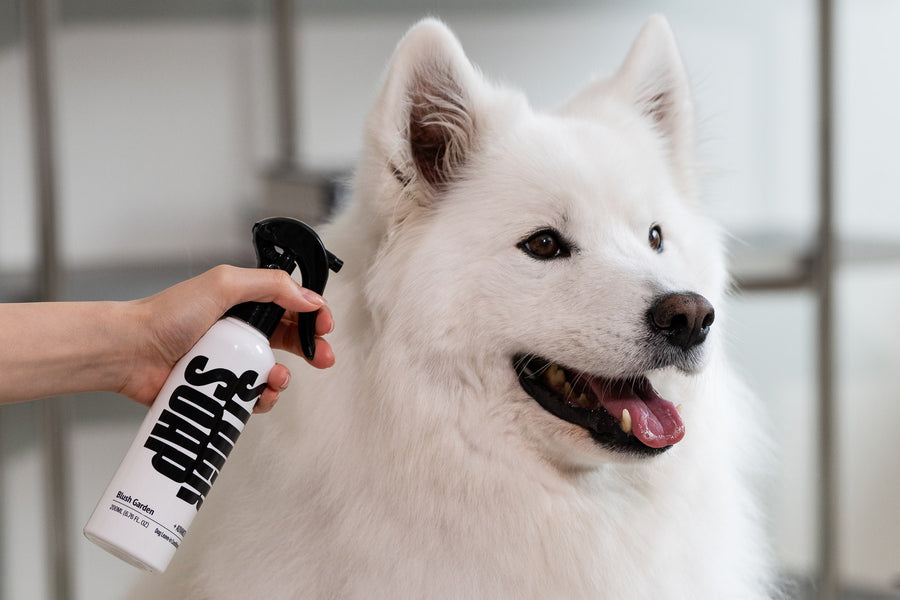
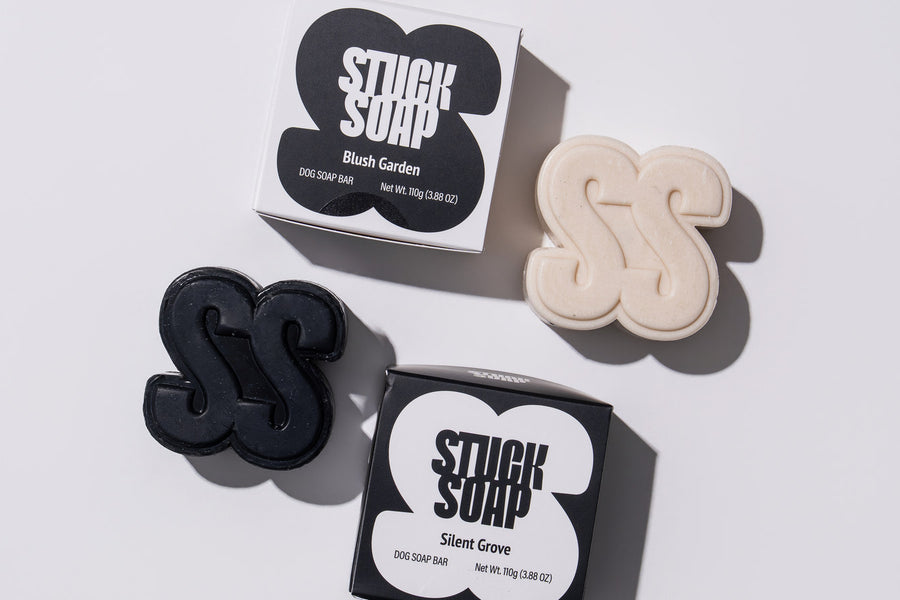
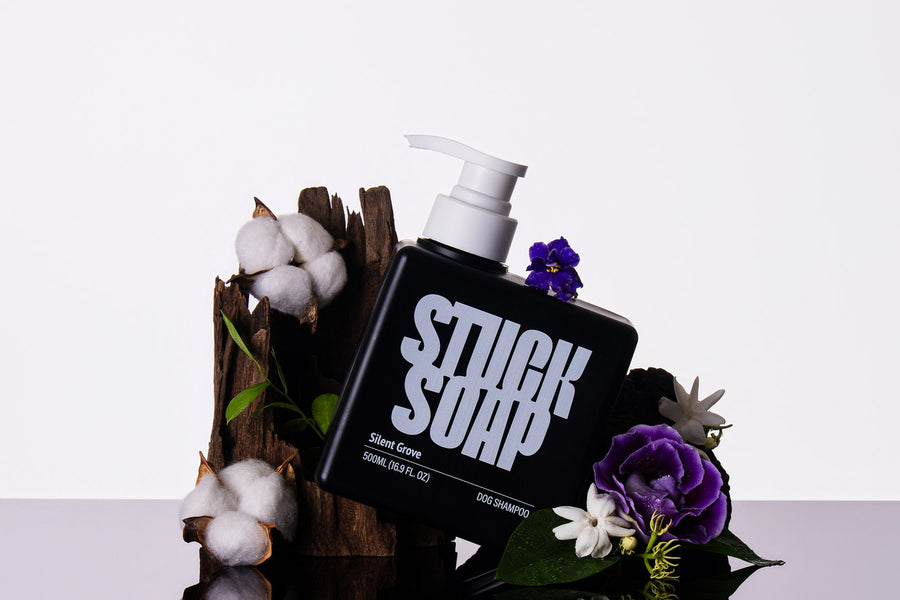
STUCK SOAP brings the K-Beauty skincare mindset to dogs with vegan, pH-balanced formulas built around gentle botanicals sourced from Jeju Island, Korea. While our products don't use allantoin specifically, they're built on the very same soothing logic, led by centella asiatica, the cica ingredient that sits right alongside allantoin in K-Beauty's calming category, plus antioxidant-rich green tea and nourishing camellia oil.
The point is that a dog with sensitive skin benefits most from the whole approach: a pH-balanced wash that cleans without stripping, soothing plant ingredients that calm rather than irritate, and a barrier-respecting formula that leaves skin comfortable, not tight. Allantoin is one beautiful example of that philosophy. Centella, which STUCK SOAP uses directly, is another.
Practical Tips for Sensitive-Skinned Dogs
Whether or not a specific product contains allantoin, you can apply the K-Beauty mindset to your dog's routine today. Here are practical takeaways:
Read for soothing ingredients. When choosing a shampoo for sensitive skin, look for calming actives like allantoin, centella asiatica, colloidal oatmeal, or panthenol, and avoid harsh sulfates and artificial fragrances that can trigger irritation.
Prioritize pH balance. Dog skin sits at a different pH than human skin, so a wash formulated for dogs and labeled pH-balanced helps protect the barrier rather than disrupt it.
Don't over-bathe. Even gentle washing too often can dry the skin. For most dogs, every three to four weeks is plenty, though your vet may suggest a different cadence for specific skin needs.
Rinse thoroughly. Leftover product residue is a common, overlooked cause of post-bath itching. Rinse until the water runs completely clear.
Support the barrier between baths. A balanced diet with healthy fats, fresh water, and regular gentle brushing all help keep the skin barrier strong, which means less irritation to soothe in the first place.
Loop in your vet for anything persistent. Soothing ingredients are wonderful for comfort, but ongoing itching or skin changes deserve a professional eye.
Frequently Asked Questions
Is allantoin safe for dogs?
Allantoin is generally considered safe and non-toxic for dogs when used topically in pet products at low concentrations, and it appears in many dog shampoos and skin balms. As with any product, monitor your dog and consult your veterinarian if you notice any adverse reaction.
What does allantoin do for a dog's skin?
Allantoin is a soothing skin protectant. It may help calm the look and feel of redness and irritation, support hydration by reducing moisture loss, and encourage healthy surface skin renewal, which is why it's popular in shampoos for dry or sensitive skin.
Is allantoin a K-Beauty ingredient?
Yes. Allantoin is a staple soothing ingredient in Korean skincare, frequently used in calming creams, cica balms, and sensitive-skin formulas. It's often paired with other K-Beauty soothing heroes like centella asiatica and panthenol.
Can allantoin treat my dog's allergies or hot spots?
No. Allantoin is a comforting, supportive ingredient, not a treatment for medical skin conditions. Persistent itching, hot spots, hair loss, or infections should be evaluated by a veterinarian.
Does STUCK SOAP contain allantoin?
STUCK SOAP doesn't use allantoin specifically, but it's built on the same gentle K-Beauty soothing philosophy, led by centella asiatica, green tea, and camellia oil sourced from Jeju Island, in pH-balanced, vegan formulas.
A Gentle Hero Worth Knowing
Allantoin may not have the buzz of snail mucin, but it's exactly the kind of quietly reliable ingredient that defines the K-Beauty approach: gentle, soothing, barrier-friendly, and remarkably well tolerated. For dogs with sensitive skin, that philosophy of calming rather than stripping is what makes all the difference.
The bigger takeaway is that the ingredients keeping irritated human skin calm tend to follow the same logic gentle dog skin needs. Whether it's allantoin in a soothing balm or centella asiatica in a pH-balanced wash, the gentle K-Beauty mindset is reshaping how thoughtful pet parents care for their dogs.
Sources & References
- Allantoin: What It Is, Skin Benefits and Uses — Cleveland Clinic
- Allantoin for Skin: Benefits, Uses, and Expert Tips — Healthline
- Allantoin Skincare Guide: Soothing, Softening & Barrier Support — Dr.Jart+
- Dr. Dog Skin Care for Dogs (Allantoin Lotion) — DailyMed, U.S. National Library of Medicine
- Best Shampoos for Dogs With Allergies and Sensitive Skin — Rover
Give Your Dog the K-Beauty Spa Treatment
Sensitive skin loves a gentle touch. STUCK SOAP brings K-Beauty's soothing, barrier-first philosophy to your dog with pH-balanced, vegan formulas led by centella asiatica, green tea, and camellia oil from Jeju Island. Clean without stripping, comfort without compromise.
Shop Stuck Soap →Vegan · pH-Balanced · Jeju Island Botanicals · Zero Waste