


If you have spent any time exploring K-Beauty, you have met aloe vera. It sits in cooling sleeping masks, soothing toners, post-sun gels, and barrier creams across nearly every Korean skincare brand. For decades, aloe vera has been Korea's go-to ingredient whenever skin is angry, dry, sun-scorched, or simply asking for a deep drink of water.
So a natural question follows: if aloe vera is this gentle and effective for sensitive human skin, does it have a place in aloe vera for dogs skin care? The short answer is yes, with important rules. The longer answer pulls together veterinary research, K-Beauty formulation philosophy, and practical guidance you can use the next time your dog has an itchy patch.
This guide explores how aloe vera works, what it can and cannot do for dogs, and how the K-Beauty approach (gentle ingredients, skin barrier first) reframes the way we think about soothing pet skin.
Table of Contents
Why Aloe Vera Is a K-Beauty Staple
In Korean skincare, aloe vera is rarely treated as a single-purpose ingredient. It is the workhorse that shows up everywhere because it does three things at once: hydrate, soothe, and support the skin barrier.
The plant's inner gel is packed with polysaccharides, which are large sugar molecules that hold water like a sponge. According to K-Beauty ingredient research, aloe gel contains nearly 20 vitamins (including A, B-complex, C, and E), 8 different amino acids, plus antioxidant compounds and natural enzymes. That is why a single aloe-based product can feel hydrating, cooling, and calming all at once.
Korean formulators have taken the raw gel a step further. Rather than slathering on plain aloe, K-Beauty labs combine it with hyaluronic acid, centella asiatica, and panthenol to build lightweight, multi-functional formulas. The philosophy is consistent: layer gentle, skin-identical ingredients to support the barrier instead of forcing change through harsh actives.
That layered, gentle, barrier-first philosophy is precisely why aloe vera translates so well to dog skin care.
Aloe Vera for Dogs: Researched Benefits
Veterinary literature and groomer-facing references agree on several topical benefits of aloe vera gel for dogs, when it is used correctly. Here is what the evidence supports.
1. Soothes hot spots and itchy patches
Hot spots (acute moist dermatitis) are inflamed, oozing patches that flare up fast and itch intensely. The American Kennel Club notes that addressing the underlying cause is key, but topical soothing products can help calm the local irritation while a vet investigates. Aloe vera gel is frequently included in recommended ingredient lists for itch relief, alongside colloidal oatmeal and ceramides.
2. Moisturizes dry, flaky skin
The polysaccharides in aloe attract and hold water at the surface of the skin. For dogs with dry patches from cold weather, central heating, or over-bathing with harsh shampoos, a properly formulated aloe vera product can deliver hydration without an oily residue.
3. Helps minor cuts, scrapes, and burns
Aloe contains compounds (including auxin and gibberellin) that are linked to wound-soothing effects in research. For minor surface irritations, a thin layer of pet-safe aloe gel may help reduce redness and discomfort. Anything deep, bleeding, or infected belongs at the vet, not under a layer of aloe.
4. Calms inflammation
The anti-inflammatory properties of aloe vera are well documented in human skincare and supported by veterinary use cases. For dogs prone to seasonal flare-ups or sensitive skin, the cooling sensation of aloe can offer real relief.
5. Delivers vitamins and antioxidants topically
Aloe is rich in vitamins A, C, and E, all of which play a role in skin health and barrier function. While topical absorption is limited compared to oral intake, the combined effect of hydration plus antioxidants is a meaningful one for skin that is reactive or recovering.
The Safety Rules Every Dog Owner Should Know
Aloe vera is not automatically safe for dogs. The most important thing to understand is the difference between the inner gel and the outer leaf.
The inner gel (the clear, jelly-like center of the leaf) is generally safe for topical use on dogs and is the part used in pet-formulated products.
The yellow latex sap just under the skin of the leaf contains aloin and anthraquinones, which are toxic to dogs if ingested. Aloin can cause vomiting, diarrhea, lethargy, and in larger amounts, more serious digestive distress. The ASPCA classifies whole aloe plants as toxic to dogs for this reason.
This is why veterinarians and pet experts strongly recommend the following rules:
- Only use aloe products formulated for pets. Human aloe gels often contain alcohol, fragrance, or preservatives that are not safe for licking, and many use the whole leaf rather than purified inner gel.
- Apply topically only. Never give aloe vera to your dog orally without veterinary direction.
- Prevent licking after application. Even pet-safe gel is meant for skin, not for ingestion. Use a cone, distraction, or apply in small, hard-to-reach areas if needed.
- Keep aloe houseplants out of reach. A chewing puppy and an aloe plant on the windowsill is a phone-call-to-the-vet waiting to happen.
- Patch test first. Apply a small amount to a small area and watch for 24 hours before broader use, especially on dogs with known sensitivities.
- Check with your vet for severe issues. Open wounds, infected hot spots, persistent itching, or unknown skin conditions need a professional diagnosis, not a DIY aloe routine.
The K-Beauty Lens: Soothing Without Stripping
Here is where the K-Beauty mindset becomes genuinely useful for dog owners. Traditional pet care has often leaned on medicated, harsh, or fragrance-heavy shampoos to attack a problem. K-Beauty flips that approach. It says: most skin issues are barrier issues, and the way to fix a barrier is to protect and feed it, not to scour it.
Applied to dogs, that translates to a few simple principles. Use gentle, pH-balanced cleansers so you do not strip the protective lipid layer. Layer in soothing ingredients (aloe, centella asiatica, panthenol) rather than blasting the skin with antimicrobials by default. Pay attention to skin barrier signs (flakiness, redness, dullness) the way K-Beauty obsesses over barrier health in humans.
Aloe vera fits this philosophy perfectly. It is gentle, multi-functional, and supportive rather than aggressive. It does not chase a single symptom; it creates better conditions for the skin to recover on its own.
How to Use Aloe Vera on Your Dog Safely
If you want to incorporate aloe vera into your dog's skin care, here are the practical formats that make sense.
Pet-formulated aloe gel sprays
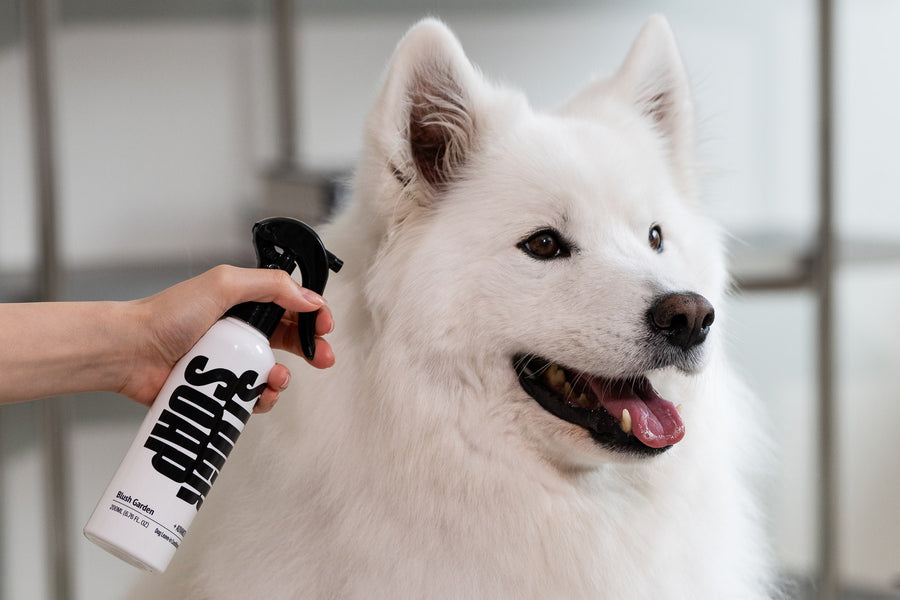
For spot treatment of dry patches, mild irritation, or post-bath calming, look for a pet-specific aloe spray. Apply lightly to the affected area, avoid the eyes and mouth, and let it absorb. These are designed to be safer if a small amount is licked, though prevention is still ideal.
Aloe-containing dog shampoos
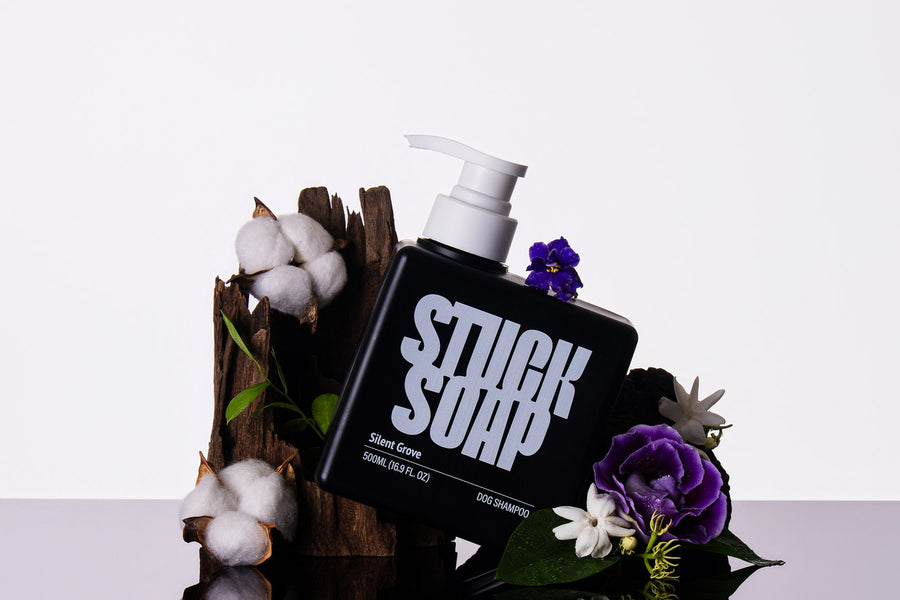
This is the lowest-effort entry point. A high-quality dog shampoo that includes aloe vera among its soothing ingredients delivers the benefit during a routine bath without requiring extra steps. Pair it with cool (not hot) water and a gentle massage.
Conditioning rinses with aloe
For dogs with dry or flaky coats, a leave-in or rinse-out conditioner with aloe can help lock in moisture after bathing.
Vet-directed protocols
For diagnosed skin conditions, your veterinarian may recommend a specific medicated regimen that includes aloe alongside other ingredients. Follow their guidance over general advice.
What to avoid
Skip aloe products that contain alcohol high on the ingredient list, artificial fragrance, parabens, or sulfates if your dog has sensitive skin. Avoid pure human aloe gels (especially the green-tinted ones with added ingredients), and never use whole-leaf aloe juice topically without checking the latex content.
Where Stuck Soap Fits Into a Soothing Routine
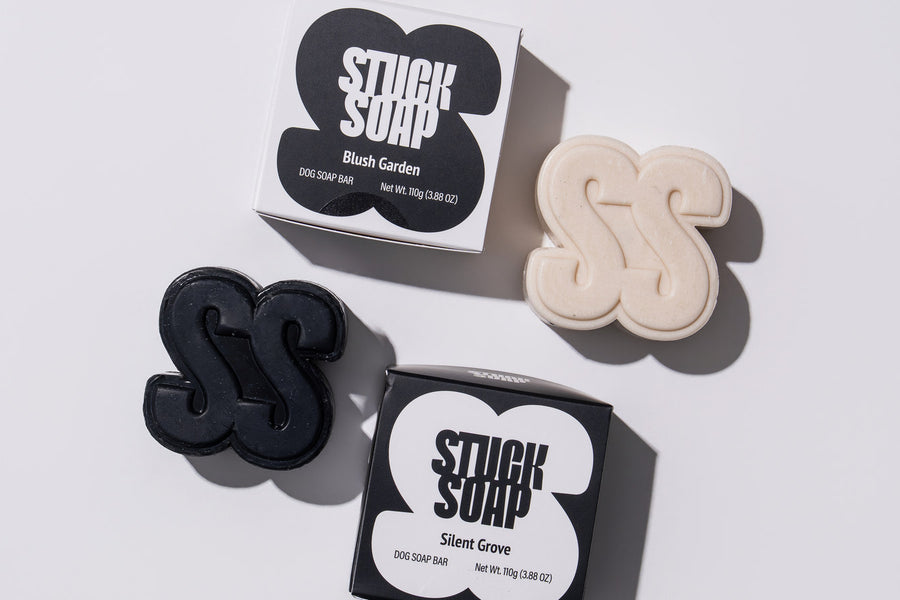
Aloe vera is not currently a hero ingredient in Stuck Soap's formulations. Our K-Beauty stack centers on Jeju green tea, camellia oil, and centella asiatica, which together cover antioxidant protection, coat nourishment, and skin-soothing duties.
That said, the principles overlap completely with the aloe-friendly approach above. Stuck Soap is pH-balanced and plant-based, designed to clean without stripping the skin barrier, which is the exact condition aloe vera depends on to do its best work. If you bath your dog with a stripping shampoo and then chase it with aloe, you are working against yourself. If your bathing routine already respects the barrier, your soothing layer becomes far more effective.
A K-Beauty-aligned routine looks something like this. Cleanse with a gentle, pH-balanced shampoo such as Stuck Soap. Rinse fully so no residue lingers. Towel dry, then use a pet-formulated aloe spray on any patches that need extra calm. Finish with brushing once the coat is fully dry. The cleanse and the soothe are partners, not competitors.
Practical Takeaways
Aloe vera earns its K-Beauty fame because it is genuinely gentle, genuinely soothing, and genuinely versatile. For dogs, it can be a useful tool for hot spots, dry patches, and minor irritations, but only with the right format and the right precautions. Use pet-formulated products, keep aloe plants out of reach, and lean on your vet for anything beyond minor day-to-day flare-ups. Pair the soothing layer with a gentle, barrier-respecting shampoo, and you are following the same playbook that built K-Beauty's global reputation.
Frequently Asked Questions
Is aloe vera safe for dogs?
The inner gel of aloe vera is generally considered safe for topical use on dogs when applied in small amounts and not ingested. The yellow latex sap of the aloe leaf contains aloin and other compounds that are toxic to dogs if eaten. Always use pet-formulated aloe products and prevent your dog from licking treated areas.
Can I use human aloe vera gel on my dog?
It is not recommended. Most human aloe products contain added alcohol, fragrance, preservatives, or use whole-leaf extract, which can irritate dog skin or be unsafe if licked. Choose products made specifically for pets, and check with your vet first.
Does aloe vera help with hot spots on dogs?
Aloe vera is one of several soothing ingredients commonly used in dog shampoos and topical sprays for hot spots, alongside colloidal oatmeal and ceramides. It can help calm irritation, but hot spots usually have an underlying cause (allergies, parasites, moisture trapped in the coat), so always consult your veterinarian for diagnosis and a full treatment plan.
How often can I apply aloe vera to my dog's skin?
For mild dryness or minor irritation, once or twice daily on the affected area is typically appropriate when using a pet-formulated product. For shampoos containing aloe, the regular bathing schedule for your dog (often every 2 to 4 weeks for healthy dogs) is sufficient. Stop use if you notice any redness, increased itching, or other reactions.
Does Stuck Soap contain aloe vera?
Stuck Soap's current K-Beauty formulations highlight Jeju Island green tea, camellia oil, and centella asiatica as the core soothing and nourishing ingredients. While aloe is not a featured ingredient in our shampoos, our gentle, pH-balanced formula is fully compatible with adding a pet-safe aloe spray or treatment to your routine when needed.
Sources & References
- Hot Spots on Dogs: Signs, Treatment, and Prevention — American Kennel Club
- Aloe Vera for Dogs: Benefits and Products to Try — Great Pet Care
- Is Aloe Vera Safe For Dogs? — Wag!
- Aloe — Toxic and Non-Toxic Plants List, ASPCA
- Aloe Vera In K-Beauty Products — Style Story
- Aloe Vera in K-Beauty Products — JUUI Cosmetics Ingredient Glossary
Give Your Dog the K-Beauty Spa Treatment
Soothing only works when the cleanse comes first. Stuck Soap is pH-balanced, plant-based, and crafted with K-Beauty botanicals (Jeju green tea, camellia oil, centella asiatica) to clean without stripping, so any aloe layer you add on top can actually do its job.
Shop Stuck Soap →Vegan · pH-Balanced · Jeju Island Botanicals · Zero Waste