


You have probably seen astaxanthin show up everywhere lately, from Korean marine serums to wellness capsules promising brighter, firmer skin. This deep-red antioxidant is one of the most talked-about ingredients in K-beauty right now. But here is the question more dog owners are starting to ask: is astaxanthin for dogs the next big thing in pet skin and coat care?
If your dog struggles with a dull coat, flaky skin, or the everyday wear of sun, age, and environmental stress, the science behind this microalgae-derived antioxidant is worth understanding. Astaxanthin is famous for being hundreds of times more powerful than vitamin E and thousands of times stronger than vitamin C at neutralizing the free radicals that age skin and dull a coat.
In this guide, we will break down what astaxanthin actually is, why it became a K-beauty obsession, and what current research suggests about its potential for your dog. We will also show you how the same gentle, antioxidant-first philosophy that makes astaxanthin so beloved already shapes smarter dog grooming.
Table of Contents
- What Is Astaxanthin? The Super Antioxidant Explained
- Why Astaxanthin Became a K-Beauty Sensation
- Astaxanthin for Dogs: What It May Do for Skin and Coat
- What the Research Says About Astaxanthin in Dogs
- How to Use Astaxanthin Safely for Your Dog
- The K-Beauty Antioxidant Approach to Dog Grooming
- Frequently Asked Questions
- Sources & References
What Is Astaxanthin? The Super Antioxidant Explained
Astaxanthin is a carotenoid, a natural pigment in the same broad family as the compounds that make carrots orange and tomatoes red. It carries a striking red-orange color, and it is produced by a freshwater microalgae called Haematococcus pluvialis.
What makes this algae fascinating is why it makes astaxanthin. When the algae faces harsh conditions, intense sunlight, drought, or a sudden drop in nutrients, it floods its cells with astaxanthin as a survival shield against oxidative damage. That same pigment then travels up the food chain. It is what turns wild salmon, shrimp, krill, and even flamingos pink, and it is part of what helps salmon power through their grueling upstream migrations.
As an antioxidant, astaxanthin is in a league of its own. Research suggests it can be roughly 550 times more powerful than vitamin E and up to 6,000 times stronger than vitamin C at quenching certain free radicals. Naturally sourced astaxanthin from H. pluvialis has also been measured at around 90 times the antioxidant activity of the synthetic version. Its real superpower, though, is its shape: the molecule is long enough to span an entire cell membrane, so it can protect both the inner and outer layers of a cell at once, something most antioxidants cannot do.
Why Astaxanthin Became a K-Beauty Sensation
K-beauty has always been ingredient-first and obsessed with protecting the skin barrier rather than stripping it. Antioxidants are central to that philosophy, which is exactly why Korean brands embraced astaxanthin so enthusiastically. Today you will find it featured in marine capsule serums, brightening creams, and "glass skin" routines from Korean labels that treat it as a premium, science-backed hero.
In human skin studies, astaxanthin works by neutralizing reactive oxygen species inside skin-cell membranes and by helping to limit the enzymes (matrix metalloproteinases) that break down collagen and elastin after UV exposure. The result, researchers report, is better support for elasticity, hydration, and an even, radiant tone.
The clinical evidence is encouraging. A systematic review and meta-analysis on astaxanthin and skin aging found measurable benefits for skin condition, and a 2026 randomized, placebo-controlled study in Japanese adults found that astaxanthin from H. pluvialis raised the skin's threshold for UV-induced redness and reduced dryness in both skin and hair. In other words, it helps skin defend itself against the daily stressors that cause dullness and damage. Hold onto that idea, because it is exactly where the canine conversation begins.
Astaxanthin for Dogs: What It May Do for Skin and Coat
Here is the bridge K-beauty fans love: the free-radical damage that ages human skin affects your dog, too. Dogs are exposed to UV light, urban pollution, allergens, and the natural oxidative stress of aging. And because a dog's skin barrier is thinner and more delicate than ours, antioxidant support can matter even more for them.
So what might astaxanthin do for your dog? Based on how it behaves in the body and reports from pet nutrition sources, supplemental astaxanthin may help support several aspects of skin and coat health:
- Coat shine and condition: By reducing oxidative stress and supporting healthy circulation to hair follicles, astaxanthin is associated with a glossier, softer-looking coat. Some owners report visible changes within roughly four to eight weeks.
- Skin barrier support: Its antioxidant action may help the skin hold onto moisture and stay more resilient against environmental irritants, the same barrier-first logic at the heart of K-beauty.
- Calmer skin under stress: Because it helps neutralize free radicals tied to inflammation, astaxanthin may help reduce the kind of irritation triggered by environmental stressors.
Astaxanthin is also studied for whole-body wellness in dogs, with potential support for eye health, joint comfort, immune function, and cardiovascular health. That said, one honest point matters: in dogs, astaxanthin is used almost entirely as an oral supplement, not as a topical skincare ingredient. The skin and coat benefits come from the inside out, so it is a complement to good grooming, not a replacement for it.
What the Research Says About Astaxanthin in Dogs
Canine-specific research is still young, but it is growing. A study on astaxanthin uptake in domestic dogs and cats confirmed that pets actually absorb dietary astaxanthin into their bloodstream, which is the essential first step for any internal benefit to be possible.
A separate peer-reviewed study examined astaxanthin supplementation in healthy and obese dogs and looked at how it influenced markers of oxidative stress and immune activity, adding to the evidence that the antioxidant is biologically active in dogs and well tolerated. Much of the rest of what we know is extrapolated from robust human and animal research, where astaxanthin's antioxidant and skin-supporting mechanisms are well documented.
The takeaway is measured optimism. Astaxanthin is a genuinely powerful antioxidant with a strong safety record and promising whole-body data in dogs, but large, dog-specific skin and coat trials are still limited. Treat it as a supportive supplement worth discussing with your veterinarian, not a guaranteed cure for any skin condition.
How to Use Astaxanthin Safely for Your Dog
If you are considering an astaxanthin supplement, a few practical guidelines will help you use it responsibly.
- Talk to your vet first. This is especially important if your dog is on medication, pregnant, or managing a health condition. Your vet can confirm it is appropriate and help with dosing.
- Start low and go slow. General ranges cited for dogs land around 0.05 to 0.1 mg per pound of body weight, often translating to roughly 1 to 4 mg per day depending on size. Begin at the low end and increase gradually over a few weeks.
- Choose natural over synthetic. Look for astaxanthin derived from Haematococcus pluvialis microalgae, which research suggests is far more potent than the synthetic form.
- Give it with food. Astaxanthin is fat-soluble, so pairing it with a meal that contains some fat improves absorption.
- Know the mild side effects. It has an excellent safety profile. A harmless orange tint to the stool can occur, and very high doses may have a mild blood-thinning effect, so use caution if your dog takes anticoagulants.
- Pair it with smart topical care. Since topical astaxanthin data in dogs is limited, support the coat from the outside with a gentle, antioxidant-rich, pH-balanced shampoo and consistent grooming.
The K-Beauty Antioxidant Approach to Dog Grooming
Whether or not you ever add astaxanthin to your dog's bowl, the bigger lesson is the philosophy behind it. K-beauty's core idea is simple and powerful: protect and strengthen the skin barrier with gentle, antioxidant-rich ingredients instead of stripping it with harsh ones. That principle applies just as well to your dog's bath as it does to a Korean serum.
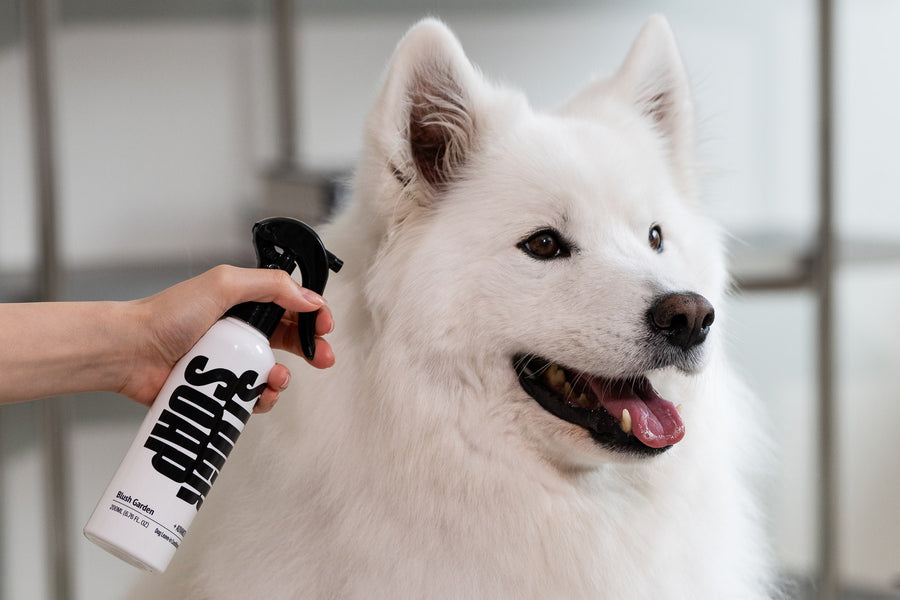
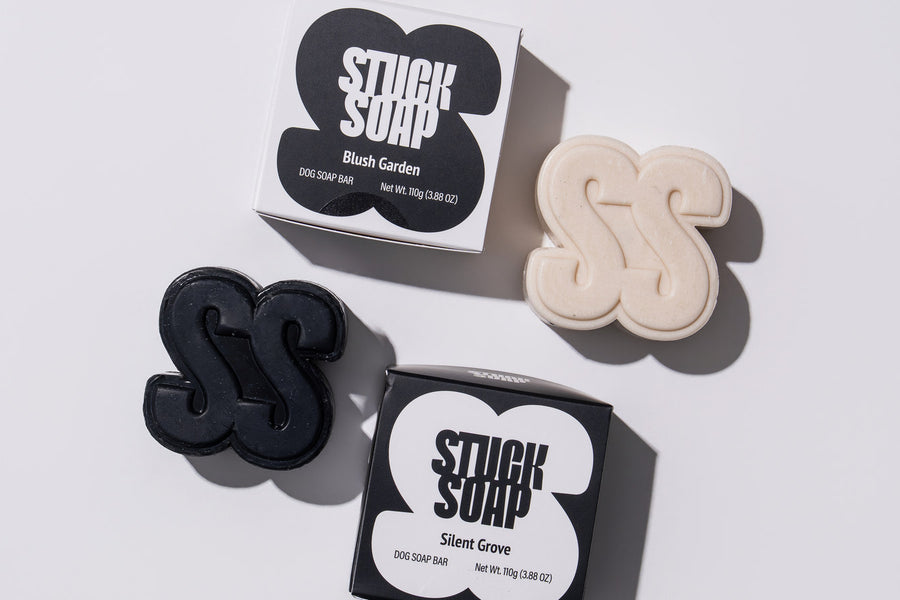
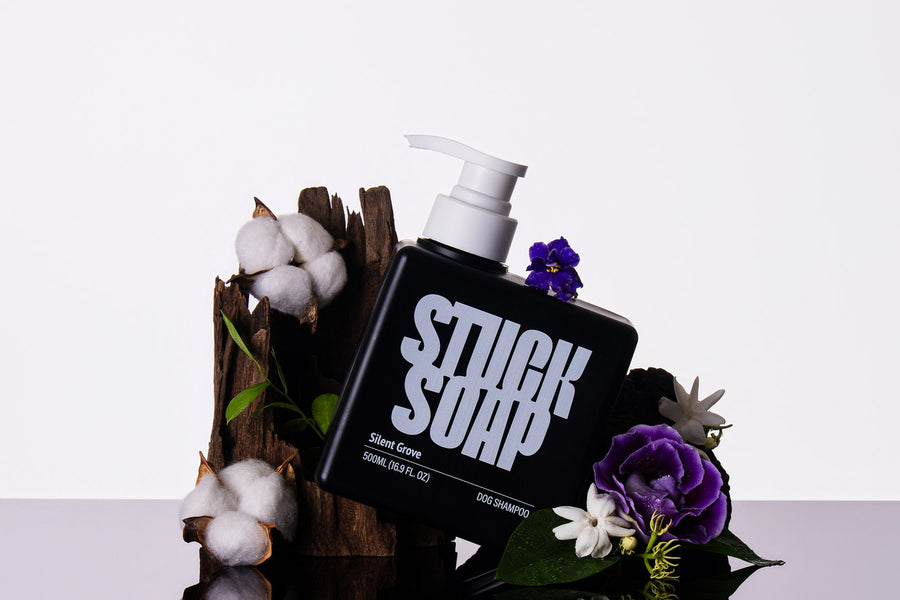
This is exactly the thinking behind Stuck Soap. While our formulas do not contain astaxanthin, they are built on the same antioxidant-first, barrier-protecting K-beauty logic, using botanicals sourced from Korea's Jeju Island. Green tea extract brings antioxidant protection, camellia oil delivers lightweight moisture and coat gloss, and centella asiatica helps soothe and support sensitive skin. Everything is vegan, pH-balanced, and free of the stripping ingredients that work against a healthy barrier.
Think of it as a two-part routine: nourish from the inside with vet-guided antioxidants like astaxanthin if it suits your dog, and care from the outside with a gentle, antioxidant-rich wash. Together, that is the K-beauty spa philosophy translated for your pup.
Frequently Asked Questions
Is astaxanthin safe for dogs?
Astaxanthin has an excellent safety profile in dogs when given at appropriate doses, with no known toxicity reported in studies at normal amounts. Mild effects like an orange tint to the stool can occur, and high doses may have a slight blood-thinning effect. Always confirm dosing with your veterinarian first.
Can I use astaxanthin shampoo on my dog?
In dogs, astaxanthin is used mainly as an oral supplement, and topical data is limited. To care for the coat from the outside, a gentle, pH-balanced shampoo with proven antioxidant botanicals such as green tea is a more established choice.
How long does astaxanthin take to work in dogs?
Some owners report visible improvements in coat condition within about four to eight weeks of consistent supplementation, though results vary by individual dog, diet, and overall health.
Does astaxanthin help with dog itching or allergies?
Astaxanthin may help reduce irritation linked to oxidative and environmental stress because of its antioxidant action, but it is not a treatment for allergies or skin disease. If your dog is itchy, see your veterinarian to identify the underlying cause.
Is natural astaxanthin better than synthetic for dogs?
Research suggests natural astaxanthin from Haematococcus pluvialis microalgae is significantly more potent than the synthetic version, so look for supplements that specify a natural, algae-derived source.
The Bottom Line
Astaxanthin earns its "super antioxidant" reputation, and the early evidence for dogs is genuinely promising, especially for coat shine and barrier support from the inside out. Used thoughtfully and with veterinary guidance, it is an exciting addition to the K-beauty-for-dogs toolkit.
Just remember that supplements work best alongside the basics: a quality diet, regular grooming, and a gentle, antioxidant-rich bath that respects your dog's skin barrier. That is where smart inside-out care meets thoughtful outside-in care.
Sources & References
- Effects of Astaxanthin Supplementation in Healthy and Obese Dogs — Veterinary Medicine: Research and Reports (Dove Medical Press)
- Astaxanthin Uptake in Domestic Dogs and Cats — National Library of Medicine (PMC)
- Purified Astaxanthin from Haematococcus pluvialis Promotes Tissue Regeneration by Reducing Oxidative Stress — National Library of Medicine (PMC)
- Systematic Review and Meta-Analysis on the Effects of Astaxanthin on Human Skin Ageing — National Library of Medicine (PMC)
- Anti-Ultraviolet Effects of Astaxanthin from Haematococcus pluvialis on Skin, Hair, and Nails — Journal of Functional Foods (ScienceDirect)
Give Your Dog the K-Beauty Spa Treatment
Astaxanthin nourishes from the inside, and Stuck Soap cares for your dog from the outside. Our vegan, pH-balanced formulas are built on the same antioxidant-first K-beauty philosophy, using Jeju Island green tea, camellia oil, and centella asiatica to protect your dog's skin barrier and leave their coat soft and radiant.
Shop Stuck Soap →Vegan · pH-Balanced · Jeju Island Botanicals · Zero Waste