


If you have spent any time on beauty social media in the last year, you have probably seen the headlines about "salmon sperm facials" and glowing, bouncy skin. The ingredient behind that viral moment is PDRN, and now a growing number of dog owners are asking the obvious follow-up question: is PDRN for dogs a real thing, or is it just another human skincare fad that has nothing to do with your pup?
It is a fair question. PDRN (polydeoxyribonucleotide) is one of the most clinically studied ingredients to come out of Korean derma-cosmetics, and search interest in it jumped more than 1,400% between 2024 and 2025. As K-beauty continues to reshape how we think about gentle, science-led pet care, it makes sense that curious dog parents want to know whether this "repair hero" could help their dog's skin, coat, or joints too.
The honest answer is more nuanced and more interesting than a simple yes or no. In this guide, we will explain what PDRN actually is, how it works, what the emerging veterinary research really shows, and (importantly) what you can and cannot do with it at home. We will also look at how the broader K-beauty philosophy behind PDRN can guide smarter, gentler grooming choices for your dog right now.
Table of Contents
- What Is PDRN? The Salmon-DNA Ingredient Explained
- How PDRN Works: The Science of Skin Repair
- PDRN for Dogs: What the Research Actually Shows
- Can You Use PDRN on Your Dog at Home?
- The K-Beauty Approach to Supporting Your Dog's Skin
- Practical Tips for At-Home Skin and Coat Care
- Frequently Asked Questions
- Sources & References
What Is PDRN? The Salmon-DNA Ingredient Explained
PDRN stands for polydeoxyribonucleotide. In plain language, it is a mixture of purified, stabilized DNA fragments. Those fragments are usually sourced from salmon or trout, most often from salmon sperm or trout roe, because that fish DNA is structurally similar enough to mammalian DNA that skin cells recognize and respond to it.
This is the ingredient behind the famous "salmon DNA" treatments you may have seen at clinics and on beauty feeds. In Korea, injectable polynucleotide treatments built huge brand equity in the aesthetics world, and over the past two years K-beauty labs have worked hard to translate that clinic-only molecule into everyday textures: serums, essences, ampoules, eye creams, and sheet masks.
The momentum is real. The global PDRN skincare market is projected to grow from roughly USD 321 million in 2025 to more than USD 811 million by 2035. If 2025 was widely called "the year of the barrier," 2026 is shaping up to be the year skincare doubled down on regeneration, and PDRN sits right at the center of that story.
How PDRN Works: The Science of Skin Repair
PDRN is interesting because it does not just sit on the surface and moisturize. It appears to send a biological signal. When PDRN reaches living tissue, it primarily acts on what are called adenosine A2A receptors, and that activation kicks off a cascade of repair-related activity.
According to pharmacology reviews, the main effects linked to PDRN include promoting angiogenesis (the formation of new blood vessels), stimulating collagen production, supporting cell growth and migration, and calming inflammation. In wound-healing models, PDRN has been associated with faster tissue repair and a strong safety profile, with one frequently cited clinical study showing a wound-healing rate of 37.3% versus 18.9% in a placebo group.
In other words, PDRN is less of a "topical moisturizer" and more of a "repair messenger." That distinction matters a lot when we start talking about dogs, because the way an ingredient is delivered, the dose, and the setting all change whether it is genuinely useful or simply marketing.
PDRN for Dogs: What the Research Actually Shows
Here is where it gets genuinely exciting for science-minded dog owners. Unlike many trending ingredients that have zero canine data, PDRN and polynucleotides are actually being studied in veterinary medicine, and the early results are encouraging.
A multicenter, randomized, blinded clinical study published in the American Journal of Veterinary Research in 2025 compared intra-articular (in-the-joint) polynucleotide injections against hyaluronic acid in small-breed dogs with osteoarthritis. The polynucleotide group showed more potent anti-inflammatory effects, with significantly lower levels of key inflammatory markers, and this corresponded with greater reductions in pain and improved function compared with hyaluronic acid alone.
A separate canine laboratory study looked at PDRN in a cell model of osteoarthritis, both on its own and combined with adipose-derived mesenchymal stem cells. PDRN significantly reduced pro-inflammatory cytokines and markers of collagen breakdown, supporting the idea that it has real biological activity in canine tissue, not just human skin.
The takeaway is important and specific: the promising canine evidence so far is about injectable, veterinarian-administered treatments for joint conditions, plus the broader wound-healing science. It is not evidence that PDRN belongs in your dog's shampoo bottle. This is a clinical tool, not a grooming-aisle ingredient, and that is the single most important thing to understand about PDRN for dogs today.
Can You Use PDRN on Your Dog at Home?
This is the question that matters most for everyday pet parents, so let us be direct. You should not go looking for human PDRN serums or injectables to use on your dog at home. The encouraging veterinary research involves controlled doses delivered by professionals, often directly into a joint, under medical supervision. Human cosmetic products are formulated, preserved, and dosed for human skin and human routines, not for dogs who lick, scratch, and groom themselves.
If your dog has a joint problem, a slow-healing wound, or a chronic skin condition, the right move is a conversation with your veterinarian, who can tell you whether any regenerative therapy is appropriate and safe for your specific dog. Chronic skin issues in particular often involve infection, allergies, or barrier damage that need a real diagnosis rather than a trending ingredient.
So what can you actually do at home? Quite a lot, as it turns out. While PDRN itself stays in the clinic, the idea behind it (supporting your dog's natural ability to repair and renew) is something you can absolutely encourage with smart, gentle daily care. That is exactly where the K-beauty philosophy shines.
The K-Beauty Approach to Supporting Your Dog's Skin
What makes PDRN so quintessentially K-beauty is the underlying mindset: work with the skin's biology, support repair, reduce inflammation, and respect the barrier rather than stripping it. You do not need an injectable to apply that same philosophy to your dog's grooming routine.
Your dog's skin barrier is the frontline defense that locks in moisture and keeps irritants out. Veterinary dermatology sources note that ingredients such as ceramides, fatty acids, colloidal oatmeal, and gentle botanicals help restore and protect that barrier over time. The barrier renews over weeks, not overnight, so consistency and gentleness beat harsh, aggressive cleansing every time.
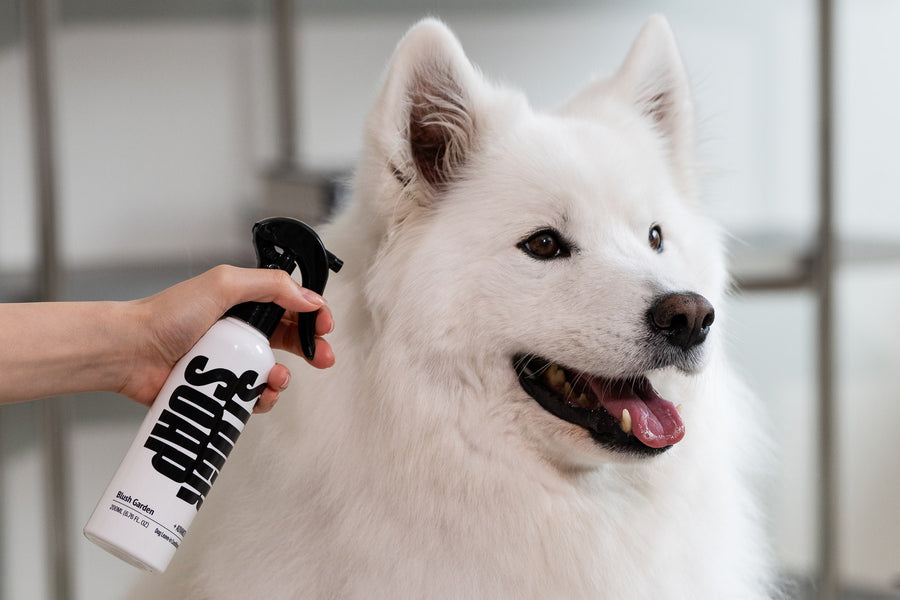
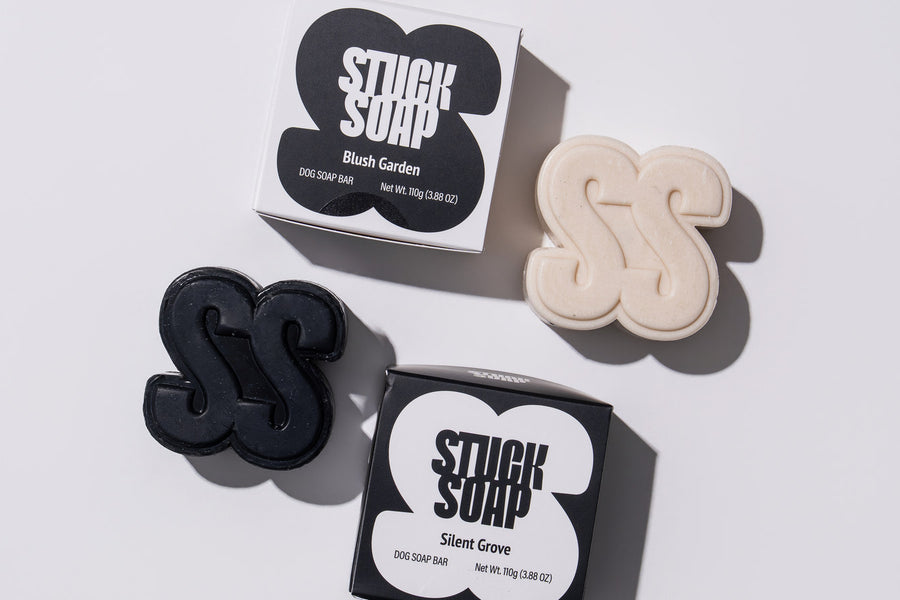
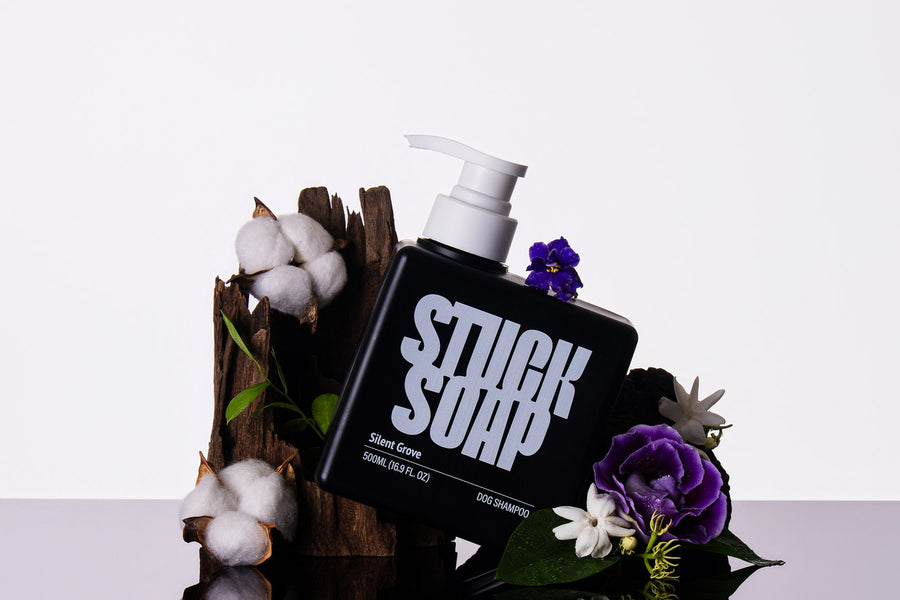
This is the bridge between K-beauty for humans and thoughtful dog care. Brands built on Korean skincare principles, including STUCK SOAP, focus on pH-balanced, plant-based formulas designed to clean without stripping. STUCK SOAP's bars and liquid shampoo lean on botanicals like green tea and centella asiatica (cica), plus camellia oil sourced from Jeju Island, ingredients chosen for their soothing, antioxidant, and coat-nourishing reputations. PDRN is not part of that formula, and we would never claim it is, but the same barrier-first, ingredient-led thinking that makes PDRN exciting is what guides a genuinely gentle wash.
In short: you cannot bottle a clinic-grade repair injection into a shampoo, but you can choose products that protect the skin's own repair systems instead of working against them.
Practical Tips for At-Home Skin and Coat Care
If the PDRN trend has you thinking about your dog's skin health, channel that curiosity into habits that are proven, safe, and effective. Here are practical, vet-aligned steps you can take today:
1. Do not over-bathe. Frequent washing with harsh shampoo strips protective oils and weakens the barrier. For most dogs, bathing every three to four weeks with a gentle, pH-balanced product is plenty, unless your vet advises otherwise.
2. Choose barrier-friendly ingredients. Look for soothing, hydrating botanicals and avoid sulfates, artificial fragrance, and high-stripping detergents. Gentle is not weak; for skin repair, gentle is the goal.
3. Rinse thoroughly and dry properly. Leftover product residue and trapped moisture are common, avoidable causes of irritation and odor. Rinse until the water runs clear and dry your dog completely, especially in skin folds.
4. Support skin from the inside. Omega-3 fatty acids from fish oil and a quality diet support the skin barrier from within. Foods rich in healthy fats can help maintain the moisture and resilience your dog's skin needs.
5. Watch the timeline and know when to call the vet. Give a new gentle routine a few weeks and look for early wins like less licking after walks and slower-returning flakes. If skin problems persist or worsen, see your veterinarian, because chronic issues often need professional, prescription-level care.
Frequently Asked Questions
What is PDRN for dogs?
PDRN (polydeoxyribonucleotide) is a salmon-derived DNA ingredient famous in K-beauty for skin repair. In dogs, the promising evidence comes from veterinary research on injectable polynucleotide treatments for joint conditions and from broader wound-healing science. It is a clinical, vet-administered tool, not a home grooming ingredient.
Is PDRN safe for dogs?
In controlled veterinary settings, polynucleotide and PDRN treatments have shown a favorable safety profile in early canine research, particularly as intra-articular joint injections. That is very different from using human PDRN cosmetics on a dog at home, which is not recommended. Always involve your veterinarian before considering any regenerative therapy.
Can I put salmon-DNA serum on my dog's skin?
No. Human PDRN serums and treatments are formulated and dosed for human skin and routines, not for dogs who lick and groom themselves. If you want to support your dog's skin barrier at home, choose gentle, pH-balanced, barrier-friendly grooming products instead.
Does STUCK SOAP contain PDRN?
No. STUCK SOAP does not contain PDRN. STUCK SOAP follows the same gentle, barrier-first K-beauty philosophy, using plant-based, pH-balanced formulas with botanicals like green tea, centella asiatica, and Jeju camellia oil to clean without stripping your dog's skin.
What can actually help my dog's skin repair at home?
Gentle bathing, barrier-supporting ingredients, thorough rinsing and drying, omega-3 fatty acids in the diet, and patience all help support your dog's natural skin renewal. For persistent or severe issues, a veterinary diagnosis is the most effective step.
The Bottom Line on PDRN for Dogs
PDRN is one of the most exciting and best-researched ingredients in modern K-beauty, and the fact that polynucleotides are now showing genuine promise in canine veterinary studies makes the conversation around PDRN for dogs more than just hype. But the nuance matters: the encouraging results are about professional, clinic-administered treatments, not something you can buy in a serum and apply at home.
The practical lesson for everyday dog owners is the philosophy, not the molecule. Support your dog's skin barrier, choose gentle products that work with their biology, feed them well, and lean on your vet for anything serious. That is the K-beauty mindset at its best, and it is available to your dog every single bath.
Sources & References
- Intra-articular Injections of Polynucleotides vs Hyaluronic Acid in Small-Breed Dogs with Osteoarthritis (2025) — American Journal of Veterinary Research
- Anti-inflammatory Effects of PDRN and Adipose-Derived Mesenchymal Stem Cells in a Canine Cell Model of Osteoarthritis — Journal of Veterinary Science
- Polydeoxyribonucleotide: A Promising Biological Platform to Accelerate Impaired Skin Wound Healing — PMC / NIH
- Pharmacological Activity and Clinical Use of PDRN — Frontiers in Pharmacology
- Ceramides and the Skin Barrier in Dogs — VCA Animal Hospitals
- What Is PDRN? Korea's Salmon-DNA Skincare Guide 2026 — Skin Cupid
Give Your Dog the K-Beauty Spa Treatment
You cannot bottle a clinic-grade repair injection, but you can give your dog the same barrier-first care that makes K-beauty so effective. STUCK SOAP's pH-balanced, vegan formulas use Jeju Island botanicals like green tea, centella, and camellia oil to cleanse gently and protect your dog's natural skin renewal, bath after bath.
Shop Stuck Soap →Vegan · pH-Balanced · Jeju Island Botanicals · Zero Waste