


Dog shedding in fall is a normal seasonal coat change: as daylight shortens and temperatures drop, many dogs release their lighter summer hair so a denser coat can come in for winter. For most healthy dogs it shows up as extra fur on the floor for a few weeks, not as bald spots, broken skin, or a dog that won't stop scratching.
If you've started finding tumbleweeds under the couch around the same week you pulled out a sweater, that timing isn't a coincidence. Your dog's coat keeps its own calendar, and it reads the season from the same cues you do: the light outside, the chill in the morning, the air in the house once the heat clicks on. This guide walks through what drives the fall coat change, which dogs feel it most, how indoor life complicates it, and how to tell ordinary seasonal shedding from hair loss that deserves a call to your veterinarian.
What Is Fall Shedding in Dogs?
Fall shedding is the autumn phase of a dog's seasonal coat turnover, when older hairs that have finished growing are released and replaced, often with a thicker undercoat suited to colder months. The American Kennel Club describes it plainly: "In fall, they shed lighter hair to make way for thicker insulation" (AKC).
It helps to know that shedding itself is not a malfunction. The Merck Veterinary Manual notes that "the natural development and growth of new hair is accompanied by the shedding of old hair" (Merck Veterinary Manual). Every hair follicle cycles through growing, resting, and release. Seasonal shedding is simply many follicles hitting the release stage around the same time.
How fall differs from spring
Spring is the dramatic one, when a heavy winter undercoat comes out in clumps. Fall tends to be quieter for many dogs, more of a steady trade of summer hair for winter density. (For the spring coat blow, see our spring shedding season guide.) This article sticks to autumn and the conditions that come with it.
Why Dog Shedding in Fall Starts With the Light
According to the AKC, "Shedding is primarily triggered by changes in daylight and temperature," with hormonal responses signaling the coat to shift between seasons. In practical terms, two things change at once every October: the days get shorter and the nights get colder.
Shorter days (photoperiod)
Photoperiod is the number of daylight hours in a day. Many mammals use it as a reliable clock, because light changes on schedule even when the weather is unpredictable. As the photoperiod shrinks after the autumn equinox, the coat gets the message that winter is coming.
Cooler temperatures
Temperature matters too, and in some dogs it may matter more. A year-long study of boxers, Labradors, and schnauzers in Brazil found "a significant correlation between hair follicle cycle and environmental temperature and photoperiod" in the boxers and Labradors, with more resting-phase hairs in the hottest months and more growing-phase hairs in the coldest (Favarato and Conceição, Veterinary Dermatology, 2008). The schnauzers in that study followed a different pattern from the other two breeds, a good reminder that coat type shapes how strongly a dog responds to the season.
How long dog shedding in fall lasts
The AKC puts a typical shedding season at "a few weeks to a couple of months." Exact timing depends on breed, coat, climate, and how much of the day your dog spends outdoors.
The Indoor Factor: Heating, Dry Air, and Artificial Light
Most dogs don't live outside anymore, and the indoor environment adds its own fall changes on top of the ones nature provides.
Artificial light blurs the signal
The AKC notes that some dogs shed lightly all year, "especially indoor dogs with consistent exposure to artificial lighting." Lamps, screens, and stable thermostat settings soften the seasonal cues, so an indoor dog may show a less defined fall shed and a more constant trickle of hair instead.
Heating turns on, humidity drops
Once the furnace starts running, indoor air usually gets drier. Owners often notice the coat feeling a little more brittle, more static when brushing, and some flaking along the back. Dry indoor air is a comfort issue worth managing, not a diagnosis. If the skin itself looks red, scaly in patches, or your dog is scratching persistently, that is a reason to see your veterinarian rather than chalk it up to the weather. Our guide to dry skin and gentle hydration covers grooming-side habits in more detail.
Fall allergens are still around
Early autumn is also a busy time for outdoor allergens in many regions. If your dog's fall shedding comes with licking, paw chewing, or ear scratching, read our ragweed season bathing calendar and talk with your vet about what's driving the itch.
Which Dogs Notice Fall Shedding Most?
Coat structure decides how visible the fall change will be. Here is a general comparison of what owners commonly see. Individual dogs vary, and your groomer or veterinarian can tell you what's typical for yours.
| Coat type | Example breeds | What fall shedding often looks like | Grooming focus |
|---|---|---|---|
| Double coat (dense undercoat) | Bernese Mountain Dog, Golden Retriever, Siberian Husky | Noticeable undercoat release; tufts on furniture and in brushes | Undercoat rake or slicker, full rinse down to the skin |
| Short double coat | Labrador Retriever, Pug | Steady fine hairs on clothes and floors | Rubber curry brush, frequent short sessions |
| Single short coat | Boxer, Dalmatian | Mild increase; short hairs that weave into fabric | Grooming mitt, wipe-downs between baths |
| Continuously growing coat | Poodle, Schnauzer, Shih Tzu | Little visible shedding; loose hair can tangle into mats instead | Line brushing and comb-outs to catch tangles |
Double-coated dogs carry the heaviest load in autumn. If you live with one, our Bernese Mountain Dog double coat guide and our walkthrough on how to get shampoo through a double coat are worth bookmarking before bath day.
Normal Fall Shedding vs. Hair Loss: A Checklist for Owners
The single most useful thing you can do this season is learn the difference between a coat that is changing and a coat that is telling you something. The Merck Veterinary Manual describes hair loss as "a sign and its underlying cause must be determined" before it can be addressed, and that determination belongs to a veterinarian. Use the lists below to decide when to book a visit, not to reach a conclusion on your own.
Usually within the normal seasonal range
- More loose hair in the brush, on bedding, and on clothes than in summer
- Even thinning of the undercoat across the body, with skin still covered
- Tufts that pull out easily from the flanks, hindquarters, or behind the ears in double-coated dogs
- Normal skin color underneath when you part the coat
- A dog who is eating, playing, and sleeping like usual
- Shedding that tapers off over a few weeks
Call your veterinarian if you notice
- Bald patches or spots where skin is clearly visible
- Hair loss that looks symmetrical on both sides of the body
- Scabs, sores, bumps, or crusting
- Redness, inflamed skin, or skin that looks darker or thicker than before
- Persistent itching, licking, chewing, or rubbing against furniture
- A strong or unusual odor from the skin or coat
- Greasy or heavily flaking skin that doesn't settle after normal grooming
- A sudden jump in hair loss, rather than a gradual seasonal increase
- Lethargy, weight change, changes in thirst or appetite, or any shift in behavior alongside the coat change
The AKC lists "bald patches, inflamed skin, or a sudden increase in hair loss" as signs shedding may be excessive. When in doubt, take photos of the area over a few days and bring them to the appointment. That record is genuinely helpful for your vet.
How to Adjust Your Grooming Routine for Fall
Grooming won't stop a seasonal shed, and no shampoo changes how a dog's hair grows. What a good routine does is move loose hair out of the coat on your schedule instead of the couch's, and keep skin comfortable as indoor air dries out.
Step 1: Brush more often, for shorter sessions
The AKC suggests heavy shedders may need brushing several times a week, or daily at the peak. Ten minutes a day beats an hour on Sunday. Work in sections, go with the direction of the coat, and finish with a comb to catch what the brush missed.
Step 2: Bathe to loosen, not to strip
A bath during the shed helps release hair that is already on its way out. Use lukewarm water, soak all the way to the skin, and rinse longer than feels necessary. If you're curious what bathing can and can't do for shedding, our piece on whether deshedding shampoo works lays out realistic expectations.
Step 3: Dry thoroughly before cold air hits
A damp undercoat in a chilly house is uncomfortable and invites tangles. Towel well, then use a cool or low setting while brushing through. Our complete guide to drying your dog covers technique by coat type.
Step 4: Support the coat from the inside, with your vet
Diet affects skin and coat over time, which is why changes belong in a conversation with your veterinarian rather than a quick swap. Start with our overview of how diet affects skin and coat health.
Step 5: Ease the dry-air weeks between baths
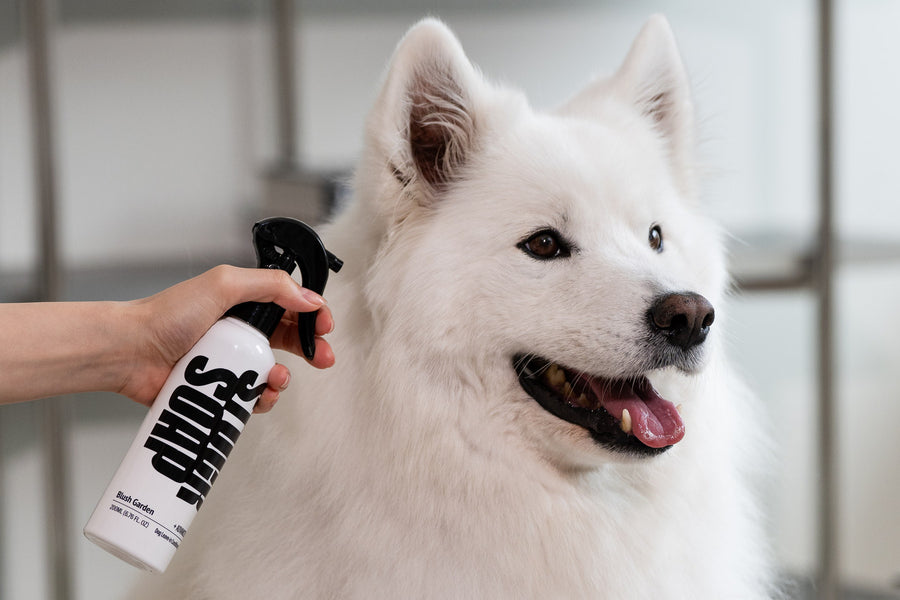
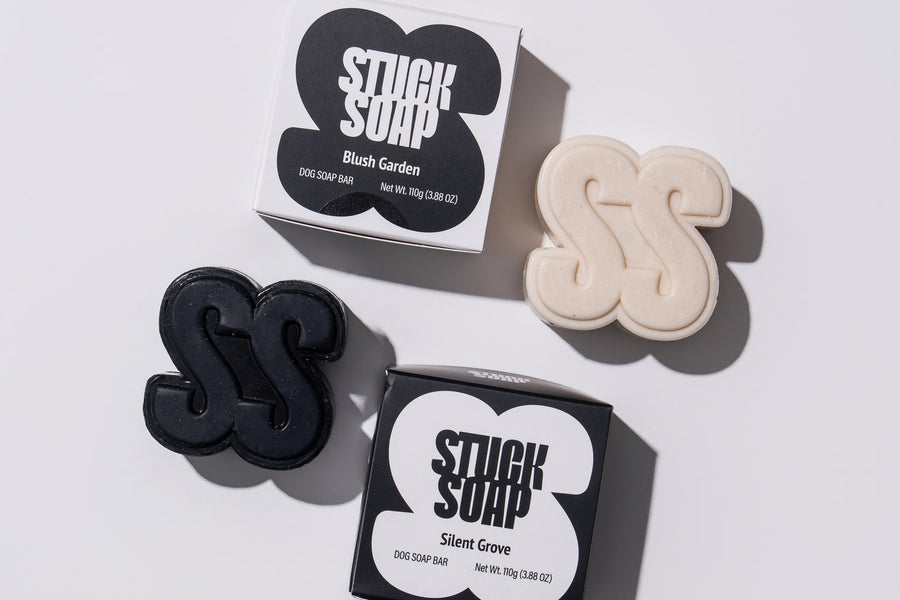
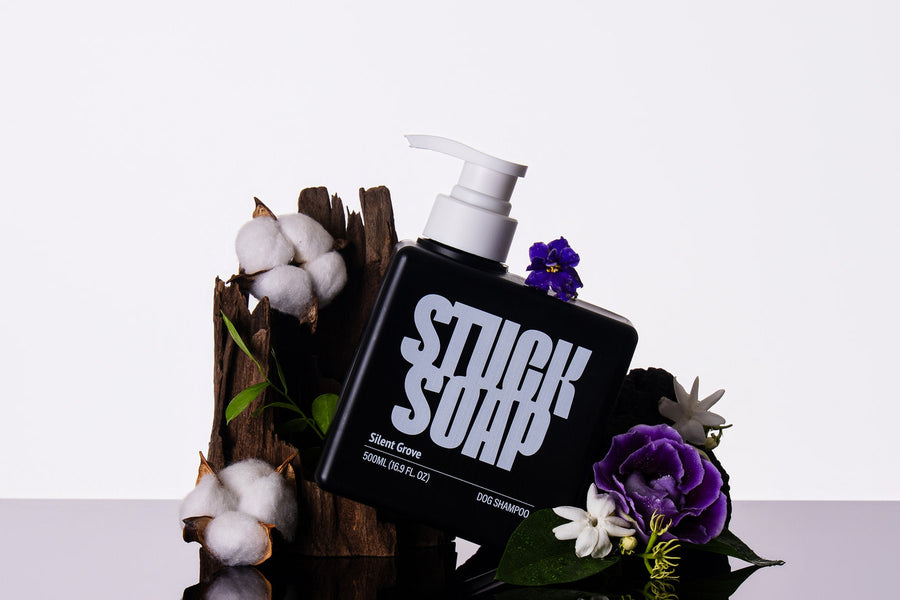
Once the heat is on, brushing a dry coat can mean static and flyaways. A light mist of a no-rinse conditioner before brushing can make the comb glide and keep you from overbathing. That's the job we had in mind for the STUCK SOAP Leave-In Conditioning Spray: a non-medicated, rinse-free grooming aid built around three patented actives, Mung Bean Sprout Extract (KR patent 10-1841429), Tannin Complex HR (10-0955389) and ODOR-BYE (10-2746186), chosen for a lightweight, comfortable feel and fresher-smelling coats between bath days. On bath day, our pH-balanced Liquid Shampoo or zero-waste Shampoo Bar with Green Tea, Camellia Oil, and Centella Asiatica rounds out the routine. Neither reduces shedding; they simply make the brushing and bathing you're already doing more pleasant.
Fall Shedding FAQ
Is it normal for dogs to shed more in the fall?
Yes. Many dogs shed more in autumn as shorter days and cooler temperatures prompt the coat to release lighter summer hair and grow a denser winter layer. Double-coated breeds show it most. Normal fall shedding leaves the skin covered and healthy, so bald spots, redness, or itching call for a veterinary visit.
How long does fall shedding last in dogs?
The American Kennel Club says a shedding season usually lasts a few weeks to a couple of months. Timing varies with breed, coat type, climate, and how much time a dog spends outdoors. Indoor dogs may shed more evenly through the year and show a less defined seasonal peak.
Why is my indoor dog shedding all year?
Indoor dogs live under artificial lighting and steady temperatures, which soften the daylight and temperature cues that trigger a defined seasonal shed. The result is often a lighter, continuous shed rather than two clear peaks. If constant shedding comes with thinning patches, itching, or skin changes, ask your veterinarian to take a look.
When is dog hair loss not normal?
Hair loss deserves a veterinary exam when you see bald patches, symmetrical thinning, scabs, redness, persistent itching, unusual odor, or a sudden jump in shedding. Changes in energy, appetite, thirst, or weight alongside coat changes also matter. Hair loss is a sign, and only a veterinarian can determine its underlying cause.
Can a shampoo stop my dog from shedding?
No. Shedding is part of the natural hair growth cycle, and no shampoo changes that cycle or stops a seasonal shed. A thorough bath with a full rinse can help release hair that is already loose, so more of it leaves in the tub and in the brush instead of on your furniture.
How often should I brush my dog during fall shedding?
Heavy shedders often need brushing several times a week, and daily during the peak, according to the American Kennel Club. Short daily sessions of about ten minutes work better than one long session. Match the tool to the coat: an undercoat rake or slicker for double coats, a rubber curry brush for short coats.
Does dry indoor heat affect my dog's skin and coat?
Many owners notice more static, a drier-feeling coat, and some flaking once the heating season starts and indoor humidity drops. Gentle bathing, thorough drying, and regular brushing help with comfort. Red, irritated, or persistently itchy skin is different and should be checked by your veterinarian rather than treated at home.
Sources
- American Kennel Club. "Dog Shedding: What to Expect and How to Manage It." Updated August 5, 2026. akc.org
- Merck Veterinary Manual, Dog Owners Version. "Hair Loss (Alopecia) in Dogs." merckvetmanual.com
- Favarato ES, Conceição LG. "Hair cycle in dogs with different hair types in a tropical region of Brazil." Veterinary Dermatology, 2008;19(1):15-20. PubMed 18177286
Your dog's coat knows the season is changing. Give fall grooming a gentler rhythm with K-Beauty shampoo, zero-waste bars, and the Leave-In Conditioning Spray in Silent Grove or Blush Garden.