


If your dog has been scratching more than usual, leaving behind flakes on the couch, or developing red, irritated patches, you're not alone. Dry, itchy skin is one of the most common complaints veterinarians hear from dog owners — and in most cases, the root cause traces back to one thing: a compromised skin barrier.
Your dog's skin barrier is the invisible shield that stands between their body and the outside world. When it's healthy, their coat gleams and their skin stays supple. When it breaks down, everything from allergens to bacteria can penetrate, triggering a frustrating cycle of dryness, itching, and irritation.
The good news? Understanding how the skin barrier works — and what damages it — puts you in a powerful position to fix and prevent these issues. This guide breaks down the science of canine skin health and gives you actionable steps to restore your dog's comfort.
Table of Contents
What Is Your Dog's Skin Barrier?
Your dog's skin barrier — technically called the stratum corneum — is the outermost layer of their skin. Think of it as a brick wall: skin cells (corneocytes) are the bricks, and lipids like ceramides and fatty acids act as the mortar holding everything together. This structure prevents water from escaping the body and blocks harmful substances from getting in.
On top of this barrier sits the acid mantle, a thin film made of sebum (natural oils) mixed with sweat. The acid mantle serves a dual purpose: it keeps the skin hydrated by reducing evaporation, and it creates an environment that's hostile to harmful bacteria and fungi.
Here's what makes dogs different from humans — their skin is significantly thinner. While human skin has 10 to 15 cell layers in the epidermis, dogs have only 3 to 5. This means their skin barrier is inherently more delicate and more easily disrupted by harsh products, environmental stressors, and improper grooming.
Sebaceous glands throughout your dog's skin continuously produce sebum, an oily substance rich in fatty acids like linoleic, oleic, and palmitic acid. These fatty acids don't just moisturize — they have antimicrobial properties that actively protect against infection. When sebum production is balanced, your dog's coat looks healthy and their skin stays comfortable.
Why Your Dog's Skin Barrier Breaks Down
A healthy skin barrier doesn't just deteriorate on its own. Several common factors contribute to breakdown, and many of them are within your control.
Using the wrong shampoo is the most frequent culprit. Human shampoos are formulated for human skin pH (around 4.5 to 5.5), which is significantly more acidic than canine skin pH (6.2 to 7.4). Using a human shampoo on your dog strips away the acid mantle, disrupts the lipid matrix between skin cells, and leaves the barrier wide open to irritants and pathogens. Even baby shampoo, often assumed to be gentle enough for dogs, falls outside the proper pH range.
Over-bathing is another common mistake. Each bath, even with the right products, temporarily removes some of the protective sebum layer. If you're bathing your dog too frequently without allowing time for the acid mantle to regenerate, the barrier never fully recovers. For most breeds, bathing every 4 to 6 weeks is sufficient unless they get particularly dirty.
Environmental stressors like dry winter air, central heating, summer heat, and seasonal allergens all take a toll on the skin barrier. Low humidity environments are especially damaging because they increase transepidermal water loss — the rate at which moisture evaporates from the skin.
Nutritional deficiencies play a significant role too. Dogs who don't get enough omega-3 and omega-6 fatty acids in their diet often develop dry, flaky skin because their bodies can't produce the lipids needed to maintain the barrier. Zinc and vitamin E deficiencies have similar effects.
Underlying health conditions such as atopic dermatitis, hypothyroidism, and Cushing's disease can weaken the skin barrier from the inside out. If your dog's skin issues persist despite good grooming habits and nutrition, a veterinary evaluation is important to rule out systemic causes.
The Role of pH and the Acid Mantle
pH is a scale from 0 to 14 that measures how acidic or alkaline a substance is. A pH of 7 is neutral. Human skin sits on the acidic side at around 5.5, while dog skin ranges from 6.2 to 7.4 — closer to neutral and leaning slightly alkaline.
This difference might sound minor, but on the logarithmic pH scale, each whole number represents a tenfold change in acidity. That means a product formulated at pH 5.5 is roughly 5 to 10 times more acidic than what your dog's skin needs. Over time, this mismatch erodes the acid mantle and weakens the entire barrier system.
When the acid mantle is disrupted, the skin's natural defense against Malassezia (a yeast that lives on all dogs' skin) and Staphylococcus bacteria is compromised. These organisms, normally kept in check by a healthy acid mantle, can overgrow and cause secondary infections — leading to hot spots, yeast dermatitis, and bacterial folliculitis.
Research published in the Journal of Clinical Microbiology has shown that Malassezia pachydermatis, the most common yeast species found on dog skin, thrives when pH conditions shift away from the dog's natural range. This is precisely what happens when you use products that aren't pH-balanced for canines.
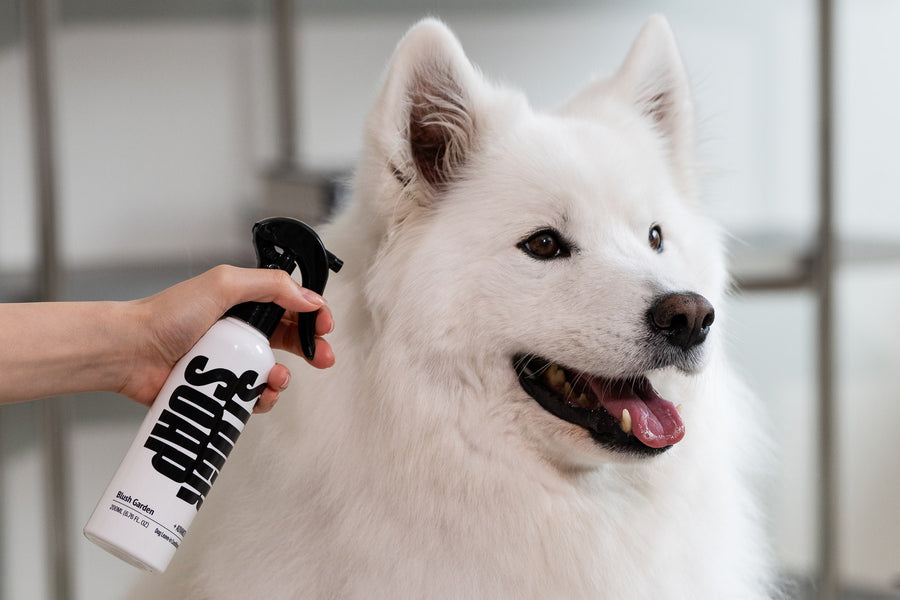
Choosing a pH-balanced dog shampoo isn't just a marketing buzzword — it's one of the most impactful decisions you can make for your dog's skin health. Products formulated specifically for canine pH (like Stuck Soap's line, which is pH-balanced for dogs) help preserve the acid mantle rather than stripping it away.
Signs of a Compromised Skin Barrier
Your dog can't tell you their skin is uncomfortable, but their behavior and appearance offer clear signals. Recognizing these signs early allows you to intervene before minor irritation becomes a bigger problem.
Persistent scratching or licking is often the first sign. While occasional scratching is normal, constant or focused scratching — especially at the paws, belly, or ears — suggests the skin barrier has been compromised and irritants are penetrating.
Visible flakes or dandruff indicate that the skin is shedding cells faster than normal, a condition called seborrhea sicca. This happens when the barrier can't retain enough moisture, causing the outer skin cells to dry out and flake prematurely.
Red or inflamed patches signal that irritants or microorganisms have breached the barrier and triggered an immune response. These areas may feel warm to the touch and can progress to hot spots if left untreated.
A dull, rough coat reflects what's happening at the skin level. Healthy skin produces balanced sebum that naturally conditions the coat from root to tip. When the barrier is struggling, sebum production may be disrupted — either too little (dry coat) or too much (greasy, smelly coat).
Recurrent skin infections are a hallmark of chronic barrier dysfunction. If your dog frequently develops yeast infections, bacterial skin infections, or hot spots, the underlying barrier issue needs to be addressed — not just the infections themselves.
Unpleasant odor between baths often points to bacterial or yeast overgrowth on skin with a compromised acid mantle. A healthy skin barrier keeps microbial populations balanced, which minimizes that distinctive "doggy smell."
How to Restore and Protect Your Dog's Skin Barrier
Restoring a damaged skin barrier doesn't happen overnight, but consistent, targeted care can produce visible improvements within 2 to 4 weeks. Here's a practical roadmap.
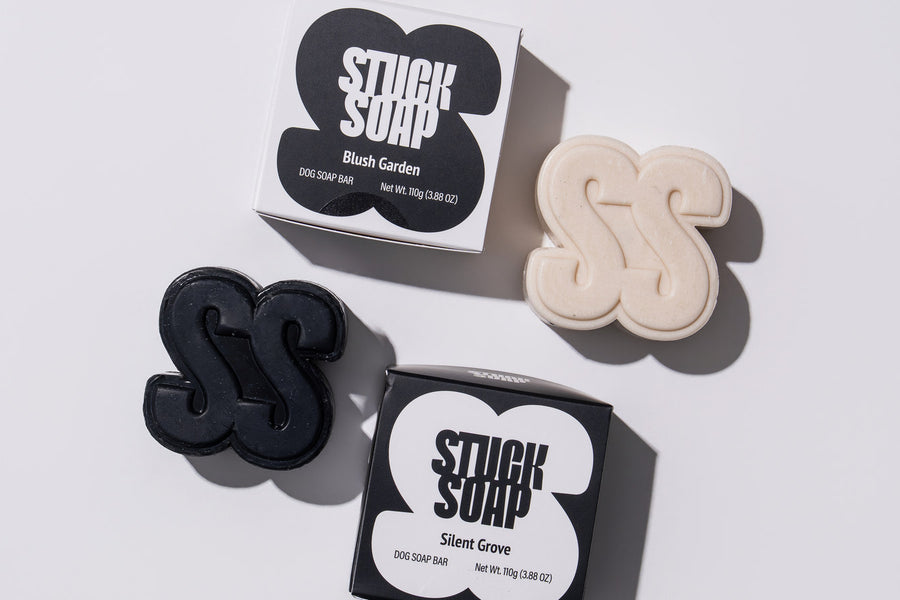
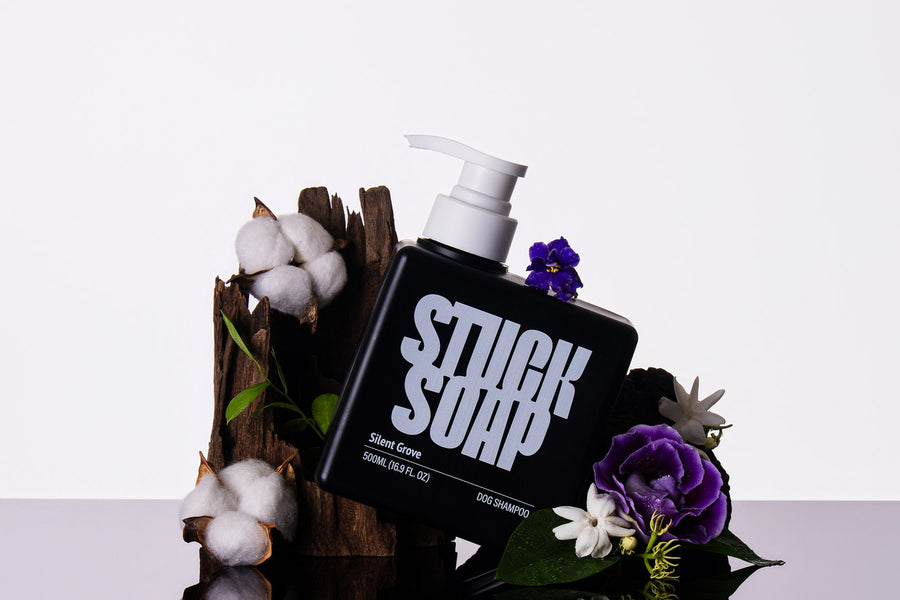
Switch to a pH-balanced, plant-based dog shampoo. This is the single most impactful change you can make. Look for formulas designed specifically for canine pH that avoid sulfates, parabens, and synthetic fragrances — all of which can further irritate a compromised barrier. Stuck Soap's Liquid Shampoo and Shampoo Bar are formulated with canine skin pH in mind, using gentle plant-based cleansers that clean thoroughly without stripping natural oils.
Adjust your bathing frequency. If you've been bathing weekly, scale back to every 3 to 4 weeks for most breeds. Between baths, use a damp cloth to spot-clean dirty areas without disrupting the entire acid mantle. Brush your dog regularly — brushing distributes natural sebum along the coat, which actually helps reduce the need for frequent bathing.
Optimize their diet. Add omega-3 fatty acid supplements (fish oil is the most bioavailable source for dogs) and ensure their food contains adequate omega-6 fatty acids. These essential fatty acids are the raw materials your dog's body uses to produce the lipids that hold the skin barrier together. Consult your veterinarian for appropriate dosing based on your dog's size.
Control the environment. During dry winter months, consider running a humidifier in the rooms where your dog spends the most time. Keep them off hot pavement in summer, which can damage paw pad skin. After swimming in chlorinated pools or salt water, rinse your dog with fresh water to prevent chemical irritation.
Address allergies proactively. If your dog has seasonal allergies, work with your vet to develop a management plan before allergy season hits. Wiping your dog's paws and belly after outdoor walks during high-pollen periods can reduce the allergen load on their skin and give the barrier less to fight against.
Key Ingredients That Support Skin Barrier Health
Not all grooming ingredients are created equal. When choosing products for a dog with skin barrier issues, look for these science-backed ingredients.
Green Tea Extract is rich in polyphenols and catechins — powerful antioxidants that help protect skin cells from oxidative damage. Studies have shown green tea's anti-inflammatory properties may help calm irritated skin and support the healing process. It's one of the cornerstone ingredients in K-beauty skincare, and the same benefits apply to canine skin.
Camellia Oil (from Camellia japonica) is exceptionally rich in oleic acid, a fatty acid that closely mirrors the lipid composition of healthy skin. This makes it highly effective at reinforcing the lipid matrix between skin cells — essentially helping to rebuild that "mortar" in the brick wall. Camellia oil absorbs quickly without leaving a greasy residue, making it ideal for dogs of all coat types.
Centella Asiatica (also known as Cica or Tiger Grass) has been used in traditional medicine for centuries and is now a star ingredient in K-beauty formulations. Research suggests that its active compounds — asiaticoside and madecassoside — may stimulate collagen synthesis and support wound healing, making it particularly valuable for dogs recovering from skin barrier damage.
Ceramides are lipid molecules naturally found in the skin barrier. Topical ceramides can help replenish the lipid matrix in dogs with atopic dermatitis or chronically dry skin. Many veterinary dermatology products now include ceramide complexes specifically for barrier repair.
Oatmeal (Colloidal) has long been recognized for its soothing properties on irritated skin. It contains beta-glucans and avenanthramides, which have anti-inflammatory and moisturizing effects that can provide immediate relief for itchy dogs.
Stuck Soap sources its Green Tea, Camellia Oil, and Centella Asiatica from Jeju Island, Korea — a region renowned for its pristine volcanic soil and mineral-rich water that produces exceptionally potent botanical extracts. This K-beauty approach to dog grooming prioritizes skin health at the ingredient level, not just surface-level cleanliness.
Frequently Asked Questions
What is the normal pH of dog skin?
Dog skin has a pH range of 6.2 to 7.4, which is more neutral to slightly alkaline compared to human skin (pH 4.5 to 5.5). This difference is why dogs need specially formulated, pH-balanced shampoos rather than human products.
Can human shampoo damage my dog's skin?
Yes. Human shampoos are formulated for a more acidic pH than dogs need. Using them disrupts your dog's acid mantle — the protective film on their skin — which can lead to dryness, irritation, bacterial overgrowth, and increased vulnerability to allergens and infections.
How long does it take to repair a damaged skin barrier in dogs?
With consistent proper care — including pH-balanced grooming products, dietary omega fatty acid supplementation, and reduced bathing frequency — most dogs show noticeable improvement in skin comfort and coat quality within 2 to 4 weeks. Chronic or severe cases may take longer and should be evaluated by a veterinarian.
Why does my dog smell bad between baths?
Persistent odor between baths usually indicates bacterial or yeast overgrowth on the skin, which occurs when the acid mantle is compromised. Switching to a pH-balanced dog shampoo and ensuring proper coat drying after baths can help restore microbial balance and reduce odor.
What ingredients should I look for in dog shampoo for dry skin?
Look for pH-balanced formulas containing moisturizing ingredients like camellia oil, green tea extract, centella asiatica, colloidal oatmeal, or ceramides. Avoid products with sulfates, parabens, synthetic fragrances, and artificial dyes, as these can further irritate compromised skin.
Sources & References
- Dog Skincare: What to Know About Taking Care of Your Dog's Skin — American Kennel Club
- Dog Dry Skin: Causes, Treatments, and Prevention — PetMD
- Can You Use Human Shampoo on Dogs? — PetMD
- Evaluation of the Effect of pH on In Vitro Growth of Malassezia Pachydermatis — Journal of Clinical Microbiology (PMC)
- The Skin Barrier in the Dog: First Defense Against External Agents — NutraPet
Give Your Dog the K-Beauty Spa Treatment
Your dog's skin barrier deserves ingredients that nourish, not strip. Stuck Soap's pH-balanced formulas harness Jeju Island botanicals — Green Tea, Camellia Oil, and Centella Asiatica — to cleanse gently while supporting healthy, comfortable skin from the outside in.
Shop Stuck Soap →Vegan · pH-Balanced · Jeju Island Botanicals · Zero Waste