


Table of Contents
- Why Golden Retrievers Need Special Grooming
- Understanding the Golden Retriever Double Coat
- The Perfect Brushing Routine for Golden Retrievers
- How to Bathe Your Golden Retriever the Right Way
- Shedding Management: Surviving the Golden Blow
- Common Golden Retriever Skin Issues and Prevention
- Seasonal Grooming Calendar for Golden Retrievers
- Frequently Asked Questions
- Sources & References
If you share your life with a Golden Retriever, you already know the joy of that signature flowing coat — and the small tumbleweeds of fur that come with it. Golden Retrievers consistently rank as one of America's most popular breeds, and their luxurious double coat is a huge part of their charm. But that beautiful coat requires thoughtful, consistent grooming to stay healthy.
The good news? A solid golden retriever grooming routine doesn't have to be complicated or time-consuming. With the right tools, technique, and a little know-how about your dog's unique coat structure, you can keep your Golden looking show-ring ready while supporting their skin health from the outside in.
This guide covers everything from daily brushing best practices to seasonal shedding strategies, common skin issues to watch for, and the bathing tips that professional groomers wish every Golden owner knew.
Why Golden Retrievers Need Special Grooming
Golden Retrievers aren't just any dog — they're a sporting breed originally developed to retrieve waterfowl in the Scottish Highlands. That heritage gave them a dense, water-repellent double coat designed to protect them in cold water and rough terrain. This functional coat is beautiful, but it also demands more grooming attention than single-coated breeds.
Without regular grooming, a Golden's coat can quickly become matted, especially behind the ears, under the legs, and around the chest. Matting doesn't just look unkempt — it traps moisture and debris against the skin, creating the perfect environment for bacterial and fungal infections. According to the American Kennel Club, consistent grooming is one of the most important preventive health measures for this breed.
Regular grooming sessions also give you the chance to check for lumps, skin irritation, ticks, and early signs of allergies — all of which Golden Retrievers are genetically predisposed to. Think of grooming as a wellness check that happens to leave your dog looking gorgeous.
Understanding the Golden Retriever Double Coat
Before you pick up a brush, it helps to understand exactly what you're working with. A Golden Retriever's coat has two distinct layers, each serving a different purpose.
The outer coat (or guard coat) consists of longer, coarser hairs that lie flat against the body. This layer is naturally water-repellent and acts as the first line of defense against rain, snow, UV rays, and environmental debris. It's the coat you see — the flowing golden waves that give the breed its name.
The undercoat is a dense, soft layer of shorter fur that sits close to the skin. This layer provides insulation, keeping your dog warm in winter and surprisingly cool in summer by trapping air against the body. The undercoat is what sheds most heavily, especially during seasonal transitions in spring and fall.
This two-layer system is why you should never shave a Golden Retriever. Shaving removes the coat's natural insulating and UV-protective properties, and the coat often grows back unevenly or with a different texture. The AKC and veterinary dermatologists consistently advise against it. Instead, proper brushing and regular bathing are the keys to managing coat health.
The Perfect Brushing Routine for Golden Retrievers
Brushing is the single most important grooming task for a Golden Retriever. It removes loose fur before it ends up on your couch, distributes natural skin oils for a healthy shine, prevents matting, and stimulates blood flow to the skin.
How often to brush: Aim for a thorough brushing at least 3–4 times per week during normal shedding periods. During heavy shedding seasons (spring and fall), daily brushing is ideal. Even a quick 10-minute session makes a noticeable difference.
The right tools matter. A bristle brush alone won't cut through a Golden's thick coat. Here's what professional groomers recommend:
| Tool | Purpose | When to Use |
|---|---|---|
| Slicker Brush | Removes tangles, loose fur, and surface debris | Every brushing session — your daily go-to |
| Undercoat Rake | Reaches the dense undercoat to remove loose underfur | 2–3 times per week, daily during shedding season |
| Steel Comb | Detects and works through small mats and tangles | After brushing, as a finishing pass |
| Pin Brush | Smooths the outer coat and adds shine | Final step for a polished finish |
Brushing technique: Always brush in the direction of hair growth, working in sections. Start at the head and work your way back. Pay special attention to the feathering on the legs, chest, belly, and tail — these areas mat fastest. Use the undercoat rake first to loosen dead underfur, then follow with the slicker brush, and finish with a steel comb to catch anything you missed.
How to Bathe Your Golden Retriever the Right Way
Bathing frequency is one of the most common questions Golden Retriever owners ask, and the answer depends on your dog's lifestyle. For most Goldens, a bath every 6–8 weeks strikes the right balance. Active dogs who swim regularly, hike, or love rolling in things may need a bath every 4–6 weeks. Less active indoor dogs can stretch to 10–12 weeks.
Overbathing is a real risk with this breed. The Golden's coat relies on natural oils (sebum) to maintain its water-repellent properties and skin barrier function. Bathing too frequently — or using harsh, high-pH shampoos — strips those oils and can lead to dry, flaky, irritated skin.
Step-by-step bathing guide:
1. Brush first. Always give your Golden a thorough brushing before bath time. Wet mats tighten and become nearly impossible to remove, so detangle everything while the coat is dry.
2. Use lukewarm water. Soak the coat all the way down to the skin. A Golden's double coat is dense, and water needs to fully penetrate both layers. This alone can take several minutes.
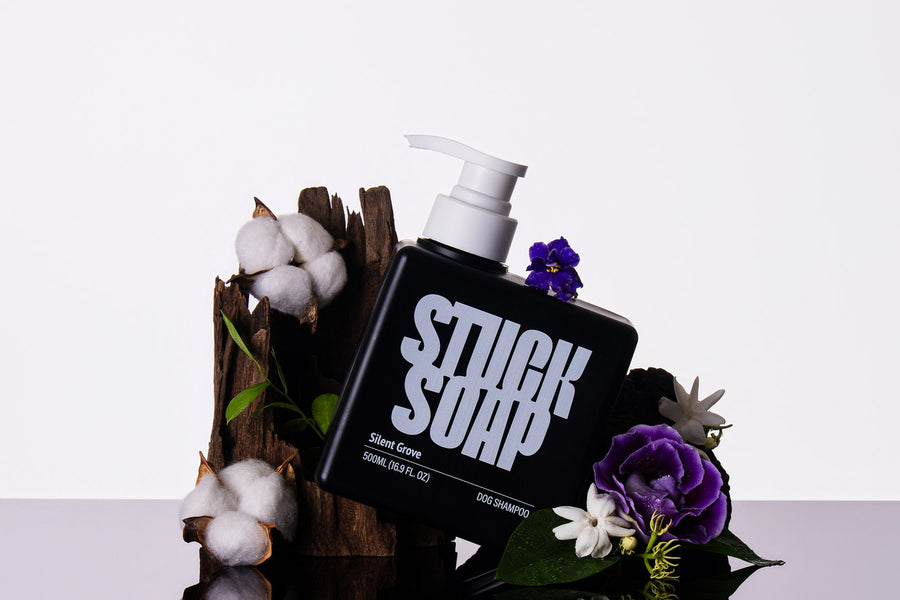
3. Choose the right shampoo. This is where product choice makes a real difference. Look for a pH-balanced shampoo formulated specifically for dogs (canine skin pH ranges from 6.2–7.4, compared to human skin at 4.5–5.5). Plant-based, vegan formulas with naturally soothing ingredients work especially well for Goldens' allergy-prone skin. Ingredients like green tea extract, Camellia oil, and Centella Asiatica are known for their antioxidant and skin-soothing properties — the same K-beauty ingredients that have transformed human skincare are now making their way into premium dog grooming products like Stuck Soap's liquid shampoo, which uses Jeju Island botanicals in a high-concentrate formula designed for deep cleaning and odor control.
4. Rinse twice. This is the step most owners rush. A Golden's thick double coat traps shampoo like a sponge. Leftover residue causes itching, flaking, and irritation. Rinse until the water runs completely clear, then rinse once more for good measure.
5. Dry thoroughly. Towel-dry first, then use a pet-specific blow dryer on a cool or low-heat setting. Human hairdryers get too hot and can damage the coat or burn the skin. Blow against the direction of hair growth to reach the undercoat. A damp undercoat left to air-dry is a breeding ground for hot spots and fungal infections.
Shedding Management: Surviving the Golden Blow
Let's be honest: Golden Retrievers shed. A lot. They shed moderately year-round and heavily twice a year during what groomers affectionately call "blowing coat" — typically in spring (shedding the thick winter undercoat) and fall (transitioning to a denser winter layer).
During these heavy shedding periods, which can last 2–4 weeks, you might feel like you're living inside a fur factory. But with the right strategy, you can manage it effectively.
Daily brushing during blow coat is non-negotiable. Use your undercoat rake first, then follow with a slicker brush. You'll be amazed at how much fur comes out — and grateful it's in the brush instead of on your furniture.
A warm bath during shedding season can help loosen and release dead undercoat en masse. Pair it with a thorough blow-dry session, and you'll remove far more loose fur in one sitting than a week of brushing alone.
Nutrition plays a huge role in coat health and shedding levels. A diet rich in omega-3 and omega-6 fatty acids supports skin barrier function and may reduce excessive shedding. Fish oil supplements, or a food naturally rich in fatty acids, can make a visible difference in coat quality within a few weeks. Biotin and zinc are also linked to stronger, healthier coat growth.
What about de-shedding tools? Tools like the Furminator are popular, but use them carefully on Golden Retrievers. Aggressive use can cut or damage the outer guard coat. Stick with an undercoat rake for safer, effective undercoat removal without risking coat damage.
Common Golden Retriever Skin Issues and Prevention
Golden Retrievers are unfortunately predisposed to several skin conditions. Understanding these issues helps you catch them early and adjust your grooming routine accordingly.
Atopic dermatitis (environmental allergies) is one of the most common issues in the breed. Triggers include pollen, dust mites, mold, and grass. Symptoms include excessive itching, redness, ear infections, and paw licking. Regular bathing with a gentle, pH-balanced shampoo can help wash allergens from the coat and provide relief.
Hot spots (acute moist dermatitis) develop quickly, especially in warm, humid weather. They often start as a small irritated area that the dog licks or scratches, creating a raw, oozing patch. Keeping the coat clean, dry, and well-brushed is the best prevention. If you spot one developing, consult your vet promptly.
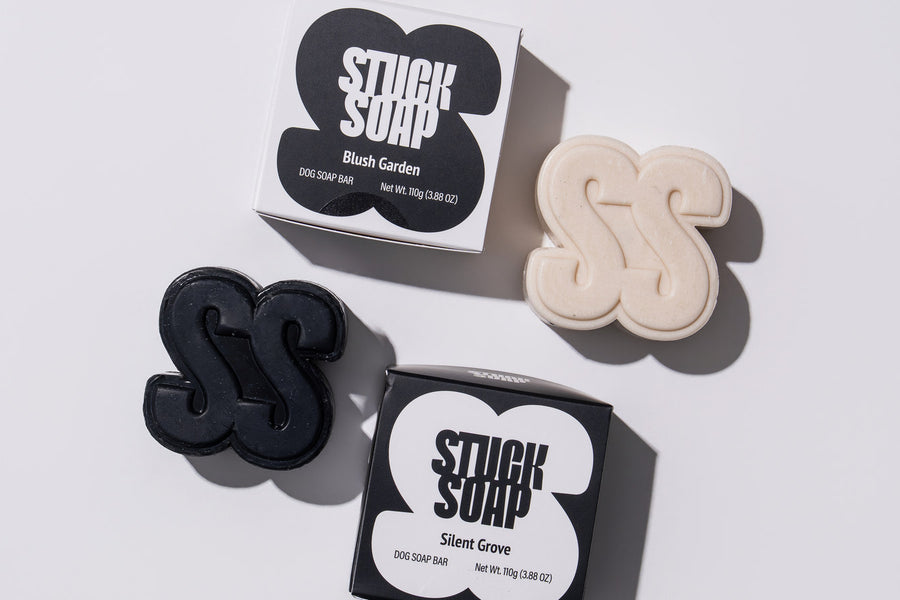
Seborrhea shows up as either excessively oily or excessively dry, flaky skin. Goldens with seborrhea benefit from more frequent bathing with a shampoo that supports sebum balance. Look for formulas that are pH-balanced and designed to support the skin's natural barrier — solid shampoo bars with sebum-control properties, like Stuck Soap's shampoo bar, can be a convenient and effective option for regular maintenance.
Ear infections are common because Goldens have floppy ears that trap moisture. After every bath or swim, dry the ears thoroughly. Check them weekly for redness, odor, or discharge.
For any persistent skin condition, always consult your veterinarian. Proper grooming supports skin health, but it doesn't replace professional medical care when your dog needs it.
Seasonal Grooming Calendar for Golden Retrievers
Your grooming approach should shift with the seasons. Here's a practical schedule to follow throughout the year.
| Season | Brushing | Bathing | Focus Areas |
|---|---|---|---|
| Spring | Daily (heavy blow coat) | Every 4–6 weeks | Undercoat removal, allergy rinses, tick checks |
| Summer | 3–4 times per week | Every 4–6 weeks (more if swimming) | Ear drying after water, hot spot prevention, paw care |
| Fall | Daily (heavy blow coat) | Every 6–8 weeks | Undercoat transition, coat conditioning, debris removal |
| Winter | 2–3 times per week | Every 8–12 weeks | Dry skin prevention, paw pad care, indoor dander control |
Spring and fall are your busiest grooming seasons. This is when the undercoat blows, allergens peak, and your Golden needs the most hands-on attention. Plan for daily 10–15 minute brushing sessions and consider scheduling a professional grooming appointment at the start of each shedding season.
Summer brings swimming, hiking, and outdoor adventures. Always rinse your dog after swimming — whether in a pool (chlorine) or a lake (bacteria and algae). Dry the ears thoroughly every time. This is also peak season for hot spots, so keep the coat clean and watch for any red, moist patches.
Winter is the lowest-maintenance season for coat care, but dry indoor air can irritate your Golden's skin. A humidifier helps, and you may want to reduce bathing frequency to preserve natural oils. Pay attention to paw pads — salt and de-icers can cause cracking and irritation.
Pro Tips: What Groomers Wish Every Golden Owner Knew
Never skip the pre-bath brush. This is the number one mistake groomers see. Bathing a matted dog only makes things worse. Always brush out tangles and loose fur before getting your Golden wet.
Invest in a good blow dryer. A pet-specific forced-air dryer is a game-changer for Golden Retriever owners. It removes loose undercoat, speeds up drying time, and prevents the moisture-related skin issues that come with air-drying a thick double coat.
Check between the toes. Goldens grow fur between their toes that can mat and collect debris. Trim this area regularly with blunt-tipped scissors to keep paws clean and comfortable.
Don't forget feathering. The longer fur on the chest, belly, legs, and tail (called feathering) needs extra attention. Use a steel comb to work through these areas, and trim any straggly ends with thinning shears for a neat appearance.
Make it enjoyable. Start grooming habits early with puppies, and keep sessions positive with treats and praise. A Golden Retriever who enjoys grooming time is infinitely easier to maintain than one who dreads it.
Frequently Asked Questions
How often should I bathe my Golden Retriever?
Most Golden Retrievers do well with a bath every 6–8 weeks. Active dogs who swim, hike, or get dirty frequently may need bathing every 4–6 weeks. Avoid bathing more often than every 4 weeks unless directed by your vet, as over-bathing strips the coat's natural protective oils.
Can I shave my Golden Retriever in the summer?
No. You should never shave a Golden Retriever. Their double coat actually insulates against heat as well as cold. Shaving removes UV protection, increases the risk of sunburn and heatstroke, and the coat may grow back unevenly with a damaged texture. Regular brushing and bathing are the proper way to keep your Golden comfortable in warm weather.
Why is my Golden Retriever shedding so much?
Golden Retrievers shed moderately year-round and heavily twice a year (spring and fall) when they "blow" their undercoat. This is completely normal. Excessive shedding outside these periods could indicate allergies, poor nutrition, stress, or a skin condition — consult your vet if shedding seems abnormal.
What type of shampoo is best for Golden Retrievers?
Choose a pH-balanced, dog-specific shampoo. Golden Retrievers' sensitive skin benefits from gentle, plant-based formulas free of sulfates and artificial fragrances. Ingredients like green tea, Camellia oil, and oatmeal can help soothe and protect their allergy-prone skin.
How do I prevent matting in my Golden Retriever's coat?
Brush your Golden at least 3–4 times per week, paying special attention to the feathering on the legs, chest, belly, and behind the ears. Use an undercoat rake followed by a slicker brush, and always brush before bathing. Regular grooming prevents mats from forming and keeps the coat healthy.
Sources & References
- How to Groom a Golden Retriever — American Kennel Club
- Understanding Skin Problems in Golden Retrievers — DermaVet
- 3 Golden Retriever Skin Issues and How to Treat Them — Vetericyn
- Golden Retriever Coat Stages: Shedding, Grooming & Maintenance Guide — My Golden Retriever Puppies
- Coping with a Golden's Shedding — Pedigree
Give Your Golden the K-Beauty Spa Treatment
Your Golden Retriever's double coat deserves a shampoo that works as hard as it does. Stuck Soap's plant-based formulas use Jeju Island botanicals — green tea, Camellia oil, and Centella Asiatica — to cleanse deeply while supporting your dog's natural skin barrier.
Shop Stuck Soap →Vegan · pH-Balanced · Jeju Island Botanicals · Zero Waste