


Every summer, the same thing seems to happen. The days get longer, the walks get better, and somewhere around July your dog starts scratching like it's a brand-new hobby. If you've noticed more licking, chewing, head-shaking, or a suspicious red patch that appeared overnight, you're seeing summer dog skin problems in action, and you are far from alone.
Heat, humidity, pollen, fleas, and long hours outdoors all land on your dog's skin at the same time. Veterinarians see a reliable spike in itchy, inflamed, and infected skin from late spring through early fall. The good news: most of these issues are preventable, and the way you clean and care for your dog's skin makes a real difference.
This is where the K-Beauty philosophy for dogs comes in. Korean skincare is built around one idea: protect the skin barrier, calm inflammation before it spirals, and be gentle rather than harsh. That same barrier-first thinking is exactly what irritated summer skin needs. Below, we'll break down the most common summer skin problems in dogs, why they flare when it's hot, and a gentle, practical routine to keep your dog comfortable all season.
Table of Contents
Why Summer Is So Hard on Your Dog's Skin
Dogs don't experience allergies the way we do. Instead of sneezing and watery eyes, they show it through their skin, with itching, licking, chewing, and rubbing their face on the carpet or furniture. Summer stacks several triggers on top of each other, and that pile-up is the real problem.
Veterinary dermatologists describe allergies as additive. Every dog has an "itch threshold," and individual triggers can sit quietly below it. A little grass pollen on its own might be fine. A single flea bite might be fine. But when pollen, flea saliva, heat, and humidity all arrive at once, your dog crosses that threshold and the scratching begins. It's why a dog that seemed perfectly comfortable in spring can suddenly struggle in July.
Heat and humidity add a second layer. Warm, damp conditions trap moisture against the skin, especially in spots with poor airflow: under collars, in skin folds, between the toes, and behind the ears. That warm, moist environment is exactly what yeast and bacteria need to multiply. Add more time outdoors, more contact with grass and pollen, and peak flea season, and you have a perfect storm for summer flare-ups.
6 Common Summer Dog Skin Problems
Most summer skin complaints fall into a handful of familiar categories. Knowing what you're looking at helps you respond quickly and calmly.
1. Hot Spots (Acute Moist Dermatitis)
A hot spot is a red, moist, often painful lesion that can appear seemingly overnight. It starts with an itch, your dog licks or chews the area, and the damaged skin quickly develops a secondary infection that makes everything itchier, creating a vicious cycle. Hot spots love the ears, paws, belly, and the base of the tail. Because they spread fast, early attention matters. Our full guide to hot spots on dogs covers treatment and prevention in detail.
2. Flea Allergy Dermatitis
Fleas peak in warm weather, and for many dogs the problem isn't the bite itself but an allergy to flea saliva. In a sensitized dog, a single bite can trigger intense, out-of-proportion itching, usually concentrated around the lower back, tail base, and hind legs. Consistent, year-round flea prevention is the single most effective defense.
3. Seasonal (Environmental) Allergies
Grass, weed, and tree pollens surge in summer, and dogs absorb these allergens through their skin and paws as much as through the air. You'll often see paw-licking, belly redness, and itchy armpits and groin. Rinsing or wiping your dog down after outdoor time physically removes pollen before it has a chance to do damage.
4. Yeast and Bacterial Infections
When humidity traps moisture in warm folds and between toes, yeast (Malassezia) and bacteria can overgrow. Tell-tale signs include a musty odor, greasy or flaky skin, redness, and persistent licking of the paws or "armpits." Many dogs with yeast also develop a secondary bacterial infection, so these often need veterinary treatment. Breeds with skin folds or heavy double coats are especially prone.
5. Sunburn
Yes, dogs can sunburn. Short-coated, light-colored, and hairless breeds are most at risk, along with any thinly-furred areas. The most vulnerable spots are the nose, ear tips, belly, and the skin around the lips and eyes. And never shave a double coat down to the skin thinking it will keep your dog cooler, because that coat is also sun protection. (More on that in our guide to whether you should shave your dog in summer.)
6. Paw and "Swimmer's" Irritation
Hot pavement, pool chlorine, lake water, and salty beach days can all irritate skin and paws. Chlorine and salt strip moisture and can leave the coat dry and the skin itchy, while hot sidewalks can burn sensitive paw pads. A quick cool rinse after swimming or walking protects both. See our hot pavement paw safety guide for more.
The K-Beauty Approach: Calm and Protect the Barrier
Here's the shift in thinking that makes summer skin care easier. Instead of only reacting to flare-ups, K-Beauty focuses on keeping the skin barrier strong and calm so fewer flare-ups happen in the first place. This "barrier-first" philosophy is why Korean skincare became famous for sensitive, reactive skin, and it translates beautifully to dogs.
Three principles do most of the work.
Respect your dog's pH. Canine skin sits at a more neutral pH of roughly 6.2 to 7.4, which is different from human skin. Human shampoo, or anything harshly stripping, can disrupt the acid mantle (the skin's protective top layer), leaving it drier and more vulnerable right when it's already under stress. A pH-balanced, dog-specific formula cleanses without breaking that barrier down.
Cleanse gently, soothe deliberately. Summer skin is already inflamed, so the goal is to remove allergens, sweat, and microbes without adding irritation. Gentle, plant-based cleansing paired with calming botanicals is the sweet spot. Soothing ingredients worth looking for include colloidal oatmeal, aloe vera, and ceramides.
Lean on proven calming botanicals. Two K-Beauty heroes are especially relevant for irritated summer skin. Centella asiatica (known as "cica") is Korea's go-to soothing ingredient; its active compounds, madecassoside and asiaticoside, have been shown in studies to reduce inflammatory markers like IL-6 and TNF-α and to lower the severity of atopic dermatitis in clinical trials. Green tea is a second powerhouse, with polyphenols like EGCG shown to calm histamine-driven skin inflammation.
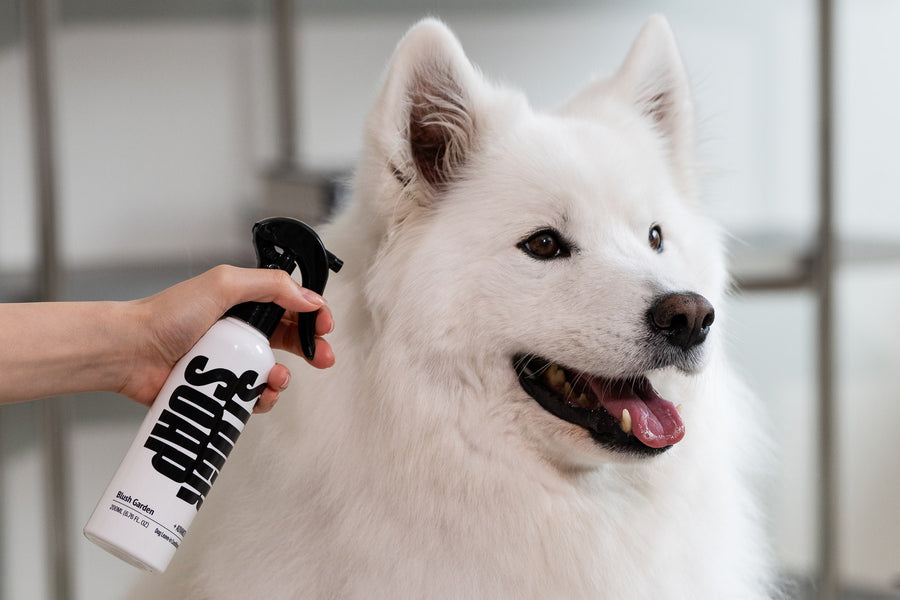
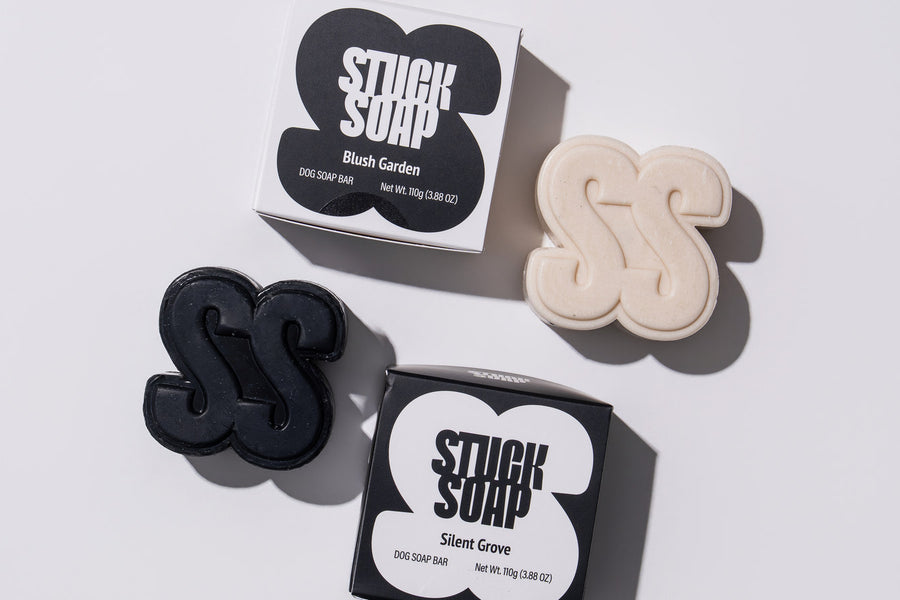
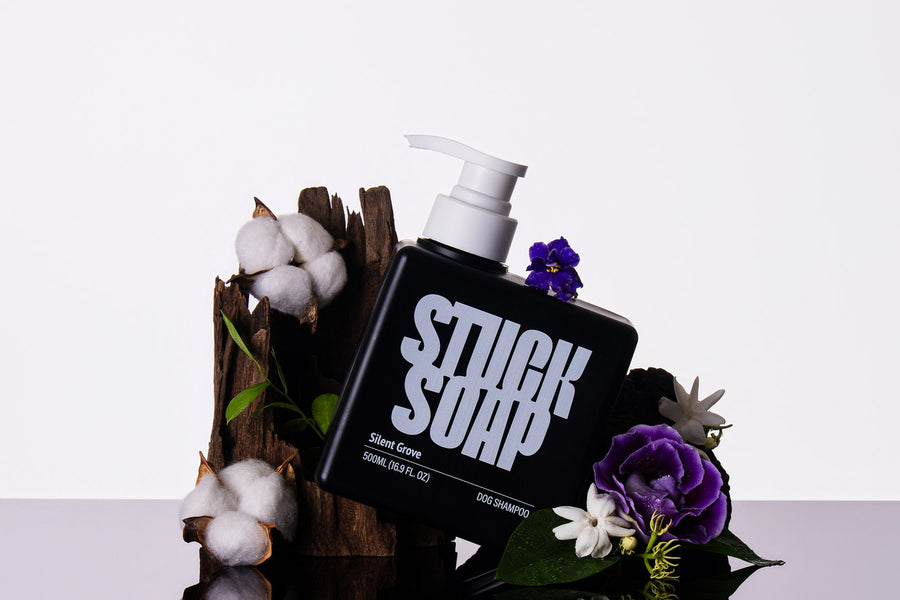
This is exactly the thinking behind STUCK SOAP. Our vegan, pH-balanced formulas are built on K-Beauty botanicals sourced from Korea's Jeju Island, including green tea, Centella asiatica, and camellia oil, chosen to cleanse gently while helping to soothe and support your dog's skin barrier. And for a coat that stays soft and glossy through the season, camellia oil is the finishing touch.
How to Soothe Your Dog's Skin This Summer
You don't need a complicated regimen. A few consistent habits prevent the majority of summer flare-ups.
Rinse after every outdoor adventure. A quick lukewarm-to-cool rinse, or even a wipe-down, after walks, park visits, and swims removes pollen, grass, chlorine, and salt before they irritate the skin. This one habit is among the most effective and most overlooked. Our guide to washing pollen off your dog walks through the technique.
Bathe on the right schedule. For dogs with sensitive or itchy skin, many veterinarians suggest a soothing bath about once every one to two weeks, and sometimes more often during an active flare, always following your vet's guidance for your individual dog. Use a gentle, pH-balanced shampoo with lukewarm-to-cool water; hot water can increase inflammation, while cool water has a mild soothing effect. Over-bathing with the wrong product dries the skin and backfires.
Dry the hidden spots. After a bath or a swim, thoroughly dry the skin folds, armpits, groin, and the spaces between the toes. Leftover moisture in those warm crevices is exactly what feeds yeast and bacteria.
Protect against sun and heat. Walk in the cooler early morning or evening, offer plenty of shade, and use a vet-approved pet sunscreen on exposed pink skin (never a human product with zinc oxide or PABA, both of which are toxic to dogs). If your dog battles dryness between baths, our dog dry-skin guide lays out a gentle hydration routine.
Stay ahead of fleas. Consistent, year-round flea prevention removes one of the biggest summer itch triggers entirely. Ask your vet about the best option for your dog.
A quick summer skin checklist to keep handy:
- Rinse or wipe down after outdoor time, swims, and beach days
- Bathe with a gentle, pH-balanced, soothing shampoo on a vet-guided schedule
- Dry folds, paws, and armpits completely
- Keep flea prevention current all year
- Provide shade and walk during the cooler hours of the day
- Watch for early redness, odor, or a new itchy spot and act quickly
When to Call Your Vet
Gentle care at home prevents and soothes a great deal, but some situations need professional help. Contact your veterinarian if you notice any of the following:
- A hot spot that is spreading, oozing, or clearly painful
- A strong musty or yeasty odor, greasy skin, or persistent paw-licking
- Hair loss, open sores, scabbing, or thickened, darkened skin
- Itching intense enough to disrupt sleep or cause self-trauma
- Any signs that don't improve within a few days of gentle care
Skin infections and allergies can escalate quickly, and a vet can identify whether yeast, bacteria, fleas, or an underlying allergy is driving the problem, then prescribe targeted treatment. When in doubt, get it checked. Early action keeps a small itch from turning into a summer-long battle.
Frequently Asked Questions
Why is my dog so itchy in the summer?
Summer combines several itch triggers at once: pollen, fleas, heat, and humidity. Because a dog's allergies are additive, these triggers stack up and can push your dog past its "itch threshold," leading to scratching, licking, and inflamed skin even when each trigger alone would be tolerable.
How often should I bathe my dog with itchy summer skin?
Many veterinarians suggest a soothing bath roughly once every one to two weeks for sensitive skin, and sometimes more often during an active flare. Use a gentle, pH-balanced shampoo and cool-to-lukewarm water, and always follow your vet's advice, since over-bathing can dry the skin and make itching worse.
Can I use human sunscreen or shampoo on my dog?
No. Human shampoo can disrupt your dog's skin pH, and many human sunscreens contain zinc oxide or PABA, which are toxic to dogs. Use products formulated specifically for dogs, including a vet-approved pet sunscreen for any exposed pink skin.
What K-Beauty ingredients help soothe a dog's skin?
Centella asiatica (cica) and green tea are two of the most research-backed calming botanicals, both shown to reduce skin inflammation. Colloidal oatmeal, aloe vera, and ceramides are also gentle, barrier-supporting choices for irritated summer skin.
How do I know if it's a hot spot or a yeast infection?
A hot spot is a red, moist, rapidly spreading lesion that appears quickly, often after scratching. A yeast infection tends to develop more gradually, with a musty odor, greasy or flaky skin, and licking of the paws or folds. Both can worsen without care, so a vet visit is the safest way to confirm and treat.
Sources & References
- Understanding Summer Allergy Triggers in Dogs — Vetster
- Canine Hot Spots: Understanding, Treating, and Preventing Summer Skin Woes — Virginia Tech News
- Yeast Dermatitis (Malassezia) in Dogs — American Kennel Club
- Yeast Dermatitis in Dogs — VCA Animal Hospitals
- Dog Sunscreen: What to Know About Dog Sunburn Protection — American Kennel Club
- Pharmacological Effects of Centella asiatica on Skin Diseases: Evidence and Possible Mechanisms — PMC / NCBI
- Sun Safety for Pets — ASPCA Pet Health Insurance
Give Your Dog the K-Beauty Spa Treatment
Summer skin needs gentle, not harsh. STUCK SOAP's vegan, pH-balanced formulas use Jeju Island botanicals like green tea and Centella asiatica to wash away pollen and grime while helping to soothe and protect your dog's skin barrier all season long. Calmer, fresher skin starts at bath time.
Shop Stuck Soap →Vegan · pH-Balanced · Jeju Island Botanicals · Zero Waste