


If you have scrolled through Korean skincare launches lately, you have probably seen a small, wrinkled red fruit turning up on ingredient lists: the jujube, also known as the Korean red date (대추, daechu). Prized in East Asia for thousands of years and brewed into everything from traditional tonics to celebratory teas, jujube is now a genuine K-Beauty darling, celebrated for its antioxidants and skin-soothing polyphenols. So it is only natural that dog parents are starting to ask the next question: is jujube for dogs a smart addition to skin and coat care, or is it just a human beauty trend that does not translate?
It is a great question, and the honest answer has real nuance. Jujube is packed with compounds that behave beautifully on human skin, but dogs are not small humans. Their skin chemistry, their diet, and even the way they process certain nutrients are different enough that some benefits carry over and others simply do not.
In this guide, we will unpack what jujube actually is, why K-Beauty formulators love it, what the current science does and does not tell us about jujube for dogs, and the vet-informed safety facts every owner should know before offering a single bite. Then we will connect it all back to a K-Beauty principle that genuinely does help your dog: gentle, barrier-first, antioxidant-rich botanical care.
Table of Contents
- What Is Jujube, and Why Is K-Beauty Obsessed With It?
- The Science: What Jujube Does for Skin
- Jujube for Dogs: What the Evidence Actually Says
- Is Jujube Safe for Dogs? Feeding and Topical Safety
- The K-Beauty Approach: Antioxidant Botanicals Done Right
- Practical Tips for Antioxidant Skin and Coat Care
- Frequently Asked Questions
- Sources & References
What Is Jujube, and Why Is K-Beauty Obsessed With It?
Jujube (Ziziphus jujuba Mill.) is a small fruit that ripens from green to a deep, glossy red before drying into the wrinkled "red date" you will find in Korean markets. In Korea, daechu is a cultural staple: it flavors samgyetang (ginseng chicken soup), sweetens holiday desserts, and is simmered for hours into daechucha, a warming red date tea traditionally sipped for rest and recovery.
That deep heritage is exactly why jujube fits the K-Beauty story so well. Korean skincare has always leaned on "hanbang" botanicals, ingredients rooted in traditional Korean medicine, and reframed them through modern cosmetic science. Jujube sits right alongside ginseng, mugwort, and licorice root as a time-honored botanical now studied for measurable skin benefits. K-Beauty's whole philosophy is to take gentle, food-grade, tradition-backed ingredients and formulate them thoughtfully, and jujube is a textbook example.
On an ingredient label you will usually see it written as Ziziphus Jujuba Fruit Extract (or seed, leaf, or bark extract). It typically appears in soothing toners, moisturizers, and anti-aging serums, where it is valued as a natural antioxidant and comfort ingredient rather than an aggressive active.
The Science: What Jujube Does for Skin
Jujube's reputation is not just folklore. A 2024 review in the journal Cosmetics examined jujube extracts across skin and hair applications and catalogued an impressive bioactive profile: flavonoids, polyphenols, vitamin C, polysaccharides, tannins, saponins, and triterpenoid acids such as betulinic and oleanolic acid. Together, these give jujube notable antioxidant, anti-inflammatory, antimicrobial, and wound-healing activity in laboratory and human-skin research.
Three mechanisms stand out. First, antioxidant defense: jujube's flavonoids and vitamin C scavenge free radicals, the reactive molecules generated by UV light and pollution that drive dullness, dryness, and premature aging. Second, barrier and hydration support: jujube's polysaccharides and flavonoids are associated with better moisture retention and reduced transepidermal water loss (TEWL), the technical term for how quickly water evaporates through skin. Lower TEWL generally means a stronger, more comfortable barrier. Third, soothing and repair: separate research on a jujube-leaf extract ointment found meaningful wound-healing and anti-inflammatory effects, credited to the plant's phenolic acids and flavonoids.
In human skincare, that adds up to a gentle multitasker: calming, hydrating, and protective without the sting of a harsh active. Keep those three mechanisms in mind, because when we cross over to dogs, some of them translate far better than others.
Jujube for Dogs: What the Evidence Actually Says
Here is where we have to be careful and honest. There are currently no published clinical studies testing jujube extract specifically on canine skin or coats. Everything we know about jujube's skin benefits comes from human and laboratory research. So anything anyone tells you about jujube for dogs is, at best, an educated extrapolation, not proven fact. We are exploring possibility here, not making promises.
That said, the underlying biology gives us a reasonable framework. Free-radical damage affects dogs too, and veterinary nutrition research confirms it: a review on dietary antioxidants in dogs and cats found that antioxidant nutrients help neutralize free radicals and support cellular protection, and Hill's has documented that blends of vitamin E, vitamin C, and beta-carotene improve antioxidant status in pets. Antioxidants that reduce oxidative stress are broadly linked to less skin irritation, dryness, and coat dullness. So the category of benefit jujube belongs to, antioxidant support, is genuinely relevant to dogs.
One important twist involves vitamin C, jujube's headline nutrient for humans. People cannot make their own vitamin C, so a vitamin-C-rich fruit is a real dietary asset for human skin and collagen. Dogs, however, synthesize vitamin C in their own livers. A healthy dog usually makes what it needs, which means jujube's vitamin C is far less of a game-changer for your pup than it is for you. It is a perfect illustration of why "great for human skin" does not automatically mean "great for dog skin."
The more transferable pieces are jujube's polyphenols and polysaccharides, which act as general antioxidants and humectant-like moisture supporters regardless of species. In other words, if jujube ever helps a dog, it will most likely be through broad antioxidant and hydration support, not through a vitamin C megadose. And crucially, your dog can get that same category of support from botanicals that have actually been studied in the context of skin care, which we will get to shortly.
Is Jujube Safe for Dogs? Feeding and Topical Safety
If you want to share a little fresh jujube fruit with your dog, the flesh itself is generally considered non-toxic in moderation, according to veterinary-reviewed pet resources and the American Kennel Club's guidance on dates and similar fruits. But there are firm rules, and they matter.
Always remove the pit. This is non-negotiable. The hard pit is a choking hazard and a potential intestinal obstruction, its sharp edges can injure the mouth, esophagus, or gut, and jujube seeds contain cyanogenic compounds that are toxic. Never let your dog chew a whole jujube.
Go easy on sugar, and skip dried red dates. Dried jujubes (the classic red date) are concentrated in natural sugar, and canine digestion is not built to process a lot of it. Too much sugar can mean stomach upset, and over time it contributes to weight gain and dental problems. If you offer jujube at all, use a small piece of fresh, pitted fruit rather than the dried version, and treat it as an occasional nibble, not a daily snack.
Follow the 10 percent rule and mind your dog's health. Treats of any kind should stay under about 10 percent of daily calories. Skip jujube entirely if your dog is overweight, diabetic, or prone to pancreatitis or stomach sensitivity, and introduce any new food in a tiny amount first. Watch for vomiting, lethargy, or loss of appetite, and call your veterinarian if you see them or if a pit is ever swallowed.
Topical use is largely unstudied in dogs. Cosmetic jujube extract is formulated for human skin at a human skin pH. Dog skin is more neutral (roughly pH 6.2 to 7.5), so human products are not a safe shortcut. If you are ever curious about a dog-specific product that contains a botanical extract, patch test a small area first, keep it away from eyes and lick zones, and check with your vet, especially for puppies, seniors, or dogs with existing skin conditions. Jujube is not a treatment for allergies, infections, or parasites, and it should never replace veterinary care.
The K-Beauty Approach: Antioxidant Botanicals Done Right
Here is the good news, and the real point of exploring an ingredient like jujube. You do not need to track down jujube shampoo or feed your dog red dates to give it the benefit jujube represents. What actually matters is the philosophy behind K-Beauty: choosing gentle, antioxidant-rich, tradition-backed botanicals and pairing them with a barrier-first mindset that respects your dog's skin instead of stripping it.
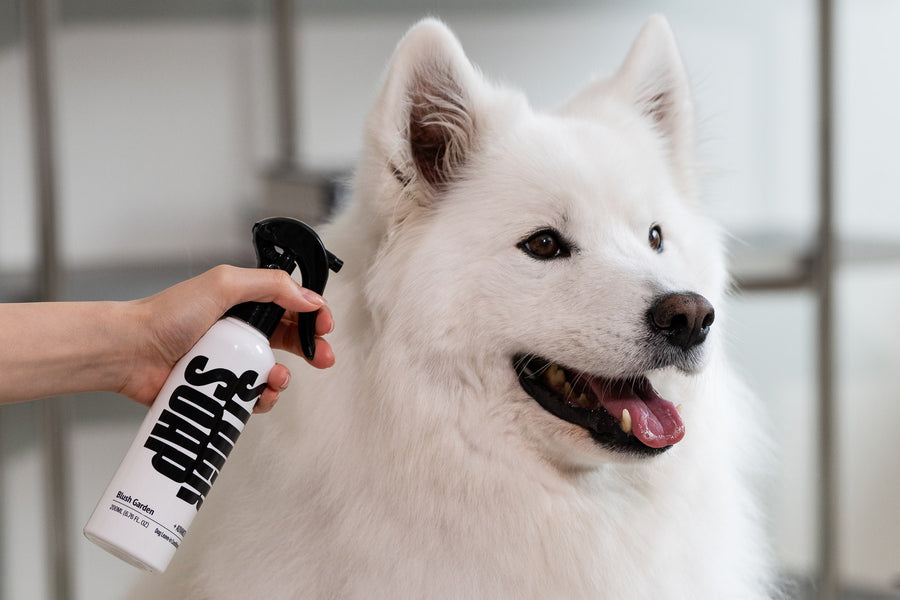
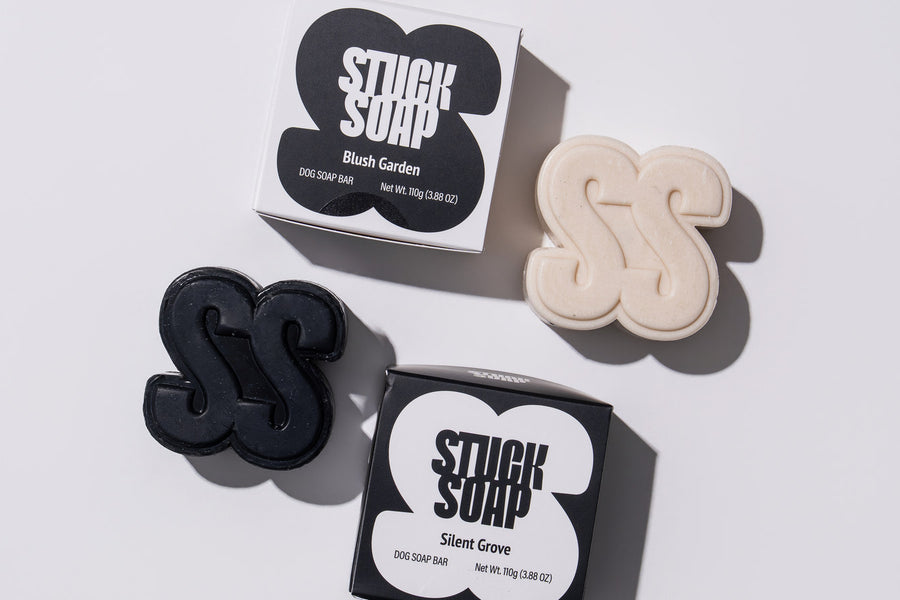
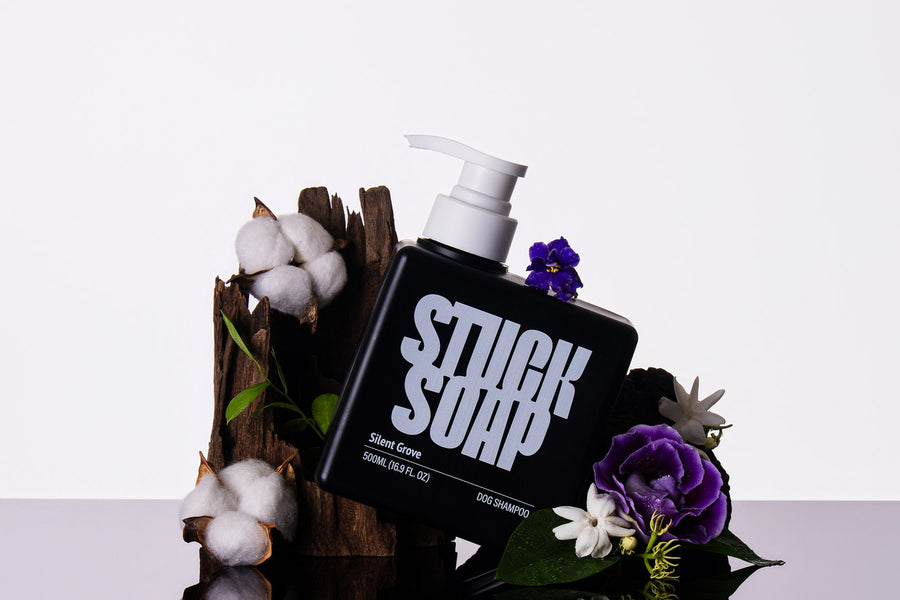
That philosophy is exactly what STUCK SOAP is built on, using botanicals that have genuinely been studied in a skin-care context. Our formulas feature green tea from Jeju Island, one of nature's most researched antioxidants thanks to its polyphenol EGCG; camellia oil, Korea's treasured "liquid gold" emollient for softness and shine; and Centella asiatica, the celebrated "cica" botanical known for calming sensitive skin. These are the same Jeju-sourced, plant-based ingredients that make jujube's category, antioxidant botanicals with deep Korean roots, so appealing in the first place.
Everything is delivered in a vegan, pH-balanced, sulfate-free wash designed to clean without stripping the skin barrier. That is the K-Beauty difference in practice: not chasing a single trendy fruit, but building the whole routine around gentleness and antioxidant nourishment. If you enjoy going down the botanical rabbit hole, jujube keeps good company with other antioxidant heroes we have explored, like schisandra berry, pomegranate, and the hanbang classic ginseng.
Practical Tips for Antioxidant Skin and Coat Care
Whether or not jujube ever makes it into your dog's bowl, you can put its underlying lesson to work today. Here is how to give your dog real antioxidant, barrier-first care:
Feed the coat from the inside. A complete, high-quality diet already supplies the antioxidants (vitamin E, beta-carotene, and others) that support skin and coat. Ask your vet before adding any supplement rather than relying on trendy fruits.
Wash gently, not often. Over-bathing and harsh, high-pH cleansers damage the very barrier antioxidants are meant to protect. Choose a pH-balanced, sulfate-free dog shampoo and bathe on a schedule that suits your dog's coat and lifestyle, not out of habit.
Support the barrier after every bath. A light, breathable botanical oil like camellia can help seal in moisture on a clean coat. Learn the full method in our guide to making your dog's coat shine.
Address dryness at the root. If your dog's skin is flaky or dull, a barrier-first routine usually helps more than any single "miracle" ingredient. Our walkthrough on how to fix dog dry skin lays out the steps.
Introduce new foods slowly, and keep pits away. With jujube or any pitted fruit, remove the stone completely, offer a tiny piece, and watch for any reaction before making it a habit.
Frequently Asked Questions
Can dogs eat jujube fruit?
In moderation, the fresh flesh of a jujube is generally considered non-toxic to dogs, but you must always remove the pit first, because it is a choking and obstruction hazard and the seed contains toxic cyanogenic compounds. Offer only a small piece occasionally, and skip it entirely for overweight, diabetic, or sensitive dogs. When in doubt, ask your veterinarian.
Is jujube good for a dog's skin and coat?
There are no canine studies on jujube for skin, so any benefit is unproven. In theory, its antioxidant polyphenols and hydrating polysaccharides could offer general support, but jujube's famous vitamin C matters far less for dogs because they make their own. A gentle, barrier-first routine with studied botanicals is a more reliable path to a healthy coat.
Why is jujube popular in K-Beauty?
Jujube, or Korean red date (daechu), is a traditional "hanbang" botanical with thousands of years of use in East Asia. K-Beauty prizes gentle, food-grade ingredients with cultural heritage and measurable antioxidant, soothing, and hydration benefits, and jujube extract fits that profile perfectly alongside ginseng and licorice root.
Can I put human jujube skincare on my dog?
No. Human skincare is formulated for human skin pH, which is more acidic than a dog's (roughly 6.2 to 7.5). Using human products on dogs can disrupt their skin barrier. Choose products made specifically for dogs, patch test first, and keep any topical away from eyes and areas your dog can lick.
What K-Beauty ingredients are actually used in dog shampoo?
Look for well-studied, gentle botanicals rather than trendy fruit extracts. STUCK SOAP uses Jeju green tea (antioxidant EGCG), camellia oil (a softening emollient), and Centella asiatica (a calming "cica" botanical) in a vegan, pH-balanced, sulfate-free formula designed to clean without stripping your dog's skin barrier.
The Bottom Line
Jujube is a lovely example of a K-Beauty ingredient with real antioxidant credentials and deep Korean roots, and it is fun to imagine that heritage extending to our dogs. But the honest takeaway is measured: jujube's skin benefits are documented in humans, not dogs, its signature vitamin C matters less to a species that makes its own, and the fruit demands genuine caution around pits and sugar. Explore it with curiosity, not hype.
The part that truly translates is the philosophy. Gentle cleansing, a respected skin barrier, and antioxidant-rich botanicals are exactly what keep a dog's skin comfortable and a coat glossy, and you can deliver all of that today with ingredients that have actually been studied for skin. That is the K-Beauty spa treatment your dog can genuinely benefit from.
Sources & References
- Exploring the Therapeutic Potential of Jujube (Ziziphus jujuba Mill.) Extracts in Cosmetics — Cosmetics (MDPI), 2024
- Wound Healing and Anti-Inflammatory Effects of an Ointment Containing Jujube Leaves Extract — Life (MDPI), 2022
- Can Dogs Eat Dates? — American Kennel Club
- Can Dogs Eat Jujube? Vet-Approved Nutritional Facts & FAQ — Hepper
- Effect of Dietary Antioxidants on Free Radical Damage in Dogs and Cats — NCBI/PMC
- Benefits of Antioxidants for Dogs and Cats — Hill's Pet Nutrition
Give Your Dog the K-Beauty Spa Treatment
You do not need a trendy fruit extract to give your dog antioxidant, barrier-first care. STUCK SOAP brings the K-Beauty philosophy to the bath with Jeju Island green tea, camellia oil, and Centella asiatica, in a vegan, pH-balanced formula that cleans deeply without stripping your dog's skin.
Shop Stuck Soap →Vegan · pH-Balanced · Jeju Island Botanicals · Zero Waste