


Open almost any Korean essence, sheet mask, or soothing serum and you'll find one quietly powerful botanical at the heart of the formula: lotus flower extract. Long before it became a K-Beauty obsession, the lotus (Nelumbo nucifera) was treasured across Korea, Japan, and India as a symbol of purity and resilience. Today, dermatology research is catching up with what Korean skincare formulators have known for generations — that lotus extract is rich in flavonoids, polyphenols, and natural antioxidants that protect and calm skin under stress.
So here's a question more dog parents are asking: if lotus extract is gentle enough for sensitive human skin and rooted in centuries of botanical tradition, could it also play a role in your dog's grooming routine? In this guide, we'll unpack the science behind lotus extract for dogs, explore where K-Beauty meets canine skincare, and explain why the broader Korean philosophy of "gentle, plant-first, barrier-friendly" is reshaping the way premium dog care is formulated.
You won't find lotus extract in every shampoo bottle on the shelf, and that's part of why it's worth talking about. As K-Beauty's influence expands from your bathroom counter to your dog's grooming caddy, ingredients like lotus represent the next wave of botanical pet care — quiet, ancient, and backed by emerging science.
Table of Contents
- What Is Lotus Extract? A K-Beauty Botanical With Ancient Roots
- The Science Behind Lotus Extract's Skin Benefits
- Lotus Extract for Dogs: What the Research Actually Says
- Why K-Beauty's Philosophy Fits Dog Skincare So Well
- How to Choose a Gentle, Botanical Dog Shampoo
- Practical Tips for a K-Beauty Inspired Bath Routine
- Frequently Asked Questions
- Sources & References
What Is Lotus Extract? A K-Beauty Botanical With Ancient Roots
Lotus extract is derived from Nelumbo nucifera, the sacred lotus, an aquatic plant native to Asia. Nearly every part of the plant — flower, stamen, leaf, seed, and root — has been used in traditional Korean and East Asian medicine for thousands of years. In K-Beauty, the flower and stamen extracts get the most attention because they're packed with antioxidants and bioactive compounds that support healthy skin.
Walk through Seoul's beauty districts and you'll see lotus extract featured in essences, toners, hydrating serums, and sheet masks. Brands often pair it with other Korean botanicals like green tea, ginseng, and centella asiatica to build multi-layered "skin food" formulations. The appeal is simple: lotus delivers gentle, hydrating, antioxidant care without irritating ingredients like sulfates or synthetic fragrances.
For Korean formulators, lotus represents the K-Beauty ideal — botanically rich, time-tested, gentle on the skin barrier, and elegant enough for daily use. It's that same philosophy that's now influencing how premium dog shampoos are made.
The Science Behind Lotus Extract's Skin Benefits
The reason K-Beauty formulators love lotus comes down to chemistry. Lotus flower extracts contain a powerful mix of polyphenols, flavonoids (including quercetin, kaempferol, and myricetin), and alkaloids that work together to neutralize free radicals and calm inflammation.
A 2024 scientific review published in the journal Plants analyzed the bioactivity of Nelumbo nucifera flower extracts and confirmed strong antioxidant and anti-inflammatory activity in vitro. Researchers identified phenolic compounds responsible for scavenging reactive oxygen species — the same free radicals that damage skin and accelerate aging in both humans and animals.
Other research has shown lotus extract's anti-inflammatory action is partly driven by quercetin and kaempferol, two flavonoids that suppress pro-inflammatory pathways. A study published in PMC found that lotus petal extracts inhibited TNF-α secretion in inflammation-induced macrophages, supporting their reputation as a calming botanical.
From a skincare standpoint, this translates into three core benefits: antioxidant protection against environmental stress, anti-inflammatory support for irritated skin, and gentle hydration without disrupting the skin barrier. Those are exactly the qualities Korean formulators prize in a "barrier-friendly" ingredient.
Lotus Extract for Dogs: What the Research Actually Says
Here's where we need to be honest. Most clinical studies on lotus extract have been conducted on human skin cells or in lab models, not on dogs. There isn't yet a robust body of canine-specific dermatology research focused on lotus.
That said, the broader science of botanical pet care is growing fast. A 2024 review published in PMC explored the role of plant extracts in dog and cat nutrition and skin health, concluding that botanicals offer real potential for improving common skin and coat conditions when properly formulated and dosed. A separate 2019 systematic review in BMC Veterinary Research found medicinal plants are increasingly being studied as topical options in canine dermatology, with promising early results.
Canine skin shares some core mechanisms with human skin — it relies on a healthy lipid barrier, it suffers from oxidative stress, and it responds to inflammation. So while we can't claim lotus extract has been studied directly on Labradors or Poodles, the antioxidant and anti-inflammatory benefits documented in lab research are biologically relevant to dogs too.
The key, as any veterinary dermatologist will say, is concentration and formulation. Lotus extract in a properly diluted, pH-balanced dog shampoo could plausibly contribute soothing and antioxidant support. The same extract at high human-cosmetic concentrations, or paired with the wrong carrier ingredients, would not be appropriate for pets. This is why ingredient sourcing and formulation expertise matter so much in premium dog grooming.
Why K-Beauty's Philosophy Fits Dog Skincare So Well
You don't need lotus extract specifically to benefit from K-Beauty thinking. The broader philosophy is what's quietly transforming premium dog grooming.
Korean skincare is built on three principles that translate beautifully to canine care. First, prioritize the skin barrier — never strip it. Harsh detergents leave dogs itchy, flaky, and prone to recurring odor. Second, layer gentle botanicals instead of relying on aggressive chemicals. Third, respect pH balance — Korean formulators are obsessive about pH, and so are dermatology vets, because canine skin sits at a slightly different pH than human skin and reacts poorly to mismatched products.
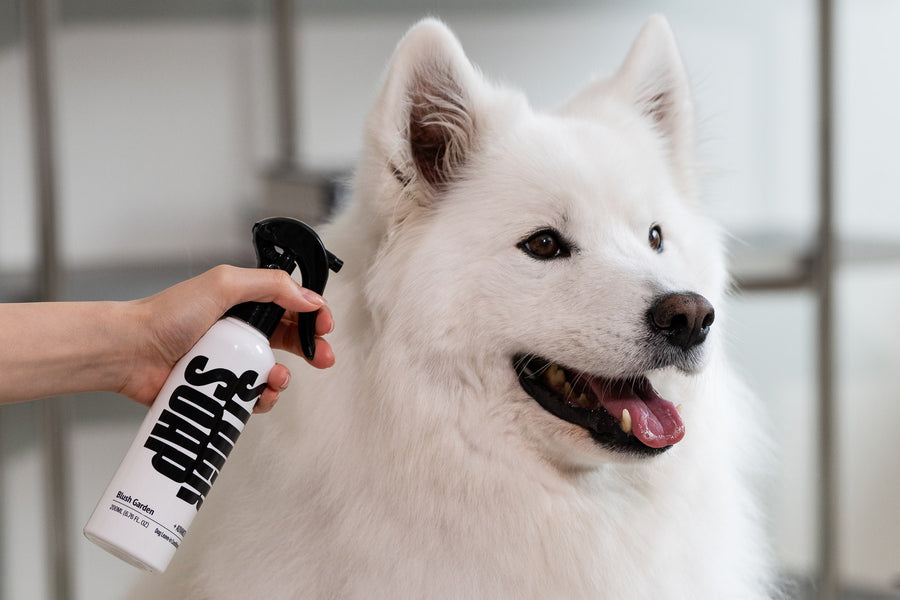
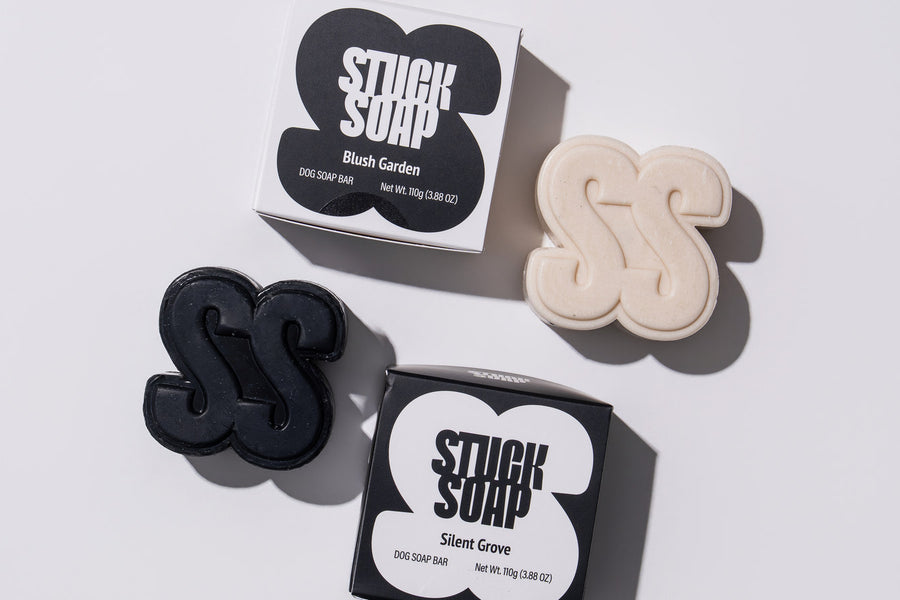
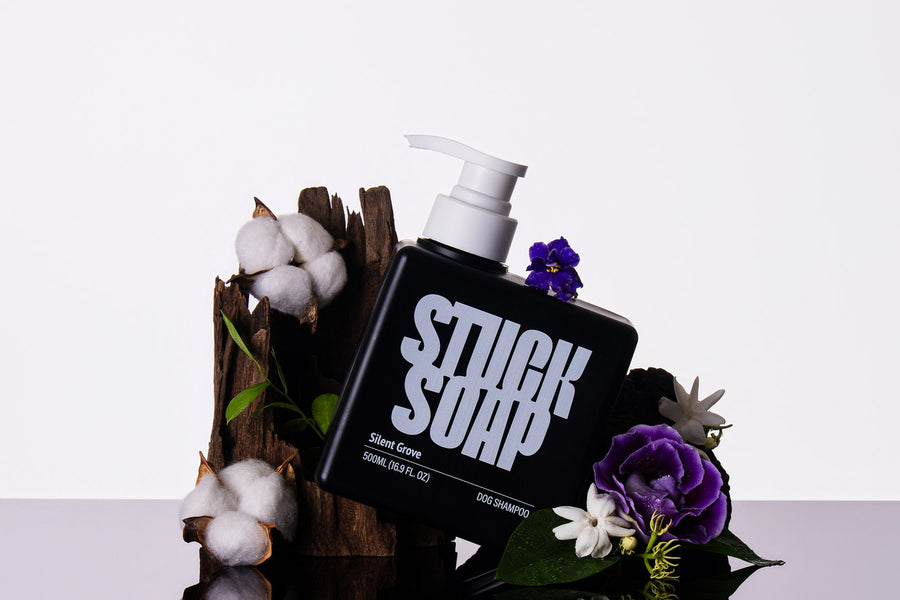
This is exactly the framework Stuck Soap is built around. Our K-Beauty inspired dog shampoo is pH balanced for canine skin, vegan, and built around gentle Jeju Island botanicals like green tea, camellia oil, and centella asiatica. These aren't trend ingredients — they're the same ingredients Korean dermatologists have used in human skincare for decades, reformulated for dogs.
Whether lotus extract joins our future botanical lineup or stays a complementary K-Beauty ingredient for now, the underlying logic is the same: gentle, plant-based, barrier-friendly formulas work better for dogs than aggressive conventional shampoos. Once you've experienced the difference, it's hard to go back.
How to Choose a Gentle, Botanical Dog Shampoo
If lotus extract has put K-Beauty for dogs on your radar, here's how to evaluate any shampoo claiming to be botanical or gentle.
Start with the ingredient list. The first three to five ingredients dominate the formula, so that's where the real story lives. Look for botanical extracts like green tea, centella asiatica, camellia oil, lotus, mugwort, or chamomile. These are the soothing, antioxidant-rich ingredients K-Beauty favors.
Next, watch for what's missing. A good botanical dog shampoo skips harsh sulfates (SLS, SLES), artificial dyes, parabens, and synthetic fragrances. These ingredients strip the skin barrier and can trigger irritation, especially in dogs with sensitive skin or allergies.
Then check pH. Dog skin sits roughly between pH 5.5 and 7.5, slightly higher than human skin. Shampoos formulated for humans can throw off this balance and lead to dryness or itching. A canine-pH-balanced label is essential.
Finally, consider the experience. K-Beauty places value on the ritual itself — the texture, the lather, the scent. A premium botanical shampoo should feel luxurious, smell elegant rather than artificial, and leave the coat soft and fresh without that fake "perfume" residue. Stuck Soap's K-Beauty inspired collection was designed around exactly that experience.
Practical Tips for a K-Beauty Inspired Bath Routine
Adopting a K-Beauty approach to dog grooming doesn't require an elaborate 10-step routine. A few simple tweaks can transform bath time.
Brush before the bath. Removing loose hair and tangles first lets the shampoo do its actual job — cleaning the skin, not fighting through a mat of dirty fur. This is the canine equivalent of "double cleansing" in Korean skincare.
Use lukewarm water. Hot water strips natural oils from the coat and can dry out the skin. K-Beauty is all about preserving moisture; the same principle applies to your dog.
Massage, don't scrub. Work the shampoo into a gentle lather and massage it into the coat with your fingertips. This boosts circulation, helps the botanical actives penetrate the coat and skin, and turns bath time into a calming ritual rather than a wrestling match.
Rinse thoroughly. Residual shampoo is one of the top causes of post-bath itching. Rinse until the water runs completely clear, then rinse a little longer just to be safe.
Pat dry, then air-dry or use a low-heat dryer. Aggressive towel-drying creates friction that damages the cuticle of each hair, leading to frizz and dullness. A gentle dry preserves the shine you just worked to bring out.
This is the K-Beauty philosophy in motion — gentle, intentional, ritualistic. Whether your shampoo features lotus, green tea, camellia, or all three, the routine matters as much as the ingredient.
Frequently Asked Questions
Is lotus extract safe for dogs in shampoo?
Lotus extract (Nelumbo nucifera) is generally considered a gentle botanical with antioxidant and anti-inflammatory properties. At the diluted concentrations used in properly formulated dog shampoos, it's plausible to be well tolerated. Always patch-test any new product on your dog and consult your veterinarian if your dog has sensitive skin, allergies, or pre-existing conditions.
What does lotus extract do for skin?
Lotus extract is rich in flavonoids like quercetin and kaempferol, which provide antioxidant protection against free radical damage and help calm inflammation. In K-Beauty, it's used for its skin-brightening, hydrating, and soothing properties, particularly in essences, serums, and sheet masks.
What's the difference between lotus extract and lotus oil?
Lotus extract is typically a water-based or glycerin-based concentrate of the active compounds in lotus flowers, leaves, or roots. Lotus oil refers to an essential oil distilled from the flower, which is much more concentrated. Extracts are more commonly used in K-Beauty skincare for their gentleness; pure essential oils should generally not be applied directly to dogs without veterinary guidance.
Can I use my K-Beauty face products on my dog?
No. Human skincare products are formulated for human skin pH (around 4.7 to 5.75), while canine skin sits at roughly pH 5.5 to 7.5. Using human products on dogs can disrupt their skin barrier and cause irritation. Always choose products formulated specifically for dogs, even if the underlying ingredients overlap with K-Beauty favorites.
What K-Beauty ingredients are actually in Stuck Soap?
Stuck Soap is formulated around three core K-Beauty botanicals sourced from Jeju Island, Korea: green tea (antioxidant), camellia oil (deep moisture and coat shine), and centella asiatica (skin-soothing). Each shampoo is pH balanced for canine skin, vegan, and free of sulfates, parabens, and artificial dyes.
A Quiet Revolution in Dog Grooming
Lotus extract may not be in every dog shampoo on the market, but the conversation it represents matters. As K-Beauty's "skinification" of pet care continues, dog parents are starting to ask better questions about what's actually in the products they bring home. Gentle botanicals like lotus, centella, green tea, and camellia oil aren't just marketing buzzwords — they're a return to skin-friendly, plant-first care backed by both tradition and emerging science.
If your dog has sensitive skin, occasional flaking, or just deserves a more elegant grooming experience, exploring K-Beauty inspired dog shampoos is a smart next step. The lotus may not always be in the bottle, but the philosophy behind it absolutely is.
Sources & References
- Chemical Composition and Bioactivity of Nelumbo nucifera Gaertn. Flower Extract Fractions — National Library of Medicine (PMC)
- Phytochemicals and Immunomodulatory Effect of Nelumbo nucifera Flower Extracts on Human Macrophages — PMC
- Skin-Whitening Effect of a Callus Extract of Nelumbo nucifera Isolate Haman — PubMed
- The Role of Plant Extracts in Enhancing Nutrition and Health for Dogs and Cats — PMC
- Medicinal plants as therapeutic options for topical treatment in canine dermatology? A systematic review — BMC Veterinary Research
- Home Remedies for Dry Dog Skin — AKC Pet Insurance
Give Your Dog the K-Beauty Spa Treatment
Lotus extract may be K-Beauty's quiet hero, but Stuck Soap is built on the same Korean philosophy of gentle botanicals, barrier-friendly pH, and zero unnecessary chemicals. Formulated with Jeju Island green tea, camellia oil, and centella asiatica for the kind of soft, healthy coat your dog deserves.
Shop Stuck Soap →Vegan · pH-Balanced · Jeju Island Botanicals · Zero Waste