


If you have spent any time exploring Korean skincare lately, you have probably met a humble green called purslane. It shows up in soothing toners, calming essences, and sensitive-skin serums, usually under its botanical name, Portulaca oleracea. So it is only natural that curious pet parents start typing "purslane for dogs" into the search bar, wondering whether this omega-3-rich, redness-calming superstar could do for their pup's itchy skin what it does for a flushed human complexion.
Here is the honest, two-sided answer up front. On the science side, purslane is genuinely impressive: it is one of the richest plant sources of omega-3 fatty acids on the planet, and lab research shows real anti-inflammatory and skin-barrier-supporting activity. On the safety side, there is a catch that every dog owner needs to know before anything else. The fresh purslane plant growing in your garden is listed by the ASPCA as toxic to dogs.
This guide walks through what purslane actually is, why K-beauty formulators love it, what its skin science might mean for dogs, and, most importantly, how to think about safety. We will also point you toward the soothing K-beauty botanicals your dog's skin can genuinely rely on.
Table of Contents
- What Is Purslane? K-Beauty's Omega-3 "Weed"
- Why K-Beauty Loves Purslane Extract
- Purslane and Your Dog's Skin: What the Science Suggests
- Is Purslane Safe for Dogs? The Part You Cannot Skip
- The Smarter K-Beauty Approach for Your Dog
- Practical Tips You Can Use Today
- Frequently Asked Questions
- Sources & References
What Is Purslane? K-Beauty's Omega-3 "Weed"
Purslane (Portulaca oleracea) is a low-growing succulent with plump, paddle-shaped leaves and reddish stems. Most gardeners know it as a stubborn weed that pops up between paving stones. Herbalists across Korea, China, the Mediterranean, and the Middle East have known it as something far more valuable: a food and folk remedy used to soothe wounds and inflammation for literally thousands of years.
In Korea it is called 쇠비름, and its extract has been quietly rebranded by the beauty world simply as "purslane extract." Do not let the weed reputation fool you. Ounce for ounce, this little plant is a nutritional powerhouse.
Purslane is widely cited as the richest source of omega-3 alpha-linolenic acid (ALA) of any leafy green vegetable, containing roughly 300 to 400 mg of ALA per 100 grams of fresh leaves. Research comparing greens found purslane packs about 8.5 mg of total fatty acids per gram of fresh weight, versus just 1.7 mg for spinach. Most unusually for a plant, it even contains trace amounts of EPA, a long-chain omega-3 normally found only in fish and other marine sources.
Beyond fatty acids, purslane delivers glutathione, vitamins A, C, and E, beta-carotene, magnesium, potassium, and vibrant plant pigments called betalains. That combination of omega-3s plus antioxidants is exactly why skincare chemists took notice.
Why K-Beauty Loves Purslane Extract
In the Korean cosmetics industry, purslane extract has earned a reputation as a gentle "vegan cica," a plant-based answer to calming sensitive, reactive skin. It rarely works alone. Formulators love to pair it with other soothing heroes such as green tea extract, Centella asiatica, and vitamin C to amplify the calming, antioxidant effect.
The research behind that reputation is substantial. A comprehensive 2023 pharmacology review found that Portulaca oleracea reduces key inflammatory messengers in the body, including tumor necrosis factor-alpha (TNF-α), several interleukins, and nitric oxide. In plain terms, it helps turn down the volume on the inflammatory signals that drive redness, swelling, and irritation.
Its antioxidant story is just as strong. The glutathione, vitamin C, and vitamin E in purslane work together to neutralize free radicals, the unstable molecules generated by UV exposure and environmental stress that accelerate skin aging. Meanwhile, natural polysaccharides in the plant act as humectants, drawing moisture into the skin to support hydration and a smoother surface.
Perhaps most compelling for anyone interested in barrier health, a 2025 study published in Frontiers in Pharmacology reported that aqueous purslane extract helped alleviate atopic dermatitis in a model system by restoring skin barrier function. Purslane has also been studied for wound healing, where it appears to encourage collagen synthesis and the growth of new blood vessels. For skin that is inflamed, dry, or compromised, that is a genuinely appealing profile.
Purslane and Your Dog's Skin: What the Science Suggests
Here is where we need to be clear and careful. Almost all of the research above was conducted on human skin, in cell cultures, or in laboratory models. There are, at the time of writing, no published clinical trials studying purslane specifically on canine skin. So anything we say about dogs is exploration of the possibilities, not an established fact or a promise.
That said, the underlying biology is worth understanding, because several of purslane's mechanisms map onto things that genuinely matter for dogs. Canine skin depends on a healthy lipid barrier to lock in moisture and keep irritants out, and essential fatty acids are central to building that barrier. Veterinary dermatology research has long shown that omega fatty acids can support the canine skin barrier and help calm inflammatory skin conditions from the inside. Purslane's exceptional omega-3 content is what makes it theoretically interesting in that conversation.
Its anti-inflammatory and antioxidant activity is also relevant, at least in principle, because so many common dog skin frustrations, from seasonal allergies to general itchiness, are rooted in inflammation and oxidative stress. Ingredients that soothe reactive skin are always worth a closer look for pups that scratch, lick, or flake.
But there is a serious catch, and it is the reason this article does not end with "so sprinkle some purslane on your dog." The most likely way a dog would ever encounter this plant is by grazing on it in the yard, and that is exactly the wrong way to meet purslane. Let's talk about why.
Is Purslane Safe for Dogs? The Part You Cannot Skip
According to the ASPCA, purslane is toxic to dogs. The toxic principle is soluble calcium oxalates, natural compounds in the plant that can cause problems when your dog eats it.
If a dog chews or swallows fresh purslane, those oxalates can trigger oral irritation with an intense burning sensation of the mouth, tongue, and lips, along with excessive drooling, vomiting, difficulty swallowing, and diarrhea. In larger amounts, soluble oxalates can bind calcium and create a metabolic imbalance, with signs such as weakness and tremors. In severe cases, there is a risk of kidney damage, which can be irreversible. This is not a reason to panic over a single nibble, but it is a firm reason to keep your dog from grazing on purslane in the garden.
So how do we square that with a plant that is celebrated in skincare? The key is the difference between the raw plant and a purified, cosmetic-grade extract. In human K-beauty products, purslane appears as a carefully processed, heavily diluted extract, not a handful of leaves. Topical use on intact skin is a completely different exposure than eating the plant. Even so, because there are no canine safety studies on purslane extract, the responsible position is caution: this is not an ingredient to DIY onto your dog, and human products are never a safe substitute for dog-formulated ones.
Remember that canine skin has a different, more neutral pH than human skin, roughly 6.2 to 7.5 versus around 4.7 to 5.5 for people. Products calibrated for a human face can disrupt a dog's protective barrier. Dogs also groom by licking, so anything you apply topically can end up ingested. That combination is precisely why purslane belongs in the "interesting to explore, handle with care" column rather than the "reach for it today" column.
If you ever suspect your dog has eaten purslane, contact your veterinarian, the ASPCA Animal Poison Control Center at (888) 426-4435, or the Pet Poison Helpline at (855) 764-7661 right away.
The Smarter K-Beauty Approach for Your Dog
Here is the encouraging part. You do not need to chase a trendy, thorny weed to give your dog the benefits that make purslane exciting. What matters is the philosophy behind it: gentle, barrier-respecting, plant-powered soothing. And that philosophy is already available in forms proven safe and appropriate for dogs.
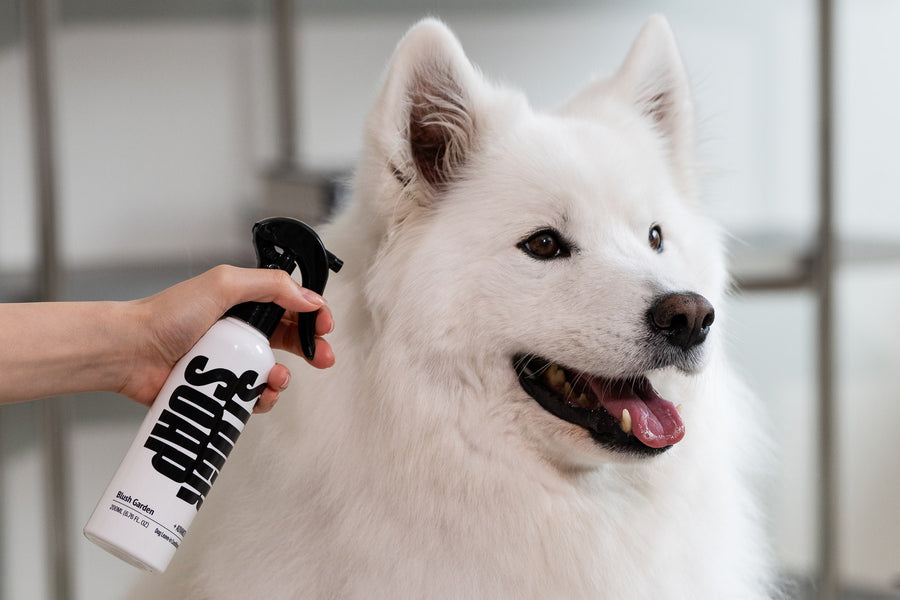
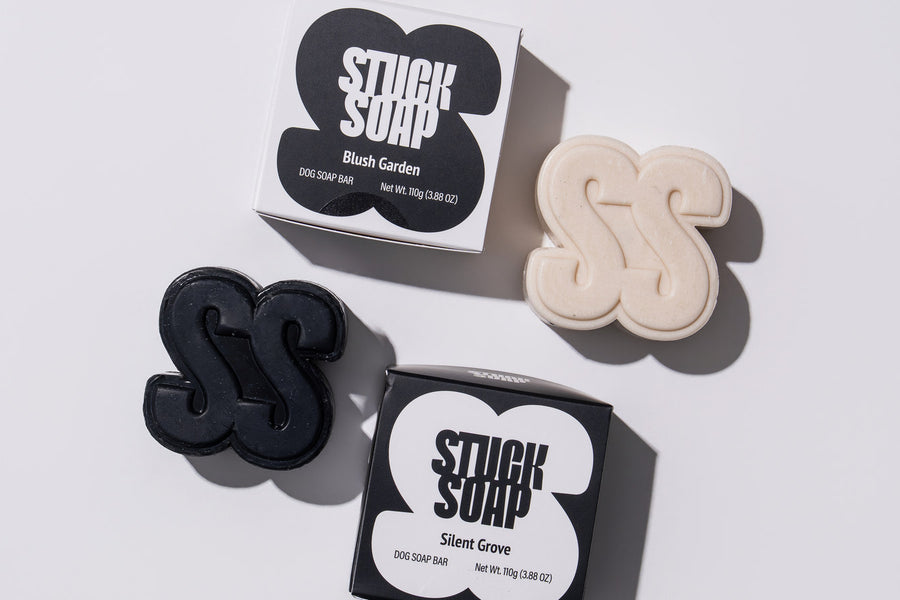
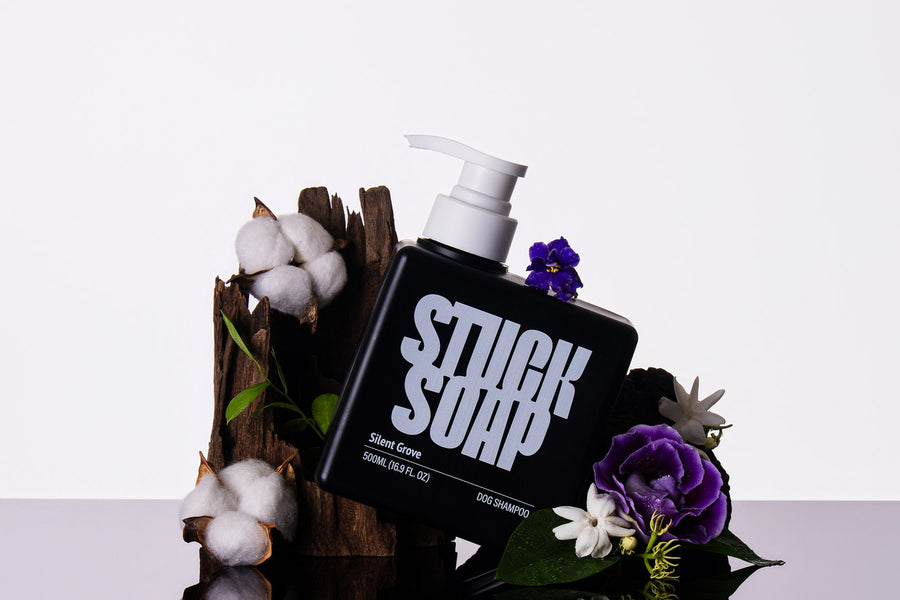
Remember how purslane is almost always paired with Centella asiatica and green tea in Korean formulas? Those two botanicals are the soothing K-beauty ingredients your dog's skin can actually trust, and they happen to be exactly what STUCK SOAP is built around. Our formulas use Centella asiatica, the original "cica" ingredient purslane is so often compared to, prized for calming and comforting sensitive skin. They also feature antioxidant-rich green tea from Jeju Island, the same antioxidant partner K-beauty loves to blend with purslane.
Unlike a garden weed of uncertain safety, these botanicals are formulated specifically for canine skin: pH-balanced, vegan, and gentle enough for regular bathing. For coat nourishment and moisture, plant oils like camellia oil deliver a lightweight, conditioning shine without the risks that come with feeding your dog the wrong plant.
If you love the idea of omega-nourished, calm, resilient skin, you can pursue it responsibly. Support your dog's barrier with vet-guided omega supplementation, other gentle soothing botanicals such as aloe vera and colloidal oatmeal, and a consistent, gentle bathing routine designed for dogs. That is the K-beauty spirit of purslane, delivered the safe way.
Practical Tips You Can Use Today
If purslane has caught your attention, here is how to act on that curiosity wisely:
- Check your garden and walking routes. Purslane grows fast in warm months and spreads between pavers and flower beds. Learn to recognize it, and discourage your dog from grazing on it.
- Never feed fresh purslane to your dog. The ASPCA lists it as toxic due to soluble calcium oxalates. Skip it as a treat or "healthy green," no matter how nutritious it is for humans.
- Do not apply human purslane skincare to your dog. Human products are formulated for a different skin pH, and dogs lick what you apply. Choose products made specifically for dogs.
- Look for proven soothing botanicals instead. Centella asiatica and green tea deliver the same calming, antioxidant spirit purslane is famous for, in dog-appropriate hydration-focused formulas.
- Support the barrier from within. Ask your vet about omega-3 and omega-6 supplementation, which has real veterinary evidence behind it for skin and barrier health.
- Patch test everything new. Whenever you introduce a new topical product, apply a small amount, wait 24 hours, and watch for any redness or irritation before full use.
Frequently Asked Questions
Can dogs eat purslane?
No. The ASPCA lists purslane (Portulaca oleracea) as toxic to dogs because of soluble calcium oxalates. Eating it can cause mouth irritation, drooling, vomiting, diarrhea, weakness, and in severe cases kidney damage. Keep your dog from grazing on it and call your vet if they ingest any.
Is purslane extract in skincare safe for dogs?
Cosmetic-grade purslane extract used topically is a very different exposure than eating the raw plant, but there are no published safety studies on purslane extract in dogs. Because dogs lick treated areas and have a different skin pH than humans, avoid DIY use and never apply human products. Stick with dog-formulated skincare.
What are the skin benefits of purslane?
In human and laboratory research, purslane is valued for being rich in omega-3 fatty acids and antioxidants like glutathione and vitamins C and E. It shows anti-inflammatory activity, humectant hydration from its polysaccharides, and, in one 2025 study, support for restoring skin barrier function.
What K-beauty ingredients are actually safe for my dog's skin?
Centella asiatica and green tea extract are two well-loved K-beauty botanicals that are gentle and appropriate for dogs when used in products formulated for canine skin. They offer the same soothing, antioxidant benefits purslane is prized for, without the toxicity risk of the raw plant.
My dog ate purslane from the yard. What should I do?
Watch for drooling, pawing at the mouth, vomiting, diarrhea, weakness, or tremors, and contact your veterinarian, the ASPCA Animal Poison Control Center at (888) 426-4435, or the Pet Poison Helpline at (855) 764-7661 promptly. Have an idea of how much your dog ate if you can.
The Bottom Line
Purslane is a fascinating ingredient. It earns its K-beauty fame with a rare combination of plant omega-3s, antioxidants, and barrier-supporting, anti-inflammatory science. For your dog, though, the story is defined by one non-negotiable fact: the fresh plant is toxic if eaten, so this is a "handle with care and explore responsibly" ingredient, not a home remedy.
The good news is that the calming, plant-powered philosophy that makes purslane appealing is already yours to use safely. Reach for dog-formulated products built on proven soothing botanicals, and you give your pup the best of the K-beauty approach without the risk.
Sources & References
- Purslane: Toxic and Non-Toxic Plants — ASPCA
- Purslane (Portulaca oleracea): A Prospective Plant Source of Nutrition, Omega-3 Fatty Acid, and Antioxidant Attributes — U.S. National Library of Medicine (PMC)
- Aqueous Extracts of Portulaca oleracea L. Alleviate Atopic Dermatitis by Restoring Skin Barrier Function — Frontiers in Pharmacology (2025)
- Phytochemical Characteristics and Anti-Inflammatory, Immunoregulatory, and Antioxidant Effects of Portulaca oleracea L.: A Comprehensive Review — PMC (2023)
- Portulaca Oleracea Extract (Purslane) in Skin Care Explained — Skin Type Solutions
Give Your Dog the K-Beauty Spa Treatment
Purslane makes headlines, but the soothing K-beauty botanicals your dog can truly trust are the proven ones. STUCK SOAP is built on Centella asiatica and antioxidant-rich Jeju green tea, pH-balanced and vegan, so your pup gets calm, comfortable, barrier-friendly skin the safe way.
Shop Stuck Soap →Vegan · pH-Balanced · Jeju Island Botanicals · Zero Waste