


If you've ever flipped over your favorite Korean serum and read the ingredient list, you've almost certainly seen tocopherol near the end. That's vitamin E, and it's one of the most reliable antioxidants in all of skincare. In K-Beauty especially, it shows up in nearly every essence, oil, and barrier cream as the quiet workhorse that protects everything else in the formula. So it's worth asking: if vitamin E for dogs' skin works the same way it does for ours, could this humble vitamin be doing more for your pup than you realize?
The short answer is yes, with some important nuances. Vitamin E is one of the few K-Beauty heroes with a strong track record in veterinary medicine. Dogs need it in their diet to stay healthy, and it's a vet-recommended option for certain dry, flaky, and irritated skin situations. That sets it apart from many trending ingredients we explore here, where the canine science is still catching up.
In this guide, we'll explain what vitamin E actually does, why it matters for your dog's skin and coat, the difference between topical and dietary use, and how to use it safely. We'll also connect it back to the gentle, antioxidant-first philosophy that makes K-Beauty such a good fit for dog grooming.
Table of Contents
- What Is Vitamin E? The K-Beauty Antioxidant Explained
- Why Vitamin E Matters for Your Dog's Skin and Coat
- The Science: How Vitamin E Protects the Skin Barrier
- Topical vs. Dietary Vitamin E for Dogs
- How to Use Vitamin E Safely: Dosage and Cautions
- The K-Beauty Connection: Antioxidants in Your Dog's Routine
- Frequently Asked Questions
- Sources & References
What Is Vitamin E? The K-Beauty Antioxidant Explained
Vitamin E isn't a single molecule. It's a family of eight fat-soluble compounds, the most active of which is alpha-tocopherol. On a skincare label it usually appears as "tocopherol" or "tocopheryl acetate," and it has earned a permanent place in formulations for one reason: it's an exceptional antioxidant.
Here's what that means in plain terms. Every day, skin is bombarded by free radicals, which are unstable molecules created by UV light, pollution, and normal metabolism. Free radicals damage cells by stealing electrons from healthy molecules, a process called oxidation. Vitamin E works by donating its own electrons to neutralize those free radicals before they can do harm, according to the Cleveland Clinic.
Because vitamin E is fat-soluble, it integrates directly into the lipid layer of your cell membranes. That's a big deal: it means it can stand guard inside the very structures that water-soluble antioxidants can't reach. In human skin, research suggests vitamin E may be the dominant antioxidant in the outermost layer, the stratum corneum. K-Beauty formulators love it because it stabilizes oils, extends the life of other actives, and quietly reinforces the skin barrier all at once.
Why Vitamin E Matters for Your Dog's Skin and Coat
Your dog's skin faces the same oxidative pressures yours does. Sun exposure on a midday walk, urban pollution, seasonal allergens, and the natural aging process all generate free radicals that can leave skin dry, dull, and inflamed. This is exactly where vitamin E earns its reputation in canine care.
According to veterinary and pet-nutrition sources, vitamin E supports skin and coat health in several connected ways. It contributes to healthy skin-cell function, which helps reduce flakiness and itchiness tied to oxidative stress. It supports sebum quality, the natural oil that keeps a coat soft and glossy rather than brittle. And it can support hair regrowth when shedding or thinning is linked to oxidative damage, poor skin health, or chronic inflammation.
One honest caveat matters here. Vitamin E is not a cure-all. It won't fix hair loss caused by hormonal conditions like hypothyroidism or Cushing's disease, genetic alopecia, or scarring. And when a dog is itchy because of allergies, infection, irritants, or parasites, vitamin E may ease the discomfort but it can't resolve the root cause on its own. Think of it as a supportive player on a larger team, not a standalone treatment.
The Science: How Vitamin E Protects the Skin Barrier
The skin barrier is the outermost wall of cells and lipids that keeps moisture in and irritants out. When it's healthy, your dog's skin stays supple and resilient. When it's compromised, you see the familiar signs: dryness, flaking, redness, and that maddening scratch-scratch-scratch.
Vitamin E protects this barrier on two fronts. First, as an antioxidant, it shields the fragile fats in the barrier from oxidation. This is especially relevant for dogs because their skin and coat rely heavily on polyunsaturated fatty acids (PUFAs), the same omega oils that make a coat shine. Those fats are prone to going rancid through oxidation, and vitamin E is the body's built-in preservative for them. In fact, canine nutritionists note that the more PUFAs in a dog's diet, the more vitamin E the body needs to protect them.
Second, in human studies, topical vitamin E has been shown to support the lipid matrix that prevents water loss and even to encourage ceramide production. While dog skin differs from ours (it's thinner and has a more neutral pH), the underlying biology of oxidation and barrier lipids is shared across mammals. That's the bridge K-Beauty thinking is built on: gentle, barrier-supporting antioxidants that suit human skin tend to translate well to a dog's delicate skin too.
Topical vs. Dietary Vitamin E for Dogs
There are two very different ways vitamin E reaches your dog's skin, and it's worth understanding both.
Dietary vitamin E is essential. Dogs cannot make it themselves, so they have to get it from food. Most complete, balanced commercial dog foods already include it (AAFCO guidelines set a minimum of 50 IU per day for adult dogs), and it's also found naturally in foods like sunflower oil, safflower oil, wheat germ, spinach, and broccoli. Dietary vitamin E works from the inside out, protecting cells throughout the whole body, coat included.
Topical vitamin E is the spot treatment. Vets sometimes recommend it for localized dry, cracked, or healing skin, such as a crusty nose, elbow calluses, or small flaky patches. Applied to the right area, it can soften and soothe. The key is that topical and dietary vitamin E solve different problems: dietary keeps the whole system stocked, while topical targets a specific trouble spot.
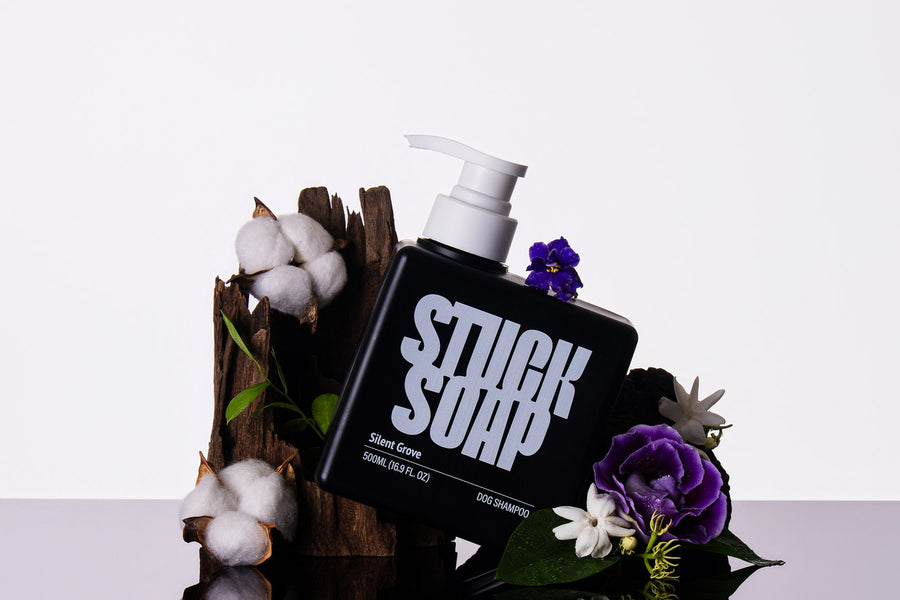
For everyday coat health, though, the most practical option for most dogs is neither a capsule nor a dab of oil. It's a well-formulated shampoo. A gentle wash with naturally antioxidant-rich botanicals supports the skin during a routine your dog already gets, no pills or messy oils required.
How to Use Vitamin E Safely: Dosage and Cautions
Vitamin E is generally very safe for dogs, and true overdoses are rare. But "fat-soluble" comes with a catch: unlike water-soluble vitamins that flush out in urine, vitamin E accumulates in body fat and the liver. That means more is not better, and supplementing without guidance can cause problems.
Here are the practical guardrails, drawn from veterinary sources:
- Talk to your vet first. Because vitamin E builds up and can interact with other fat-soluble vitamins (A, D, and K), never start an oral supplement without your veterinarian's sign-off. They can confirm your dog actually needs it and set the right dose.
- Respect the dosage range. A commonly cited supplemental range is roughly 2 to 3 IU per pound of body weight per day, with large dogs often capped around 400 IU daily. Your vet's specific guidance always wins.
- Dilute topical oil. If you apply vitamin E oil from a capsule, dilute it with a carrier oil such as coconut or olive oil (about 1:1) to reduce the risk of irritation, then massage gently into the dry area.
- Never on open wounds or infections. Topical vitamin E is for dry, intact skin, not broken, oozing, or infected areas, which need veterinary care.
- Be patient. Skin and coat changes are slow. Maximum benefits from consistent use are typically seen around 8 to 12 weeks.
- Watch for excess. At very high doses, vitamin E can cause GI upset and may interfere with normal blood clotting, so stick to recommended amounts.
The K-Beauty Connection: Antioxidants in Your Dog's Routine
Vitamin E rarely works alone. In K-Beauty formulations it's almost always paired with other antioxidants because they reinforce one another. The classic example is vitamin C and vitamin E, which are more effective together than either is on its own. This "antioxidant network" approach is one of the hallmarks of Korean skincare, and it's exactly the philosophy that makes K-Beauty such a natural fit for dog grooming: layer gentle, complementary ingredients rather than relying on one harsh active.
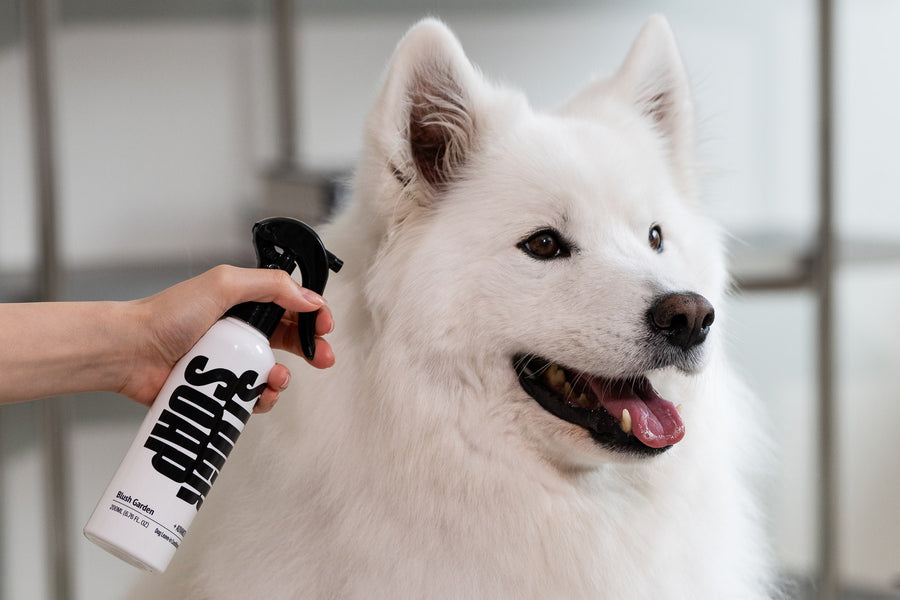
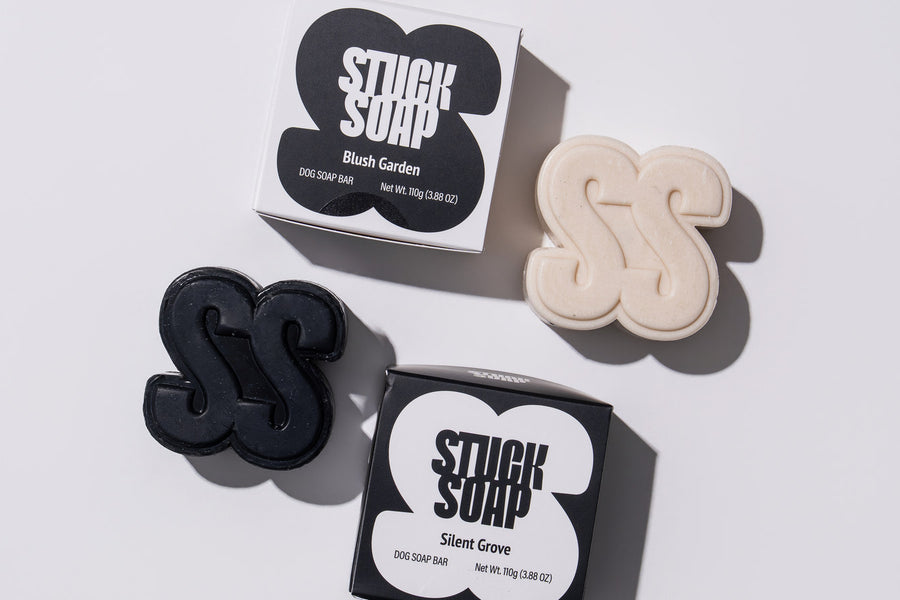
This is where STUCK SOAP's approach lines up beautifully. Our formulas are built around Jeju Island botanicals like green tea, a powerhouse antioxidant in its own right, alongside camellia oil, which is naturally rich in vitamin E and the very oil Korean women have used for generations to keep hair glossy. In other words, you don't have to chase down a vitamin E capsule to give your dog antioxidant support at bath time. A thoughtfully formulated, pH-balanced wash delivers those botanical antioxidants gently, as part of a routine your dog already enjoys.
The takeaway is simple. Vitamin E is one of the rare K-Beauty ingredients that's equally at home on a human bathroom shelf and in your dog's wellness routine. Used wisely, it protects the skin barrier, supports a softer and shinier coat, and reflects the bigger K-Beauty truth: gentle, antioxidant-rich care is good care, whether the skin in question is yours or your dog's.
Frequently Asked Questions
Is vitamin E good for dogs' skin?
Yes. Vitamin E is an antioxidant that supports healthy skin-cell function, helps reduce flakiness and itchiness linked to oxidative stress, and contributes to a softer, glossier coat. It works best as part of a complete skin-and-coat plan rather than a standalone fix.
Can I put vitamin E oil directly on my dog?
You can apply it to small areas of dry, intact skin, such as a crusty nose or elbow calluses, but dilute it first with a carrier oil like coconut or olive oil (roughly 1:1) to avoid irritation. Never apply it to open wounds or infected areas, and check with your vet for anything beyond minor dryness.
How much vitamin E can a dog have?
Adult dogs need at least 50 IU daily per AAFCO guidelines, usually met by complete commercial food. For supplementation, a commonly cited range is about 2 to 3 IU per pound of body weight per day, often capped near 400 IU for large dogs. Always confirm the dose with your veterinarian, since vitamin E is fat-soluble and accumulates in the body.
Does my dog get enough vitamin E from food?
Most dogs on a complete, balanced commercial diet already get adequate vitamin E. Natural sources include sunflower oil, safflower oil, wheat germ, spinach, and broccoli. Extra supplementation is only needed in specific situations identified by your vet.
How long does vitamin E take to work on a dog's coat?
Skin and coat changes are gradual. With consistent, appropriate use, most owners see maximum benefits around 8 to 12 weeks.
A Gentle, Antioxidant-First Takeaway
Vitamin E proves that the best ingredients don't have to be flashy. It's the dependable antioxidant working behind the scenes in your favorite K-Beauty products and, with your vet's guidance, a genuine ally for your dog's skin and coat. Pair it with the broader K-Beauty mindset of gentle, layered, antioxidant-rich care, and you're giving your dog something better than a trend: a routine built on real skin science.
Sources & References
Give Your Dog the K-Beauty Spa Treatment
Antioxidant care shouldn't mean extra pills or messy oils. STUCK SOAP's pH-balanced, vegan formulas pair Jeju green tea with vitamin E-rich camellia oil to protect your dog's skin barrier and bring out a softer, glossier coat, all in the bath they already love.
Shop Stuck Soap →Vegan · pH-Balanced · Jeju Island Botanicals · Zero Waste