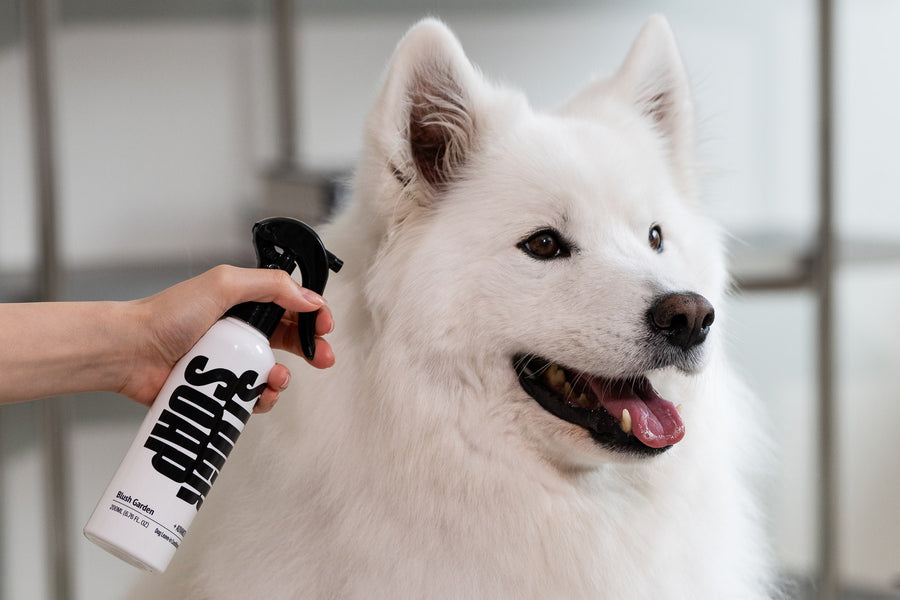



If you have spent any time browsing Korean skincare in the last five years, you have almost certainly seen one ingredient pop up in every product category: squalane. It is in the lightweight serums celebrities post about, in the barrier creams flagged by dermatologists, and in the “glass skin” routines that have defined modern K-Beauty. So it raises a natural question for the dog parents we talk to every week: if squalane works this well for sensitive human skin, could squalane for dogs be the next quiet revolution in pet grooming?
The short answer is yes, and the science is more interesting than most people realize. Squalane is one of the rare cosmetic ingredients that mirrors a substance the body already makes, which is exactly why it has crossed over from K-Beauty counters into a small but growing wave of premium pet products. In this guide, we will unpack what squalane actually is, where it comes from, what it can (and cannot) do for your dog's skin and coat, and how it fits into the K-Beauty-for-dogs movement that STUCK SOAP has been part of from the start.
Table of Contents
- What Is Squalane? Inside K-Beauty's Quiet Hero Ingredient
- Squalane vs Squalene: The One-Letter Difference That Matters
- Why K-Beauty Loves Squalane (and What That Means for Dogs)
- Squalane for Dogs: Skin Barrier, Dry Patches, and Coat Shine
- How to Use Squalane in Your Dog's Grooming Routine
- Where Squalane Fits in the STUCK SOAP K-Beauty Philosophy
- Frequently Asked Questions
- Sources & References
What Is Squalane? Inside K-Beauty's Quiet Hero Ingredient
Squalane is a lightweight, colorless, odorless oil that closely mimics the lipids your skin (and your dog's skin) already produces. In humans, roughly 12% of the natural sebum on healthy skin is made up of squalene, a compound the body uses to keep the skin barrier flexible and hydrated. As we age, that natural squalene production drops, which is one reason mature skin tends to feel drier and more reactive.
The skincare industry figured out that if you could deliver a stable, shelf-friendly version of that same lipid topically, you could essentially “top up” what skin was losing. That is exactly what squalane is: the hydrogenated, stabilized form of squalene, engineered to behave like the body's own oil without going rancid in the bottle. Today, almost all K-Beauty squalane is plant-based (olives, sugarcane, or rice bran), which is part of why it sits so comfortably at the center of modern Korean clean-beauty formulas.
Squalane vs Squalene: The One-Letter Difference That Matters
This is the part of the conversation where most product descriptions quietly fall apart, so it is worth slowing down. Squalene (with an “e”) is the raw, naturally occurring molecule found in human sebum, olives, sugarcane, and rice bran. It is a powerful moisturizer, but it is also chemically unstable. Expose it to air and it oxidizes quickly, which is bad news for a product that needs to sit in a bottle for months.
Squalane (with an “a”) is the same molecule, refined through a process called hydrogenation. Hydrogenation saturates the double bonds in the squalene molecule and turns it into a stable, long-shelf-life ingredient that behaves beautifully in cosmetic and pet-care formulas.
For dog products, this distinction matters. You want squalane, not raw squalene, because anything you put on your dog's coat needs to survive months of shelf life without breaking down into irritating byproducts.
Why K-Beauty Loves Squalane (and What That Means for Dogs)
K-Beauty's obsession with squalane is not random. Korean formulators tend to prioritize barrier health, gentle hydration, and ingredients that play well with sensitive skin, and squalane checks every one of those boxes. Here is why it became a category staple, and why each property translates almost directly to dog skin.
It integrates with the skin's natural lipid matrix. Because squalane is structurally similar to the body's own sebum, it slots into the lipid layer rather than sitting on top like a heavy occlusive. K-Beauty publishers like Mirai Skin highlight this as the reason squalane is so effective at strengthening the moisture barrier and reducing transepidermal water loss (TEWL). Dogs have a thinner stratum corneum than humans, so a barrier-friendly oil is arguably even more valuable for them.
It is non-comedogenic and well-tolerated. Squalane has a comedogenic rating of 0 to 1, one of the lowest of any cosmetic oil. For dogs prone to oily or sensitive skin, that means hydration without clogged follicles or greasy buildup.
It is fragrance-free and compatible with other actives. Pure squalane has no scent of its own and pairs cleanly with vitamin C, ceramides, centella asiatica, green tea, or camellia oil without destabilizing the formula. That makes it an unusually flexible base ingredient.
Squalane for Dogs: Skin Barrier, Dry Patches, and Coat Shine
So how does all of this translate when you apply it to your dog? Premium pet brands have started formulating squalane into shampoos, conditioners, and leave-in coat treatments specifically because the canine skin barrier benefits from the same lipid replenishment human skin does. Pet products built around oat kernel and squalane extracts are marketed for lipid balance, dry-skin soothing, and post-bath barrier repair, all categories where dogs commonly struggle.
For dry, flaky skin: dogs lose moisture through their skin barrier just like we do, especially in dry winter air, after over-bathing, or following exposure to harsh shampoos. Squalane's job is to reinforce that barrier so water stays in the skin and irritants stay out. The American Kennel Club's pet insurance team notes that for mild dry-skin cases, gentle moisturizing approaches can be enough to resolve symptoms, though persistent issues should always be checked by a vet.
For coat texture and shine: a healthy coat reflects light because each hair shaft is smooth and well-lubricated. Squalane coats the hair lightly without weighing it down, which is why pet conditioners using it advertise reduced breakage and a glossier finish, the same mechanism behind K-Beauty “glass hair” results in humans.
For sensitive or reactive skin: squalane's low irritation profile makes it one of the safer moisturizing oils for sensitive dogs. PetMD's guidance on natural oils for dog skin emphasizes choosing ingredients that hydrate without aggravating, which is exactly the lane squalane occupies.
One caveat: squalane is a supportive ingredient, not a medical treatment. If your dog has persistent itching, hot spots, hair loss, or open sores, those are veterinary issues. Squalane belongs in your maintenance toolkit, not in place of professional care.
How to Use Squalane in Your Dog's Grooming Routine
If you decide squalane has a place in your dog's routine, here is how to integrate it without overcomplicating things.
Start with the shampoo. The most efficient way to introduce K-Beauty barrier-friendly ingredients is through the wash step, since that is where every dog parent already has a touchpoint. Look for shampoos that combine gentle, pH-balanced cleansing with skin-friendly lipids and botanicals. STUCK SOAP, for example, is built on Jeju green tea, camellia oil, and centella asiatica, all selected for the same reasons K-Beauty formulators love squalane: they are gentle, barrier-supportive, and dermatologically well-tolerated.
Layer in a conditioning step. If your dog has a longer coat, persistent dryness, or a double coat that mats easily, a leave-in conditioner or coat oil with squalane can be a useful add-on after bathing. Apply a small amount (a few drops for a small dog, a teaspoon for a larger breed) and massage through the coat while it is still damp. Less is more here. Pet squalane formulas are typically lick-safe because the ingredient itself is non-toxic, but always double-check the full ingredient list.
Don't bathe more often. One of the biggest mistakes well-meaning owners make is over-bathing. Even with the most barrier-friendly ingredients on the planet, washing too frequently strips natural oils faster than any topical product can replace them. Most healthy dogs do well with a bath every three to four weeks, give or take based on coat type and lifestyle.
Watch the seasons. Lipid-replenishing ingredients matter more in winter and early spring, when indoor heating and cold air pull moisture out of the skin. Adjust your routine seasonally instead of treating dog skincare as a year-round constant.
Where Squalane Fits in the STUCK SOAP K-Beauty Philosophy
STUCK SOAP does not currently formulate with squalane, and we want to be straightforward about that. What we do is operate on the same K-Beauty philosophy that made squalane famous in the first place: choose gentle, plant-based ingredients with strong evidence behind them, balance them around the skin's pH and barrier, and stop chasing buzzword ingredients that look impressive on a label but irritate sensitive dogs.
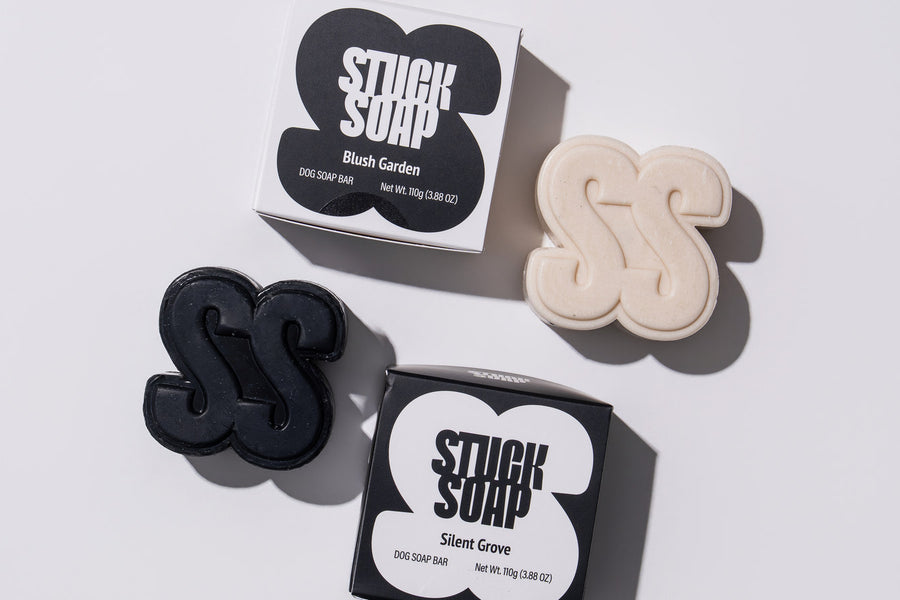
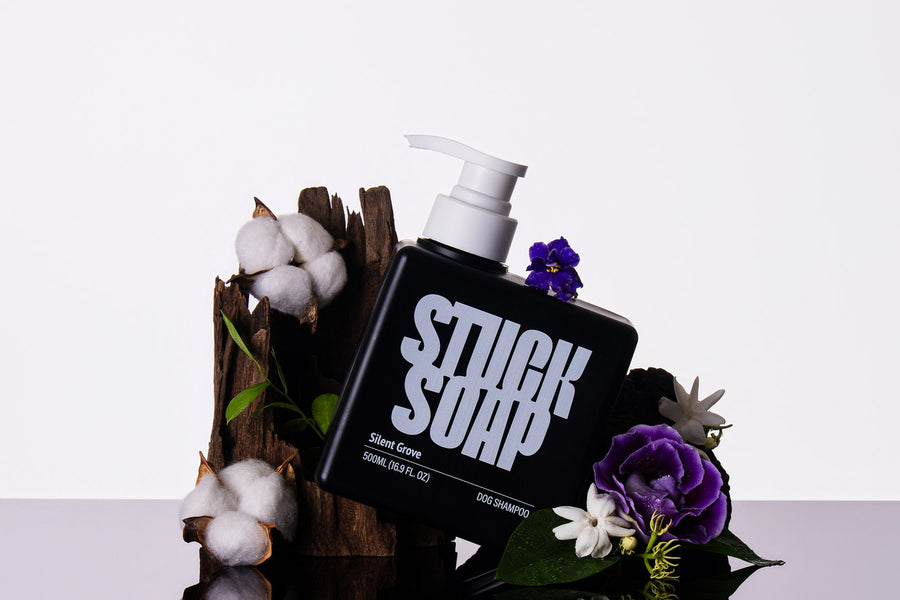
That is why our liquid shampoo and shampoo bar are built around Jeju green tea, camellia oil, and centella asiatica. Each of these ingredients earns its place the same way squalane earned its place in human K-Beauty: through dermatological compatibility, antioxidant or barrier-strengthening benefits, and a track record of working for sensitive skin. If you understand why K-Beauty formulators reach for squalane, you understand why we reach for the ingredients we do.
If the squalane trend in pet care continues to grow, you may see it appear in more premium dog formulas. We will watch the research and revisit if a particular squalane source meaningfully improves outcomes for our formula goals. Until then, the broader principle stands: ingredients chosen for sensitive skin, formulated at the right concentration, in a pH-balanced, vegan, eco-conscious wash.
Frequently Asked Questions
Is squalane safe for dogs?
Topical squalane in properly formulated pet products is generally considered safe. Modern squalane is plant-derived (olive, sugarcane, or rice bran), non-toxic, and has a low irritation profile. Always use products formulated for pets rather than diluting human skincare for your dog, and check with your vet if your dog has known skin conditions or allergies.
What is the difference between squalane and squalene for dog skincare?
Squalene is the unstable, raw molecule found in sebum and certain plants. Squalane is the hydrogenated, stable, shelf-friendly version used in cosmetics and pet products. For any topical product, squalane is what you want because it does not oxidize quickly the way raw squalene does.
Can squalane help my dog's dry, flaky skin?
Squalane is one of the more promising natural oils for supporting a dog's skin barrier and reducing moisture loss, which can help with mild, environmental dry skin. It is not a treatment for medical skin conditions, so if your dog has persistent itching, scabs, or hair loss, see a vet first.
Does STUCK SOAP shampoo contain squalane?
STUCK SOAP shampoos are currently formulated around Jeju green tea, camellia oil, and centella asiatica rather than squalane. These ingredients share squalane's K-Beauty design principles: gentle, barrier-supportive, dermatologically compatible, and vegan.
Is plant-based squalane better than olive squalane for dogs?
Both sources produce a chemically similar ingredient. Sugarcane squalane tends to be lighter and faster-absorbing, while olive squalane is slightly richer. For most dogs, the source matters less than the overall formula, the concentration used, and the quality of the rest of the ingredients.
The Takeaway: Why This K-Beauty Star Is Worth Knowing About
Squalane earned its place in K-Beauty by being everything a sensitive skin ingredient should be: lightweight, barrier-friendly, plant-based, and remarkably compatible with other actives. Those qualities are what make the early wave of squalane-based pet products interesting, and why K-Beauty for dogs is more than a marketing trend.
You do not need to chase every new ingredient to give your dog great skin and a healthy coat. What you do need is a routine built on the right principles: gentle cleansing, pH balance, lipid-friendly ingredients, and patience. Whether the hero ingredient is squalane, camellia oil, or green tea extract, the philosophy is the same, and that philosophy is what K-Beauty actually has to offer the pet world.
Sources & References
- Squalane: K-Beauty Guide & Best Products — Mirai Skin
- What Is Squalane & What Are The Skincare Benefits — Biossance
- Sugarcane Squalane vs. Olive Squalane — Pipette
- Natural Oils for Dogs That Can Help With Dog Skin Conditions — PetMD
- Cerumene (Squalene) — PetMD
- Home Remedies for Dry Dog Skin — AKC Pet Insurance
- Squalane Benefits for Your Skin — Colorescience
Give Your Dog the K-Beauty Spa Treatment
Squalane is built on the same K-Beauty principles that guide every STUCK SOAP formula: gentle on sensitive skin, supportive of the moisture barrier, and made with plant-based ingredients you can actually pronounce. Our Jeju green tea, camellia oil, and centella asiatica blend brings the same philosophy to your dog's bath time.
Shop Stuck Soap →Vegan · pH-Balanced · Jeju Island Botanicals · Zero Waste